Costume, Music, and Ritual: Elements of Modern Cultural Fairs in 2027
28 September 2026
Cultural fairs have always been more than entertainment. They are living archives, places where communities negotiate identity, memory, and belonging in public. By 2027, the fairs that endure will not be the ones with the biggest budgets or the loudest stages. They will be the ones that treat costume, music, and ritual as interlocking systems rather than separate attractions.
This article looks at how those three elements are evolving, why some approaches work better than others, and what organizers, performers, and cultural planners should weigh before committing to a direction. It draws on established practice in cultural heritage management and festival studies, and it flags where certainty ends and informed judgment begins.
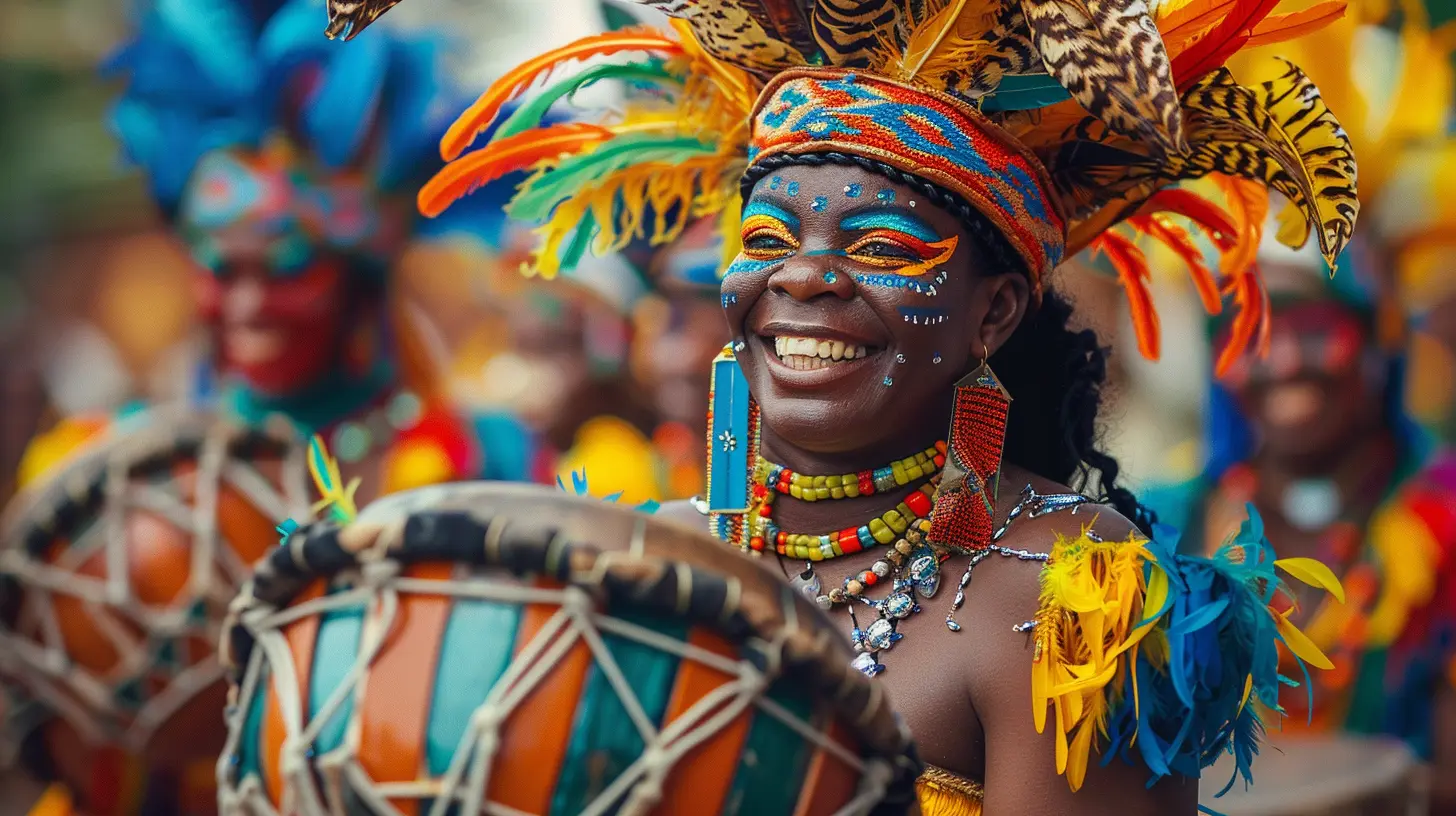
Why These Three Elements Matter More Than Ever
A fair is a temporary world. For a few days, a street, a field, or a plaza becomes a place with its own rules. Costume, music, and ritual are the load-bearing walls of that world.Costume signals who belongs and who is visiting. Music sets the emotional register and the pace. Ritual gives the event a spine, a sequence that turns a crowd into participants. Remove any one of them, and the fair tends to collapse into a market with a stage.
There is also a practical reason to focus here. Audiences in 2027 are more visually literate and more culturally curious than previous generations, but they are also more suspicious of anything that feels manufactured. Authenticity is no longer a marketing word. It is a test that fairs either pass or fail in the first hour.
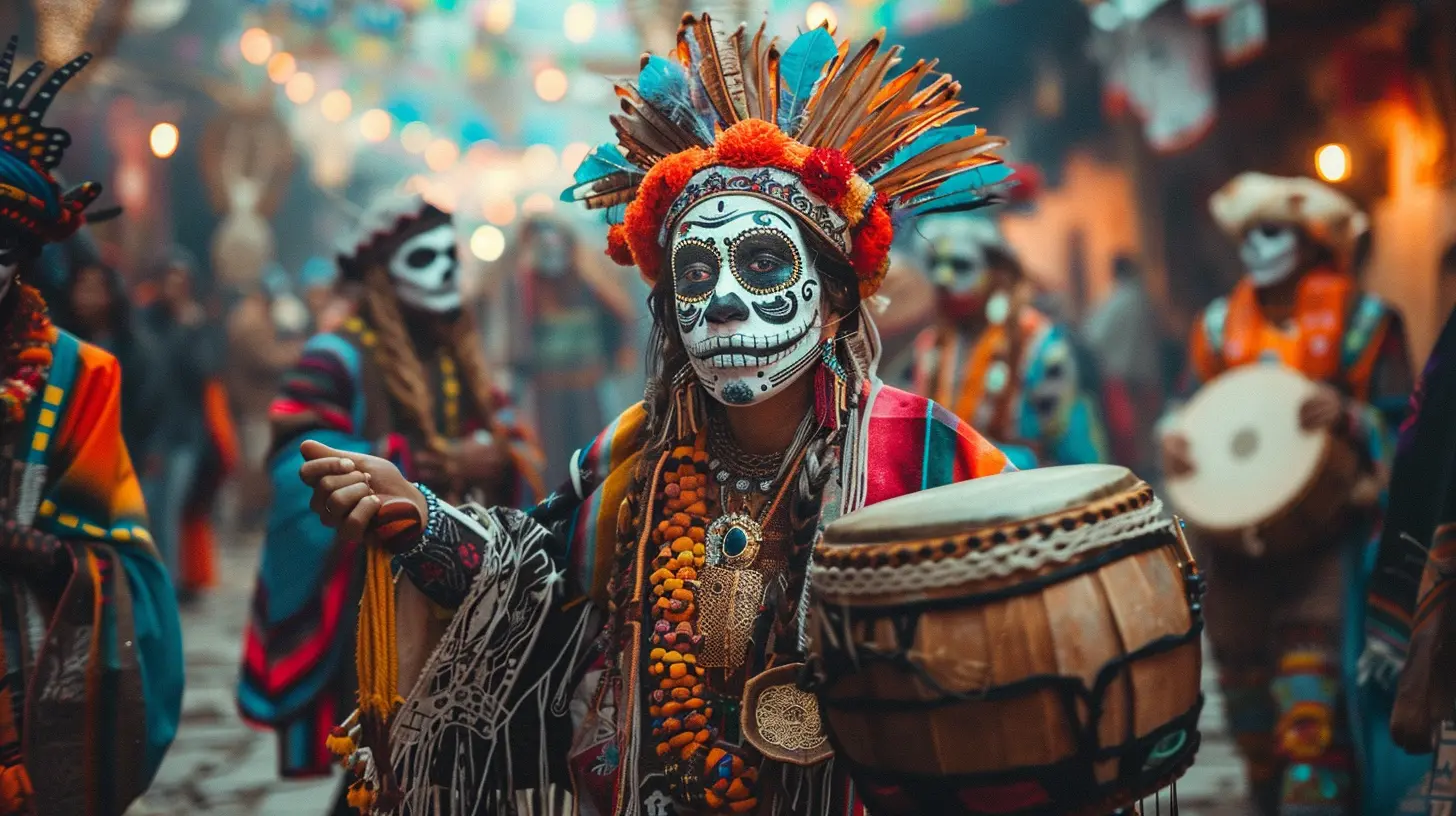
Costume: From Display to Participation
The Shift Away From Pure Spectacle
For decades, many fairs treated costume as a parade asset. Elaborate garments were made, worn once, photographed, and stored. That model still exists, and it still works in places with strong institutional support and stable funding.But a different model has gained ground. Costume is increasingly treated as an invitation. Fairs lend, rent, or teach participants how to assemble a basic look. The goal is not uniformity. It is recognition. When a visitor puts on a simple sash, apron, or head covering associated with the local tradition, something shifts in how they move through the space. They walk slower. They listen more.
When Costume Works and When It Backfires
Costume programming works when three conditions are met.First, the garments must be explained. People need to know what a pattern, color, or accessory means. A label is not enough. A short conversation, a demonstration, or a printed card with context does more than a museum-style caption.
Second, the source community must be involved in decisions about reproduction and use. This is not a legal formality. It is the difference between a fair that honors a tradition and one that borrows it.
Third, there must be a clear line between participation and performance. Visitors wearing simplified versions of a garment is one thing. Visitors wearing sacred or restricted items is another. Organizers who blur that line risk offending the very communities they claim to celebrate.
A common mistake is assuming that more costume equals more authenticity. In practice, a fair with fifty well-explained garments often reads as more genuine than one with five hundred unlabeled ones.
Practical Considerations for 2027
Climate and comfort are becoming central. Outdoor fairs in hot regions are moving toward lighter fabrics and modular pieces that can be added or removed. This is not a compromise on tradition. It is an adaptation that keeps participants safe and engaged.Budget matters too. Commissioning new costumes is expensive. Repairing and reusing existing ones is cheaper but requires storage, cataloging, and skilled hands. Fairs that plan for a five-year costume cycle tend to avoid the panic of last-minute sourcing.
There is also the question of digital costume. Some fairs now offer augmented reality filters that let visitors see themselves in traditional dress without wearing it. This can be a useful educational tool, especially for people who cannot wear certain garments for physical or cultural reasons. But it should not replace physical costume entirely. The weight of cloth on the body is part of the experience.
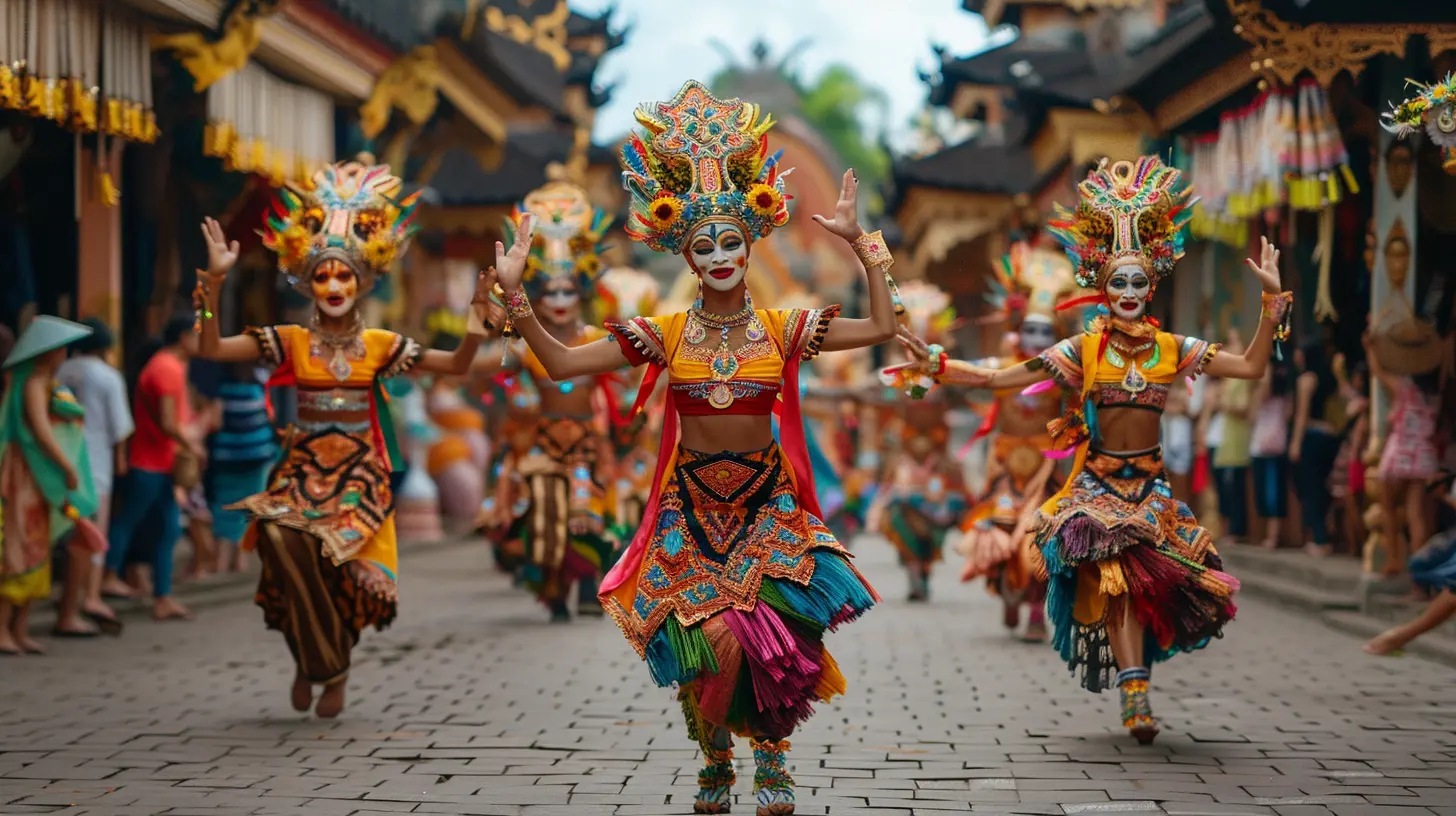
Music: The Difference Between Background and Backbone
Programming That Respects the Tradition
Music at cultural fairs falls into three rough categories. There is traditional music performed by heritage bearers. There is contemporary music influenced by tradition. And there is generic entertainment that happens to be scheduled at the same event.The third category is the most common and the least effective. A fair that books a cover band for the main stage and a folk ensemble for a side tent is sending a clear message about what it values. Audiences notice.
The stronger approach is to treat traditional music as the backbone and everything else as a variation. This does not mean excluding modern genres. It means sequencing them so that the relationship is visible. A set by a traditional drummer followed by a electronic producer who samples that drummer can be powerful. The same two acts on separate stages at the same time is just noise.
Sound, Space, and Scheduling
Acoustic music and amplified music have different spatial needs. A fair that places a loud stage next to a storytelling circle will ruin both. Organizers who map sound zones in advance avoid this.Timing is equally important. Ritual music often belongs at specific moments, dawn, dusk, or during processions. Moving it to a convenient slot for the main stage can strip it of meaning. When a fair treats music as a schedule filler rather than a temporal marker, the whole event loses shape.
The Economics of Music Programming
Paying musicians fairly is a persistent challenge. Some fairs rely on volunteer performers, which can work in tight-knit communities but often excludes professional artists who depend on income. Others use a mixed model, paying headliners and offering stipends to local groups.There is no single right answer. What matters is transparency. Performers should know upfront what the fair offers, what it expects, and how decisions are made. Fairs that treat musicians as partners rather than vendors tend to get better performances and stronger loyalty.
A Note on Recorded Music
Recorded music has a place, especially for ambient soundscapes, transitions, and accessibility. But relying on it for core programming is a mistake. Live music carries risk, timing errors, broken strings, and that is part of its value. It reminds everyone that the fair is happening now, in this place, with these people.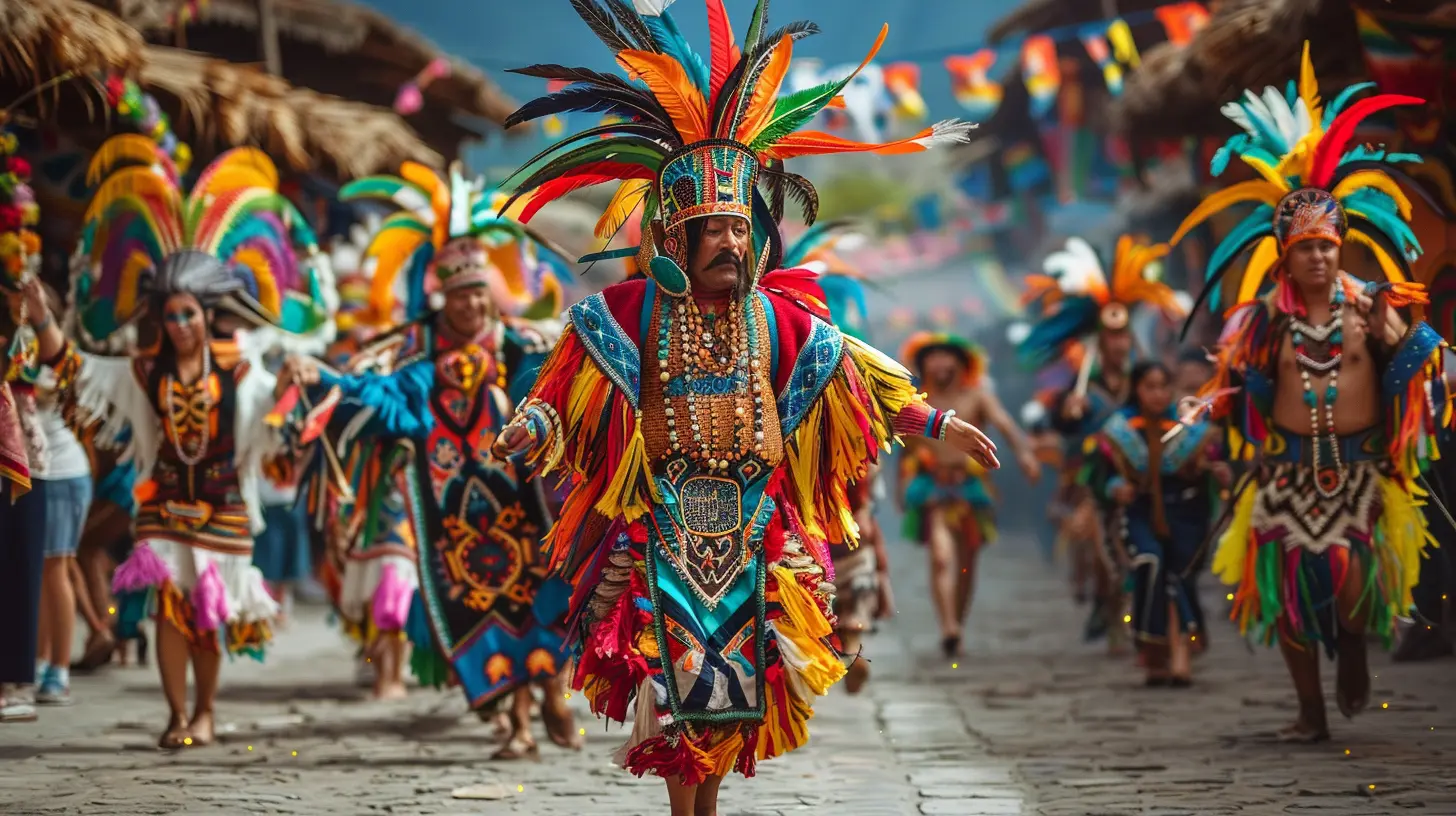
Ritual: The Skeleton of a Fair
What Counts as Ritual
Ritual does not have to be religious. It can be a procession, a shared meal, a opening ceremony, a dance that everyone knows, or a moment of silence. What makes it ritual is repetition, intention, and participation.Fairs that neglect ritual often feel like they lack a center. People wander. Vendors do fine. But nothing accumulates.
Designing Ritual Without Inventing Tradition
This is where many organizers go wrong. They invent a ceremony, call it ancient, and hope no one checks. In an age of easy fact-checking, that approach is risky.A better path is to work with what exists. If a community has a harvest blessing, a welcoming song, or a specific way of opening a gathering, use it. If no such practice exists, create something new and label it honestly as a modern addition. Audiences respect that.
The Role of Repetition
Ritual gains power through repetition. A fair that holds the same opening procession at the same time each year builds anticipation. People start to plan around it. They bring their children. They tell stories about past years.This is why changing ritual elements too often is a mistake. Innovation has its place, but not at the expense of continuity. The most successful fairs tend to keep a core of stable rituals and experiment around the edges.
Balancing Accessibility and Sanctity
Some rituals are open to all. Others are restricted by tradition. Organizers must respect those boundaries even when they reduce audience numbers.A useful practice is to offer parallel programming. If a ritual is closed, schedule a related workshop or explanation nearby so visitors understand what is happening and why they cannot participate. This turns exclusion into education rather than frustration.
How the Three Elements Interact
Costume, music, and ritual are not separate tracks. They reinforce each other.Consider a procession. The costumes mark the participants. The music sets the pace. The ritual gives the movement meaning. If any part is weak, the whole thing feels off. If all three are strong, the procession becomes the memory people carry home.
This is why programming decisions should never be made in isolation. A costume designer who does not know the music will create garments that restrict movement. A musician who does not understand the ritual will play at the wrong tempo. A ritual planner who ignores costume will miss an opportunity to deepen visual symbolism.
The practical fix is simple. Bring the three teams together early and often. Shared planning is not a luxury. It is the difference between a fair that functions and one that resonates.
Common Misconceptions
Misconception one: Bigger is better. Larger fairs attract more visitors but often dilute the cultural core. Smaller fairs can be more intense and more memorable.Misconception two: Authenticity means freezing tradition. Cultures change. Fairs that pretend otherwise become museums rather than living events.
Misconception three: Technology solves everything. Digital tools can enhance access, but they cannot replace embodied experience.
Misconception four: The audience knows nothing. Visitors arrive with knowledge, assumptions, and curiosity. Treating them as empty vessels is both inaccurate and condescending.
Practical Recommendations for 2027
Start with a clear cultural thesis. What is this fair about? Write it down in one sentence. Use it to evaluate every decision.Build a three-year plan for costume, music, and ritual. Avoid last-minute scrambles.
Pay performers and makers fairly whenever possible. It strengthens the ecosystem.
Create feedback loops with source communities. Annual reviews, not one-time consultations.
Train volunteers in cultural context, not just crowd control.
Document everything. Photos, recordings, and notes become the archive for future years.
Design for accessibility from the start. Ramps, seating, sign language interpretation, and quiet spaces are not extras.
Leave room for surprise. The best fairs have moments that no one planned.
Looking Ahead
By 2027, the fairs that thrive will be those that treat culture as a practice rather than a product. Costume, music, and ritual are not decorations. They are the grammar of the event.Organizers who understand that will build something that lasts. Not because it is trendy, but because it is true.
all images in this post were generated using AI tools
Category:
Cultural CelebrationsAuthor:

Shane Monroe
Discussion
rate this article
1 comments
Foster Whitaker
Modern cultural fairs blend tradition and innovation, creating unique experiences.
September 28, 2026 at 2:32 AM