Cultural Crossroads: Exploring Al-Andalus’ Legacy in Southern Spain
5 March 2026
Southern Spain is like a living, breathing history book where cultures have intertwined over centuries, leaving behind a mesmerizing blend of art, architecture, and traditions. At the heart of this cultural fusion is Al-Andalus, the medieval Islamic territory that shaped the identity of Andalusia. From the grand palaces of Granada to the vibrant patios of Córdoba, every corner of this region tells a story of coexistence, creativity, and innovation.
So, pack your bags (and maybe brush up on your history), because we’re about to step back in time and explore the incredible legacy of Al-Andalus in Southern Spain. 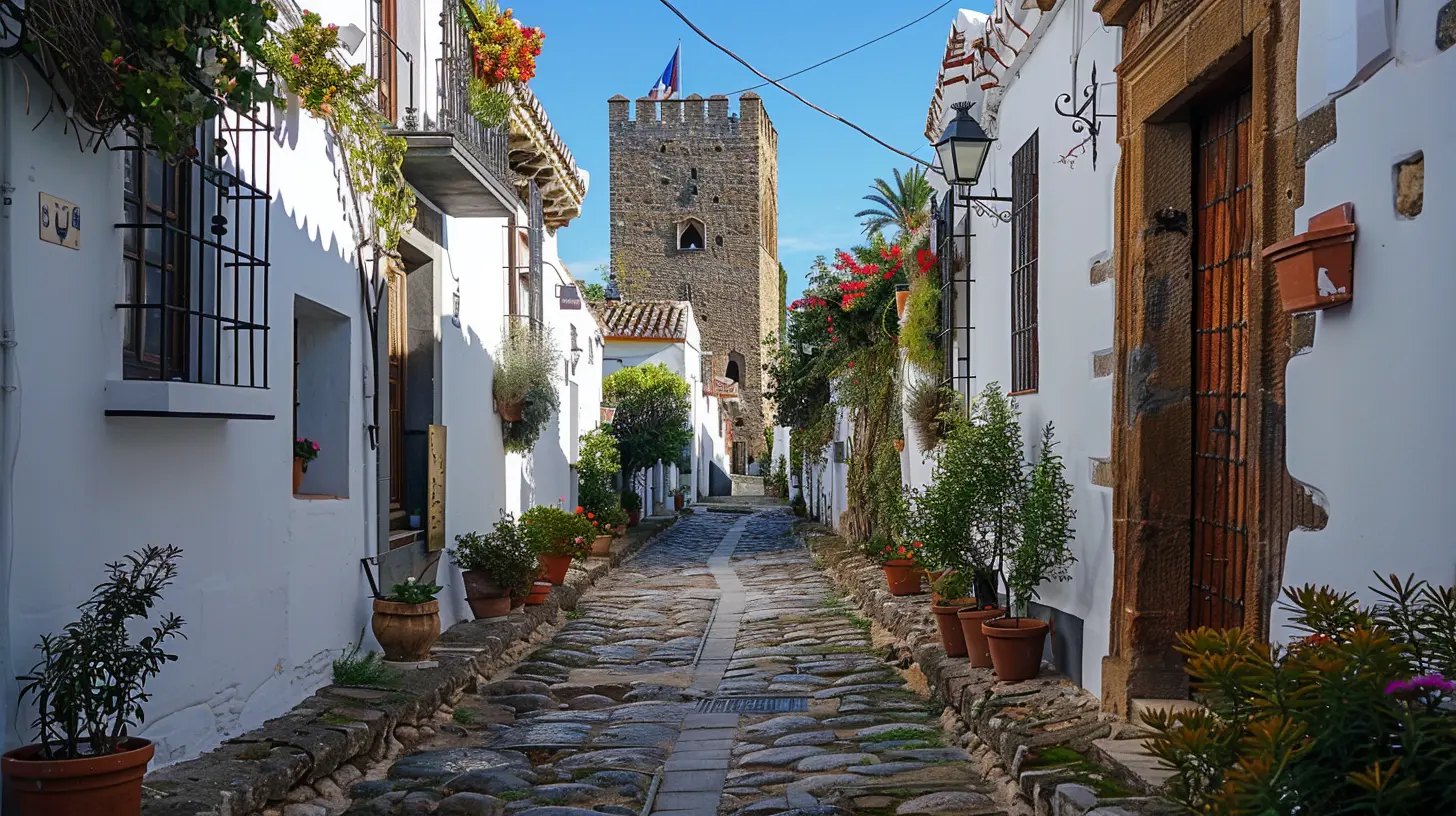
🌍 A Glimpse into Al-Andalus: A Cultural Melting Pot
Imagine a time when Muslims, Christians, and Jews lived side by side, influencing each other’s customs, learning from one another, and building a civilization that left an indelible mark on history. That was Al-Andalus, the Muslim-ruled territory in Spain from 711 to 1492.For nearly 800 years, this region flourished as a hub of science, philosophy, architecture, and art. The Moors (Muslim rulers of Al-Andalus) brought advanced knowledge from the Middle East, North Africa, and beyond, elevating Spain to a beacon of enlightenment in medieval Europe.
Today, this legacy lives on in the grand buildings, intricate tile work, poetic gardens, and even the very language spoken in Spain. Let’s dive deeper into the sights and sensations that make Al-Andalus an unforgettable part of Andalusia’s charm. 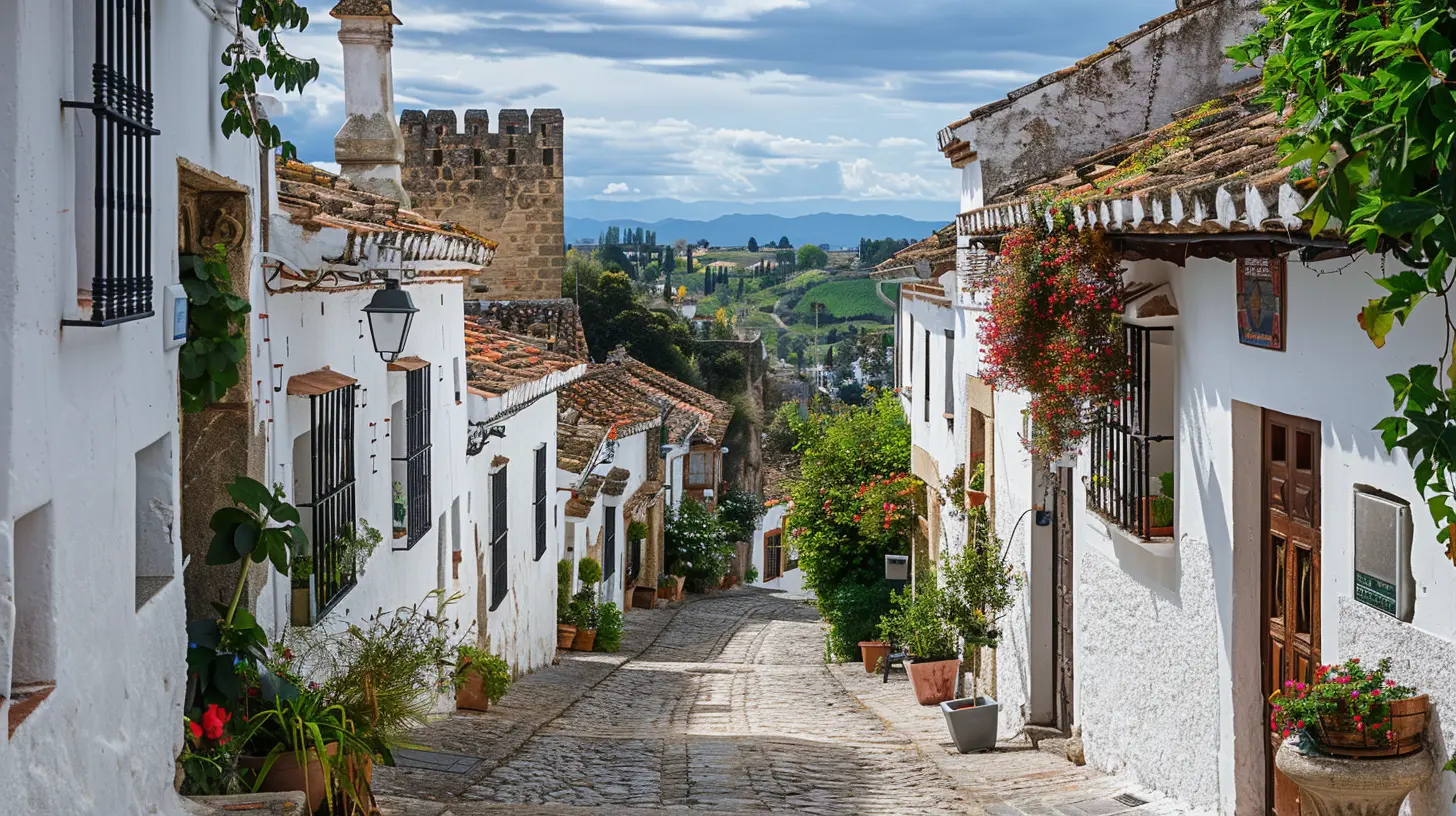
🕌 The Architectural Wonders of Al-Andalus
When it comes to jaw-dropping beauty, Andalusia delivers in spades. Its cities are adorned with some of the most exquisite remnants of Moorish architecture, blending Islamic artistry with later Christian influences.The Alhambra: Granada’s Crown Jewel
If there’s one place that embodies the spirit of Al-Andalus, it’s the Alhambra. Perched on a hill overlooking Granada, this palace-fortress complex is nothing short of a fairy tale.Built by the Nasrid rulers in the 13th and 14th centuries, the Alhambra is a masterpiece of Islamic architecture. Delicate stucco carvings, horseshoe arches, and stunning mosaics transport visitors to an era of elegance and refinement. The Generalife Gardens, with their flowing fountains and lush greenery, provide a tranquil escape fit for royalty.
The Mosque-Cathedral of Córdoba: A Symbol of Harmony
Walking into the Mezquita of Córdoba is like stepping into a different world. Rows upon rows of red-and-white striped arches create a mesmerizing effect, making it one of the most breathtaking structures in Spain.Originally built as a mosque in the 8th century, the building was converted into a cathedral in the 13th century after the Christian Reconquista. Today, this fusion of Islamic and Christian architectural styles stands as a testament to Córdoba’s diverse past.
The Alcázar of Seville: A Royal Blend of Cultures
Seville’s Alcázar is another jewel in Andalusia’s crown, boasting intricate Mudéjar (Islamic-inspired) architecture combined with later Christian and Renaissance influences. Its elaborate tilework, carved ceilings, and enchanting courtyards make it a must-visit for anyone enchanted by the legacy of Al-Andalus.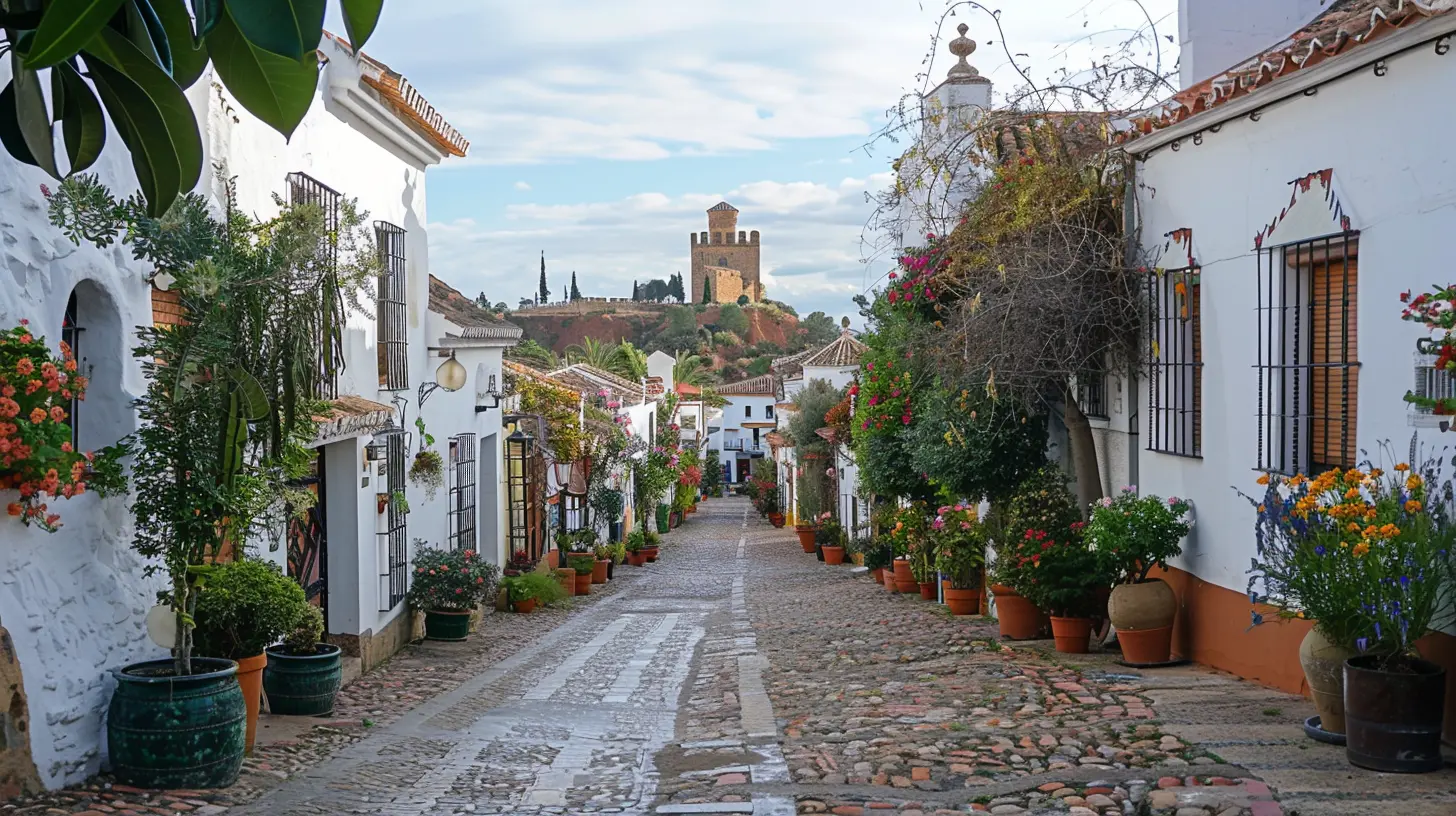
🎨 The Lasting Influence on Art, Music & Language
While the grand palaces and mosques are the most visible traces of Al-Andalus, its influence extends far beyond architecture. Andalusian culture today is a rich blend of Moorish heritage and Spanish traditions.Flamenco: The Soulful Echo of Al-Andalus
Did you know that flamenco, Spain’s most iconic music and dance form, has deep roots in Al-Andalus? This passionate art form evolved from the diverse cultural exchanges between Moors, Jews, Gypsies, and native Spaniards.The soulful singing (cante), intricate guitar melodies, and fiery dances of flamenco still carry echoes of ancient Arabic influences. When you hear the haunting wail of a flamenco singer, you’re hearing centuries of Andalusian history in every note.
Arabic Influence on the Spanish Language
Take a closer listen to Spanish, and you’ll find traces of Arabic everywhere. During the rule of Al-Andalus, thousands of Arabic words became embedded in the Spanish language—from "ojalá" (hopefully) to "aceituna" (olive) and "azúcar" (sugar). The impact is undeniable, a linguistic fingerprint of the past still present in everyday conversation.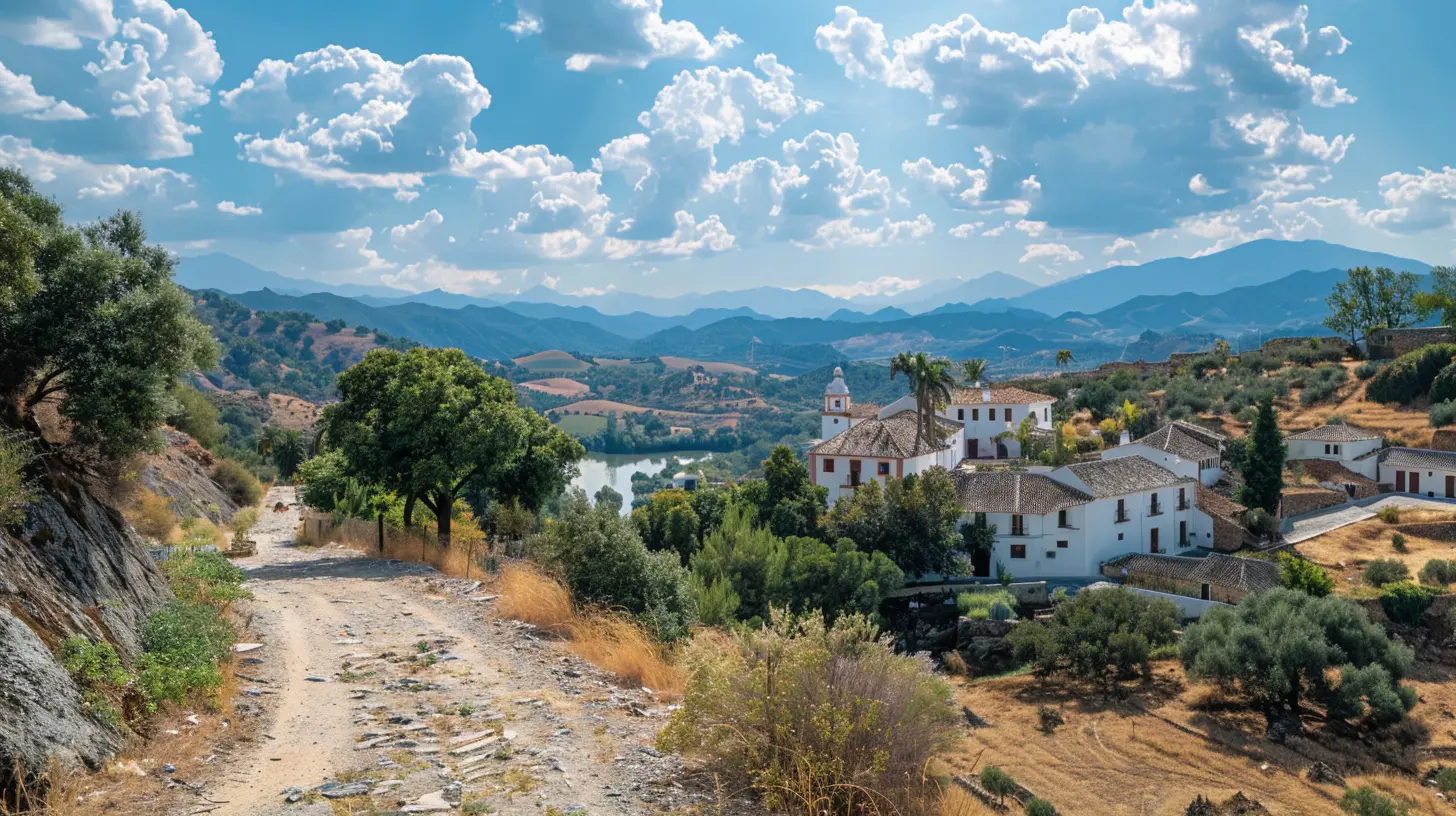
🍛 A Taste of Al-Andalus in Andalusian Cuisine
If there’s one thing that truly connects people across cultures, it’s food. The flavors of Al-Andalus have left a permanent mark on Andalusian cuisine, introducing ingredients and techniques that are still enjoyed today.Signature Dishes with Moorish Roots
- Gazpacho & Salmorejo – These chilled tomato-based soups have origins in Al-Andalus, where Arab influences introduced key ingredients like olive oil, garlic, and vinegar.- Albóndigas – Spanish-style meatballs originally stem from Arabic recipes, using fragrant spices and rich sauces.
- Turrón – This beloved nougat-like treat made of almonds and honey comes directly from Moorish culinary traditions.
And of course, spices like saffron, cumin, and cinnamon—all staples in Andalusian cooking—were brought over during Al-Andalus’ golden age, making Spanish cuisine all the richer.
🎭 Andalusian Festivals & Traditions: A Legacy of Celebration
Traditions in Andalusia often trace their roots back to Al-Andalus, even if they’ve evolved over time. From the elaborate tile art of azulejos to the lively ferias and festivals, the spirit of the Moors still flickers in everyday life.Patio Festival in Córdoba: A Floral Delight
Every spring, the people of Córdoba open their homes to showcase breathtaking courtyards filled with vibrant flowers. This tradition dates back to Moorish times, when homes were built around cooling, plant-filled courtyards to escape the heat.Semana Santa: Echoes of Religious Coexistence
While Semana Santa (Holy Week) is a deeply Christian tradition, it’s impossible to ignore the subtle Moorish influences in the processions, costumes, and even the rhythmic drumbeats that accompany the somber marches.🏛️ The Spirit of Al-Andalus Lives On
Southern Spain wouldn’t be the cultural powerhouse it is today without the profound and lasting contributions of Al-Andalus. From its breathtaking landmarks to the melodies of flamenco, from culinary delights to the language itself, this era remains woven into the very fabric of Andalusian life.So next time you find yourself wandering through the streets of Granada, Seville, or Córdoba, take a moment to soak it all in. The whispers of Al-Andalus are still there, waiting to tell their story.
all images in this post were generated using AI tools
Category:
Cultural ToursAuthor:

Shane Monroe
Discussion
rate this article
2 comments
Samira McFarlin
Al-Andalus is a fascinating testament to cultural harmony, blending influences from Islamic, Christian, and Jewish traditions. Exploring its rich heritage in Southern Spain offers unique insights into history, architecture, and vibrant local customs. Highly recommended!
March 7, 2026 at 5:05 PM
Shane Monroe
Thank you for your insightful comment! I'm glad you appreciate the rich cultural tapestry of Al-Andalus. It's truly a remarkable legacy worth exploring.
Cassidy James
In the shadow of ancient minarets and crumbling castles, Al-Andalus whispers secrets of its vibrant past. Dare to wander its streets, and let history unveil its enchantments.
March 5, 2026 at 6:02 PM
Shane Monroe
Thank you for capturing the essence of Al-Andalus so beautifully! Its rich history and enchanting streets truly invite exploration and reflection.