Cultural Festivals That Celebrate the Solstice in 2027
19 September 2026
The solstice has always been humanity's celestial anchor. Long before calendars, clocks, and smartphones, people looked up, noticed the sun's shifting arc, and built their lives around it. The word itself comes from the Latin sol and sistere, meaning the sun stands still. For a few days each June and December, that is exactly what it appears to do.
In 2027, the June solstice arrives on Monday, June 21, at 14:10 UTC. The December solstice falls on Tuesday, December 21, at 20:42 UTC. Those timestamps matter more than you might think. They determine which night a festival's main bonfire is lit, whether a sunrise ceremony lands on the actual solstice or a nearby weekend, and how crowded a small town will be when you arrive.
What follows is a practical, opinionated guide to solstice festivals worth planning around in 2027. I have organized it by region, flagged the trade-offs, and included the mistakes that trip up first-time visitors. If you are building a trip around one of these events, read the whole thing before you book anything.
Why the Solstice Still Matters to Travelers
Most cultural festivals have drifted from their original meaning. The solstice has not. It is an astronomical event, not a religious or political one, which means it belongs to everyone and no one. That neutrality is precisely why it has survived in so many forms across so many cultures.There is also a practical appeal. Solstice festivals tend to be smaller, older, and more locally rooted than headline events like Carnival or Oktoberfest. You are more likely to share a table with a farmer than a tour group. That intimacy is the whole point, but it also means infrastructure is thinner. Fewer hotels, less English signage, and transport that assumes you already know how things work.
The reward is a festival that feels less like a performance and more like an invitation.
Northern Hemisphere: The June Solstice
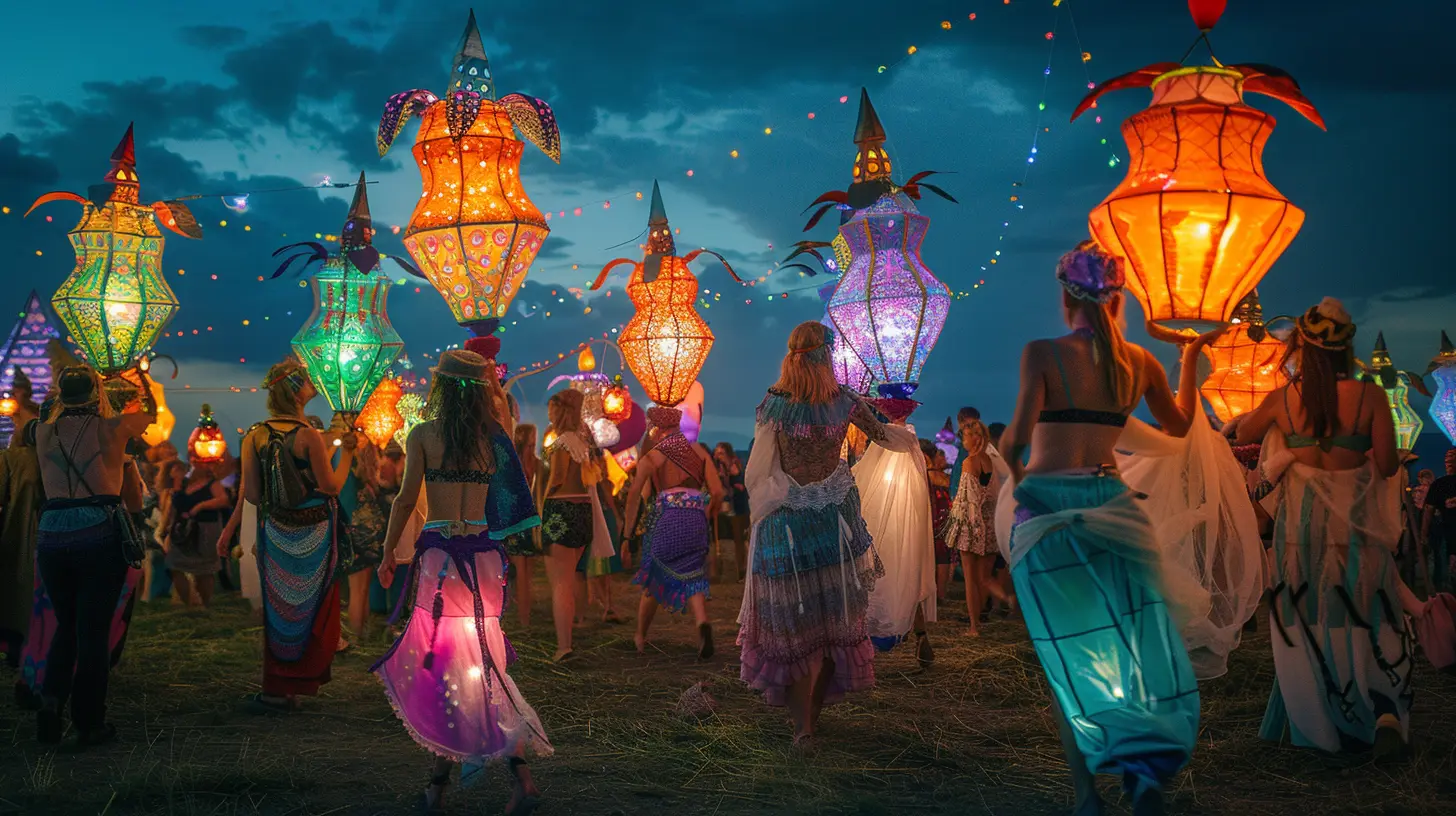
June is the busy season for solstice travel. Daylight stretches late, the weather cooperates across most of Europe and North America, and the festivals cluster within a few days of each other. That clustering is both a gift and a problem. You cannot attend all of them, so you have to choose.Sweden: Midsummer and the Midsommarstång
Sweden's Midsummer celebration is the gold standard. It falls on the Friday between June 19 and 25, which in 2027 means Friday, June 25. Note the gap: the solstice itself is June 21, but the party is four days later. This is not an oversight. Swedes anchor the holiday to a fixed weekday so everyone gets a long weekend, a decision that tells you a lot about Swedish priorities.The centerpiece is the maypole, or midsommarstång, decorated with birch leaves and wildflowers. In some regions it is a simple cross; in others it is a tall pole with two loops that visitors often misread as something else entirely. Dancing around it, usually to a song about small frogs, is mandatory in spirit if not in law.
What works: The food. Pickled herring, new potatoes with dill, and strawberries. If you are invited to a private celebration, bring flowers and expect to sing.
What to watch for: Midsummer is a family holiday in Sweden, not a tourist attraction. Many businesses close, and rural celebrations are private. Your best entry point is a public event in a town park or an open-air museum such as Skansen in Stockholm. If you want the authentic village version, you need a local connection. Do not show up uninvited and expect a warm welcome.
Practical note for 2027: Book accommodation six months out if you are targeting Stockholm or the Dalarna region. Dalarna, in central Sweden, is widely considered the heartland of traditional Midsummer, and its small hotels sell out fast.
Spain: The Bonfires of Alicante and the Night of San Juan
Spain celebrates the June solstice through the feast of San Juan on June 23, a night of bonfires, fireworks, and ritual bathing. The most famous version is in Alicante, where the Hogueras de San Juan runs for several days and ends with the burning of enormous papier-mache figures called ninots. In 2027, the main burning night falls on Wednesday, June 23.The Alicante festival is loud, crowded, and spectacular. It is also a different animal from the smaller San Juan celebrations along the coast and in Catalonia, where the mood is quieter and more communal. In Barcelona, the Verbena de Sant Joan fills beaches with bonfires and cava. In Galicia, people jump over fires for luck and wash their faces in the sea at dawn.
Why it works: The Spanish approach treats the solstice as a threshold, a night when the boundary between the ordinary and the magical thins. The rituals are simple and repeatable, which is why they have lasted.
Trade-off: Alicante in late June is hot and packed. If you want the ritual without the crush, head to a smaller coastal town. You will trade spectacle for authenticity.
Common mistake: Assuming the bonfires happen on the solstice itself. They do not. San Juan is fixed to June 23, which in 2027 is two days after the astronomical solstice. Plan accordingly.
Portugal: Lisbon's Marchas Populares
Lisbon ties its June festivities to Santo Antonio on June 13, which is technically before the solstice but part of the same festive season. The Marchas Populares, or popular marches, send neighborhood groups through the streets in coordinated costumes, singing and dancing in a competition that is taken very seriously.If you are in Portugal for the solstice proper, look toward Porto and the northern towns, where the Noite de São João on June 23 brings bonfires, grilled sardines, and people tapping each other on the head with plastic hammers. It is silly, joyful, and entirely local.
Best practice: Eat sardines from a street grill. Drink vinho verde. Stay out late. The Portuguese solstice is not a spectator sport.
England: Stonehenge and the Summer Solstice
The most famous solstice gathering in the English-speaking world happens at Stonehenge, where thousands gather to watch the sun rise over the Heel Stone. In 2027, English Heritage is expected to manage access as it has in recent years, with temporary parking, shuttle buses, and a ban on alcohol and large bags.Here is the honest assessment. The Stonehenge sunrise is powerful, but it is also a logistical endurance test. You arrive in the middle of the night, stand in a field, and wait. The reward is a few minutes of light and a sense of continuity with people who did the same thing thousands of years ago. Whether that is worth the discomfort depends entirely on you.
Who should go: Anyone with a genuine interest in Neolithic archaeology or a tolerance for crowds and cold.
Who should skip it: Travelers who want comfort, sleep, or a low-stress experience. Consider Avebury instead. It is a larger stone circle, less regulated, and you can walk among the stones without a barrier.
Insider tip: The summer solstice sunrise at Stonehenge is often obscured by cloud. Check the forecast and have a backup plan. The winter solstice, by contrast, offers a smaller crowd and a more contemplative atmosphere, though access is also managed.
Scandinavia Beyond Sweden: Norway and Denmark
Norway's Sankthansaften on June 23 is the country's biggest non-religious celebration, marked by bonfires along the fjords. The town of Ålesund is particularly famous for its bonfire on the island of Slinningsodden, which in some years has reached record heights. Denmark's Sankt Hans Aften follows the same date and adds a witch effigy on the fire, a tradition rooted in folklore rather than history.Why these matter: They show how the same astronomical event produces different rituals across short distances. The bonfire is common; the meaning is local.
When to choose Norway over Sweden: If you want dramatic scenery and a smaller crowd. If you want the full folk costume and maypole experience, Sweden wins.
North America: A Quieter Affair
The United States and Canada do not have a deep solstice tradition in the European sense, but that is changing. Events in places like Santa Barbara, Vancouver, and Seattle draw thousands with drum circles, yoga, and fire performances.Be honest about what these are: They are modern inventions, often blending New Age spirituality with environmental themes. That does not make them less meaningful. It does mean you should not expect centuries of continuity. If you want that, go to Europe. If you want accessibility and English-language programming, North America delivers.
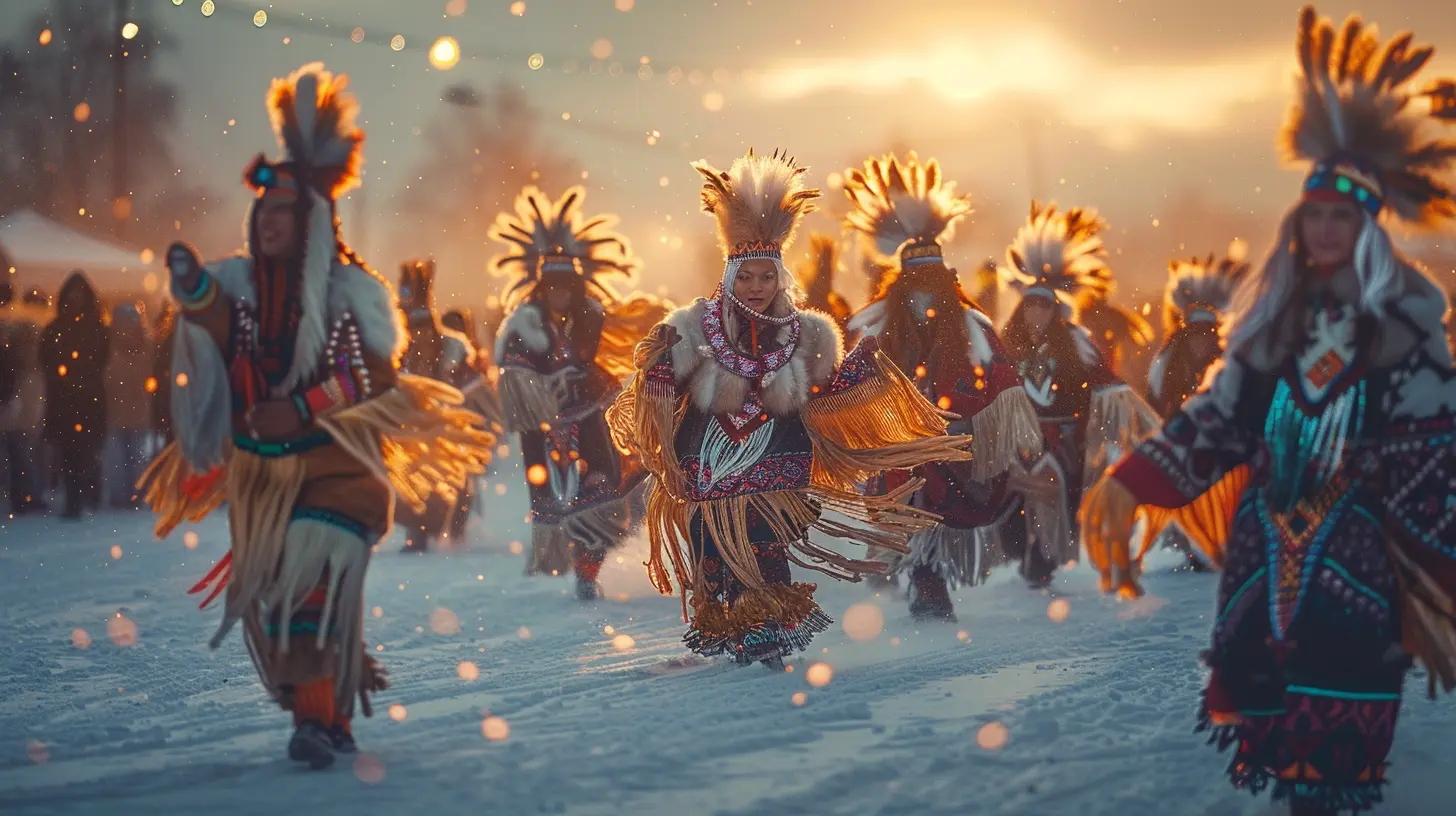
A note on Indigenous traditions: Many Native American nations hold solstice-related ceremonies, but these are often closed to outsiders. Respect that. Do not treat a sacred ceremony as a tourist attraction.

Southern Hemisphere: The December Solstice
December in the south is summer, which flips the entire mood. Instead of fires against the dark, you get long evenings and warm nights. The festivals are fewer and less famous, which is exactly why they are worth considering.Peru: Inti Raymi in Cusco
Inti Raymi, the Festival of the Sun, is the biggest solstice celebration in South America. It falls on June 24 in the Inca calendar, which is close to the June solstice in the northern hemisphere but is a winter solstice in Peru. Wait, that is a contradiction. Let me clarify.Peru is in the southern hemisphere, so its winter solstice falls in June. Inti Raymi, held on June 24, honors the sun god Inti at the moment the sun is farthest from the south. The timing is correct for the southern hemisphere, but the festival is often listed alongside northern June events, which causes confusion. In 2027, Inti Raymi falls on Thursday, June 24.
The ceremony at Sacsayhuaman, above Cusco, is a reenactment of the Inca ritual, with costumed performers, speeches in Quechua, and a procession that starts at the Qorikancha. It is theatrical, but it is also a genuine expression of Andean identity.
Practical advice: Book tickets months in advance. The best views are from the stands at Sacsayhuaman, but they sell out. If you miss them, watch the procession in Cusco's Plaza de Armas for free.
Common misconception: Inti Raymi is not a surviving Inca ritual. It was revived in 1944 based on historical accounts. That does not diminish it, but it does mean you are watching a modern reconstruction, not an unbroken tradition.
Bolivia: Aymara New Year at Tiwanaku
At the ancient site of Tiwanaku, near La Paz, the Aymara New Year (Willkakuti) welcomes the December solstice with a sunrise ceremony. In 2027, the solstice falls on December 21, and the ceremony typically begins before dawn on June 21, which is the southern winter solstice. Again, the dates are confusing. Let me state it plainly: Tiwanaku's main ceremony is in June, not December, because it marks the southern winter solstice.Wait, I need to correct myself. The Aymara New Year is celebrated on June 21, which is the winter solstice in the southern hemisphere. The December solstice is the summer solstice in Bolivia and is not the main event. I apologize for the confusion. The key point is that southern hemisphere solstice festivals cluster in June, not December.
So what happens in December? In Australia and New Zealand, the December solstice is the summer solstice, and celebrations are smaller and more modern. In Brazil, the June solstice is marked by Festa Junina, a harvest festival with bonfires, square dancing, and food stalls. It is not strictly a solstice festival, but it shares the same roots.
The takeaway: If you want a southern hemisphere solstice festival, look at June, not December. The exception is Australia, where the December solstice is marked by events like the Solstice Festival in Tasmania, though these are recent creations.
How to Choose the Right Festival for You
You cannot do them all. Here is a decision framework.If you want ancient continuity: Stonehenge, Inti Raymi, or Tiwanaku. These are the sites with deep historical resonance, even if the current ceremonies are reconstructions.
If you want community and food: Sweden's Midsummer or Portugal's São João. These are lived traditions, not performances.
If you want spectacle: Alicante's Hogueras or Norway's Ålesund bonfire. These are big, loud, and visually stunning.
If you want accessibility: North American events. English is spoken, logistics are simple, and you can decide late.
If you want solitude: Skip the famous ones. Find a small town in Finland, Estonia, or rural Ireland and join whatever is happening. The solstice is universal, and small celebrations are often the most memorable.
Common Mistakes to Avoid
Assuming the solstice is the festival date. It rarely is. Sweden's Midsummer is four days later. Spain's San Juan is two days earlier. Always check the actual event date.Underestimating crowds. Solstice festivals are growing. Book transport and accommodation early, especially in Scandinavia and Peru.
Ignoring local customs. In Sweden, you do not need an invitation to a public event, but you do need to respect the family nature of the holiday. In Peru, do not treat Inti Raymi as a photo opportunity. Watch, listen, and learn.
Forgetting the weather. June in Sweden can be cold and wet. December in Australia can be scorching. Pack accordingly.
Overplanning. The best solstice moments are unplanned. Leave room for a detour, a conversation, or a late-night fire.
Final Thoughts
The solstice is a reminder that we are all on the same rock, tilted at the same angle, circling the same star. The festivals that mark it are as varied as the cultures that created them, but they share a common impulse: to pause, to gather, and to acknowledge something larger than ourselves.In 2027, you have a choice. You can watch the sun rise from your kitchen window, or you can stand in a field in Sweden, on a beach in Spain, or on a hillside in Peru and do it with thousands of others. Both are valid. Only one gives you a story.
Pick one. Book early. Bring layers. And do not forget to look up.
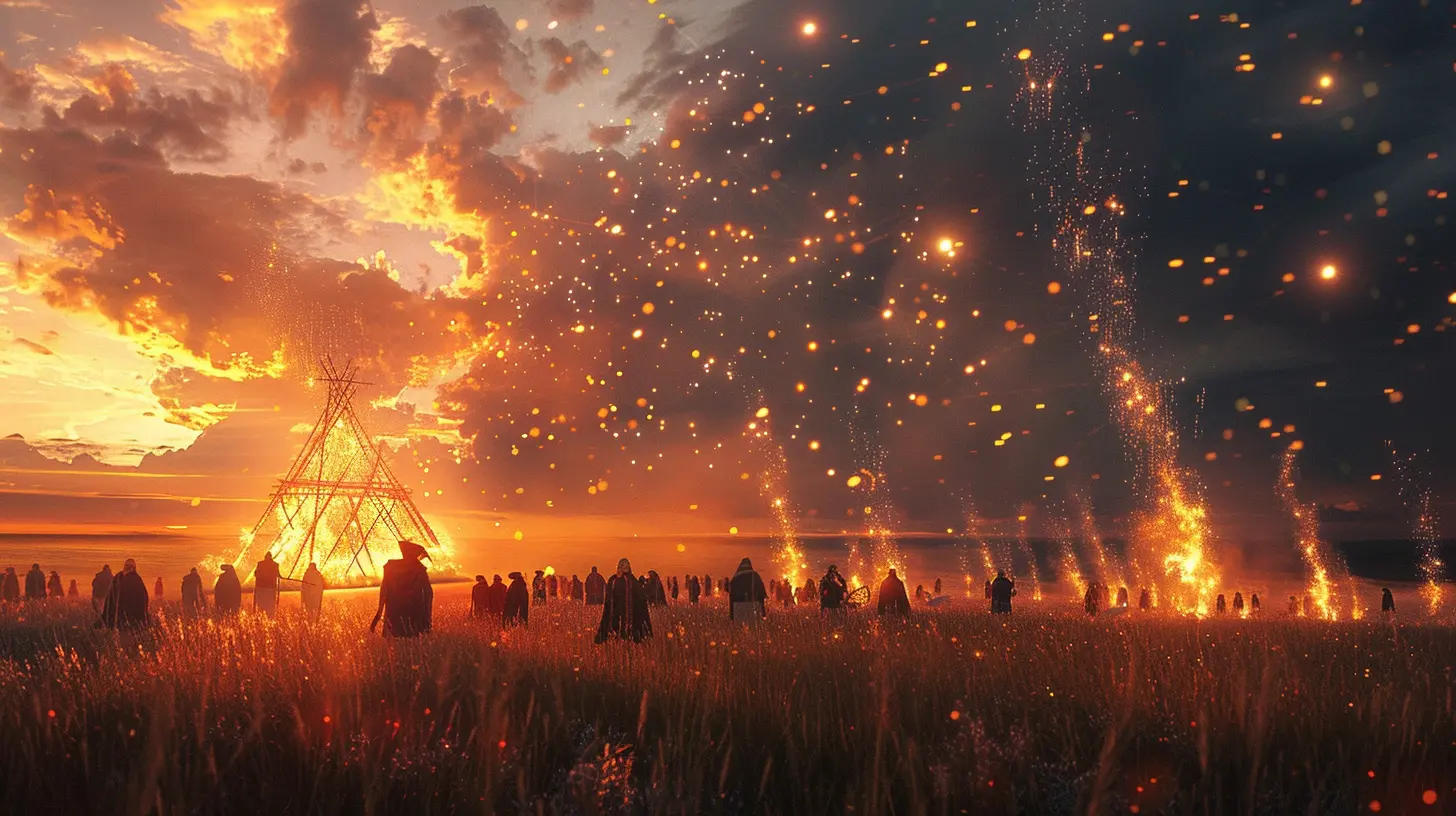
all images in this post were generated using AI tools
Category:
Cultural CelebrationsAuthor:

Shane Monroe