Eco-Friendly Festivals Worth Traveling For in 2027
22 September 2026
Most festivals leave a mark. The question is what kind. A few hundred thousand people in a field can generate tons of waste, strain local water systems, and turn a quiet town into a traffic jam for a week. But a growing number of events have rebuilt themselves around a different premise: that a great party does not have to cost the planet more than it gives back.
2027 matters because it sits at a useful crossroads. Several European festivals are entering the first full year of binding sustainability requirements tied to funding. Organizers in Asia and Latin America are scaling models that were experimental a few years ago. And travelers, burned by a decade of vague green marketing, are getting better at telling the difference between a festival that genuinely reduces impact and one that just sells a reusable cup at the gate.
This guide is for people who want to plan a trip around that difference. It covers what actually makes a festival eco-friendly, which events in 2027 are worth the airfare or train ticket, how to evaluate claims before you book, and where the trade-offs lie. No festival is perfect. The honest ones will tell you that themselves.

What "Eco-Friendly" Actually Means at a Festival
The word gets used loosely, so it helps to separate the real levers from the theater.Energy. Diesel generators are the default power source for stages, lights, and food stalls. Festivals that run on grid power, battery hybrids, or renewable contracts cut a large share of their emissions. This is one of the few areas where the change is measurable and hard to fake.
Waste and materials. Reusable cup systems, deposit schemes, composting, and bans on single-use plastic are common now. What separates strong programs from weak ones is what happens after the gate closes: whether cups are actually washed and reused, whether compost goes to a real facility, and whether leftover tents and gear are collected and donated rather than landfilled.
Transport. For most attendees, travel to and from the site is the single biggest source of emissions, often far larger than everything that happens on site. Festivals that matter here run shuttle networks, offer discounted train packages, limit car parking, or sit within walking distance of public transit.
Food. Plant-forward menus, local sourcing, and reduced food waste do more than they look like on paper. Beef-heavy menus carry a footprint that no amount of recycled lanyards can offset.
Water and land. Temporary toilets, dust control, and site restoration matter in sensitive landscapes. Festivals near coastlines, forests, or farmland have to answer harder questions than those on brownfield sites.
Community. The least visible pillar is whether the event benefits the place it occupies: local hiring, fair contracts, and money that stays in the region.
A festival can be strong in one area and weak in another. That is normal. The useful question is not "is this festival green" but "which impacts has it actually reduced, and which has it ignored."
Why 2027 Is a Pivot Year
Three shifts are converging.First, funding pressure. Several national and regional arts bodies in Europe have begun tying public support to documented environmental performance. That pushes organizers to publish real numbers rather than slogans, because money depends on it.
Second, infrastructure. Battery storage and hybrid generator systems have become practical for multi-day events, not just showcases. A festival that ran entirely on diesel in 2019 can plausibly run most of its stages on stored renewable power in 2027.
Third, audience expectations. Attendees increasingly ask about travel options, cup systems, and food sourcing before buying tickets. Festivals that cannot answer clearly lose bookings to those that can.
The result is a year where the gap between leaders and laggards is unusually wide, which makes it a good time to choose carefully.

The Festivals Worth Planning Around in 2027
The events below are established names with track records, not speculative startups. Details change year to year, so treat this as a shortlist for research rather than a booking list.Roskilde Festival, Denmark
Roskilde is one of the largest music festivals in Northern Europe and one of the most transparent about its footprint. It publishes sustainability reporting, runs a deposit-based cup system across the site, and has pushed hard on plant-based food options for both attendees and artists.Why it works: Denmark's grid is relatively clean, so grid-connected stages start from a better baseline than diesel-powered sites elsewhere. The festival also has a strong volunteer culture, which supports waste sorting and cleanup at a scale that paid staff alone could not match.
What to weigh: Roskilde is a camping festival, and camping gear left behind is a persistent problem across the format. If you go, plan to take your tent home. The festival's own messaging on this has grown blunter over the years for good reason.
Glastonbury Festival, United Kingdom
Glastonbury has spent more than a decade working on transport, waste, and land management. It sits on working farmland, which forces a genuine commitment to site restoration. Its traffic management and coach packages are among the most developed of any large festival.Why it works: The festival treats travel as a core part of its strategy, not an afterthought. Coach and public transport incentives reduce car numbers meaningfully, and the site's agricultural setting creates real accountability for cleanup.
What to weigh: Getting there without a car takes planning and patience. Tickets sell out fast, and the resale system rewards people who prepare. If you fly in from another continent, the travel emissions will dominate your personal footprint no matter what happens on site, so consider offsetting through a verified program and being honest with yourself about the math.
Shambala Festival, United Kingdom
Shambala is smaller than the giants and has built its reputation on ambitious environmental targets, including commitments around meat and fish sourcing and single-use plastics. It has functioned as a testing ground for ideas that larger events later adopt.Why it works: Small size lets it experiment quickly. When you do not have to coordinate 200,000 people, you can change your power setup or your menu in a single year.
What to weigh: Smaller lineups mean the draw is the atmosphere and the values as much as the headliners. If your priority is seeing major international acts, this is not the right pick.
Fusion Festival, Germany
Fusion is a large German festival with a strong culture of participation and a long-standing focus on reducing car traffic and single-use waste. It has limited ticket sales and emphasized collective responsibility rather than passive consumption.Why it works: The festival's culture does a lot of the sustainability work. When attendees see waste reduction as part of the identity rather than a rule imposed from above, compliance is higher and sorting is cleaner.
What to weigh: Tickets are notoriously hard to get, and the event's ethos is not for everyone. Go because you buy into the culture, not despite it.
Boom Festival, Portugal
Boom is held on a temporary site in Portugal and has invested heavily in water treatment, composting toilets, and renewable power. It has also run educational programming alongside the music, positioning itself as a gathering with a purpose beyond entertainment.Why it works: The site is built and dismantled each edition, which makes restoration a visible, measurable obligation. Water and sanitation receive unusual attention for a festival of its size.
What to weigh: The setting is hot and remote, and the event is not a casual weekend out. The environmental ambition comes with physical demands. Prepare accordingly.
Ozora Festival, Hungary
Ozora has pursued organic farming on its site, greywater treatment, and composting systems. It is one of the clearer examples of a festival integrating with the land it occupies rather than just borrowing it.Why it works: Long-term land stewardship gives the organizers a reason to invest in infrastructure that pays off across multiple years.
What to weigh: The lineup and atmosphere are specific to a particular scene. If that scene is not your thing, the sustainability story alone may not justify the trip.
Shambhala Music Festival, Canada
Shambhala operates on a farm in British Columbia and has worked on renewable power, water systems, and waste diversion. It is one of the more serious North American examples of the model.Why it works: A permanent site with a long-term relationship to the land creates accountability that temporary sites often lack.
What to weigh: Travel to rural British Columbia is carbon-intensive for most attendees. The festival's on-site efforts are real, but they sit inside a trip that is hard to make low-impact unless you live in the region.
Envision Festival, Costa Rica
Envision combines music with workshops and talks, and its tropical setting makes environmental management both urgent and difficult. Organizers have worked on waste reduction, water use, and reforestation efforts.Why it works: The programming reinforces the values. Attendees arrive expecting to engage with sustainability content, not just consume it.
What to weigh: Costa Rica is a long-haul destination for most travelers. If you are flying from Europe or Asia, the trip's emissions are substantial. Consider combining it with a longer stay to make the travel count, or choose a closer event if the flight is the main concern.
Wanderlust Festivals, United States and Canada
Wanderlust runs multi-city events focused on wellness, yoga, and music, with sustainability practices varying by location. Some editions have emphasized local food, waste reduction, and outdoor stewardship.Why it works: The format is portable, which means practices can be adapted to different venues and regions.
What to weigh: Because each edition is different, you have to evaluate the specific city and year. Do not assume the brand's values transfer automatically to every stop.
Rainforest World Music Festival, Malaysia
Held in Sarawak, this festival brings together musicians from around the world in a setting tied to rainforest conservation. Organizers have worked on waste management and local community engagement.Why it works: The location itself makes the stakes concrete. The festival's identity is bound up with the forest it celebrates.
What to weigh: Travel to Borneo is significant for most international attendees. The festival is smaller and more culturally focused than a typical rock or electronic event, which is a feature for some travelers and a mismatch for others.

How to Evaluate a Festival's Green Claims Before You Book
Marketing language is cheap. Here is how to test it.Look for numbers, not adjectives. "Committed to sustainability" means nothing. "94 percent of waste diverted from landfill in 2026" is a claim you can check against a published report.
Check whether travel is addressed. If a festival talks about cups and straws but says nothing about how people get there, it is avoiding its largest impact. That is a red flag.
Read the post-event report, not the pre-event promise. Anyone can announce a target. The interesting document is the one published months later that says what actually happened, including what fell short.
Ask about energy sources. Grid power, battery hybrids, and renewable contracts are meaningful. "We use less diesel than before" is weaker unless paired with a baseline.
Look at food sourcing. Plant-forward menus and local suppliers reduce impact. A festival that still centers beef while promoting recycling is solving the small problem and ignoring the big one.
Check community commitments. Local hiring, fair pay for crew, and support for nearby towns indicate an event that plans to be welcome next year.
Be wary of offsets as a headline. Offsets can be legitimate, but they are not a substitute for reducing emissions in the first place. A festival that leads with offsets and says little about reduction is telling you something.
The Trade-Offs Nobody Puts on the Poster
Eco-friendly festivals ask something of you. That is part of the deal, and it is worth naming before you commit.Convenience. Shuttles and trains take longer than driving. Reusable cups mean returning them. Sorting waste means thinking about it. If you want a frictionless weekend, a standard resort-style event may suit you better.
Comfort. Composting toilets and water conservation measures are not the same as hotel plumbing. They work, but they require a small adjustment in expectations.
Lineups. Smaller, values-driven festivals rarely book the biggest names. You are trading star power for atmosphere and integrity.
Cost. Some sustainable practices raise ticket prices, because proper waste handling, renewable power, and fair labor are not free. Cheap tickets often mean someone else is absorbing the cost, whether that is the environment or the crew.
Travel math. The hardest trade-off is distance. A festival with excellent on-site practices that requires a long-haul flight may still produce a larger personal footprint than a closer event with average practices. If reducing your impact is the goal, proximity often beats perfection.
Practical Planning Advice for 2027
Book transport before tickets where possible. On many routes, train and coach capacity is the real constraint, not festival capacity.Choose the closest strong option. A well-run festival two hours away by train usually beats a celebrated one on another continent, if impact is your priority.
Pack for reuse. A durable water bottle, a sturdy tent you will take home, and a plan for your waste will do more than any gadget.
Buy food on site rather than hauling it in. Festival food programs are increasingly designed around lower-impact menus. Bringing your own often means more packaging, not less.
Plan your exit. The mess at a festival usually happens in the last twelve hours. Decide in advance what you are carrying out.
Ask one hard question. Email the organizers and ask what their largest remaining environmental impact is. The quality of the answer will tell you more than any brochure.
Common Mistakes and Misconceptions
Mistake: Assuming small means green. Small festivals can be just as wasteful as large ones. Size is not a proxy for responsibility.Mistake: Treating a reusable cup as the whole story. Cups are visible and easy to market. Energy, travel, and food matter more.
Mistake: Ignoring the journey. For most attendees, transport is the dominant impact. Skipping that calculation makes the rest of your choices symbolic.
Misconception: Offsets make a trip neutral. Offsets vary widely in quality and do not cancel out emissions in a literal sense. They are a supplement, not a solution.
Misconception: Green festivals are joyless. In practice, many attendees report the opposite. Shared effort tends to build a stronger atmosphere than passive consumption.
Misconception: One festival can be perfect. Every event makes compromises. The question is whether it is honest about them and improving year over year.
Final Thoughts
The best eco-friendly festival for you in 2027 is not necessarily the most famous one. It is the one whose specific strengths match what you can realistically do: reachable by a route you can justify, run by people who publish real results, and built around a culture you actually want to join.Pick two or three from the shortlist above. Read their most recent post-event reports. Check how they handle travel. Then decide. The trip will be better for it, and so will the field you leave behind.
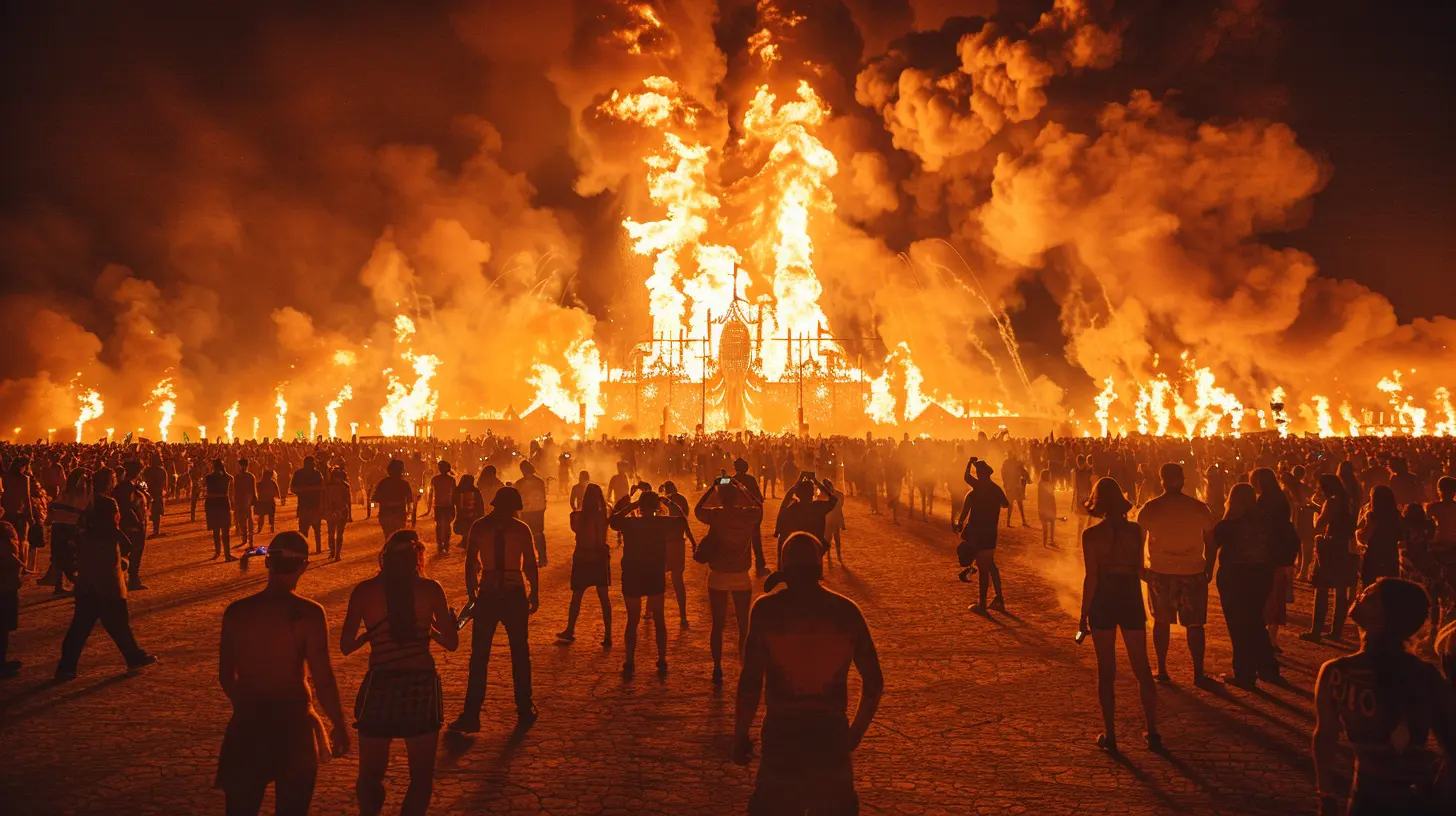
all images in this post were generated using AI tools
Category:
Festivals And EventsAuthor:

Shane Monroe