Experience the Dance and Music Traditions of West Africa
11 December 2025
Ever found yourself tapping your foot or swaying your hips whenever rhythmic drums fill the air? You’re not alone. Rhythm is universal, and nowhere does it come alive more vibrantly than in West Africa. The rich dance and music traditions of this region are pure magic — an invitation to feel, move, and connect.
So, if you're someone who loves to feel the heartbeat of a culture through its music and movement, buckle up! Because we’re about to take a rhythm-packed journey across West Africa that will have your feet itching to dance before you even finish reading.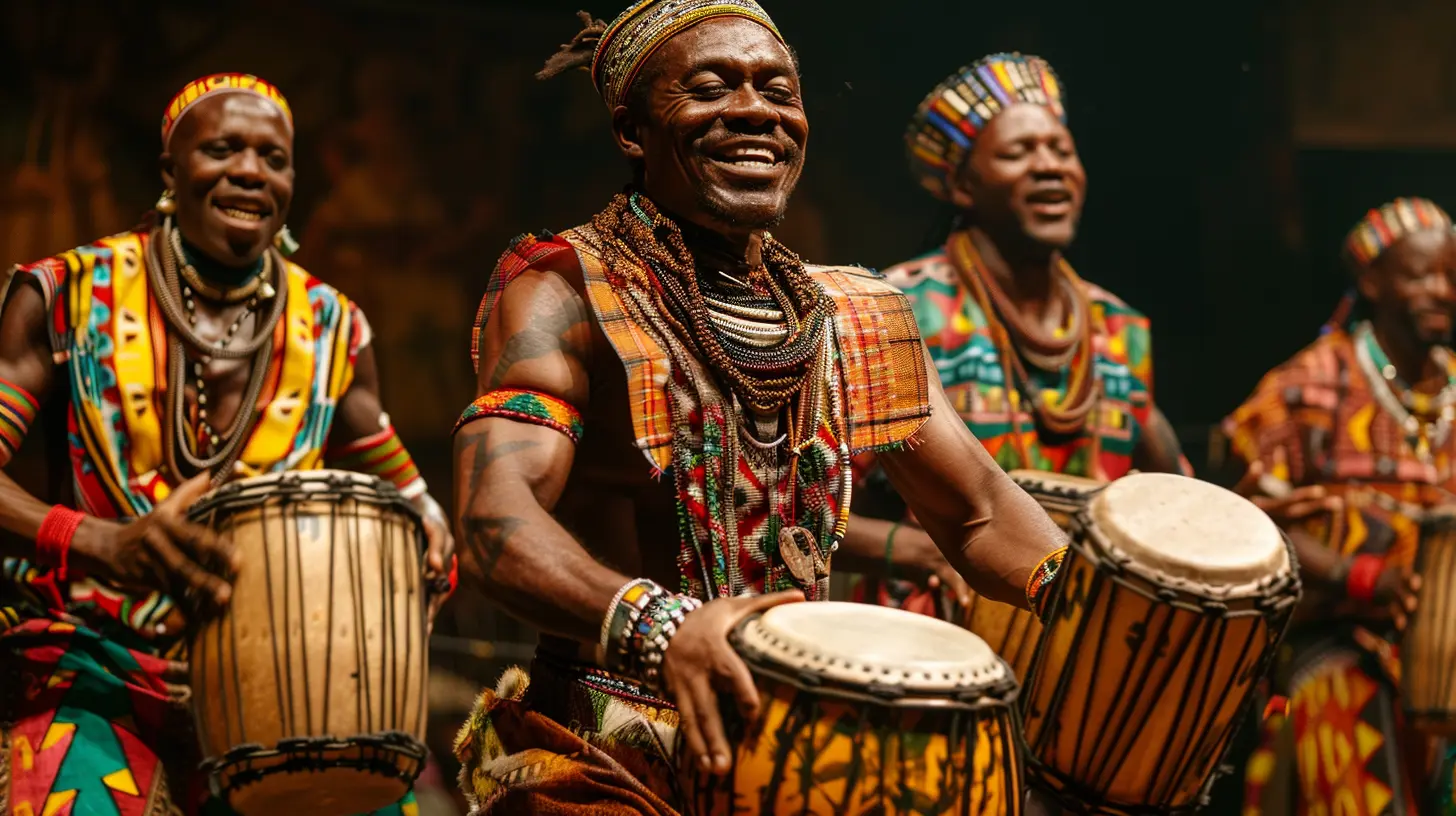
Why West Africa? The Soul of Rhythm
When it comes to music and dance, West Africa is the motherland. From Senegal to Nigeria, Ghana to Mali, every beat, song, and movement tells a story. It’s not just performance; it’s heritage, culture, communication, and even worship. This is where rhythm wasn’t just created — it was born, raised, and eventually exported around the globe.You’ve heard it in jazz, hip hop, salsa, and even rock. Those deep beats and polyrhythms you love? Yup, they’ve got West Africa’s fingerprints all over them.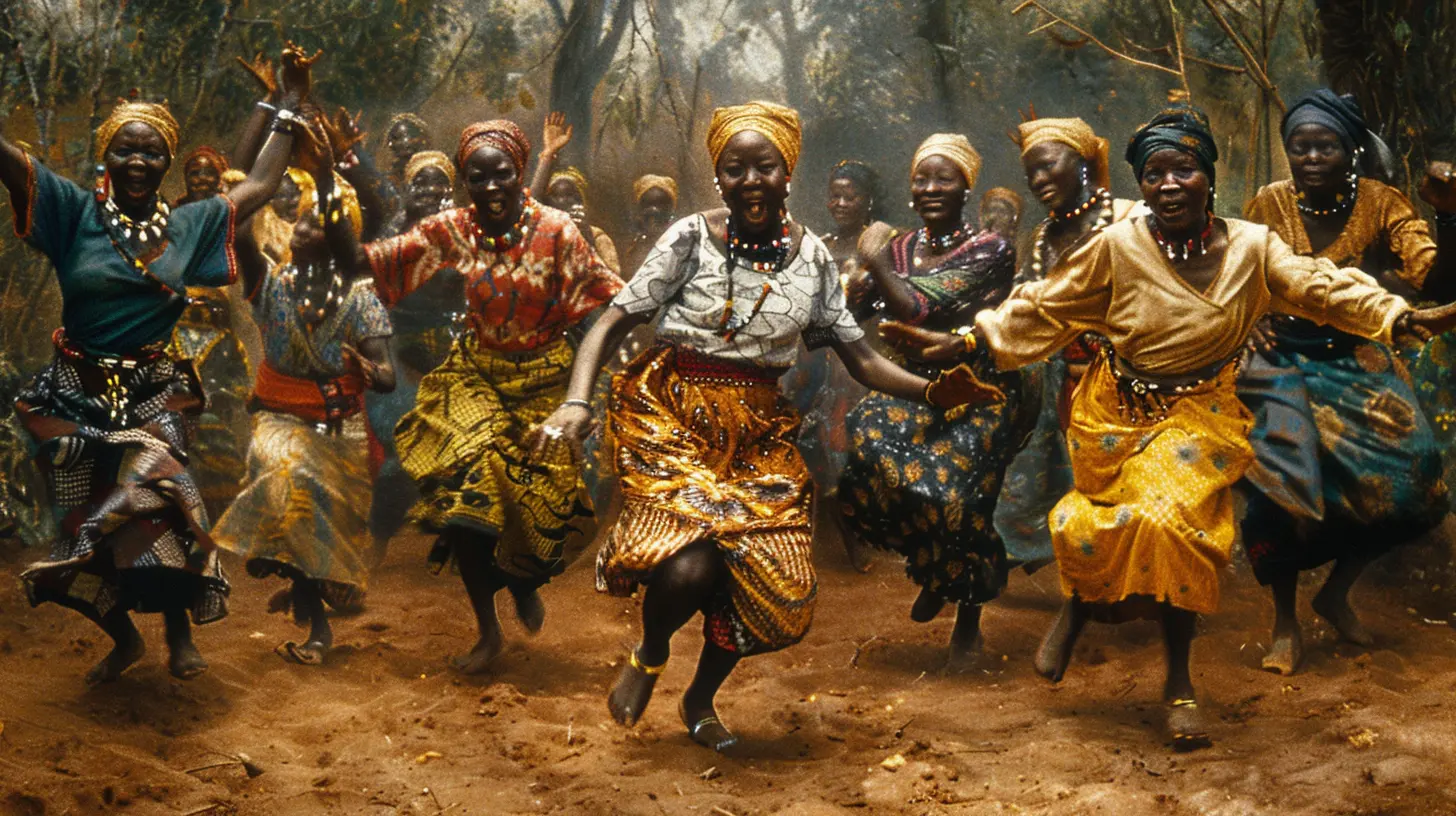
Music That Talks: The Soundtrack of a People
Drums: The Heartbeat of the Continent
Let’s start with the drum — arguably the most iconic symbol of West African music. The djembe, shaped like a goblet and carved from a single piece of wood, is the king here. Played with bare hands, the djembe can chat, laugh, cry, and roar — all with just a few beats.Then there’s the talking drum (also known as the “tama”). This little instrument does exactly what its name suggests. By squeezing and releasing the drum’s ropes, musicians can mimic the tones of human speech. In fact, before smartphones or even Morse code, villages used these drums to send messages across miles.
Pretty cool, right?
Griots: The Musical Historians
In West Africa, music has long been a tool for storytelling. Enter the griot — a kind of musical historian, poet, and oral archivist rolled into one. Griots preserve the histories of families, clans, and kingdoms through song. Their instruments of choice? The kora, a 21-stringed harp-lute, and the balafon, a wooden xylophone.When a griot performs, they're not just entertaining — they’re passing down centuries of culture. Think of them as the original audio books, only with way cooler beats.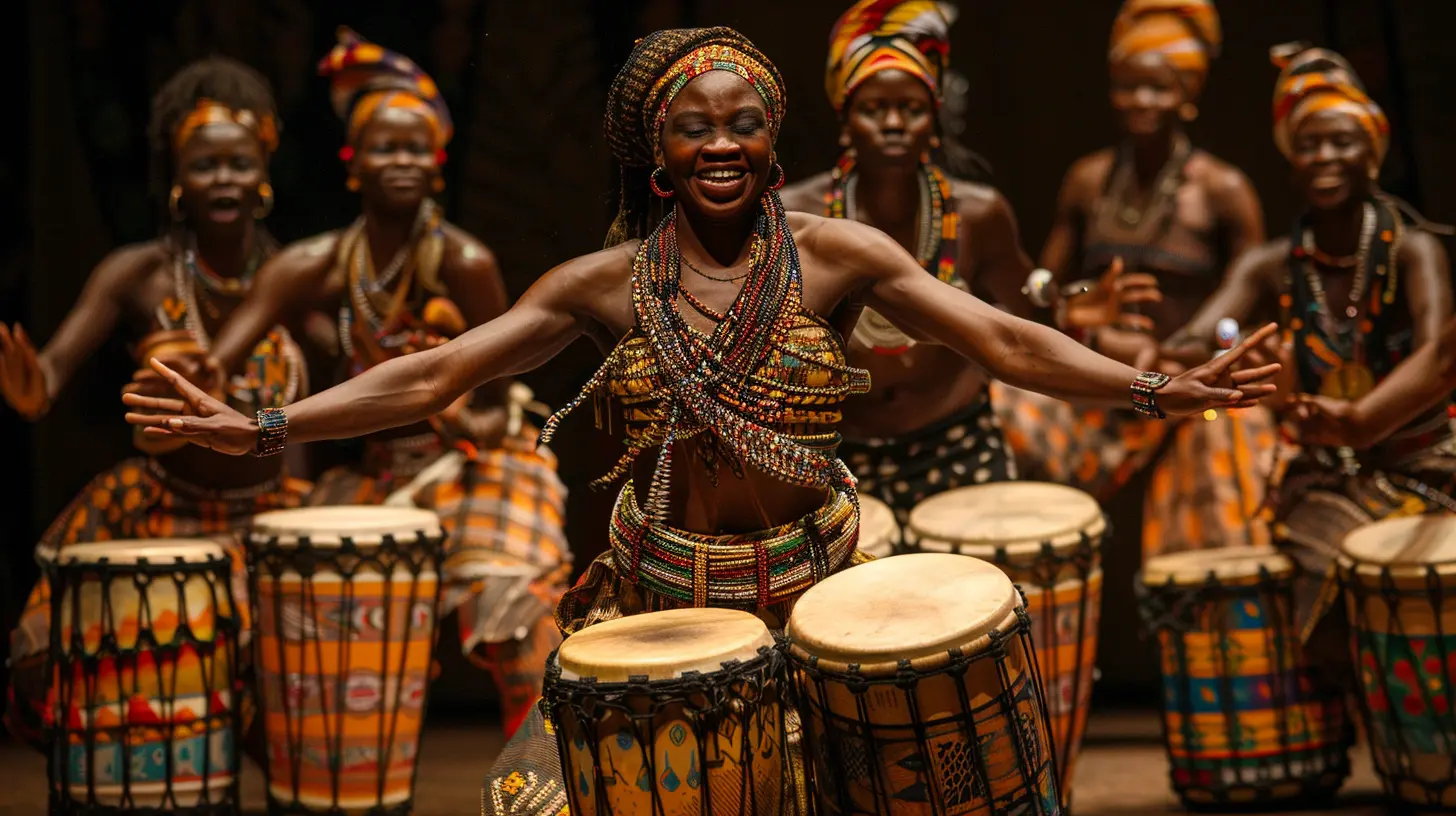
Dance: Movement with Meaning
Music and dance go hand in hand in West Africa. In fact, it’s hard to separate the two. The rhythms of the drums literally drive the dancers’ steps.Traditional Dance Styles
Every ethnic group has its own unique dance traditions. Here are a few standouts:- Kuku (Guinea): Originally performed by women returning from fishing, this high-energy dance screams celebration.
- Agbekor (Ghana and Togo): Once a warriors’ dance, now it’s performed at festivals and funerals. The footwork is intense and the message? Strength and honor.
- Yankadi and Macru (Guinea): These are social dances — you know, the kind of dances that get the party started. Slow and graceful at first, then fast and fiery.
Each movement has meaning. A twist of the wrist, a stomp of the foot, a glance over the shoulder — it's all part of telling a story.
Dance As Everyday Life
What’s fascinating is how deeply dance is woven into the daily fabric of West African life. Dances mark births, deaths, marriages, coming-of-age ceremonies, even harvests. It’s not just “art” — it’s expression, identity, tradition, and community.You don’t need to be a professional dancer to join in. In fact, visitors are often encouraged to jump in. Don't worry if you have two left feet — it’s about feeling the rhythm, not performing perfectly.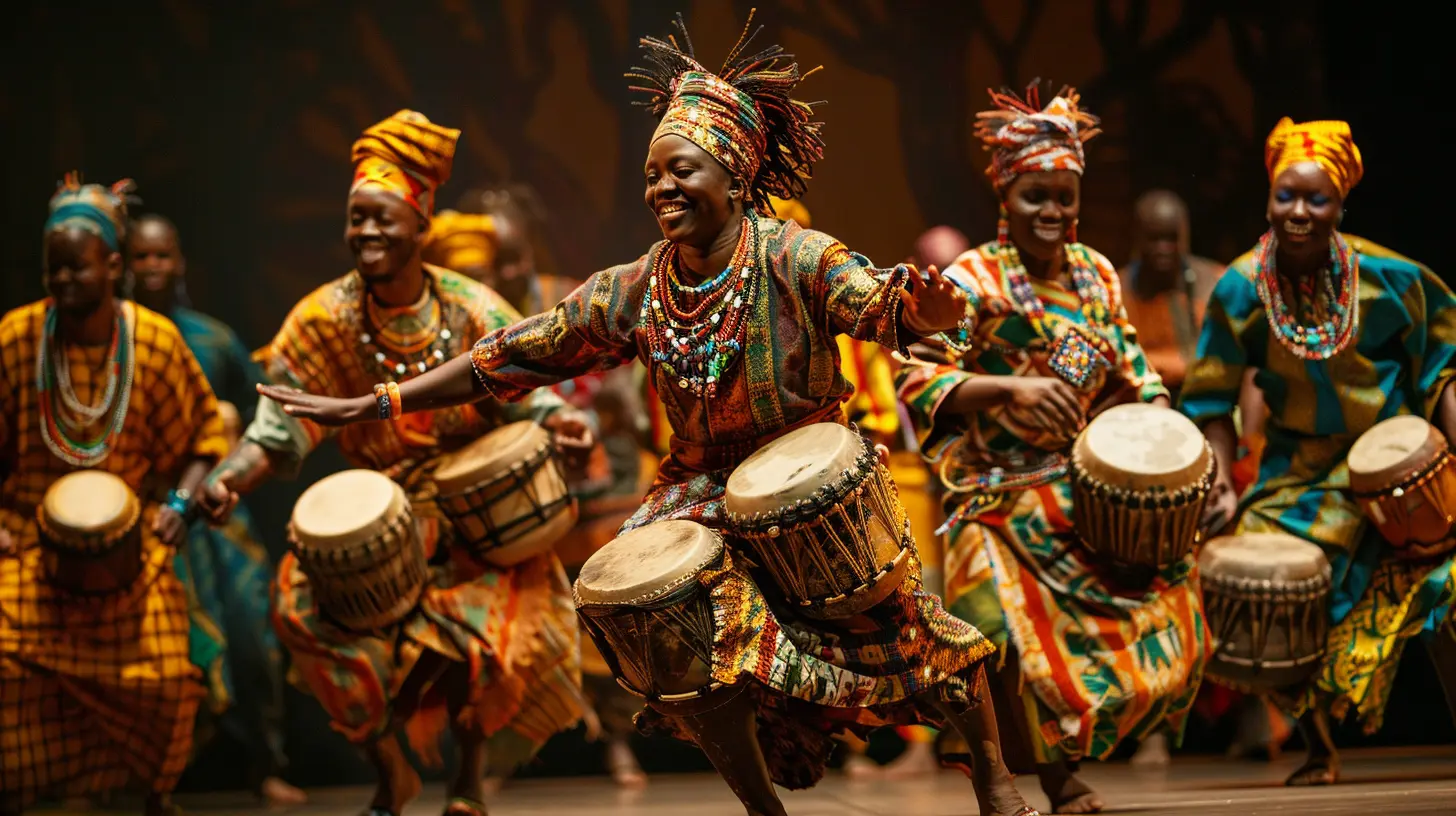
Festivals That Celebrate Dance and Music
Want to truly experience West Africa’s dance and music culture? Hit up a festival. These events are vibrant, loud, colorful, and full of soul. Here are a few that should be on your radar:1. FESPACO (Burkina Faso)
While primarily a film festival, FESPACO pulls in musicians, dancers, performers, and artists from across the continent. The streets of Ouagadougou come alive with spontaneous dance circles and drum jams.2. Lake of Stars Festival (Ghana)
Originally from Malawi, this art and music fest now tours through various African countries. Ghana’s version is a must-visit for Afrobeat lovers.3. Festival sur le Niger (Mali)
Set along the Niger River in Ségou, this festival blends modern music with traditional performances. One moment you’re swaying to Malian blues, the next you’re in awe of a centuries-old dance ritual.4. Calabar Carnival (Nigeria)
Tagged as "Africa’s biggest street party", this month-long December celebration is a riot of color, choreography, and culture. Think Rio Carnival — with a West African twist.Afrobeat and Afrobeats: Same Roots, Different Fruits
While traditional West African music is gold, the modern soundscape is just as rich. Enter Afrobeat (yes, with no 's') and Afrobeats (yep, with an 's'). Confused? Let’s break it down:Afrobeat (No 'S')
Pioneered by the legendary Fela Kuti in the 1970s, Afrobeat blends traditional Yoruba rhythms with jazz, funk, and highlife. It’s not just music — it’s political, rebellious, spiritual. If James Brown had a musical love child in Nigeria, it’d be Afrobeat.Afrobeats (With an 'S')
This is the modern, more mainstream cousin. Think Wizkid, Burna Boy, Tiwa Savage, and Davido. It’s danceable, radio-friendly, and rooted in West African rhythm, but with influences from R&B, reggae, and hip-hop.Whether it’s old-school activism or modern club beats, the rhythm journey always begins in West Africa.
Learn the Moves: Dance Workshops for Visitors
Want to do more than watch? Many local schools offer short-term dance and music lessons for travelers. Here’s what to expect:- Drum Lessons: You’ll learn to strike different tones — bass, tone, and slap — and maybe even jam with a full djembe ensemble.
- Dance Classes: Usually held outdoors, barefoot, and with a live drum circle. It’s raw, real, and incredibly liberating.
- Kora or Balafon Lessons: More suited to the musically curious. These instruments are challenging, but oh-so-rewarding.
Some of the best places to learn include:
- École des Sables (Senegal) – A renowned school for contemporary and traditional African dance.
- N’Goni House (Mali) – Offers music workshops centered on kora and percussion.
- Afro Dance Academy (Ghana) – Perfect for learning Azonto, Kpanlogo, and other upbeat dance styles.
Honestly, nothing makes you feel more connected to a place than moving to its rhythms with the locals. You'll return with sore muscles and a full heart.
Music and Dance Are More Than Art — They're Life
What’s truly special about West African music and dance is how deeply personal and communal it is. It’s not meant to be performed in quiet concert halls or watched silently from a seat.You’ll find it at weddings, markets, funerals, ceremonies, or even just a lazy evening with neighbors. It’s spontaneous, alive, infectious. Even if you don’t understand the lyrics or steps, the energy is universal.
Tips for Experiencing Music and Dance in West Africa
Okay, so you’re sold. You want to pack your bags and chase the rhythm. Here are a few quick tips to make the most of it:1. Say Yes: If someone invites you to dance, go for it. You don’t have to be perfect.
2. Respect the Culture: Some performances are sacred. Always ask before filming or posting online.
3. Dress Comfortably: Dancing can get sweaty. Loose clothes and good vibes are the ideal combo.
4. Take a Workshop: Even a one-hour class will help you understand and appreciate the music more deeply.
5. Ask Questions: Locals love to share their culture. Show curiosity and you’ll be welcomed with open arms.
Final Thoughts: Let the Rhythm Move You
West Africa doesn’t just play music — it breathes it. The drums don’t just keep time — they keep stories. The dances aren’t just expressions — they’re identities in motion.So, if a part of you longs for deeper connection, if you're curious about rhythms that shaped the world, or if you simply want to feel alive in a new, soulful way — this is your sign.
Pack light. Bring curiosity. Let the music lead.
And maybe next time you hear a drumbeat, you won’t just tap your foot. You’ll dance like your spirit’s been waiting its whole life to move.
all images in this post were generated using AI tools
Category:
Cultural ToursAuthor:

Shane Monroe
Discussion
rate this article
2 comments
Gabrielle Long
Thank you for this captivating article! The rich dance and music traditions of West Africa are truly fascinating. I appreciate how you highlighted the cultural significance behind each performance. I can't wait to explore these vibrant experiences firsthand!
January 19, 2026 at 5:31 AM
Shane Monroe
Thank you for your thoughtful comment! I'm glad you enjoyed the article and appreciate the cultural significance of West African traditions. Enjoy your exploration!
Milena Bellamy
This article beautifully highlights the vibrant cultural tapestry of West Africa. By exploring its dance and music traditions, readers can gain insight into the region's rich history and communal values.
December 11, 2025 at 3:53 PM
Shane Monroe
Thank you for your kind words! I'm glad the article resonated with you and captured the essence of West Africa's rich cultural heritage.