Experiencing Holi: The Festival of Colors in India by 2027
15 May 2026
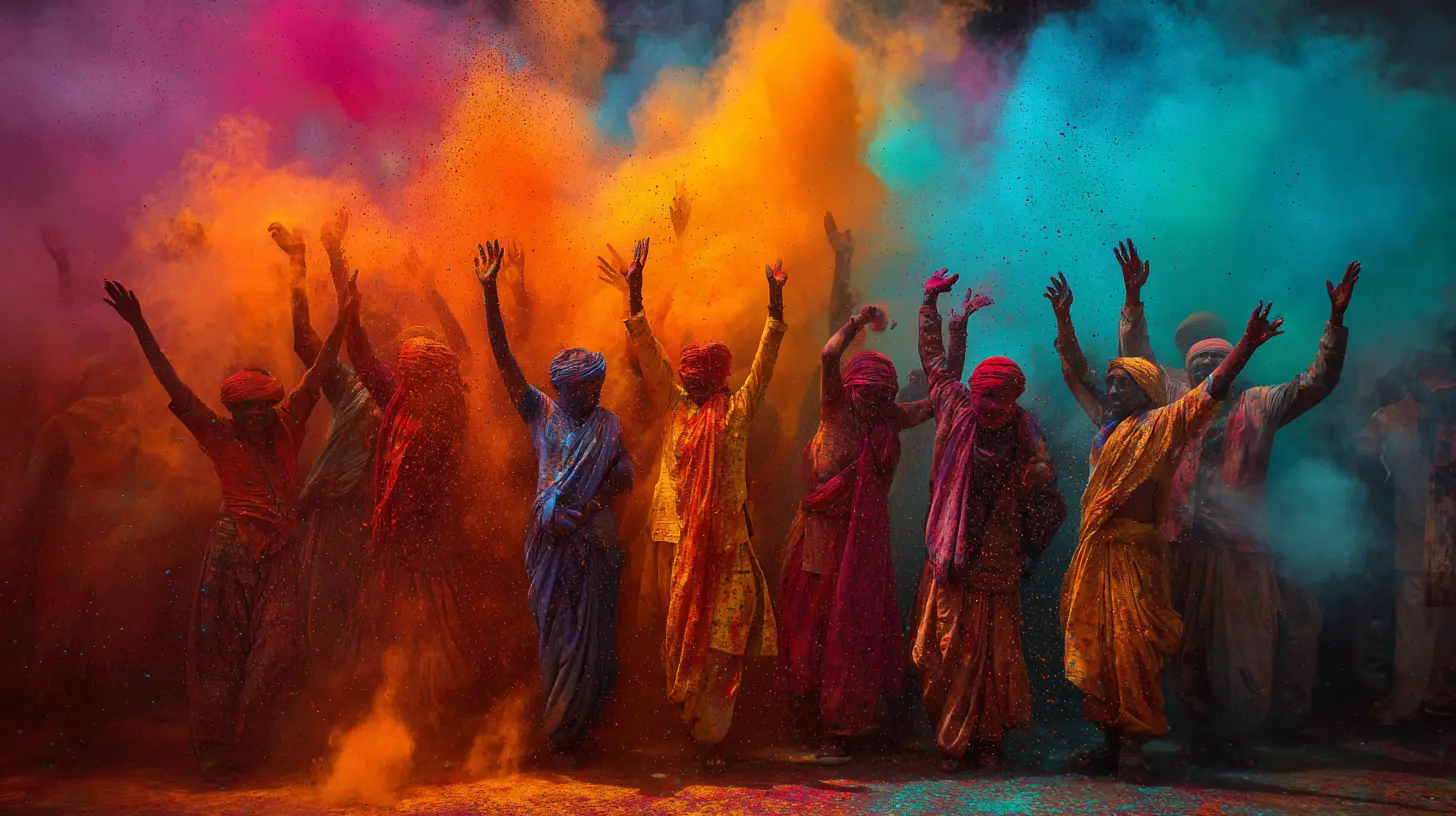
Picture this: you're standing on a rooftop in a small town in Uttar Pradesh, the morning sun just peeking over the horizon. Below you, the streets are quiet, still damp from last night's sweeping. Then, at exactly 8:00 AM, the silence shatters. A kid on a bicycle hurls a fistful of bright pink powder at his friend. Someone turns up the Bollywood beats. Within minutes, the whole lane is a blur of blue, yellow, green, and red. That is Holi. Not the sanitized version you see in hotel brochures, but the real, messy, joyful chaos that happens every spring.
But here's the thing: by 2027, that chaos is going to look a little different. India is changing fast, and so is its most famous festival. If you are planning to experience Holi in India by 2027, you are not just booking a trip to see colors. You are stepping into a living, breathing celebration that is balancing ancient traditions with modern realities. Let me walk you through what it will really be like, where to go, what to avoid, and how to not end up covered in regret along with the gulal.
The Shift: Why 2027 is a Pivotal Year for Holi
Holi has always been about letting loose. For one day, the rules of caste, class, and age melt away. A bank manager gets drenched by his peon. An old woman chases a teenager with a bucket of colored water. It is beautiful anarchy. But by 2027, two big forces are reshaping this anarchy: tourism and sustainability.First, the tourism angle. India is on track to see a record number of foreign visitors in 2027, thanks to improved visa policies and a post-pandemic travel boom. Holi is the crown jewel of cultural tourism. That means major cities like Delhi, Jaipur, and Vrindavan will be packed with travelers. The upside? More organized events, better safety measures, and English-speaking guides. The downside? The raw, spontaneous vibe might get diluted in the big tourist hubs.
Second, sustainability. The Indian government and local NGOs are pushing hard for eco-friendly Holi. By 2027, synthetic chemical colors that burn your skin and stain rivers blue are becoming taboo. You will see more vendors selling natural colors made from turmeric, beetroot, and indigo. Water balloons? They are getting banned in many towns because of water scarcity. Instead, people are using dry powders and flower petals. This is good news for your skin and for the planet. But it also means the classic "water fight" Holi you see in movies is being replaced by a gentler, more colorful affair.
Where to Experience Holi in 2027: The Insider's Guide
Not all Holi celebrations are created equal. Here is the honest breakdown of where you should go, depending on what you want.1. Mathura and Vrindavan: The Gold Standard
If you want the deep, spiritual, and visually overwhelming version of Holi, head to the birthplace of Lord Krishna. By 2027, these twin cities will have upgraded their infrastructure. You will find better guesthouses, more public toilets, and dedicated viewing platforms for the famous "Phoolon ki Holi" at the Banke Bihari Temple. That's the one where priests shower devotees with flower petals instead of powder. It is surreal.
But be warned: the crowds are insane. I am talking shoulder-to-shoulder, can't-move-your-arms crowded. If you have claustrophobia, skip the temple events and watch from a rooftop cafe. Also, the narrow lanes of Vrindavan get chaotic. My advice? Hire a local guide who knows the back alleys. They will get you into the best spots without you getting lost or trampled.
2. Jaipur: The Photographer's Dream
Jaipur does Holi with style. The city's heritage hotels and palaces host exclusive Holi parties for guests. By 2027, expect these to be even more polished. You can enjoy a curated experience with traditional music, organic colors, and Rajasthani thalis. The famous "Elephant Festival" (where elephants are painted and paraded) is a big draw, though animal rights activists have been protesting it. By 2027, the event may be more regulated or replaced by a human parade. Check the local news before you book.
The real magic in Jaipur, though, is the evening. After the color fight, everyone cleans up and heads to the bazaars for "Holi Milan" gatherings. You will see families offering sweets and cold drinks to strangers. It is the most welcoming part of the festival.
3. Goa: The Beach Party Holi
Not everyone wants a spiritual experience. Some just want to party. Goa delivers. By 2027, the beach shacks in North Goa will host massive Holi raves with DJs, UV colors, and foam parties. Think of it as a hybrid between a music festival and a color run. It is fun, but it is also commercial. You won't find much tradition here. You will find drunk tourists and loud music. If that is your vibe, go for it. Just know that this is not the "real" Holi. It is Holi for Instagram.
4. Shantiniketan: The Artistic Holi
Here is a wild card. Shantiniketan in West Bengal celebrates Holi as "Basanta Utsav" (Spring Festival), started by poet Rabindranath Tagore. By 2027, this will be a sleeper hit for travelers tired of crowds. The celebration is elegant: students in yellow and orange saris sing folk songs, dance, and throw colored powder in a controlled, graceful manner. There are no water cannons or rowdy mobs. It is poetic. If you want a Holi that feels like a painting come to life, this is your spot.
The Practical Stuff: How to Survive Holi in 2027
Let me be real with you. Holi is wonderful, but it can also be overwhelming. Here is what you need to know to have a good time without losing your cool.Clothing: Wear What You Are Willing to Throw Away
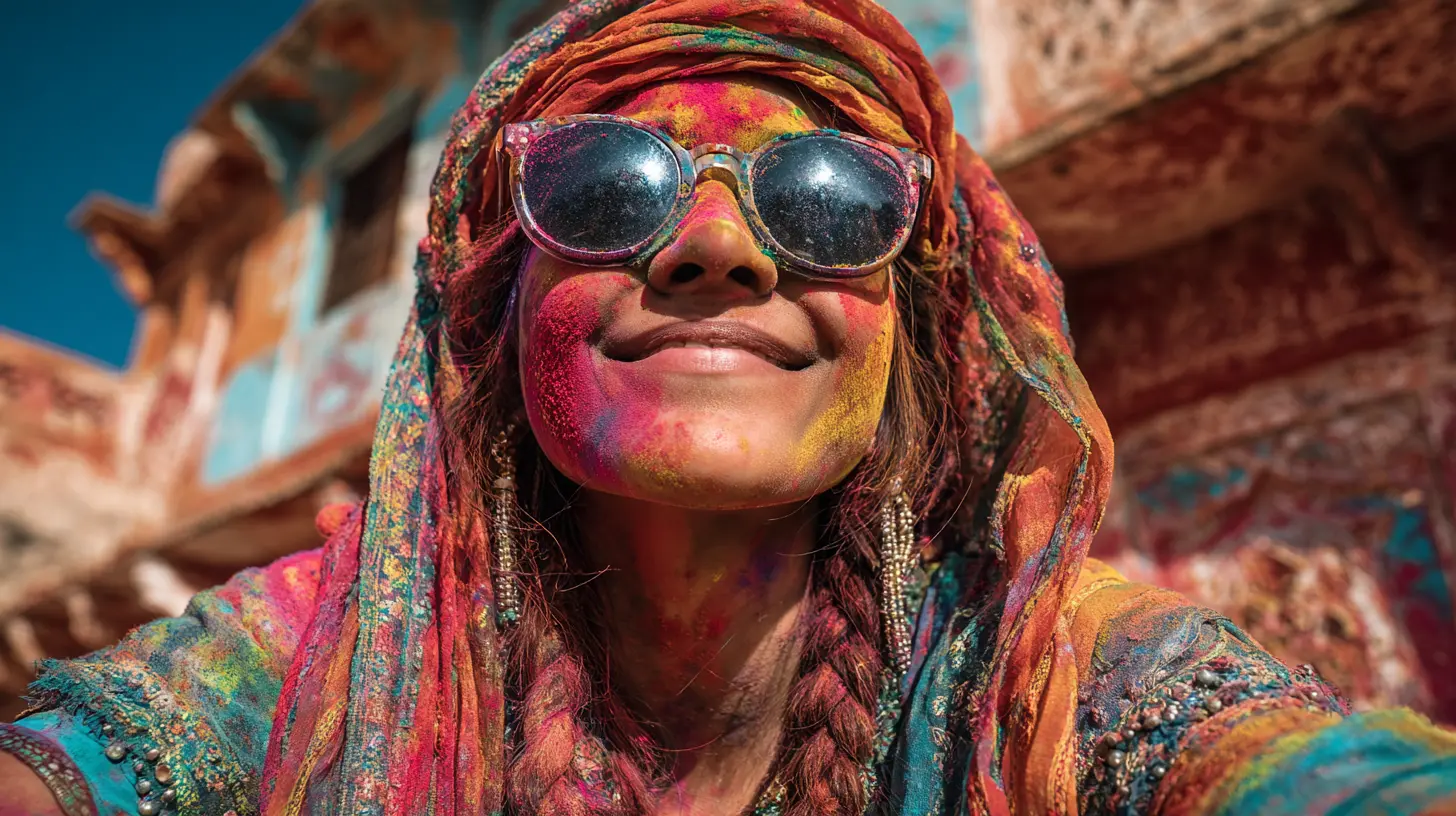
Do not wear anything you love. Seriously. Even organic colors can stain. By 2027, color-fast fabrics will be more common, but don't risk it. Wear old white cotton clothes. White makes the colors pop in photos, and it is the traditional choice. Women, wear leggings or shorts under your kurta. You will be squatting, bending, and maybe running. Dress for movement.
Skin and Hair Protection: Not Optional
Slather yourself in coconut oil or moisturizer before stepping out. This creates a barrier that makes the color slide off instead of sticking. By 2027, you will find "Holi protection kits" in tourist shops: little pouches with oil, shampoo, and aloe vera. Buy one. Also, tie your hair up. Getting color out of your scalp is a nightmare.
Safety: The Unspoken Rules
Holi is mostly safe, but there are risks. In crowded areas, there can be pickpockets. Keep your phone and wallet in a waterproof pouch under your shirt. Also, avoid groups of men who are aggressively drunk. By 2027, many cities will have "women-only" Holi events, which are a great option if you are a solo female traveler. These events are respectful, fun, and free from harassment.
Hydration: The Secret Weapon
You will be dancing, shouting, and laughing for hours. You will sweat. Drink plenty of water. But here is the trick: avoid street-side "bhang" (cannabis-infused drinks) unless you are experienced. Bhang is a traditional part of Holi, but it hits hard and fast. By 2027, there will be legal, regulated bhang shops in some states. If you try it, start with a small sip and wait an hour. Do not mix it with alcohol. Trust me on this.
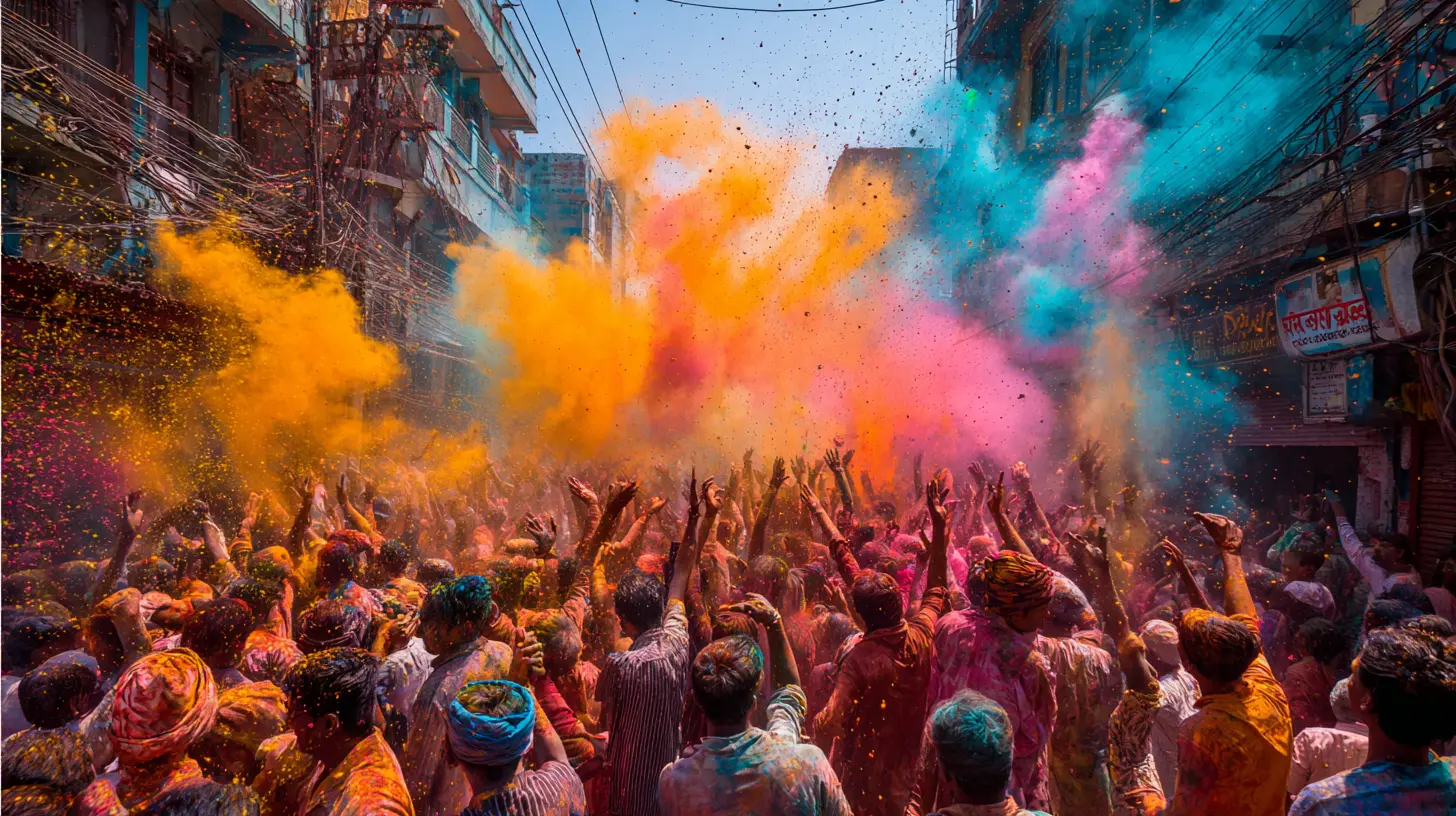
The Cultural Context: Why Holi Matters
To really enjoy Holi, you need to understand the story behind it. It is not just about throwing colors. The festival celebrates the victory of good over evil. The legend goes that a demon king named Hiranyakashipu tried to kill his own son, Prahlad, because the boy worshipped Lord Vishnu. The king's sister, Holika, had a cloak that made her immune to fire. She sat in a bonfire with Prahlad on her lap. But the cloak flew off and covered Prahlad, while Holika burned to death. That is why, on the night before Holi, you see bonfires everywhere. It is called "Holika Dahan." People throw wood, dry leaves, and even old furniture into the fire, symbolizing the burning of evil.The next day, the colors represent the joy of spring, the blooming of flowers, and the playful love between Krishna and Radha. Krishna, who had dark skin, was jealous of fair-skinned Radha. His mother jokingly suggested he color Radha's face. That is where the color fight comes from. So when someone smears your face with blue powder, they are not being rude. They are reenacting a divine prank.
By 2027, these stories will still be told. But you will also hear new narratives. Climate change is making the bonfires more controversial. Some cities are replacing wood with eco-friendly alternatives. The colors are becoming plant-based. The festival is evolving, but the core message remains: let go of grudges, forgive, and celebrate life.
The Digital Holi: Social Media and the 2027 Experience
Let's talk about the elephant in the room: your phone. By 2027, everyone will be filming everything. Holi is going to be a content goldmine. But here is a tip: put the phone down for at least an hour. The best moments of Holi are not the ones you capture on camera. They are the ones you feel. The stranger who hugs you and says "Happy Holi." The kid who shyly offers you a sweet. The moment you look up and see a cloud of pink powder against a blue sky. Those are the memories that last.That said, if you want good photos, shoot during the golden hour (early morning or late afternoon). The colors look richer. Use a waterproof case. And be prepared for strangers to grab your phone and take selfies with you. It is part of the experience.
The Aftermath: Cleaning Up and Recovery
By evening, the chaos subsides. You will be exhausted, stained, and happy. Here is how to recover. First, do not scrub your skin immediately. Let the color dry and flake off naturally. Then, use a mild soap and warm water. Do not use harsh scrubs. Your skin will be sensitive. For your hair, use a gentle shampoo and conditioner. You might still have faint pink streaks for a few days. Wear them like a badge of honor.By 2027, many hotels will offer "Holi recovery" packages: a spa treatment with milk and turmeric baths, plus a traditional meal. Splurge on this. You earned it.
Final Thoughts: Is Holi Worth It in 2027?
Absolutely. But with a caveat. Holi in 2027 will be more curated, more commercial, and more accessible than ever. That is both good and bad. The good part: it is safer, cleaner, and easier for foreigners. The bad part: it might feel less authentic in the big cities. If you want the raw, unfiltered Holi, go to a small village in Uttar Pradesh or Rajasthan. If you want comfort and convenience, stick to Jaipur or Goa.The real question is: what do you want from the festival? Do you want to dance in the streets like a kid? Do you want to connect with ancient mythology? Do you want to take stunning photos? Whatever it is, by 2027, India will have a version of Holi for you. Just come with an open mind, a waterproof bag, and a willingness to get messy. Because that is what Holi is all about. It is a day when the world turns upside down, and you get to be a child again.
So, are you ready for the colors?
all images in this post were generated using AI tools
Category:
Cultural CelebrationsAuthor:

Shane Monroe
Discussion
rate this article
1 comments
Talis Collins
What a vibrant celebration! Experiencing Holi in India is truly magical, filled with joy, color, and unity. Can't wait to see how it evolves by 2027.
June 6, 2026 at 3:02 PM