Exploring the Origins of Carnival Celebrations in 2026
15 October 2026
Carnival is one of the most recognizable festivals on the planet, yet most travelers experience it as a single week of parades, costumes, and music without ever asking where it came from. That gap between spectacle and history is exactly what makes Carnival so interesting. The celebration people encounter in Rio, Venice, Port of Spain, or New Orleans is not one tradition. It is a layered record of religious calendars, colonial economies, African resistance, European pageantry, and modern tourism policy, all compressed into a few days before Lent.
If you are planning to attend Carnival in 2026, understanding those origins changes the trip. You stop seeing random revelry and start seeing a system: why certain cities peak on specific dates, why some traditions are sacred and others are commercial, why some costumes carry legal and cultural weight, and why locals in one city will tell you that your itinerary is wrong. This guide explains the roots of Carnival, how those roots still shape the experience today, and what to consider before you book anything.
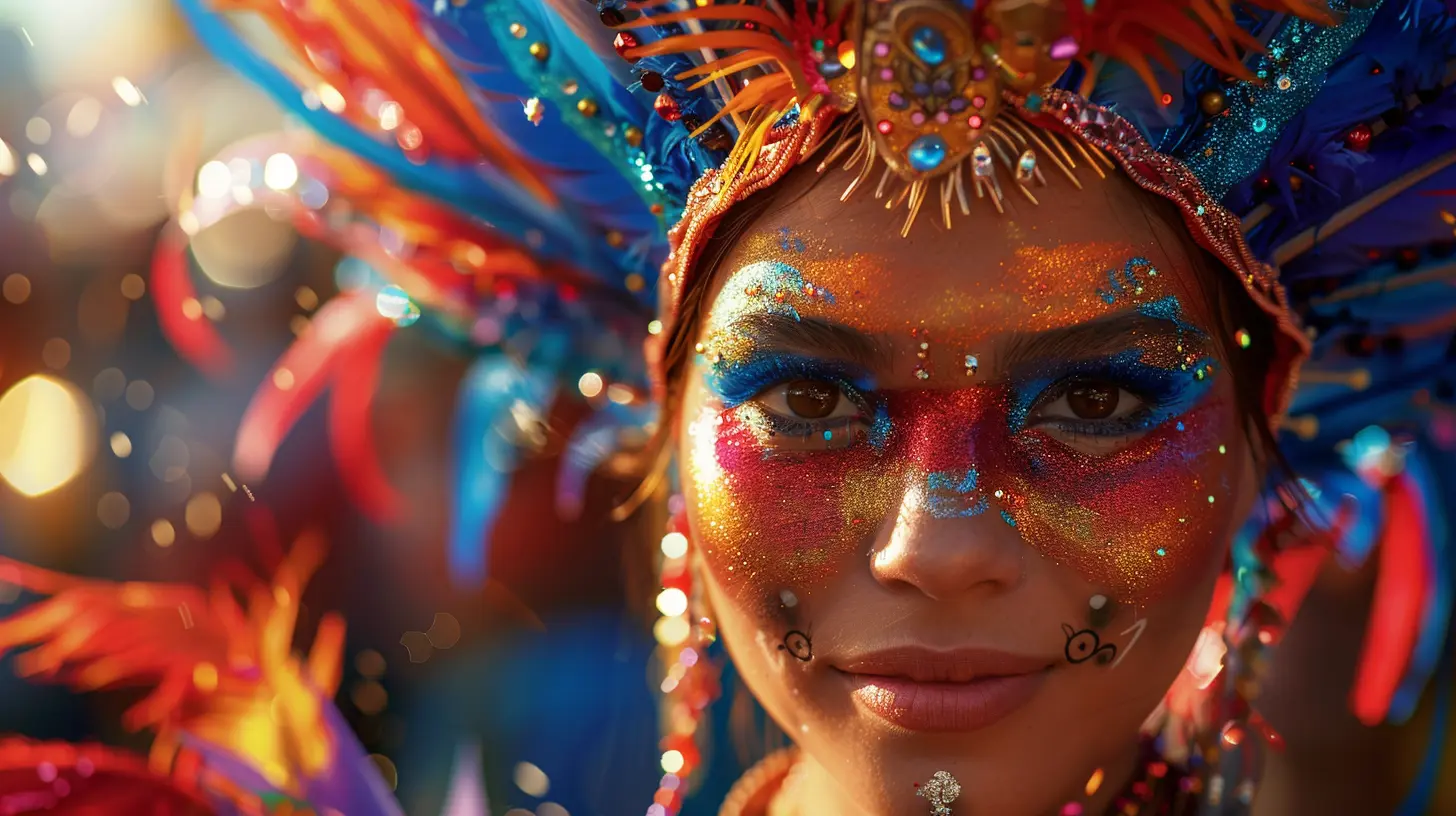
What Carnival Actually Is, and What It Is Not
At its core, Carnival is a pre-Lenten season of feasting and celebration. In Christian liturgical tradition, Lent is a period of roughly forty days of fasting, prayer, and restraint leading up to Easter. Carnival is the threshold: the last opportunity for indulgence before that period begins. The word itself is generally understood to derive from the Latin phrase meaning "farewell to meat," which aligns with the idea of using up rich foods before the fast.That religious frame matters, because it explains the timing. Carnival is not tied to a fixed date like New Year's Eve. It moves with Easter, which moves with the lunar calendar. In 2026, Easter Sunday falls on April 5. That places Ash Wednesday on February 18, and the main Carnival climax on Shrove Tuesday, February 17. This is earlier than many casual travelers expect, and it has real consequences for flights, hotel pricing, and how much time you have to plan.
What Carnival is not is a single, unified global event. Treating it as one thing is the most common mistake travelers make. Venice's Carnival is a slow, theatrical, largely indoor and street-based affair spread over weeks. Rio's is a competitive, highly organized parade system staged in a purpose-built arena. Trinidad's is a participatory street festival where the audience and the performers are the same people. Notting Hill in London is a late-summer Caribbean-rooted celebration, not a Lenten one at all. Same word, different DNA.
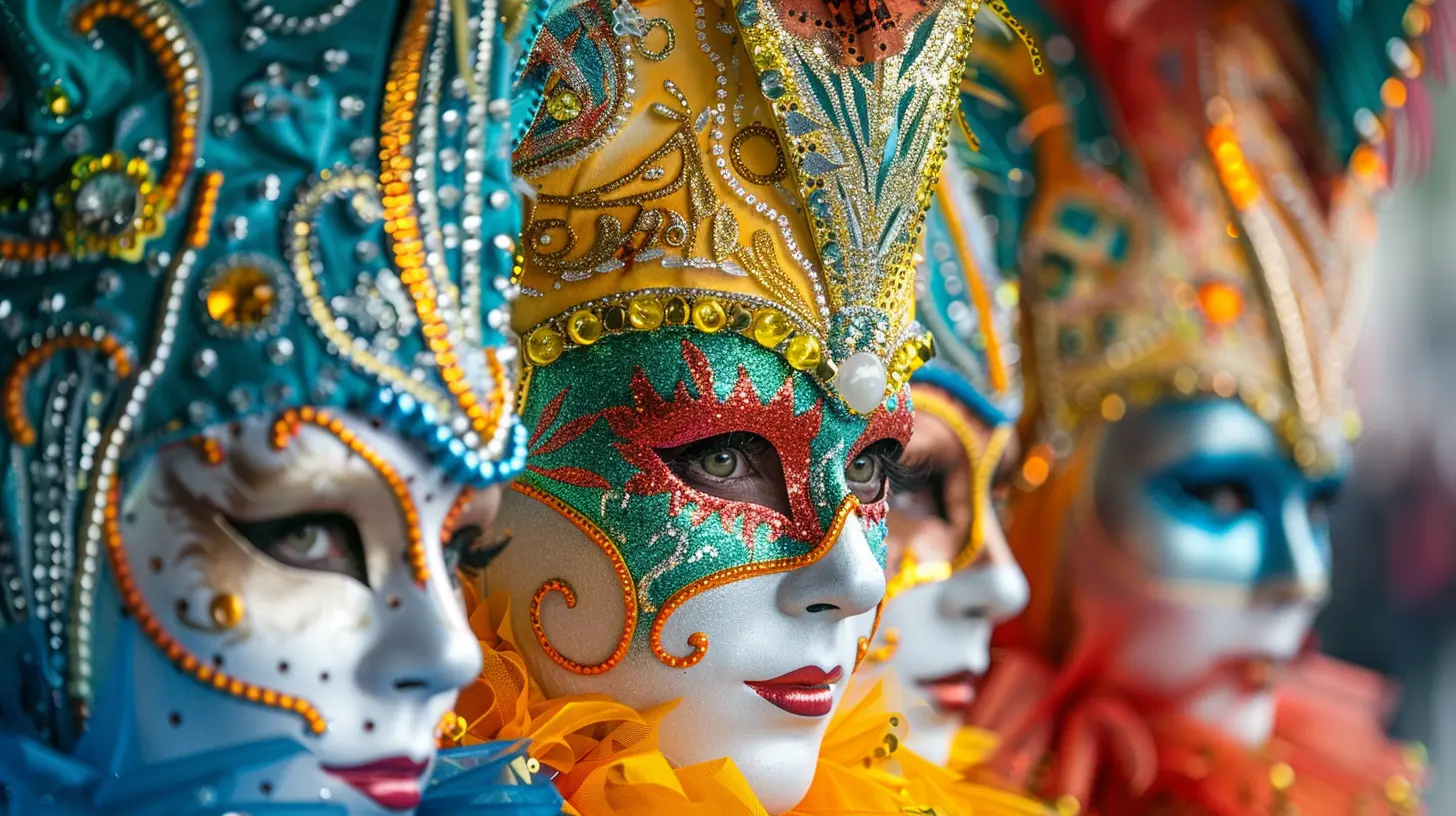
The Ancient Roots: Saturnalia, Lupercalia, and the Logic of Reversal
Long before Christianity spread across Europe, several cultures held midwinter and early spring festivals defined by social inversion. The Roman Saturnalia, held in December, temporarily suspended normal hierarchies. Enslaved people could be served by their owners. Gambling and public revelry were tolerated. Roles were flipped, then restored.The Roman festival of Lupercalia, observed in mid-February, involved purification rituals, fertility themes, and public disorder. These festivals were not Carnival. But they established a template that Carnival would inherit: a bounded period in which normal rules are suspended, followed by a return to order. Historians generally treat the relationship as one of cultural continuity and adaptation rather than direct descent, and that distinction is worth keeping in mind. Carnival did not simply replace Saturnalia. It absorbed the human appetite for licensed disorder and gave it a new calendar and a new theology.
This is why Carnival traditions so often involve masks, cross-dressing, mock royalty, and satire of public figures. The mask is not just decoration. It is a legal and social shield. When you cannot be identified, you can say and do things that would otherwise carry consequences. That function has survived for centuries and still operates today, from Venice's anonymity to Trinidad's midnight J'ouvert, where the cover of darkness and paint serves a similar purpose.
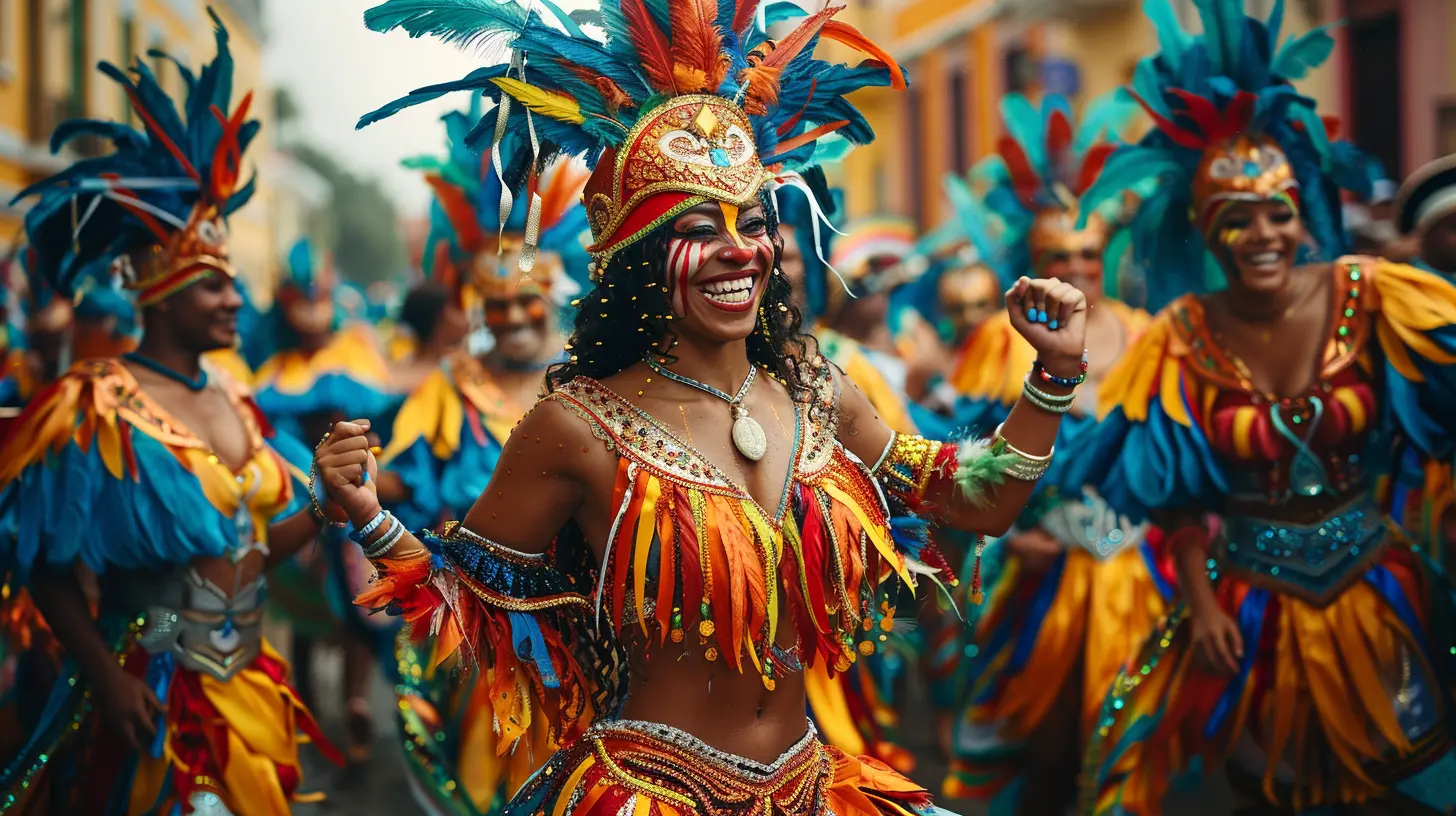
How Christianity Shaped the Calendar and the Mood
Medieval Europe formalized Carnival as the season between Epiphany and Ash Wednesday. In Catholic regions, it became a period of controlled excess: eating the foods that would spoil or be forbidden during Lent, settling debts, and celebrating before the austerity began. Cities across Italy, France, Spain, and the German-speaking lands developed their own versions, often organized by guilds and local confraternities.The mood was not purely hedonistic. Carnival was also a release valve. In societies with rigid class structures, allowing a few days of permitted disorder helped maintain stability the rest of the year. Authorities understood this, which is why they alternately tolerated and suppressed Carnival depending on how threatened they felt. When Carnival got too politically pointed, it was banned. When it was useful for social cohesion, it was funded.
Venice is the clearest example of this dynamic. Its Carnival grew into a sophisticated masquerade culture in the eighteenth century, then was effectively shut down under Austrian rule and later revived in the modern era as a cultural tourism draw. The Venice you see today is a reconstruction with genuine historical roots, not an unbroken continuous tradition. Knowing that helps you appreciate it without romanticizing it.
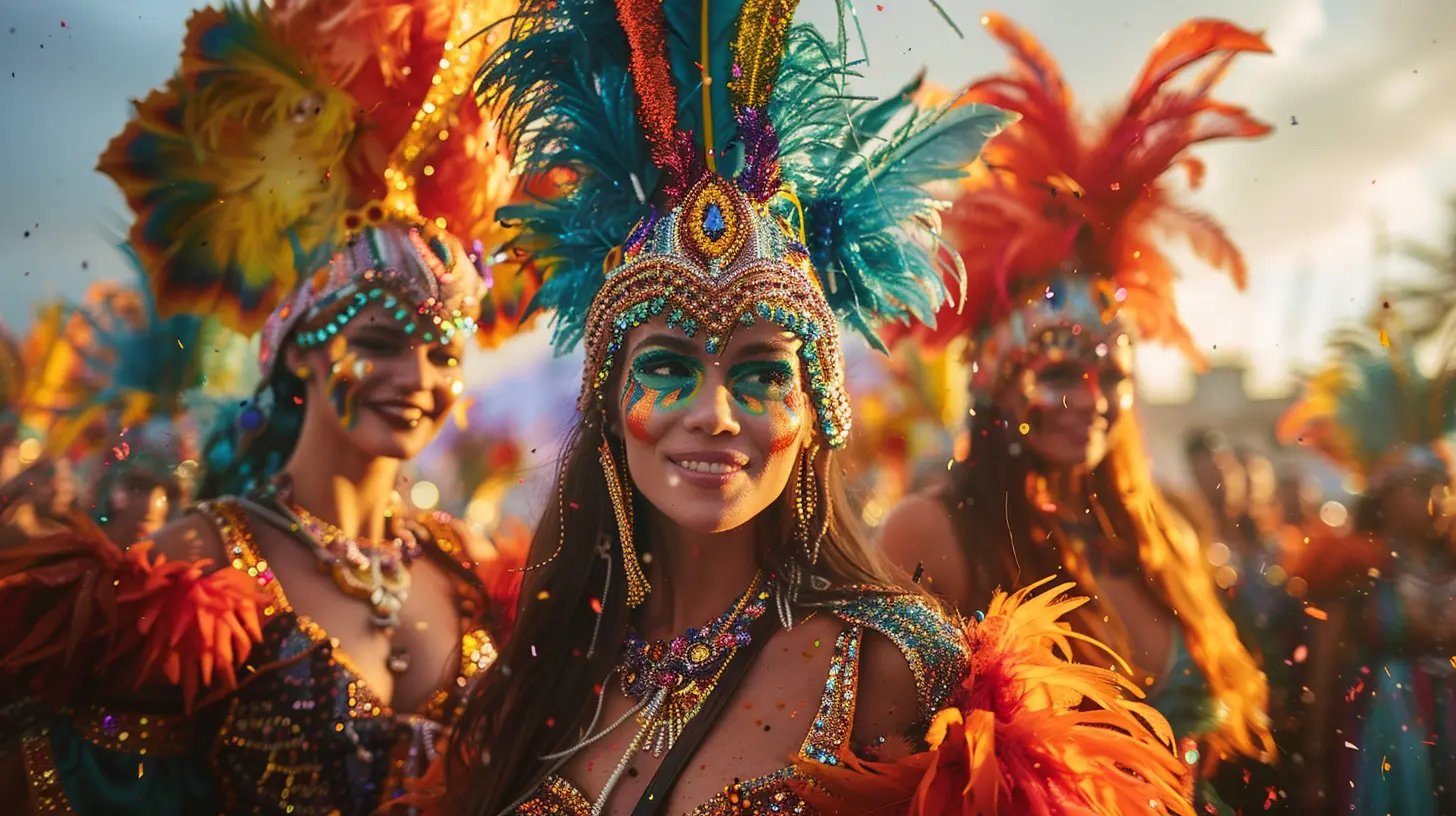
The Atlantic Crossing: How Carnival Became Caribbean and Latin American
European colonizers brought Carnival to the Americas, but the version that emerged there is not a copy. It is a transformation, and the transformation is the story.In the Caribbean, enslaved Africans were initially excluded from the elite European masquerades. They created their own celebrations, often on the same days, blending West African masking, drumming, and processional traditions with the European calendar they were forced to observe. After emancipation, these traditions moved into the open and became the dominant form of Carnival.
Trinidad is the most instructive case. Its Carnival incorporates calypso, soca, steelpan, and specific character traditions with African and French Creole roots. J'ouvert, the predawn opening, is a deliberate inversion: mud, oil, and paint instead of ornate costumes, chaos instead of choreography. It happens before the polished parade because that is the point. The order is intentional.
Brazil followed a different route. Rio's Carnival developed through Portuguese colonial traditions, African religious and musical practices, and later samba schools, which formed in the early twentieth century as community organizations. Those schools are not just parade groups. They are year-round neighborhood institutions that fundraise, build floats, and compete for a title. The competitive structure is what makes Rio's parade so elaborate, and it is also why attending is more like watching a championship than joining a party.
New Orleans sits somewhere between. Its Mardi Gras draws on French Catholic settlement, Creole culture, and African American masking traditions. The krewes, which are private organizations that build floats and stage parades, function as social clubs with long histories and, in some cases, complicated legacies around exclusion. The Zulu Social Aid and Pleasure Club and the Baby Dolls tradition are examples of how Black New Orleanians claimed and reshaped the celebration.
Why the Same Festival Looks Completely Different in Different Cities
The differences are not random. They follow a few variables.Who controls the event. In Rio, samba schools and a league structure control the main parade. In Trinidad, individual mas bands and pan yards drive it. In Venice, the city and commercial operators stage it. In New Orleans, private krewes run parades under city permits. Whoever controls it decides who gets to participate, how money flows, and what the audience experience looks like.
Whether you watch or join. Rio's Sambadrome is a ticketed spectator venue. Trinidad's streets are open to anyone willing to pay for a costume, and many people just walk alongside. This single difference determines your budget, your physical demands, and your sense of belonging.
How religious the local culture remains. In some cities, Carnival is still tightly bound to parish life and Lenten observance. In others, it is primarily a cultural and tourism event. Both can be authentic, but they require different behavior from visitors.
How long it lasts. Venice runs for weeks. Rio's main parades span two nights with a champions' parade afterward. Trinidad's core is two days. New Orleans is roughly two weeks of parades with a final crescendo. Planning a trip without knowing this leads to arriving after the best part or burning out before it.
Carnival 2026: What the Calendar Means for Travelers
Because Easter falls on April 5 in 2026, the Carnival climax lands on February 16 and 17, with Ash Wednesday on February 18. This is early, and early means cold in the Northern Hemisphere and peak-season pricing in the Southern Hemisphere.Practical implications:
- Book flights and lodging earlier than usual. Early February dates collide with winter travel patterns in Europe and North America, and with summer in Brazil. Both push prices up.
- Check school holiday overlap. Some regions schedule breaks around Carnival, which affects domestic travel demand.
- Expect weather variation. Venice in February is cold, damp, and prone to fog, which is atmospheric but hard on costumes. Rio in February is hot and humid with frequent rain. Trinidad is warm and breezy. New Orleans is unpredictable, ranging from mild to genuinely cold.
- Plan for recovery time. If you attend multiple days of parades, you will need rest. Build it in.
Common Misconceptions Worth Correcting
"Carnival is one big party everywhere." It is not. Some events are deeply religious in origin and tone, and treating them as a backdrop for drinking is disrespectful and, in some places, unsafe."You can show up and figure it out." In Rio, Sambadrome tickets sell out. In Trinidad, popular mas bands close registration months ahead. In New Orleans, hotel rooms near parade routes vanish early. Improvisation works for some things, not these.
"Costumes are optional." In participatory Carnivals, they often are not. Showing up without a costume to a mas band's section can mean you are not part of it. In spectator Carnivals, elaborate costumes are for performers, and visitors wearing them can look out of place.
"It is all commercialized now." Some of it is. Much of it is not. The commercialization varies by city and by which part of Carnival you attend. J'ouvert in Trinidad is not a corporate product. A Venetian ball often is.
"Carnival is safe if you are careful." Petty theft, pickpocketing, and occasional violence are real concerns in crowded festival environments. The honest advice is to travel in groups, keep valuables minimal, know your route home, and follow local guidance rather than assuming.
How to Choose Where to Go
There is no single best Carnival. There is a best Carnival for what you want.If you want spectacle and structure: Rio. The Sambadrome parade is unmatched in scale. Trade-off: you are a spectator, tickets are expensive, and the city is crowded and hot.
If you want to participate: Trinidad and Tobago. You buy a costume, join a band, and play mas on the street. Trade-off: it is physically demanding, and you need to commit early.
If you want atmosphere and history: Venice. The masks, balls, and architecture are singular. Trade-off: it is cold, expensive, and more reserved than most people expect.
If you want accessibility and variety: New Orleans. Parades, music, food, and a walkable core. Trade-off: it is the most heavily touristed, and the crowds can be overwhelming.
If you want a different flavor entirely: Consider Notting Hill in London, which is Caribbean-rooted and held in August, or smaller regional Carnivals in places like Nice, Cologne, or Oruro in Bolivia, each with distinct traditions.
Best Practices for a Respectful and Rewarding Trip
1. Read up on the specific local tradition before you go. Generic Carnival advice will mislead you.2. Buy from official sources. Counterfeit tickets and unauthorized costume vendors are common.
3. Learn a few phrases in the local language. It changes how people treat you.
4. Dress appropriately for the event and the climate. Comfortable shoes matter more than you think.
5. Do not touch performers or costumes without permission. These are often expensive and personally meaningful.
6. Respect religious observances. If Ash Wednesday services are happening, do not treat them as photo opportunities.
7. Support local businesses. Street food, local artisans, and neighborhood venues keep the culture alive.
8. Have a plan for getting back. Transit systems are often overloaded or rerouted.
9. Stay hydrated and pace yourself. Multi-day festivals punish overconfidence.
10. Leave before you are exhausted. The best memories come from being present, not from lasting the longest.
The Deeper Value of Understanding Origins
When you know that Carnival grew out of a negotiation between religious authority, colonial power, African resilience, and community organizing, you stop being a passive consumer of someone else's culture. You start noticing the details: the specific drum patterns, the satirical lyrics, the way a costume references a historical figure, the fact that a parade route passes through certain neighborhoods and not others.That awareness is not academic. It is practical. It tells you when to be quiet, when to join in, when to spend money, and when to step back. It also makes the experience richer, because you are no longer just watching. You are reading a living archive of how people have claimed joy, dignity, and self-expression under difficult conditions, and how they continue to do so in 2026.
Carnival is not a relic. It is a living practice, and it changes every year. The origins explain why it exists. The present explains why it still matters. Go with curiosity, preparation, and respect, and you will come back with more than photographs.
all images in this post were generated using AI tools
Category:
Cultural CelebrationsAuthor:

Shane Monroe