How to Capture Motion and Movement in Travel Photography
5 October 2026
Let’s be real — a photo can speak volumes, but when it comes to travel photography, capturing the feeling of a place is a whole different ball game. Static postcards are nice, sure, but the real magic? It’s in the movement. Think whizzing tuk-tuks in Bangkok, flamenco dancers’ swirling skirts in Spain, or waves crashing into rugged Icelandic cliffs. Capturing motion can make your shots leap off the screen and transport someone right there with you.
But how do you actually do it? How do you turn your camera into a time-freezing, motion-catching machine? Well, buckle up — because we’re diving deep into the art of capturing motion and movement in travel photography. It's easier (and more fun) than you might think.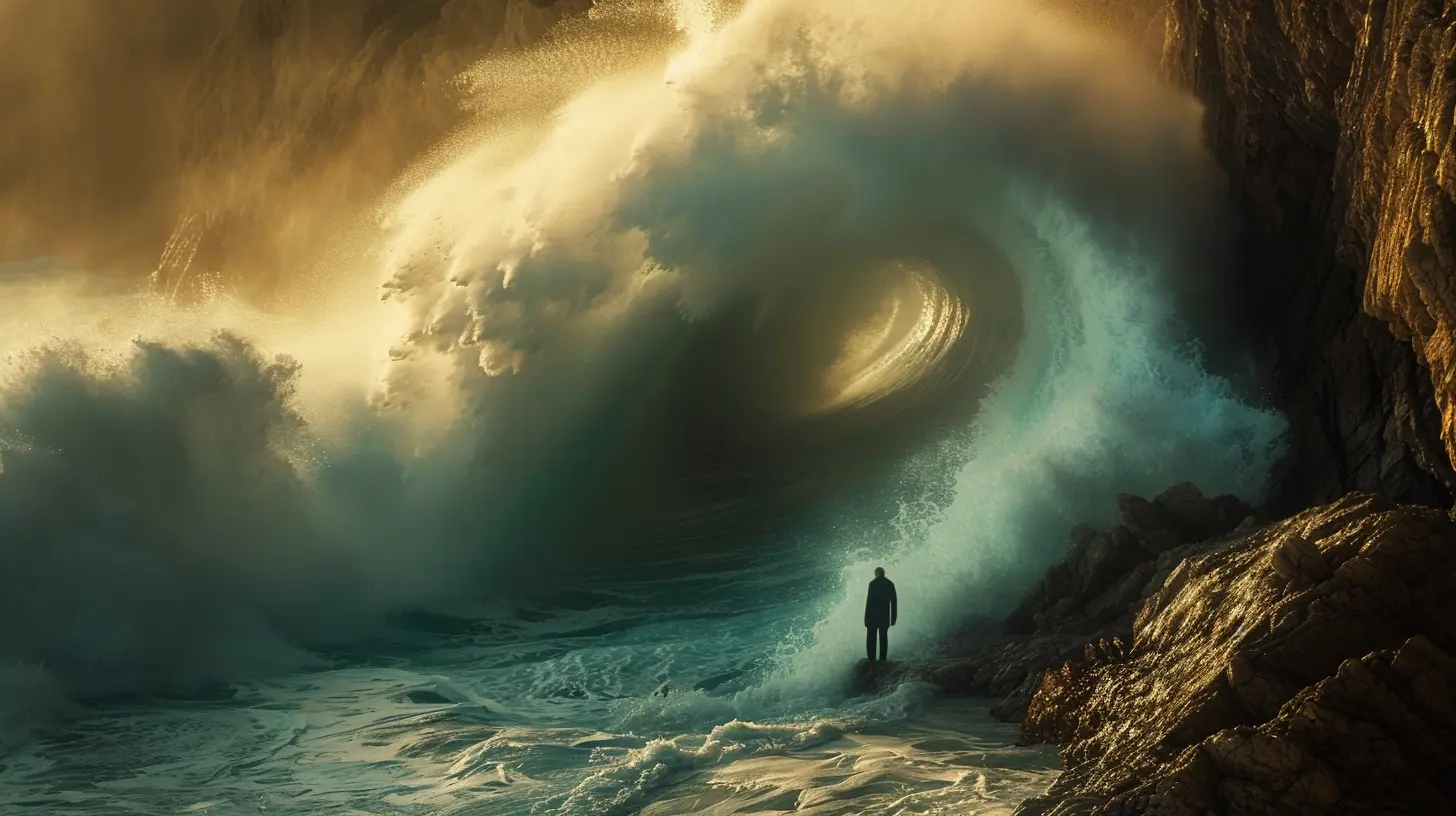
Why Movement Matters in Travel Photography
Let’s start at the core — why bother? Why not just stick with those crystal clear, perfectly still images?Well, movement adds life. It wraps the viewer in the mood and rhythm of a place. A still market scene in Morocco looks nice. But a blur of locals bustling through narrow alleys? That’s storytelling.
Movement brings:
- Energy – You can feel the pulse of a city or the chaos of a festival.
- Emotion – Whether it’s serenity in flowing water or excitement in dancing crowds, motion enhances feeling.
- Depth – Capturing movement often adds layers to your composition, leading the viewer’s eye naturally through the frame.
Mastering the Basics
Before we dive into specific techniques, let’s touch on the basics — stuff you’ll need to understand to really nail motion in travel photography.1. Shutter Speed Is Your Magic Wand
If you learn one thing today, let it be this: shutter speed controls motion. Want to freeze action? Use a fast shutter speed. Want smooth motion blur? Slow that baby down.Here’s a rough guide:
- 1/1000s or faster – Freeze fast-moving subjects (sports, wildlife).
- 1/250s to 1/500s – General street photography.
- 1/60s to 1/125s – Slight motion blur, good for showing movement without losing clarity.
- 1/30s or slower – Intentional blur (waterfalls, traffic trails, etc.)
Play around. You’ll be amazed at how the same scene feels totally different just by tweaking your shutter speed.
2. Use a Tripod (When You Can)
If you're going for slower shutter speeds to show fluid movement (like those dreamy waterfall shots), you'll need stability. Unless you're going for that artsy full-blur effect, shaky hands won’t cut it.Don’t want to lug a bulky tripod? Go lightweight or find natural stabilizers — a railing, a rock, your backpack.
Techniques to Capture Motion and Movement
Ready to start shooting like a motion master? Let’s break down a few tried-and-true techniques that professionals use. Spoiler: they’re totally doable with practice.1. Panning
Ever seen a photo where the background is motion-blurred, but the subject is crisp and clear — like a runner or a speeding car? That’s panning.Here’s how to do it:
- Set a slower shutter speed (around 1/60s to start).
- Track the moving subject with your camera.
- Move smoothly, keeping the subject in the same spot in your frame.
- Click while moving — and boom, background blur with a sharp subject.
It takes practice, but once you get the hang of it? Super satisfying.
Best For: Moving vehicles, runners, bikes, animals.
2. Long Exposure
This is where things get cinematic. Long exposures let you paint with time. Think light trails on highways, ghostly figures in crowded streets, or silky smooth water.Here’s what to do:
- Use a tripod.
- Choose a slow shutter speed (from 1/2 second to several seconds, even minutes).
- Use a narrow aperture (like f/16 or f/22) to avoid overexposure.
- Shoot during low light (dusk, dawn, or night), or use an ND filter in daylight.
Best For: Waterfalls, rivers, night markets, light trails, cloud movement.
3. Motion Blur
Not everything needs to be crisp to be compelling. Intentionally blurring your subject can emphasize speed, chaos, or dreaminess.Some quick tips:
- Use shutter speeds between 1/15s and 1/60s.
- Keep your camera steady (tripod helps).
- Let your subject move — people walking, dancers twirling, horses galloping.
Best For: Dance, busy streets, nature (wind in trees, birds in flight).
4. Freeze the Action
Sometimes you want to catch that exact moment — the jump mid-air, the splash of water, the smile breaking during a laugh. That’s where fast shutter speeds shine.Fast shutter = sharp images of fast things.
To achieve it:
- Crank up your shutter speed (start around 1/1000s).
- Open your aperture (e.g., f/2.8 or f/4) to let in more light.
- Bump up your ISO if needed, especially in low light.
Best For: Sports, wildlife, action-packed festivals.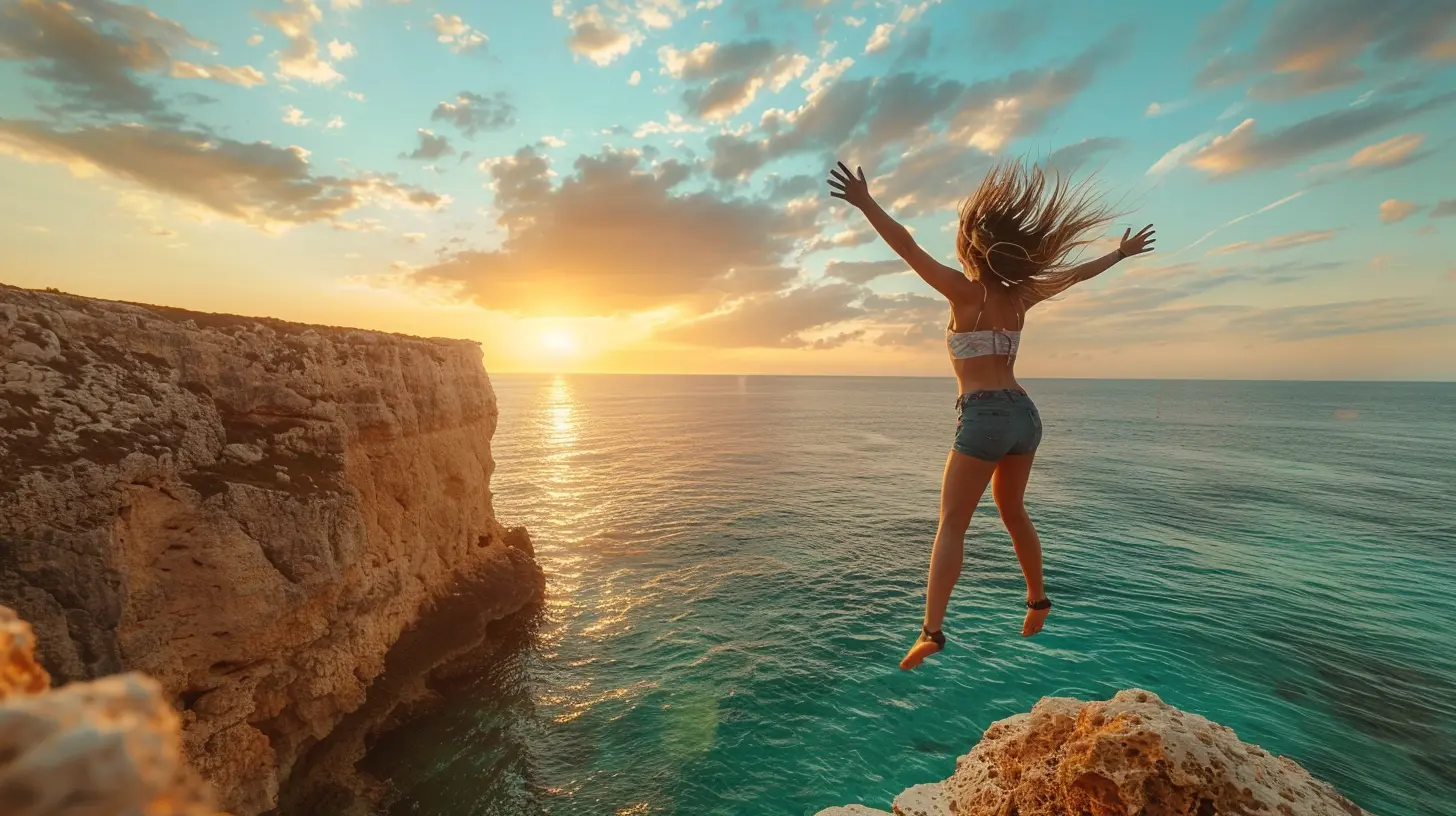
Movement in Composition
It’s not just about the blur — it’s also about how motion fits into your story. Think about how movement can guide the eye.Use Leading Lines
Streets, rivers, rails, or even footprints in the sand — these lead the viewer through your photo. Combine with motion, and you’ve got direction and story.Frame the Flow
Use natural frames (like arches, windows, or trees) to isolate your moving subject. It keeps the focus and adds depth.Embrace Negative Space
Don’t be afraid of “empty” zones. They give your moving subject room to breathe — and room to move visually.Real-Life Travel Scenarios (And How to Shoot Them)
Let’s get practical. Here are some common travel situations and how you can rock them using motion techniques.Bustling Markets
Markets are chaotic, colorful, and full of energy. Use motion blur to show the hustle and bustle.- Shutter: 1/30s or slower
- Tripod helps, or hold steady against solid surface
- Let people move naturally, don’t pose anyone
Dancing or Street Performances
Whether it’s tango in Argentina or kathakali in India, performances are bursting with motion.- Try both freeze frames (fast shutter) for dramatic gestures
- And motion blur (slow shutter) for fluidity and emotion
Water Wonders
Waterfalls, oceans, streams — water in motion is a traveler’s playground.- Use long exposure to make it silky
- ND filters help in daylight
- Add contrast with a static element (rock, bridge, person)
Festivals and Parades
Festivals are vivid, fast, and dynamic. You want to show the energy.- Use burst mode to capture multiple frames
- Try panning as dancers or floats pass by
- Don’t forget to capture crowd movement too
Gear Tips for Capturing Motion
You don’t need a $3,000 camera to get great motion shots, but a few tools definitely help.1. Camera Body
Any DSLR, mirrorless, or even a newer smartphone can handle motion with the right settings. Manual control is key.2. Lenses
Fast lenses (with wide apertures like f/1.8) are fantastic for freezing action. Zoom lenses add flexibility, especially for distant subjects.3. Tripod
Essential for long exposures. Lightweight travel tripods are compact and worth the backpack space.4. ND Filters
If you want long exposure in bright daylight (especially with water), ND filters reduce light coming in — like sunglasses for your lens.5. Remote Shutter / Timer
Avoid camera shake when using long shutter speeds by using a remote or your camera’s timer mode.Editing Motion Photography
Good news — you don’t need to be a Photoshop wizard. Small tweaks can make a big impact.Boost Contrast and Clarity
This helps your subject pop from the motion blur background.Play With Color
Motion shots can create dreamy color blends. Emphasize these during editing for mood.Crop Smart
Tighten your composition or emphasize the movement’s direction with strategic cropping.Final Tips for Motion Mastery
Before you run off chasing tuk-tuks with a tripod, here’s a quick wrap-up of what'll really help you capture motion like a pro:1. Practice makes perfect. Motion techniques take trial and error. Don’t get discouraged.
2. Be patient. Wait for the right moment — timing is everything.
3. Know your story. Think about the why behind the movement you’re capturing.
4. Stay safe. Don’t chase action into traffic or lean over railings for the “perfect shot.” Not worth it!
5. Have fun. Motion photography is an adrenaline rush. Embrace the flow, literally.
Capturing motion adds a vibrant, emotional layer to your travel stories. With a bit of practice, you can transform ordinary scenes into unforgettable moments — moments that not only show the world but make it move.
So go on — next time you’re out exploring, let your camera dance with the motion around you.
all images in this post were generated using AI tools
Category:
Photography TipsAuthor:
Shane Monroe