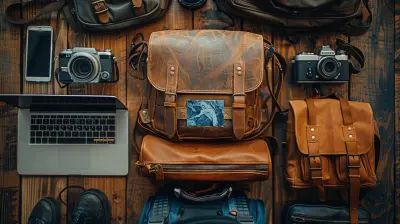
How to Respectfully Join Local Festivals as a Traveler in 2026
10 May 2026
So you are packing your bags for 2026, and you have your eye on a festival. Maybe it is Holi in India, the Day of the Dead in Mexico, or a small harvest celebration in rural Japan. You want to be part of it, not just watch from behind a rope. That is a beautiful instinct. Festivals are the heartbeat of a culture. They are messy, loud, intimate, and sacred. But here is the tricky part: how do you join without stepping on toes? How do you dance in the streets without turning a sacred moment into a photo op?
I have been that traveler. I have stood at the edge of a parade in Guatemala, holding a camera, feeling like an intruder. I have also been the one covered in colored powder in India, laughing with strangers. The difference was not luck. It was preparation and a shift in mindset. Let me walk you through how to do it right in 2026.
Why 2026 Is Different for Festival Travel
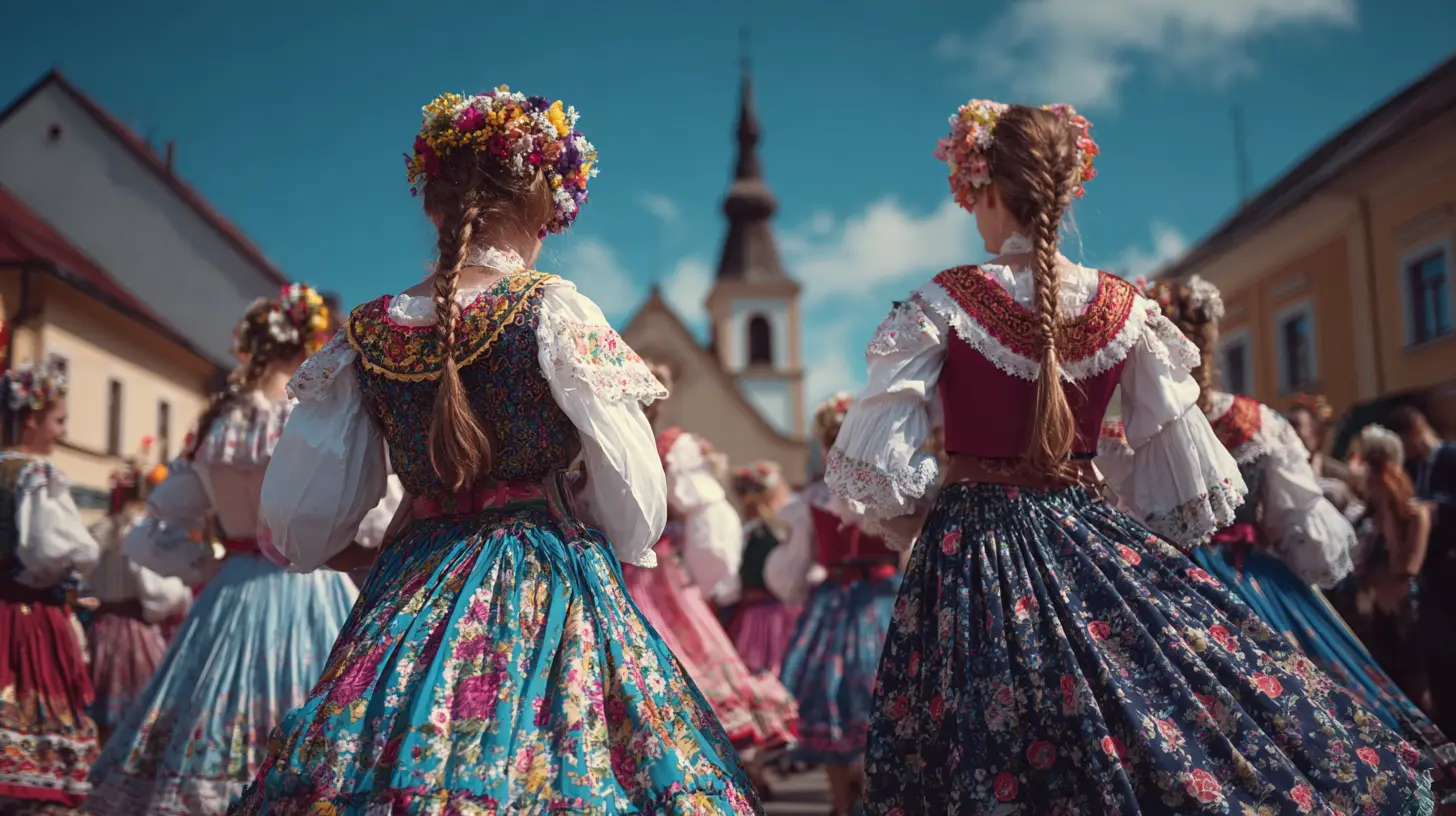
Let us be real for a second. Travel in 2026 is not what it was in 2016. The world has gotten smaller, but it has also gotten louder. Social media has turned every local event into a potential viral moment. Drones buzz over ceremonies. Influencers chase the perfect shot, sometimes trampling the very thing they came to celebrate.But here is the good news: 2026 is also the year of the mindful traveler. More people are rejecting the "bucket list" checklist and craving genuine connection. Festivals are the perfect place for that, but only if you show up with humility. The key is to treat the festival not as a performance for you, but as a community event you are lucky to witness.
Do Your Homework Before You Buy the Ticket
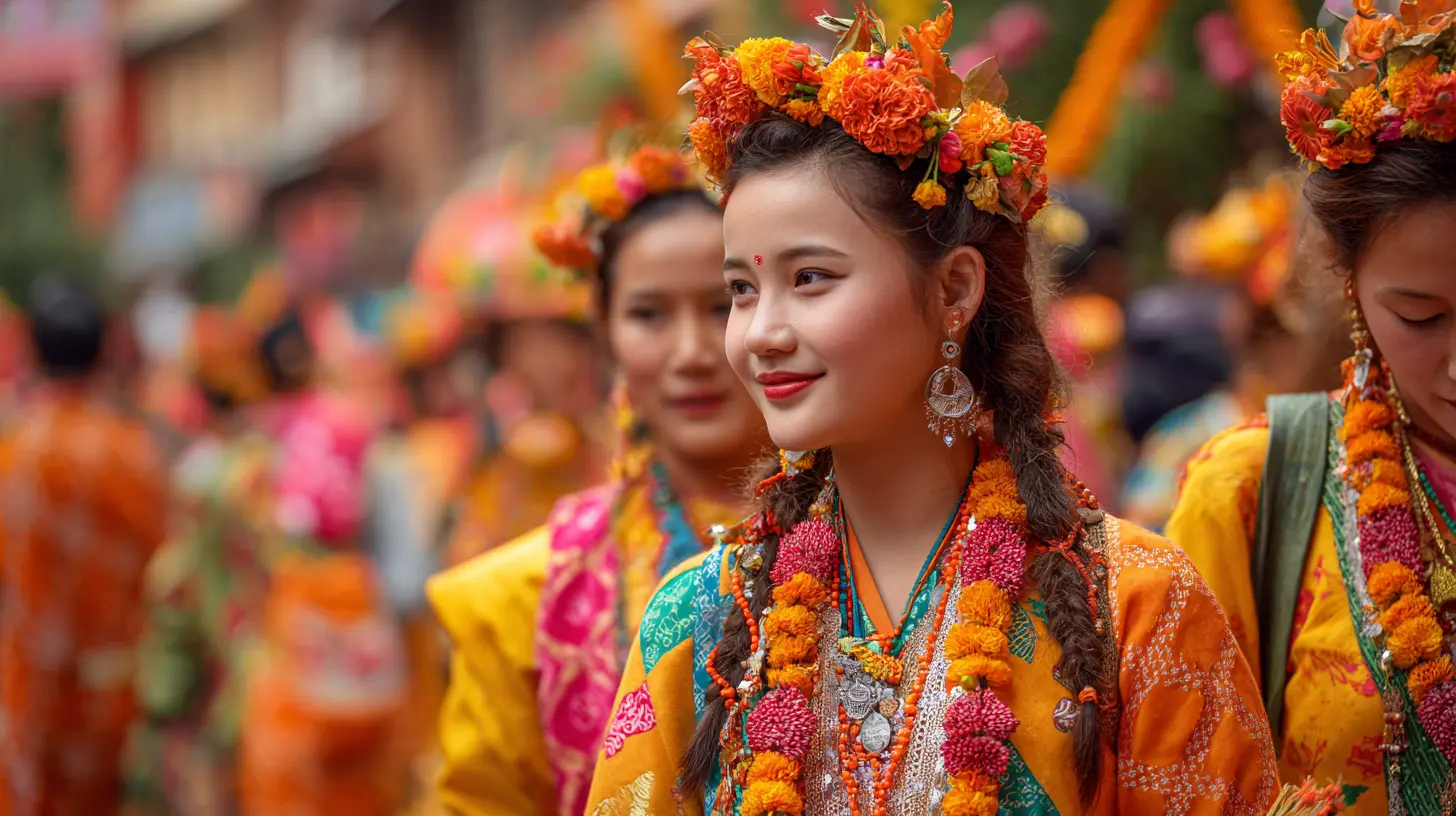
You would not show up to a wedding without knowing if it was formal or casual, right? A festival is the same. Actually, it is more serious. Many festivals have deep religious roots. Some have strict rules about who can participate in certain rituals.Start with the basics. What is the history of this festival? Is it religious, cultural, or a mix of both? Who are the people celebrating it? What does the festival mean to them? If you are eyeing the Running of the Bulls in Pamplona, understand that it is not just a thrill ride. It is tied to the Feast of San Fermin, a saint's day with religious processions. If you want to join Holi, know that it celebrates the victory of good over evil and the arrival of spring.
Do not just read a blog post. Dig into academic sources or talk to locals online. Look for forums where people from that culture discuss their festivals. You will learn things no travel guide will tell you. For example, in some parts of Bali, certain temple festivals require you to wear a sarong and sash, and women who are menstruating are traditionally not allowed to enter. That is not a suggestion. It is a rule.
The Golden Rule: Observe Before You Participate
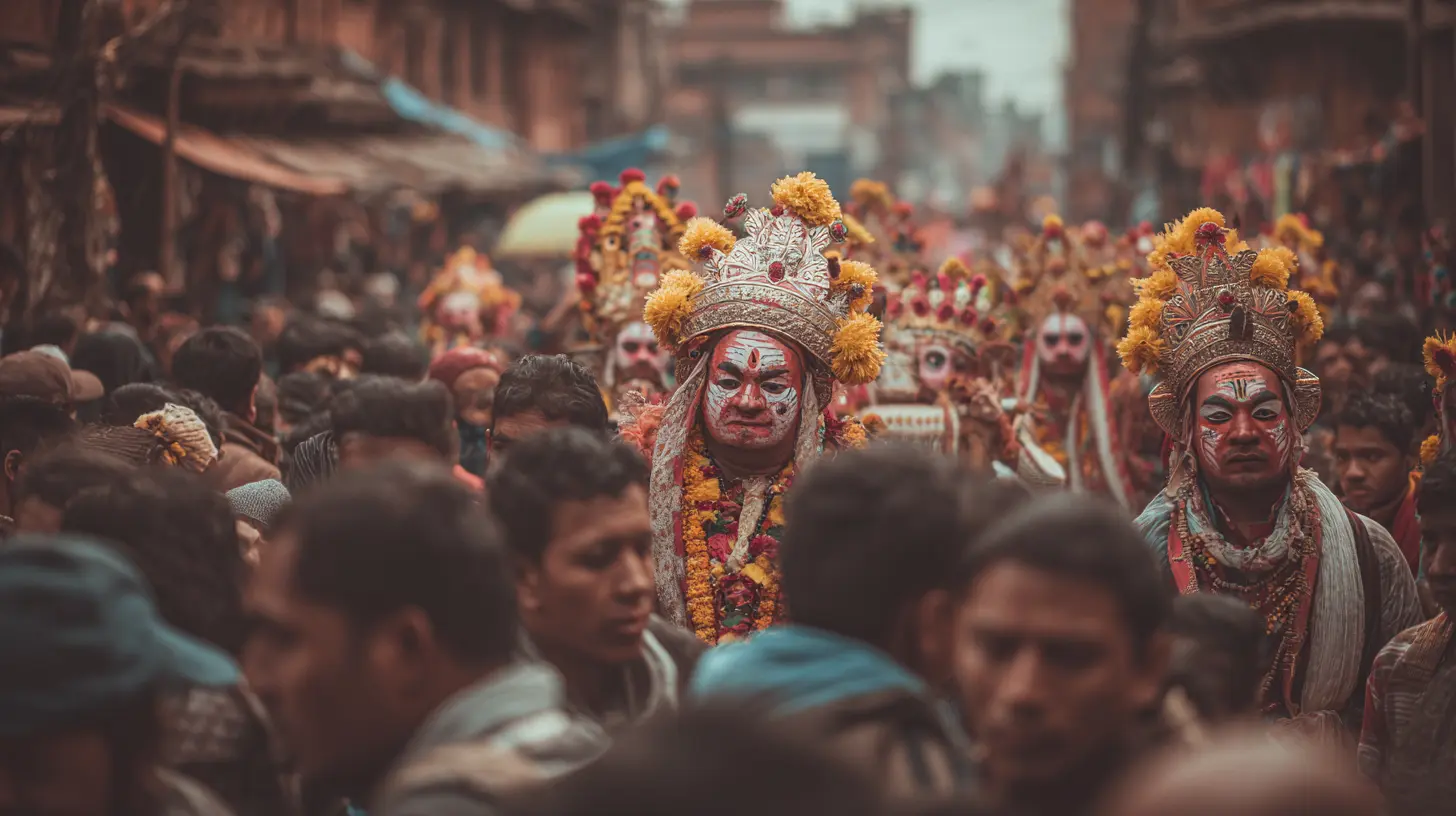
Here is a metaphor for you. Think of a festival like a swimming pool. You do not just cannonball into the deep end without checking if anyone is doing laps. You stand at the edge. You watch. You feel the vibe.When you arrive at the festival grounds, do not jump straight into the action. Find a spot on the sidelines. Watch how locals behave. Are they quiet and reverent? Are they laughing and throwing things? Are they taking photos? The first twenty minutes should be silent observation. You are a student, not a star.
I remember my first time at a lantern festival in Thailand. I saw tourists grabbing lanterns before the signal, lighting them early, and getting scolded by monks. They meant no harm, but they broke the flow. The release of the lanterns happens at a specific moment for a reason. It is symbolic. By watching first, you learn the rhythm.
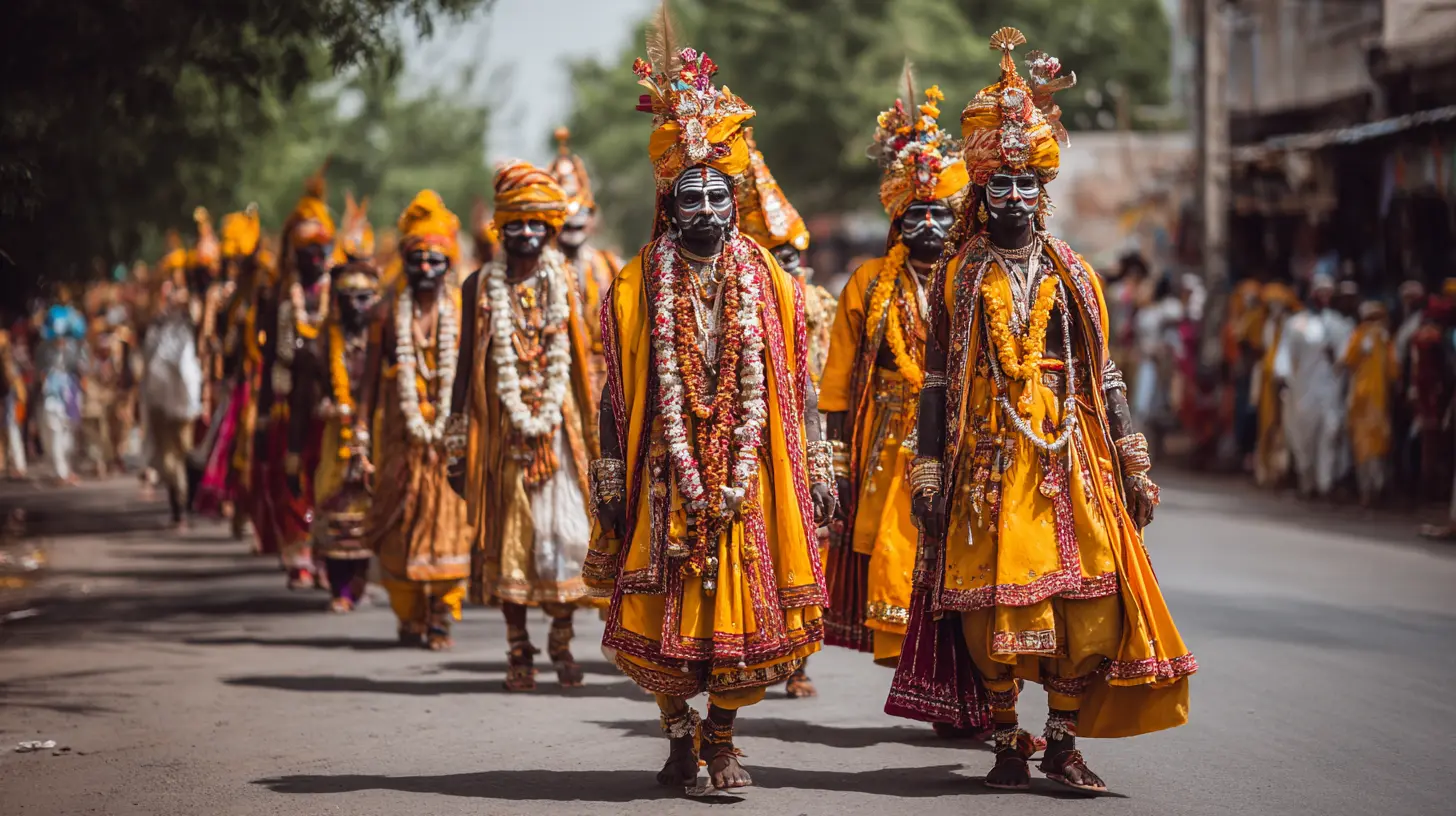
Ask Permission, Not Just for Photos
This one is huge. In 2026, everyone has a phone. Everyone wants the shot. But a festival is not a museum. It is a living, breathing event. If you want to photograph someone, especially during a sacred moment, ask with your eyes and your body language if you do not speak the language. A smile and a nod before raising your camera goes a long way.Better yet, put the camera down sometimes. I know, I know. You want memories. But the best memories are the ones you feel, not the ones you scroll through later. When you are busy framing a shot, you miss the smell of incense, the sound of drums vibrating in your chest, the taste of the street food. You miss the moment.
If someone says no to a photo, respect it instantly. Do not argue. Do not sneak a shot from behind. That person is not a prop. They are a participant in their own culture.
Dress Like You Care
This is not about being trendy. It is about respect. In many cultures, festivals are a time to dress up. Do not show up in ripped jeans and a tank top if everyone else is in traditional white or embroidered clothing. Do your research on what to wear.For example, at the Day of the Dead in Mexico, many people paint their faces as calaveras (skeletons) and wear colorful dresses. That is fine. But do not dress as a stereotypical "dead person" with gore. It is not Halloween. It is a celebration of life and memory. In Japan, during a matsuri, you might see people in happi coats. You can buy one and wear it, but do not wear a kimono incorrectly. That is a whole art form.
When in doubt, dress modestly. Cover your shoulders and knees. Wear comfortable shoes. And leave the flashy designer logos at home. You want to blend in, not stand out as a walking billboard.
Learn the Language of Participation
You do not need to be fluent, but learn a few key phrases. "Hello," "thank you," "beautiful," and "may I join?" in the local language can open doors. People appreciate the effort. It shows you are not just a tourist passing through. You are a guest.Also, learn the gestures. In some cultures, pointing is rude. In others, touching someone's head is offensive. At a festival in Bali, you might see people offering small baskets of flowers and incense. Do not step on them. They are offerings. Watch where you walk.
Respect the Alcohol and the Energy
Let us be honest. Many festivals involve drinking. Carnival in Rio, Oktoberfest in Munich, Songkran in Thailand. It is easy to get carried away. But here is the thing: you are a representative of your home country when you travel. If you get drunk and rowdy, you are not just embarrassing yourself. You are reinforcing stereotypes.Pace yourself. Drink water. Eat food. And know when to call it a night. If the locals start heading home, that is your cue too. Do not be the last person dancing alone at 4 AM unless you are genuinely invited to stay.
Also, be aware of your energy. Some festivals are high-energy. Others are more meditative. At a Tibetan Buddhist festival, loud laughter might be out of place. At a street party in New Orleans, silence is weird. Read the room.
Give Back, But Do Not Turn It Into a Transaction
You are going to consume food, drinks, and maybe buy souvenirs. That is fine. But think about giving back in a way that does not feel like charity. Buy from local vendors, not from big chains. Tip generously. If there is a donation box for the festival, drop some cash in it.Do not, however, walk into a village and start handing out money or gifts like you are Santa Claus. That creates dependency and changes the dynamic. Instead, support the festival economy. Hire a local guide. Take a workshop. Buy the handmade crafts. That is respectful participation.
Handle the "Tourist Zone" Trap
Some festivals have become so popular that they now have "tourist sections." Think of the VIP areas at Rio Carnival or the designated viewing platforms for the Running of the Bulls. These are not the real festival. They are a sanitized version.If you can, avoid them. Yes, they are convenient. Yes, they are safe. But they strip away the authenticity. Instead, find a local who will take you to the neighborhood block party. That is where the heart is. That is where you will taste the real food, hear the real music, and feel the real joy.
I once paid a local kid in Guatemala a few quetzales to take me to his family's street for the Festival de la Luna. I ate tamales made by his grandmother. I danced with his cousins. It was the best night of my trip. And I did not take a single photo.
The Exit Strategy: Leave No Trace
When the festival ends, the cleanup begins. Do not leave your trash behind. Do not abandon your beer cans in the street. If you see litter, pick it up. Leave the place better than you found it.Also, be mindful of your social media posting. Do not post photos of people without their consent. Do not caption a sacred ritual with a joke. If you are sharing, frame it with respect. Say something like "I was honored to witness this tradition" instead of "Look at this crazy thing I saw."
What About Festivals That Are Closed to Outsiders?
Here is a hard truth. Some festivals are not for you. And that is okay. Some ceremonies are private. Some are only for initiated members of a religion or community. Do not try to sneak in. Do not bribe your way in. Respect the boundary.If a festival is closed, ask yourself why. Maybe it is too sacred. Maybe the community has had bad experiences with tourists. Your job is to honor that. There are thousands of festivals in the world. You do not need to attend every single one. Let some remain sacred and untouched.
A Personal Story to Tie It All Together
Let me tell you about a festival I almost ruined. It was a small village festival in Oaxaca, Mexico. I had read about it. I was excited. I showed up with my camera, my water bottle, and my eagerness. I saw a group of men carrying a heavy platform with a statue of the Virgin Mary. They were sweating. They were chanting.I wanted to help. So I walked up and tried to grab a corner of the platform. The man next to me gently pushed my hand away. He smiled, but his eyes were firm. I stepped back. I watched. Later, I found out that only men from that specific village are allowed to carry the platform. It is a privilege passed down through families. My help was not help. It was an intrusion.
I learned that day that sometimes the most respectful thing you can do is step back. Watch. Appreciate. And let the community have their moment.
Final Thoughts for 2026
The world is changing. Festivals are becoming more global, but they are also becoming more protective. In 2026, the traveler who gets invited to the real party is the one who shows up with an open heart, a closed mouth, and a willingness to listen.Do not go to a festival to collect a story. Go to become part of one. Let the music move you. Let the food surprise you. Let the people teach you. And when you leave, carry that respect with you to the next destination.
Because at the end of the day, festivals are not about the spectacle. They are about connection. And connection requires respect.
all images in this post were generated using AI tools
Category:
Cultural CelebrationsAuthor:
Shane Monroe
Discussion
rate this article
2 comments
Layne McNaughton
This article opens up a fascinating conversation about cultural respect. How can travelers truly engage with local festivals while honoring traditions? I'm eager to learn specific do's and don'ts that ensure a meaningful and respectful experience.
May 11, 2026 at 3:08 PM
Shane Monroe
I'm glad you found it interesting! Engaging with local festivals starts with research. Do ask locals about customs, and don't assume it's all for tourists. Always show appreciation for traditions, and participate mindfully. Your curiosity is key to a respectful experience.
Angie Wyatt
Joining a local festival is like crashing a family reunion-show up with good vibes, a touch of curiosity, and maybe some snacks to share. Just remember, no one wants a party crasher in a Hawaiian shirt!
May 10, 2026 at 3:18 AM