Journey Through the World’s Most Spiritual Celebrations in 2026
27 September 2026
Spiritual travel has changed. The pandemic years pushed many people to reconsider what they want from a trip, and a growing number now plan their calendars around festivals that carry meaning rather than around beaches or museum queues. A 2026 journey built around the world's great spiritual celebrations is not a sightseeing exercise. It is an exercise in timing, patience, and cultural literacy.
This guide covers the major celebrations that fall in 2026, explains how they differ from one another, and gives you the practical reasoning you need to decide which ones fit your temperament, budget, and tolerance for crowds. It also covers the mistakes that trip planners make again and again, and the trade-offs nobody warns you about.
Why 2026 Is an Unusually Good Year for This Kind of Travel
Several major observances align in 2026 in ways that reward careful planning.Ramadan begins around February 17, 2026, which means it falls in winter for the Northern Hemisphere rather than in the long, hot days of summer. For travelers considering Egypt, Morocco, Turkey, or Indonesia, that is a meaningful difference. Fasting hours are shorter, daytime temperatures are more forgiving, and the evening atmosphere after sunset is easier to enjoy.
Kumbh Mela, the vast Hindu pilgrimage, does not fall in 2026. The next major one is scheduled for 2027 in Nashik, with the largest gathering at Prayagraj later. If Kumbh Mela is your goal, 2026 is a planning year, not a travel year. Smaller but still significant observances, including Magh Mela in Prayagraj, take place annually and offer a fraction of the crowd with much of the ritual intensity.
Holy Week and Easter fall in early April 2026, with Easter Sunday on April 5. That places Semana Santa in Seville and Holy Week in Jerusalem in spring weather rather than the heat of a late Easter.
The Hajj in 2026 is expected to fall in late May, roughly in the last week of the month, though the exact dates depend on the lunar calendar and official Saudi confirmation. Anyone planning for Hajj should treat dates as provisional until Saudi authorities publish them.
These alignments matter because spiritual festivals are not interchangeable. The experience of a festival depends heavily on season, crowd density, and how the local community balances devotion with tourism. Getting the year right is half the work.
What Separates a Spiritual Celebration From a Religious Spectacle
There is a real difference between a festival that welcomes visitors and one that performs for them. Both can be worthwhile, but they demand different expectations.A spiritual celebration is primarily for the faithful. Visitors are tolerated, sometimes warmly, sometimes cautiously. Your presence is secondary. You observe, you do not participate, and you accept that certain spaces, rituals, or timings are closed to you.
A religious spectacle has developed a tourist infrastructure around it. Tickets, viewing areas, guided explanations, and hospitality packages exist. Access is easier, but the atmosphere is more curated.
Neither is better. The mistake is arriving at a community-led pilgrimage expecting tourist amenities, or arriving at a staged event expecting raw devotion. Know which one you are choosing.
Signs You Are Entering a Community-Led Celebration
- Locals give you directions but not explanations.- Photography is restricted in specific areas without signage in English.
- Accommodation is basic and booked out months ahead.
- Religious authorities, not tourism boards, control the schedule.
Signs You Are Entering a Tourist-Ready Spectacle
- Official viewing zones and ticketed seating exist.- Multilingual signage and audio guides are available.
- Hotels and tour operators market packages around the dates.
- The event has a dedicated website with a press kit.

The Major Celebrations of 2026, Compared
Semana Santa in Seville, Spain
Seville's Holy Week is one of the most elaborate religious observances in Europe. More than sixty brotherhoods process through the city with floats depicting the Passion, accompanied by penitents, marching bands, and crowds that can reach into the hundreds of thousands on the streets.What makes it work: the brotherhoods are centuries-old civic institutions, and participation is a family inheritance. The devotion is genuine, not staged. The processions run from Palm Sunday through Easter Sunday, with the most intense nights falling on Wednesday, Thursday, and Friday.
What to consider: Seville during Semana Santa is not a relaxed city. Restaurant tables are reserved months ahead. Streets become impassable. Balcony seats are rented at significant prices, and the best routes are shoulder to shoulder by mid-evening.
Practical advice: book accommodation six to nine months in advance, ideally in the historic center within walking distance of the Cathedral. If you want a balcony view, expect to pay a premium and confirm the exact procession that passes your building, since routes shift slightly year to year.
Who it suits: travelers who value atmosphere over comfort and are willing to stand for hours.
Who it does not suit: families with young children, anyone with mobility limitations, and travelers who dislike dense crowds.
Holy Week in Jerusalem
Jerusalem hosts Holy Week observances across multiple Christian traditions, and the convergence of calendars means the city is busier than usual. The Via Dolorosa procession, the Holy Fire ceremony at the Church of the Holy Sepulchre, and services at the Garden Tomb and Bethlehem draw pilgrims from around the world.What makes it work: the geography itself. Walking the path traditionally associated with the Passion in the same week that millions of Christians worldwide observe it creates a sense of continuity that no other destination can replicate.
What to consider: security arrangements can change quickly. Access to certain sites may be restricted with little notice. The Church of the Holy Sepulchre during the Holy Fire ceremony is extremely crowded and has historically seen stampede-related incidents, so it is not suitable for everyone.
Practical advice: build flexibility into your itinerary. Confirm access rules with your hotel or a local guide the week before arrival. If you plan to attend the Holy Fire ceremony, go with someone experienced and position yourself near an exit.
Who it suits: pilgrims for whom the location itself carries meaning.
Who it does not suit: travelers who need predictable schedules.
Ramadan Across the Muslim World
Ramadan in 2026 falls in winter for the Northern Hemisphere, which changes the travel experience considerably. In Cairo, Istanbul, Marrakesh, and Jakarta, the daily rhythm shifts: businesses open later, restaurants close during daylight, and the social life of the city moves to the hours after sunset.What makes it work: the iftar meal, when families and communities break the fast together. In cities like Istanbul, public iftar tables are set up in squares. In Cairo, the streets come alive after the evening prayer.
What to consider: non-Muslim travelers are welcome in most Muslim-majority countries during Ramadan, but expectations differ. In some places, eating or drinking in public during daylight is culturally insensitive or legally restricted. Dress codes may be enforced more strictly. Some restaurants close entirely during the day.
Practical advice: if you are not fasting, plan meals in your hotel or in designated areas. Use the quieter daytime hours for museums and sites, and save the evening for markets and street life. Accept invitations to iftar if offered; it is one of the most generous gestures in the region.
Who it suits: travelers interested in observing daily religious practice rather than attending a single event.
Who it does not suit: travelers who want unrestricted daytime dining and nightlife.
Vesak in Sri Lanka and Southeast Asia
Vesak, which commemorates the birth, enlightenment, and passing of the Buddha, falls on the full moon of the lunar month of Vesakha. In 2026, that is expected in early May, with the exact date confirmed by local Buddhist authorities closer to the time.In Sri Lanka, Vesak is a national observance with lantern displays, almsgiving, and devotional music. In Thailand, it is Visakha Bucha, marked by candlelight processions around temples. In Nepal, Lumbini, the traditional birthplace of the Buddha, hosts observances that draw international pilgrims.
What makes it work: the tone is gentle and contemplative rather than dramatic. The observances are decentralized, so you can experience them at a neighborhood temple or a major site without the crush of a single central event.
What to consider: alcohol sales are suspended on Vesak in Sri Lanka and Thailand. Some businesses close. Temples are busy in the evening, and appropriate dress is essential: shoulders and knees covered, shoes removed before entering temple grounds.
Practical advice: choose one city and stay there rather than trying to move between countries. Colombo, Kandy, Chiang Mai, and Lumbini each offer distinct versions of the same observance.
Who it suits: travelers who prefer calm, reflective celebrations.
Who it does not suit: travelers seeking spectacle.
Day of the Dead in Mexico
Dia de los Muertos falls on November 1 and 2, 2026. It is not a Mexican version of Halloween. It is a family observance rooted in the belief that the dead return briefly to visit the living.Oaxaca and Michoacan host the most traditional observances. In Oaxaca, families build ofrendas, or altars, with marigolds, photographs, food, and candles. Cemeteries are lit with candles through the night. In Michoacan, the Purhepecha communities around Patzcuaro hold vigils on the island of Janitzio and in surrounding towns.
What makes it work: the blend of grief and celebration. It is one of the few major observances in the world that treats death as a continuation rather than an ending.
What to consider: the event has become popular with international tourists, and some communities have pushed back against visitors treating cemeteries as photo opportunities. Respect matters here more than at almost any other celebration on this list.
Practical advice: if you visit a cemetery, go with a local guide or as part of a small group that has an invitation. Do not photograph mourners without permission. Do not touch ofrendas. If you want to see the observances without intruding, Oaxaca's comparsas, the street parades, are public and welcoming.
Who it suits: travelers who can hold both reverence and celebration in mind.
Who it does not suit: travelers looking for a party.
Diwali in India and Nepal
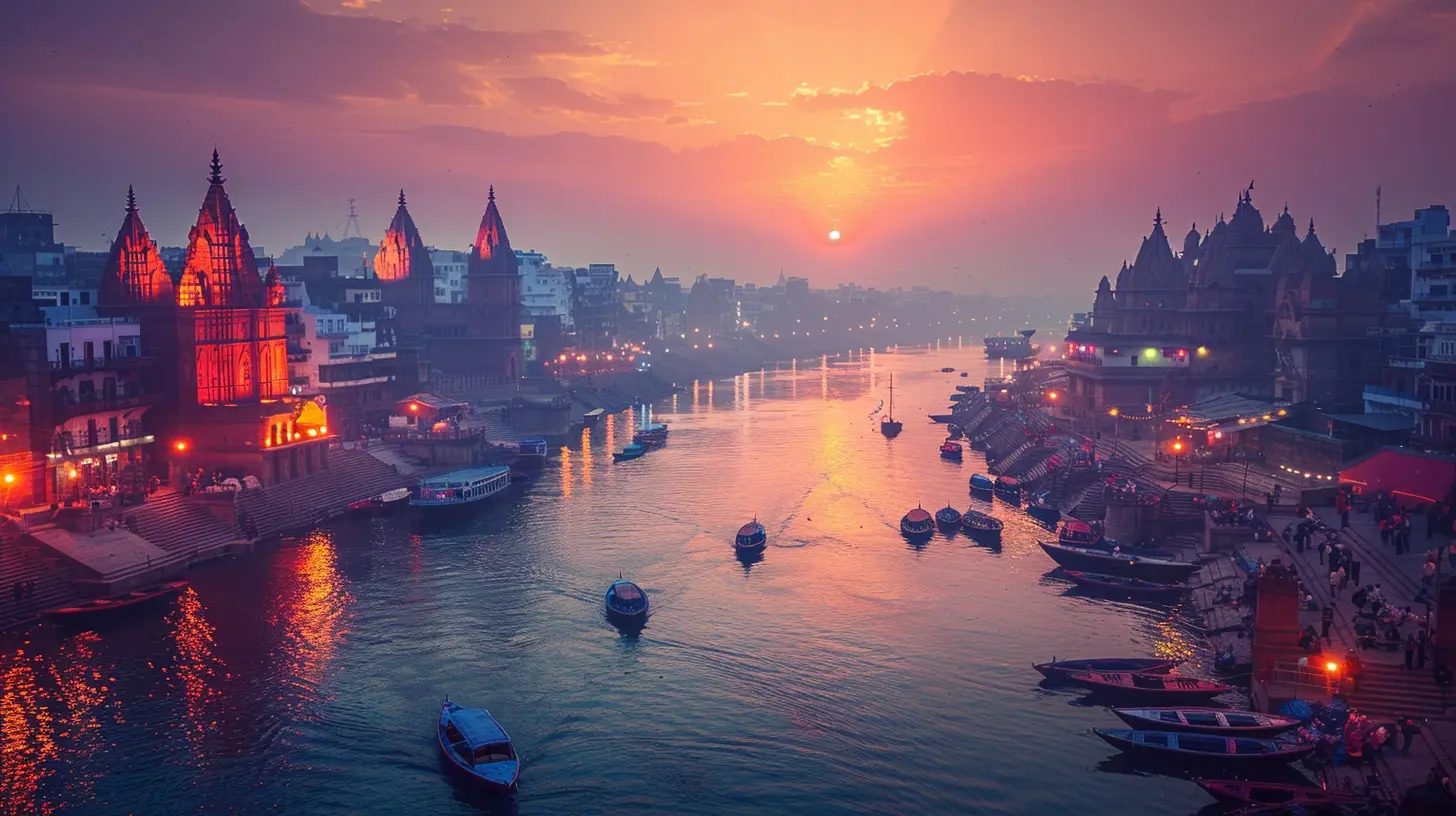
Diwali in 2026 falls in early November, with the main night expected around November 8, though the exact date depends on the Hindu lunar calendar. It is a festival of lights, marking the victory of light over darkness.Varanasi, Jaipur, and Amritsar host some of the most striking observances. In Varanasi, the ghats along the Ganges are lit with thousands of oil lamps. In Amritsar, the Golden Temple is illuminated and the surrounding city joins in.
What makes it work: the scale is enormous, but the observance is also domestic. Families clean their homes, light lamps, share sweets, and set off fireworks. You can experience it at the household level or at the city level.
What to consider: air quality in northern India deteriorates sharply around Diwali because of fireworks, crop burning, and weather patterns. If you have respiratory issues, this is a real concern.
Practical advice: book accommodation early, especially in Varanasi and Jaipur. If air quality is a concern, consider celebrating in Kerala or Goa, where the observance is smaller but the air is cleaner.
Who it suits: travelers who want color, light, and communal energy.
Who it does not suit: travelers with respiratory sensitivities visiting northern India.
How to Choose the Right Celebration for You
The right choice depends on four factors.Your tolerance for crowds. Semana Santa in Seville, Diwali in Varanasi, and Holy Week in Jerusalem are all high-density events. Vesak in Sri Lanka and Day of the Dead in smaller Mexican towns are easier to navigate.
Your comfort with religious participation. Some celebrations invite visitors to observe from a distance. Others, like iftar during Ramadan, may include you directly if you are invited. Know what you are willing to accept.
Your budget. Accommodation during major festivals can triple in price. Seville during Semana Santa and Oaxaca during Day of the Dead are the most expensive on this list. Ramadan travel in Egypt and Jordan is often more affordable because tourism dips.
Your schedule flexibility. Lunar calendars mean dates shift year to year. If you must book a year in advance, choose a celebration with fixed dates, like Semana Santa, rather than a lunar one.
Mistakes That Ruin Spiritual Travel
The most common error is treating a religious observance as a photo opportunity. This shows up in small ways: standing in the middle of a procession to take a video, using flash in a temple, wearing shorts to a ceremony. The people around you notice, even if they say nothing.The second mistake is over-scheduling. Spiritual celebrations run on their own time. Processions start late. Prayers run long. If you have booked three activities in a day, you will spend the whole time watching the clock.
The third mistake is ignoring the local religious authority. In some places, the tourism board and the religious body are not the same, and their guidance differs. When in doubt, follow the religious authority.
The fourth mistake is assuming English will be enough. It often is not. Learning a few phrases in the local language, even badly, changes how people respond to you.
Practical Planning Advice for 2026
Book accommodation first, flights second. This is the reverse of how most people plan, but for festival travel it is correct. Hotels near major sites sell out months ahead, and flights can be adjusted more easily.Build in buffer days. Arrive at least two days before the main observance and stay two days after. You will need the first day to adjust and the last to decompress.
Confirm dates with local sources. Lunar calendars, government announcements, and religious authorities all influence when a festival actually begins. Do not rely on a single website.
Carry cash. ATMs in festival areas run out. Small vendors and taxi drivers may not accept cards.
Learn the dress code. Shoulders and knees covered is a safe default for temples and mosques. Remove shoes where required. Bring a scarf.
Respect photography rules. When in doubt, do not photograph. If you must, ask first, and accept no without argument.
When to Skip a Celebration
Not every spiritual celebration is right for every traveler, and there is no shame in recognizing that.If you have mobility limitations, Seville's Semana Santa and the Holy Fire ceremony in Jerusalem will be difficult. If you have respiratory conditions, Diwali in northern India is a poor choice. If you dislike crowds, Ramadan in Cairo during the last ten nights is overwhelming.
There is also a case for skipping a celebration entirely and visiting the same destination in a quieter season. Varanasi in February, Seville in October, and Oaxaca in July all offer the same cultural depth without the festival crush. You will miss the event, but you will see the place.
Final Thoughts
A journey through the world's spiritual celebrations in 2026 is not a checklist. It is a series of choices about what kind of traveler you want to be. The celebrations on this list are not performances. They are living practices, and your presence is a guest's presence, not a customer's.Choose one celebration. Prepare carefully. Arrive with humility. The experience will be richer for it.
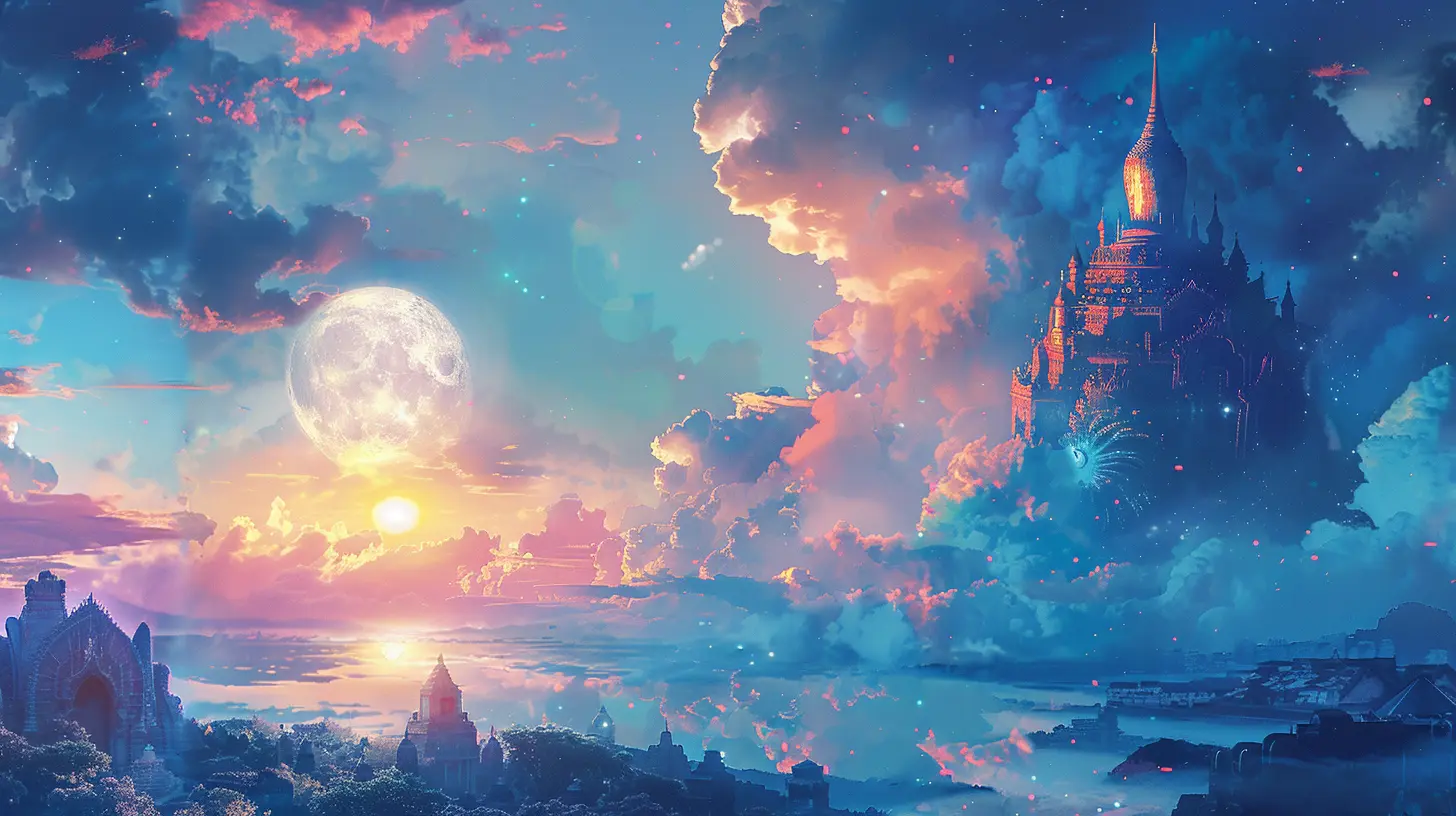
all images in this post were generated using AI tools
Category:
Cultural CelebrationsAuthor:
Shane Monroe