Native American Heritage and Culture in the American Southwest
29 June 2026
The American Southwest—land of scorching deserts, towering mesas, and sunsets that look like they were painted by the universe’s best artist. But beyond the awe-inspiring landscapes, this region is a treasure trove of Native American history and culture that stretches back thousands of years. From ancient cliff dwellings to vibrant traditions that are still alive today, it’s a story that’s as rich as the chili in a Navajo taco (and trust me, that stuff is spicy).
So grab your hat, slap on some sunscreen, and let’s journey through the fascinating world of Native American heritage in the Southwest!
The Deep Roots of Native American Culture in the Southwest
Long before Route 66 cut across the desert or Instagram influencers posed in front of red rock formations, Native American tribes had already been thriving in the Southwest for thousands of years. Tribes like the Navajo, Hopi, Apache, and Pueblo peoples built complex societies, developed incredible art, and created traditions that still stand strong today.A Legacy Thousands of Years in the Making
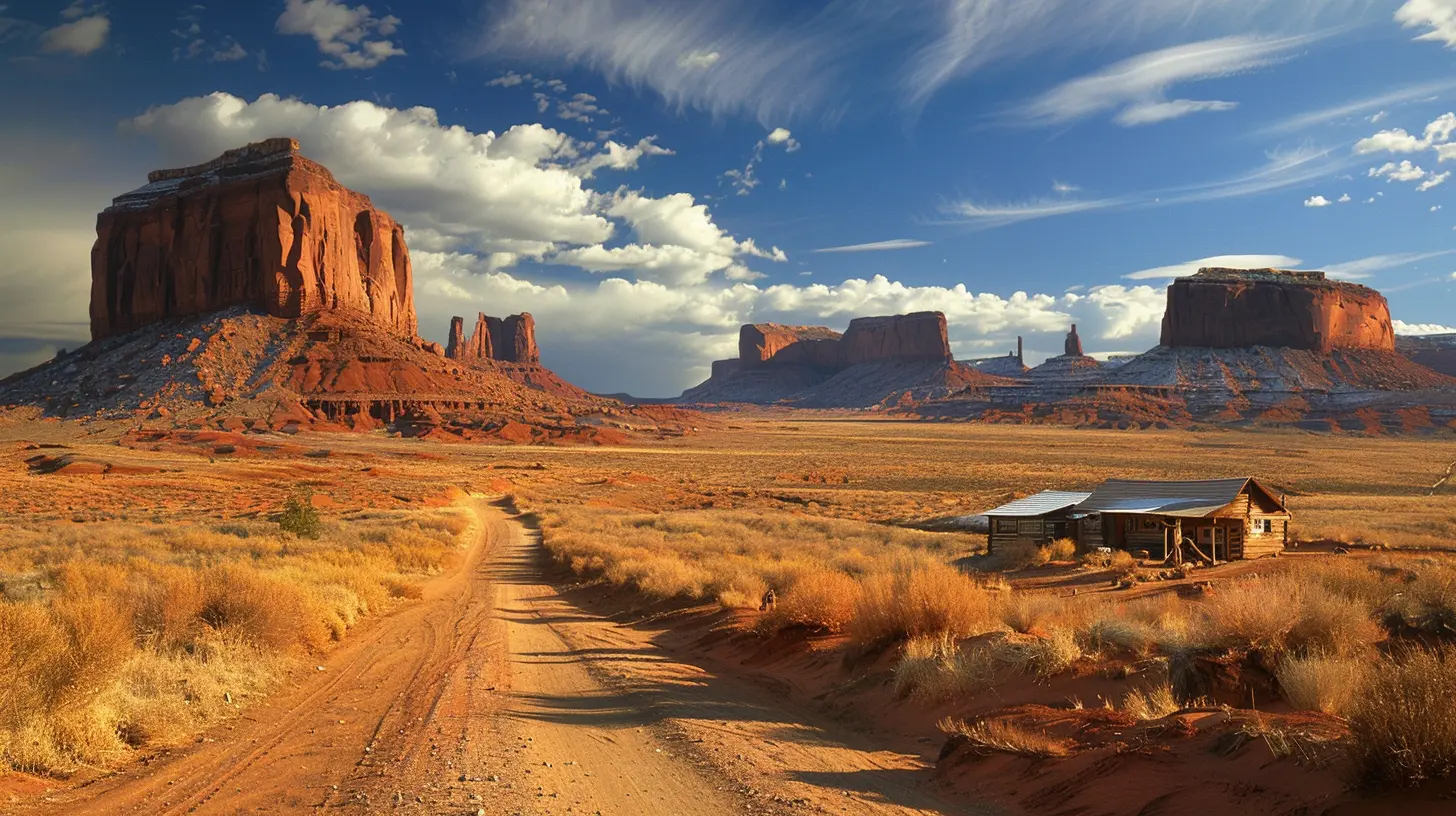
Archaeologists have traced Native American presence in the Southwest back at least 12,000 years. That’s older than the Great Pyramid of Giza, folks! These early inhabitants hunted, gathered, and eventually farmed, developing an intimate knowledge of the land that has been passed down through generations.The Ancestral Puebloans (formerly known as Anasazi) were among the most advanced of these early groups, building elaborate cliff dwellings like those at Mesa Verde in Colorado and Chaco Canyon in New Mexico. Imagine carving your house into the side of a sheer rock face—talk about extreme real estate!
The Tribes of the Southwest: Who’s Who?
Today, the Southwest is home to a wide variety of Native American nations, each with its own unique customs, languages, and histories. Let’s meet some of the major ones:The Navajo Nation: The Largest Native American Tribe
The Navajo, or Diné, are the largest federally recognized tribe in the U.S., with their reservation spanning parts of Arizona, Utah, and New Mexico. Their history is one of resilience, especially after being forcibly relocated during the Long Walk of 1864.Despite past hardships, Navajo culture remains vibrant. Traditional weaving and silversmithing are still highly respected arts, and the stunning red landscapes of Monument Valley, which sits within the Navajo Nation, continue to feature in Hollywood films.
The Hopi: Keepers of Ancient Traditions
Nestled within the Navajo Nation in northeastern Arizona, the Hopi people have a spiritual and artistic heritage that stretches back more than 1,000 years. Their villages, like Oraibi, are some of the oldest continuously inhabited settlements in the U.S.The Hopi are best known for their Kachina dolls, intricate wooden figures representing spirits, and their mesmerizing ceremonial dances, which are deeply tied to their religious beliefs.
The Pueblo Tribes: Masters of Adobe Architecture
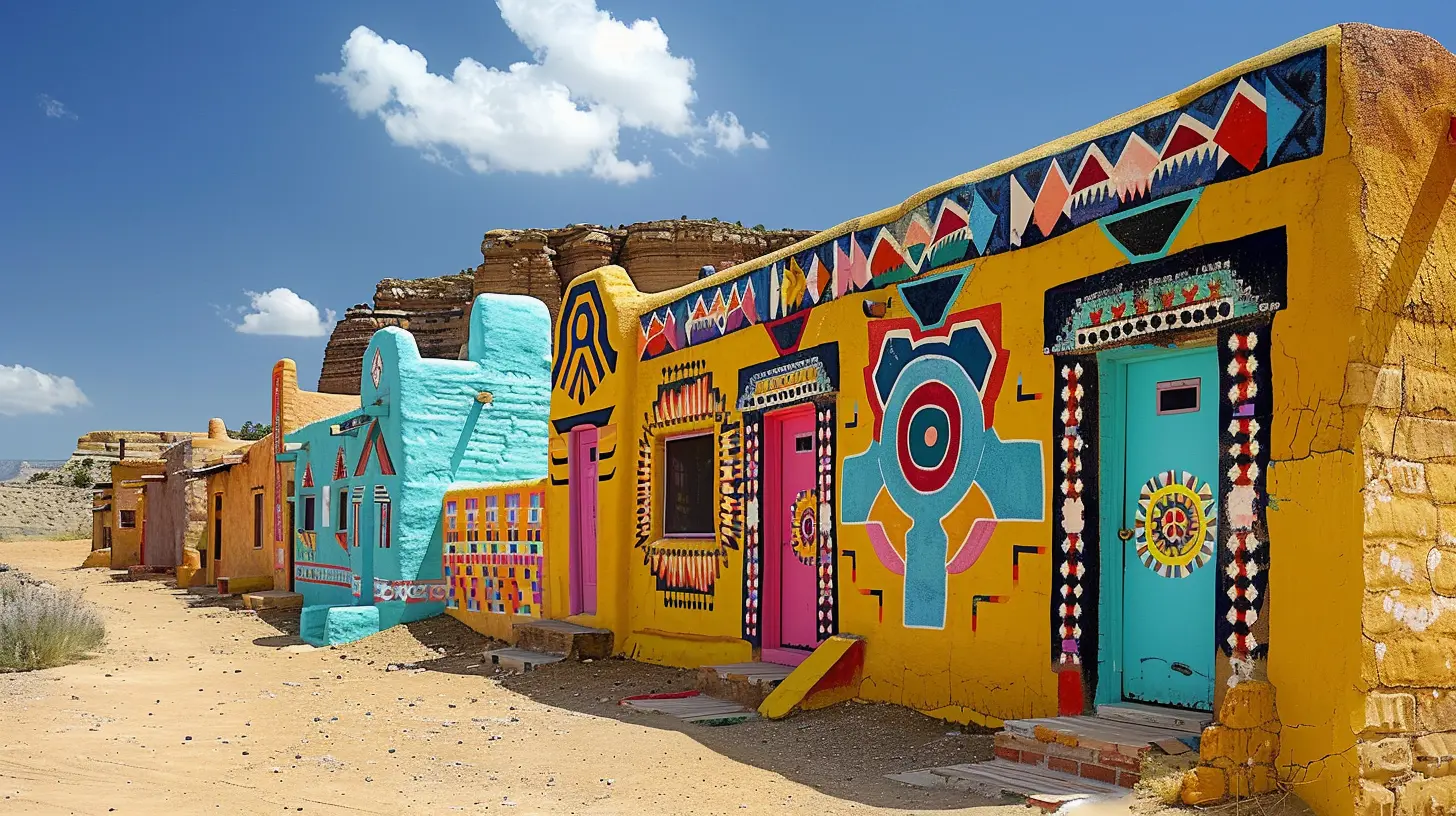
The Pueblo peoples are famous for their stunning adobe villages, particularly Taos Pueblo in New Mexico, a UNESCO World Heritage Site that has been continuously inhabited for over 1,000 years. Their ancestors, the Ancestral Puebloans, built the iconic cliff dwellings you see in postcards.The Pueblo Revolt of 1680 stands out as one of the most successful uprisings against Spanish colonizers. These folks were not to be messed with—they drove the Spanish out of the region for twelve years!
The Apache: Fierce Warriors and Skilled Survivalists
Known for their warrior culture, the Apache were historically nomadic hunters and raiders, moving across the Southwest with incredible skill. Legendary figures like Geronimo and Cochise resisted European encroachment fiercely, fighting to protect their lands.Even today, Apache culture remains strong, with traditional beadwork, storytelling, and warrior dances keeping their history alive.
Festivals and Traditions: When Culture Comes to Life
One of the best ways to experience Native American heritage in the Southwest is to attend a traditional event. These gatherings bring centuries-old traditions to the modern day, with music, art, and food that make for an unforgettable cultural experience.The Gallup Inter-Tribal Indian Ceremonial
Held in Gallup, New Mexico, this festival has been celebrating Native cultures since 1922. Imagine a massive powwow with dancers in brilliantly feathered regalia, rodeos, and incredible Native American artwork. It’s like stepping into a living museum—only with way better food.The Navajo Nation Fair
The largest Native American fair in the country, this annual event in Window Rock, Arizona, features parades, traditional dancing, and rodeos. You haven’t lived until you’ve seen a Navajo frybread stand serving up golden, crispy deliciousness.The Hopi Snake Dance (Invite-Only)
This incredible ritual invokes good rainfall for crops—but before you get too excited, not just anyone can attend. The Hopi hold this sacred ceremony in private, and it involves live snakes (yes, real snakes). It’s not just a show—it’s a deeply spiritual event that has been performed for centuries.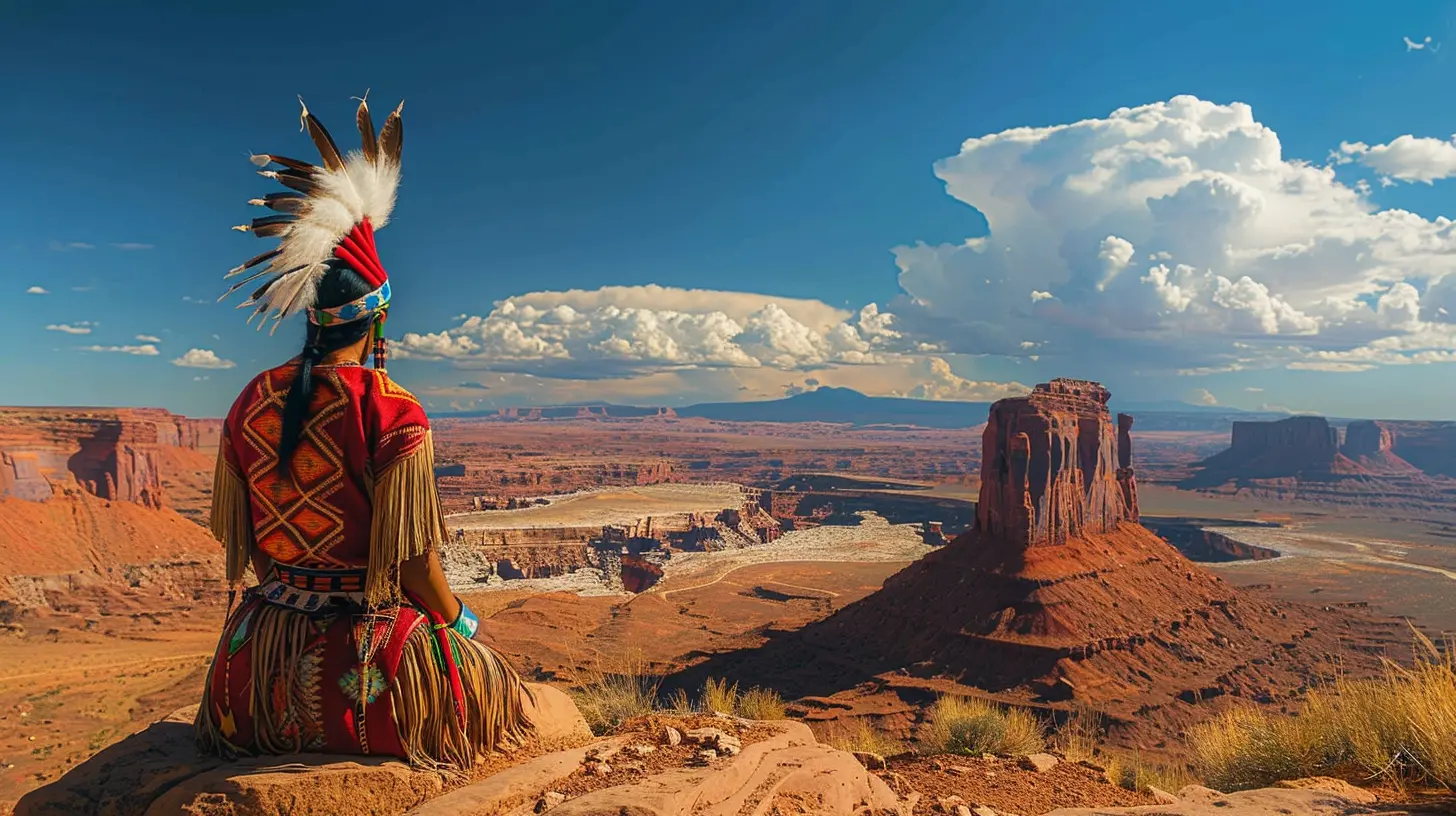
Native American Landmarks: Must-Visit Places
If you’re road-tripping through the Southwest, there are a few places you absolutely need to visit to fully appreciate Native American history and culture.Chaco Canyon, New Mexico
This ancient Ancestral Puebloan site was a major cultural and trade center over 1,000 years ago. The ruins of grand houses and astronomical alignments make it clear—these people were serious about their engineering and astronomy skills.Monument Valley, Arizona-Utah Border
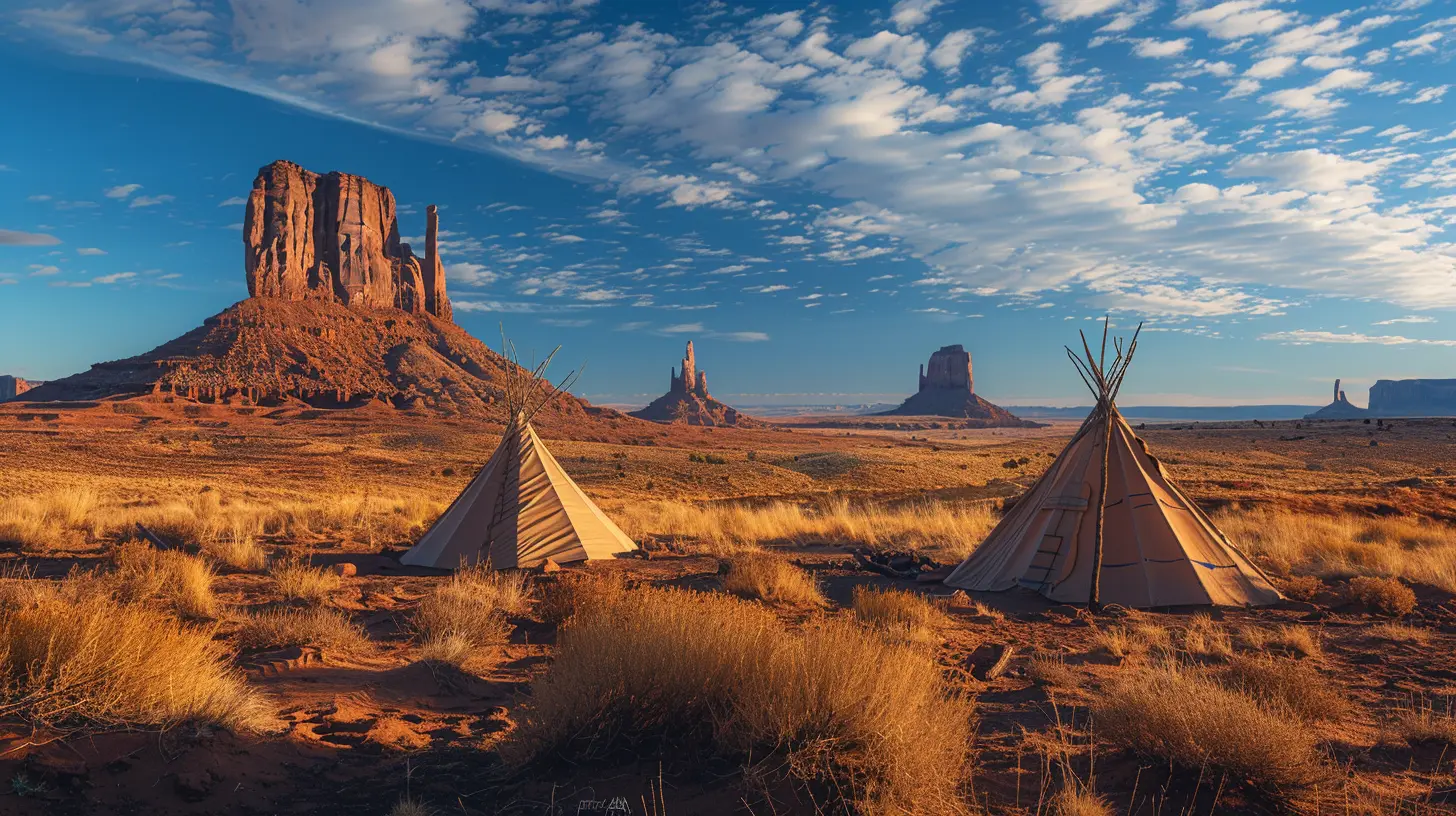
You’ve seen it in old Western movies, but Monument Valley is sacred Navajo land. To truly experience it, take a guided tour with a Navajo guide who can share the stories and legends behind the towering buttes.Mesa Verde National Park, Colorado
Those cliff dwellings you always see in history books? You’ll find them here. The Ancestral Puebloans built their homes into the cliffs, proving that "location, location, location" has always been a thing.Taos Pueblo, New Mexico
A living piece of history, this adobe village has been continuously inhabited for centuries. Walking through Taos Pueblo feels like stepping back in time, except you might find locals selling traditional pottery and jewelry.The Food: Because You Can’t Talk About Culture Without Talking About Food
Okay, let’s be real—half the fun of traveling is trying new food. And Native American cuisine in the Southwest is next level.Navajo Tacos
Think of these as the Southwest’s take on a taco—only instead of a tortilla, it’s served on frybread, a golden, puffy delight that’s crispy on the outside and fluffy inside. Pile on beans, ground beef, cheese, and green chilies, and you’ve got a meal fit for a king.Piki Bread
A Hopi specialty, piki bread is an ultra-thin, paper-like blue corn bread made with ash (yes, ash). It’s delicate, slightly smoky, and totally addicting.Posole
A warm, comforting stew made from hominy (dried corn kernels) and pork, posole is a staple in Pueblo cuisine. Add some red or green chilies, and you’ve got a dish that will both warm your soul and make you sweat.
Final Thoughts
The Native American heritage and culture of the American Southwest isn’t just history—it’s alive, thriving, and absolutely worth experiencing firsthand. Whether you’re marveling at ancient cliff dwellings, watching a traditional dance, or stuffing your face with frybread, every moment spent learning about these incredible cultures is a step toward deeper appreciation and understanding.So next time you’re driving through the Southwest, don’t just zip past the history—take the time to stop, listen, and immerse yourself. Trust me, it’s an adventure you won’t forget.
all images in this post were generated using AI tools
Category:
Cultural ToursAuthor:

Shane Monroe
Discussion
rate this article
1 comments
Rose Sheppard
Exploring Native American heritage in the Southwest is like joining a treasure hunt where every rock tells a story and every cactus is a quirky character. Just watch out for those sassy tumbleweeds... they roll with attitude!
August 9, 2026 at 3:27 AM
Shane Monroe
I love that comparison! The Southwest is truly rich with stories and surprises at every turn. Thanks for sharing your perspective!