Photographing National Parks: Tips for Capturing Nature in its Purest Form
20 February 2026
So, you’ve finally decided to channel your inner Ansel Adams and venture into the wilderness with your camera in tow. Bravo! But before you go frolicking into the wild armed with your DSLR like a nature-loving paparazzo, let’s talk about how to actually take those jaw-dropping, Instagram-stopping shots of national parks. After all, nature deserves better than blurry squirrels and blown-out sunsets.
Whether you’re hiking deep into Yosemite, tip-toeing around geysers in Yellowstone, or just chilling by a cactus in Saguaro National Park, capturing nature in its raw, unfiltered beauty isn’t just about having a fancy camera. It's about timing, light, patience, and okay yes, maybe a little knowing what you're doing.
Grab your hiking boots and lens wipes, folks. We're about to dive deep into some hilarious-but-helpful, tried-and-tested tips for photographing national parks like a pro (or at least not like a total noob).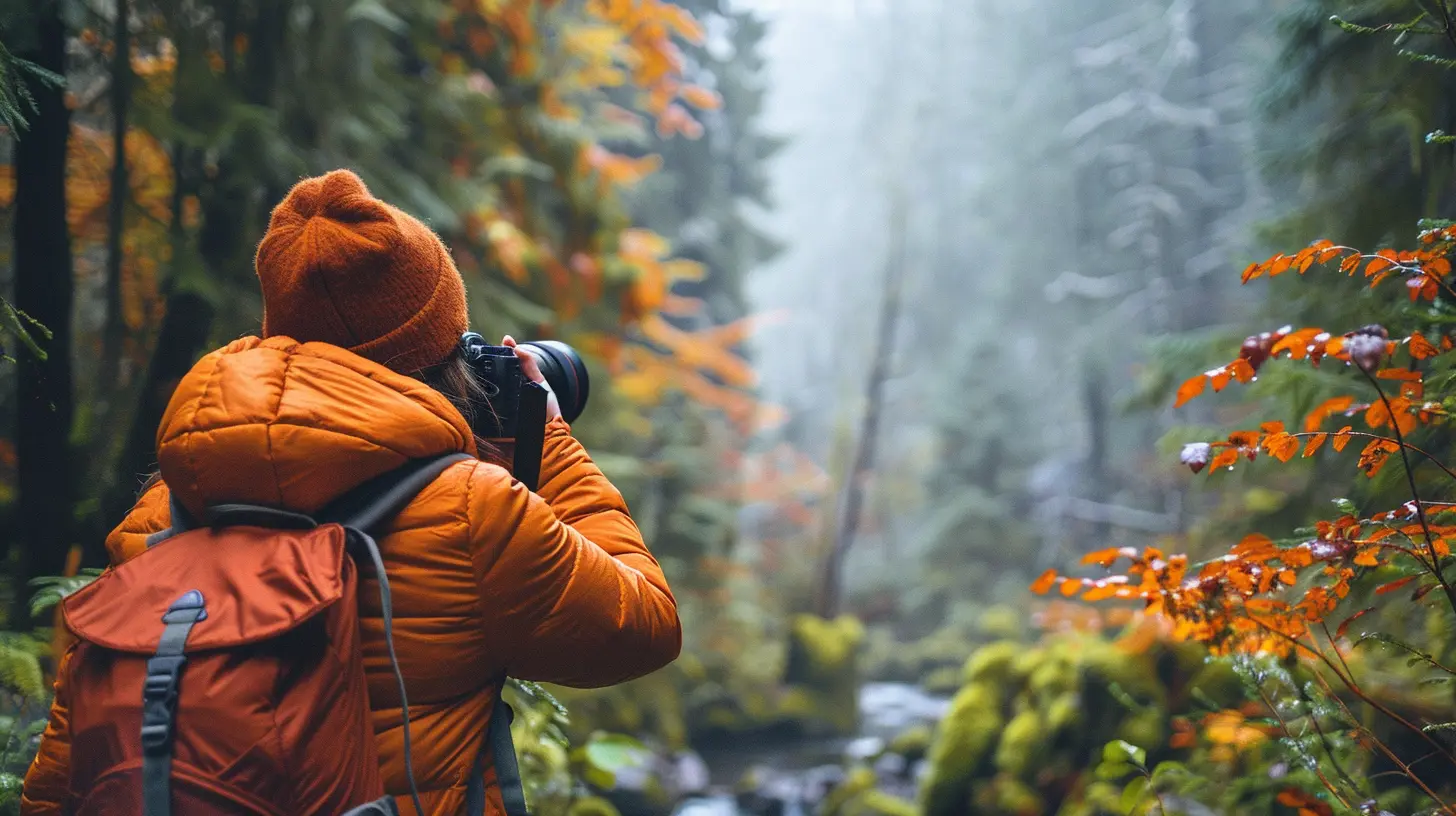
First Things First: Research is Sexy (and Super Important)
Before you even pack your camera gear or slather on the sunscreen, do some solid research. I know, it's not the most glamorous part of photography (no one has ever said “WOW, what a spreadsheet!”) but it matters big time.Things to look up:
- Best times to visit – Because you don’t want to shoot a mountain that’s hidden behind fog or a waterfall that's a mere trickle.- Sunrise and sunset spots – Golden hour is your best friend. Period.
- Weather conditions – Rain can be moody and magical… or just soak your gear.
- Wildlife alerts – Unless you want your camera eaten by a curious bear. (Hint: You don't.)
Bookmark maps, make a shot list, and stalk the park’s Instagram hashtags like it owes you money.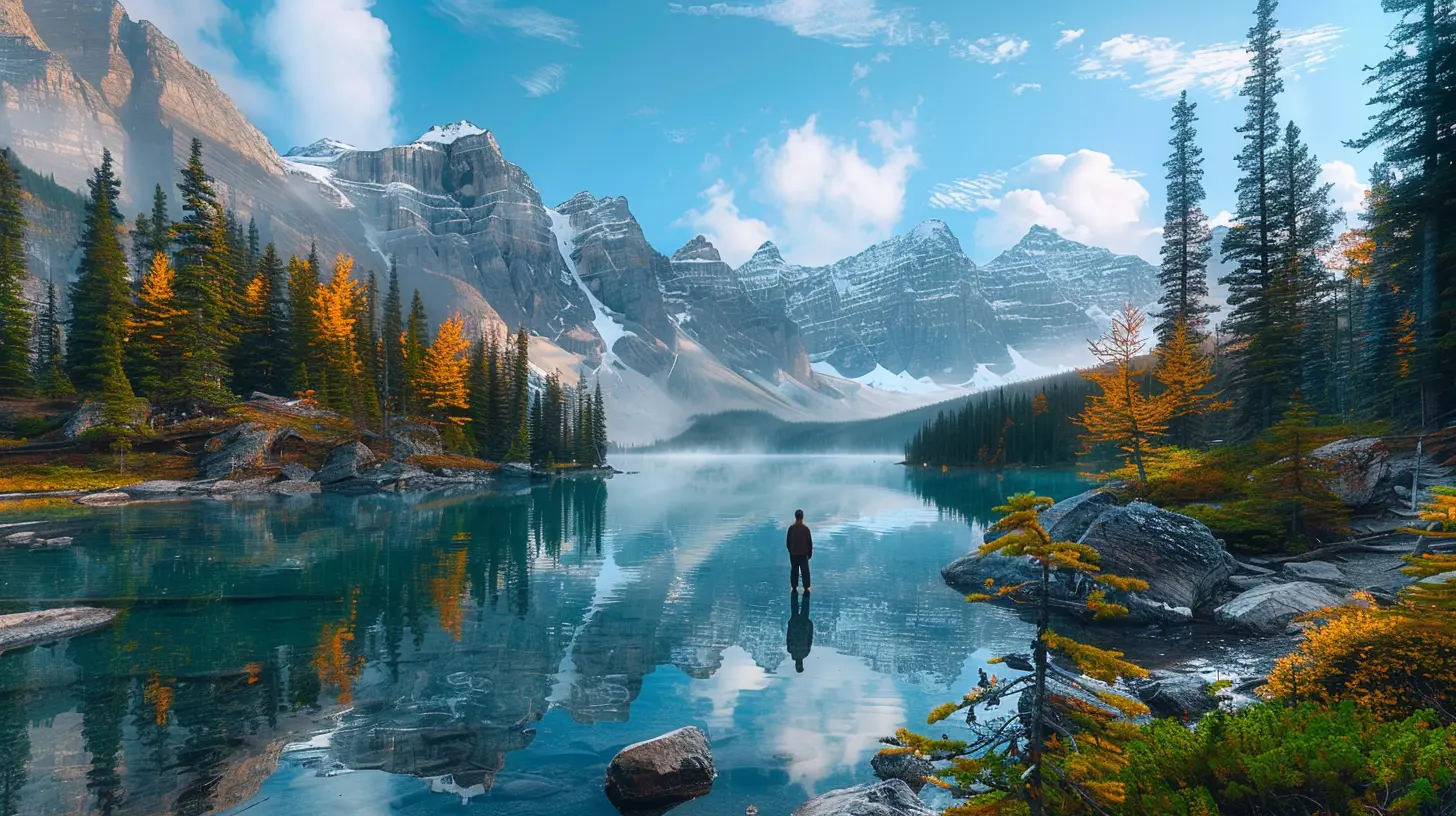
Gear Up, But Don’t Pack Like You’re Moving In
Look, I get it. You love your gear. But hiking uphill with 48 pounds of lenses strapped to your back isn’t exactly the dream. National parks are no place for overpacking or forgetting your tripod.Must-have basics:
- DSLR or Mirrorless Camera – Whatever floats your megapixel boat.- Wide-angle lens – For capturing those epic landscapes and massive skies.
- Telephoto lens – Perfect for wildlife shots… from a legal distance.
- Tripod – Because blurry shots are the enemy.
- ND Filters – These little gems let you play with longer exposures during the day.
- Extra batteries & memory cards – You will run out. Always.
Oh, and don’t forget a microfiber cloth. Nature is dusty. And sometimes… suspiciously gooey.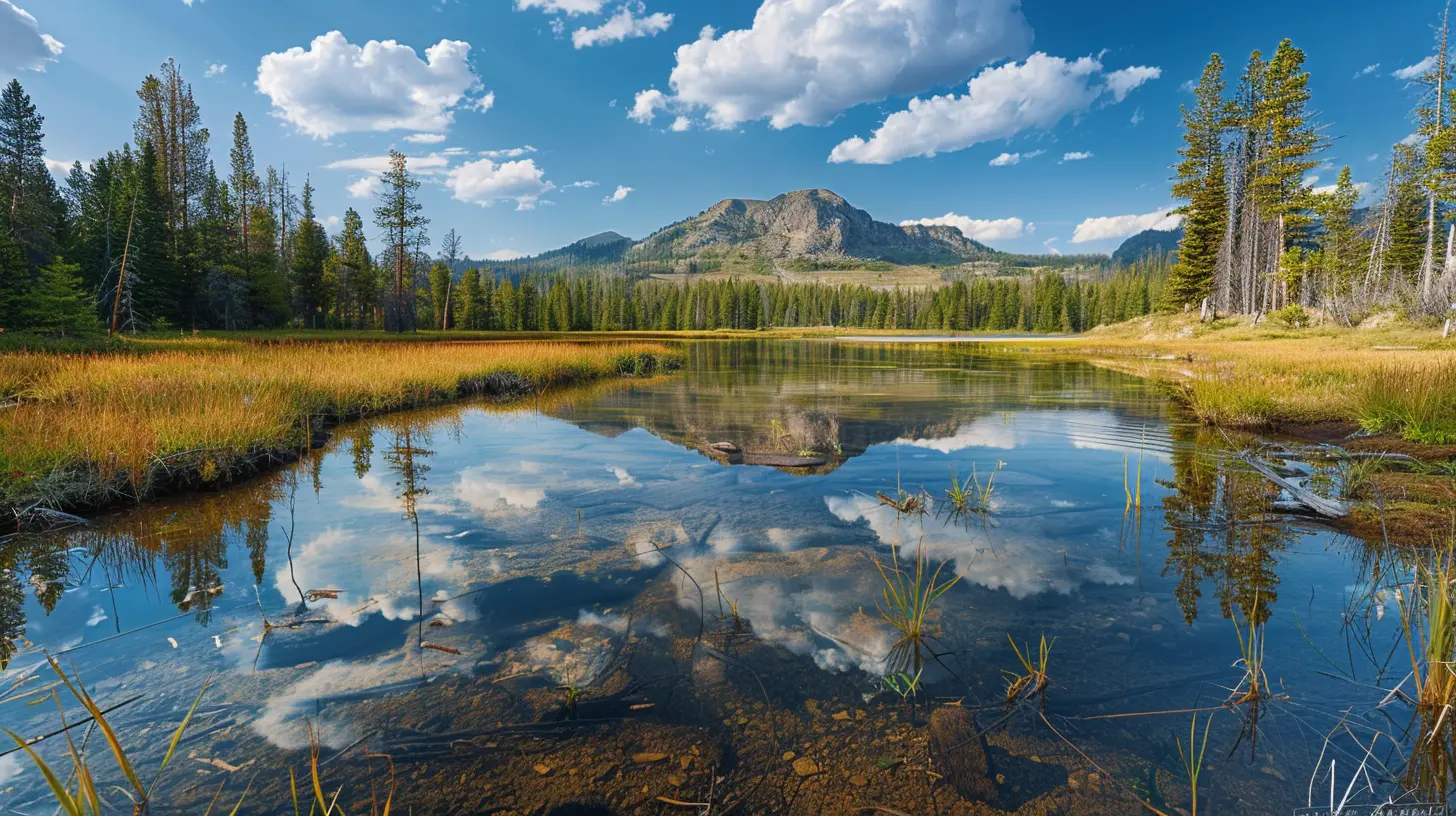
Timing is Everything: Catch the Light, Not Just the View
You know how everyone looks better in soft lighting? That goes for mountains, trees, and yes, even chipmunks. Harsh midday sun isn’t doing anyone any favors—least of all your camera sensor.Golden Hour = Goldmine
Sunrise and sunset are your holy grail. They turn ordinary scenes into magical wonderlands. Shadows are softer, colors are richer, and your photos won't scream “I took this during lunch.”Blue Hour = Underrated Beauty
That soft, moody light just before sunrise or right after sunset? Chef’s kiss. It’s moody in the best way—as if the forest’s about to drop the most emotional indie album of the year.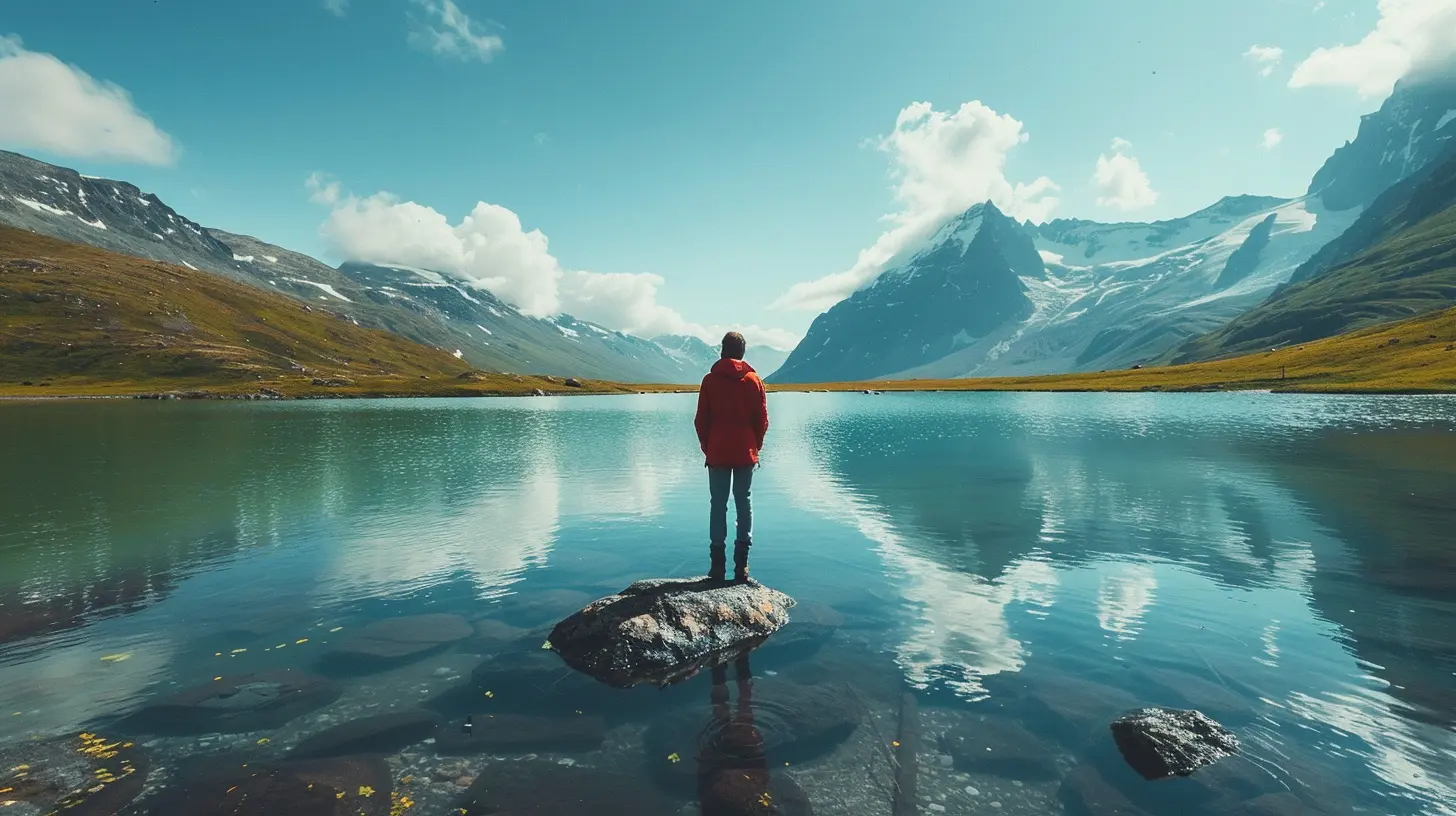
Composition: Less Snap, More Strategy
It’s easy to get overwhelmed by all the epicness around you. Mountains! Lakes! Trees doing tree things! But resist the urge to just point and shoot. Take a beat, breathe in that fresh air, and think “How do I tell a story with this scene?”Use the Rule of Thirds
Basically, imagine your photo is cut into a tic-tac-toe board. Place your subject along the lines or at the intersections. It’s Photo Composition 101—and it works.Leading Lines
Rivers, roads, fallen logs—use them to guide the viewer’s eye into the scene. It’s like giving your photo a yellow brick road straight to greatness.Foreground Interest
Don't forget the stuff right in front of you! A wildflower, a cool rock, heck even your hiking boots can add depth and make your shot feel 3D.Frame It Up
Find natural frames. Trees, archways, even cave mouths—they pull the viewer into the shot like a visual invitation.Wildlife Photography: Be Cool and Use Zoom
Snapping wildlife in national parks is thrilling. You’re basically a NatGeo explorer with snacks. But also... let’s not be reckless. We want photos of bears, not encounters.Tips for Shooting Wildlife:
- Use a telephoto lens (at least 200mm) so you can keep your distance.- Be patient – Animals don’t care about your schedule.
- Use burst mode – Because that deer is not going to strike a perfect pose on cue.
- Focus on the eyes – That’s where the soul is, baby.
And please, for the love of marmots, never feed wild animals. Your peanut butter sandwich is not part of the natural ecosystem.
Weather, Glorious Weather: Friend and Foe
Clouds rolling in? Great—soft diffused light. Sudden fog? Cool—moody forest vibes. Thunderstorm? Maybe… run.The point is, weather makes (or breaks) your photo plans. Learn to roll with it and even use it to your advantage.
Rainy Day? Go Moody.
Wet surfaces reflect light in magical ways. Forests look lush, colors pop more, and mist? Mist is basically nature’s Instagram filter.Clear Skies? Get Starry-Eyed.
Clear nights in national parks are perfect for astrophotography. Mount your camera on a tripod, set that long exposure, and say hello to the Milky Way. Just… don’t fall asleep under the stars and forget your gear.Hiking With A Camera: Like CrossFit, But Scenic
You’re going to be moving around—sometimes a lot. Having your camera easily accessible while staying lightweight is key. Belt pouches, harnesses, or slings can be a game-changer. Nothing kills a photo opportunity like digging through your backpack for twelve minutes while the perfect light disappears like your willpower during a juice cleanse.And try not to fall into a stream. Speaking for a friend.
People in Nature: Yes, You Can Include Humans!
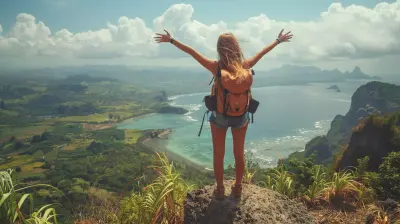
Sometimes, a human figure adds scale and emotion to a landscape. A lone hiker standing on a cliff? Iconic. Your buddy eating trail mix mid-shot? Less so. Stage your people carefully.Tips:
- Use people for scale – Mountains look bigger next to a tiny figure.- Avoid distractions – Bright-colored clothes draw attention away from the scenery—unless intentional.
- Candid moments look way more real than staged ones. Just capture the vibe, man.
Editing: Don’t Go Full Instagram Filter
Once you’ve captured your epic shots, a little post-processing helps make them pop. But—and this is a big but—don’t overdo it. Mother Nature already looks great without a virtual facelift.A few editing do’s:
- Adjust exposure and contrast to match the feel of the moment.- Boost vibrancy, not saturation—unless you want radioactive grass.
- Sharpen details slightly for clarity, especially in landscapes.
- Crop thoughtfully to improve composition.
And remember: no amount of presets will save a bad photo. Start with a solid image, then finesse.
Leave No Trace (And No Tripods in Delicate Soil)
This deserves its own section because photography doesn’t excuse trampling on protected flora or getting too close to fragile formations. I get it—you want the perfect shot. But at what cost? Your photo shouldn't come at the expense of damaging what you're trying to celebrate.Stick to trails. Avoid sensitive areas. Obey signage. And for goodness’ sake, don’t try to bathe in the geysers.
Mistakes Happen – Laugh, Learn, Repeat
You’ll mess up. You’ll forget to remove your lens cap. You’ll underexpose the shot of a lifetime. You’ll get photobombed by squirrels or tourists in neon fanny packs.And that’s okay.
Each national park trip builds your skills—and your funny stories. Think of every failed photo as a stepping stone to greatness (or at least a hilarious slideshow of what not to do).
Final Thoughts: Shoot With Your Heart, Not Just Your Camera
Cliché? Maybe. True? Absolutely.The best photos aren’t just technically perfect—they make you feel something. They transport you. They whisper, “Remember this?” long after you’ve left and the mosquito bites have healed.
So go out there, breathe deep, keep your shutter finger ready, and photograph the heck outta those national parks.
You’re not just capturing landscapes—you’re snagging little slices of wonder. And that’s pretty dang magical.
all images in this post were generated using AI tools
Category:
Photography TipsAuthor:

Shane Monroe
Discussion
rate this article
2 comments
Vaughn Baxter
Amidst the whispering pines and hidden trails, each snapshot holds a secret waiting to be uncovered. What stories will your lens reveal in the dance of light and shadow? Venture deep, for the wild has its own magic to share.
February 24, 2026 at 3:47 AM
Shane Monroe
Thank you! Nature is indeed full of stories; every photo captures a moment of that magic. Happy shooting!
Zachary Kane
Great tips for photographing national parks! Emphasizing patience and light can truly elevate nature photography. Thanks for sharing!
February 22, 2026 at 4:38 PM
Shane Monroe
Thanks for your feedback! Glad you found the tips helpful. Happy shooting!