Reliving the Traditions of Ancient Persia in Today’s Iran
13 November 2026
Ever thought about what it would be like to walk in the footsteps of ancient kings and scholars, through sun-kissed deserts and bustling bazaars where time seems to have stood still? Well, you're in for an awe-inspiring journey. Iran, the modern-day heir to Ancient Persia, is more than just breathtaking landscapes and historical ruins—it's a living museum of traditions that stretch back thousands of years.
Let’s take a trip (virtually, for now!) and see how these ancient customs are still very much alive in the rhythm of daily life in Iran. Whether you're a culture geek, a history buff, or just someone with a curious heart, you’ll find something magical in the traditions that continue to bind the past to the present in this fascinating country.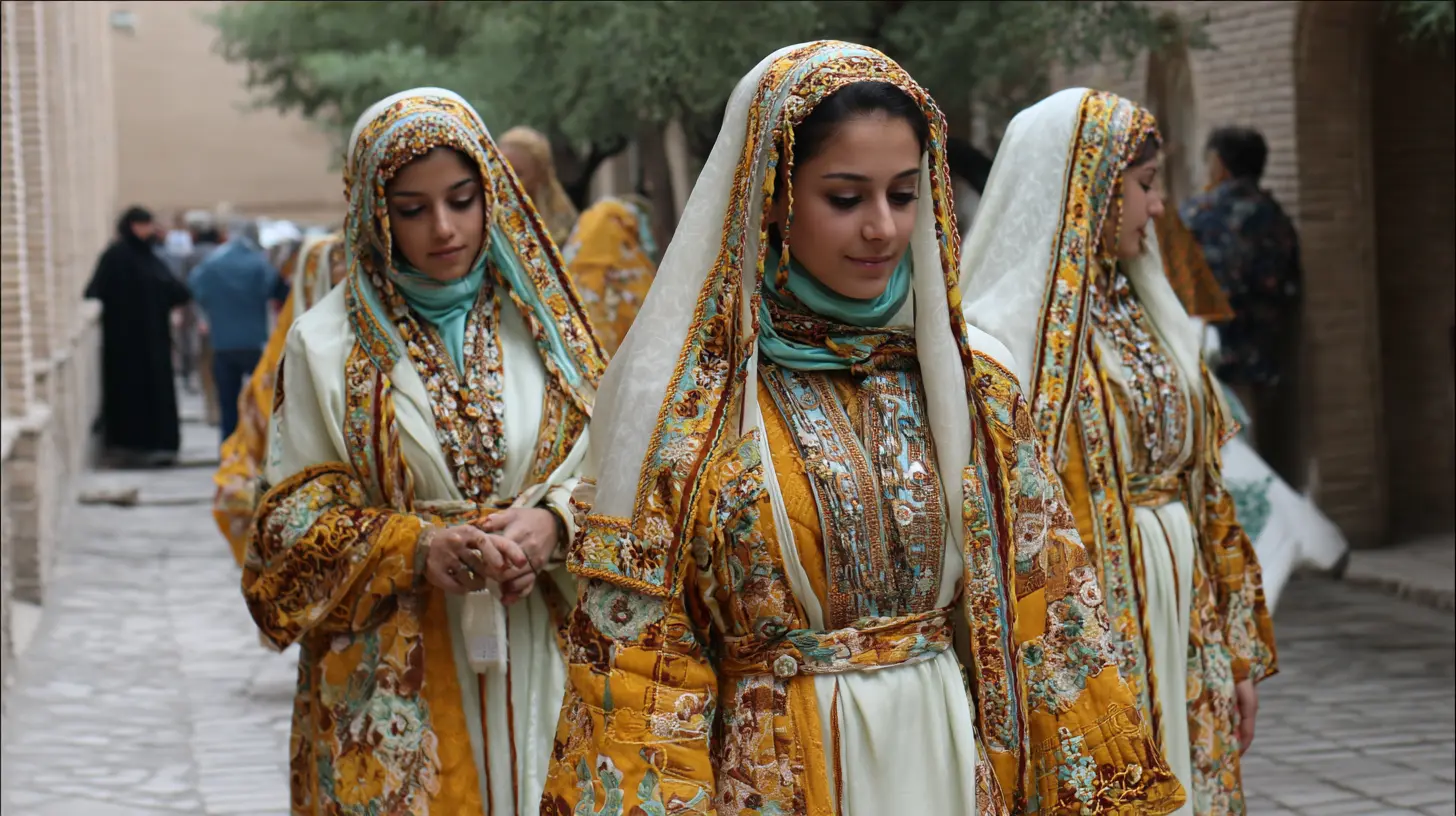
A Glimpse Into Persia: Then and Now
When we talk about Ancient Persia, we’re delving into a civilization that left a legacy as rich as the soil beneath its feet. The Persian Empire, particularly the Achaemenid dynasty (think Cyrus the Great and Darius I), was known for its advanced governance, engineering marvels, and deep appreciation for art, poetry, and philosophy.Fast forward to today, and modern Iran offers a window into that world—but it’s not just preserved in museums. It lives on in music, dance, food, and even the way families gather for tea.
So how exactly do Iranians keep these age-old traditions alive? Let’s dive in.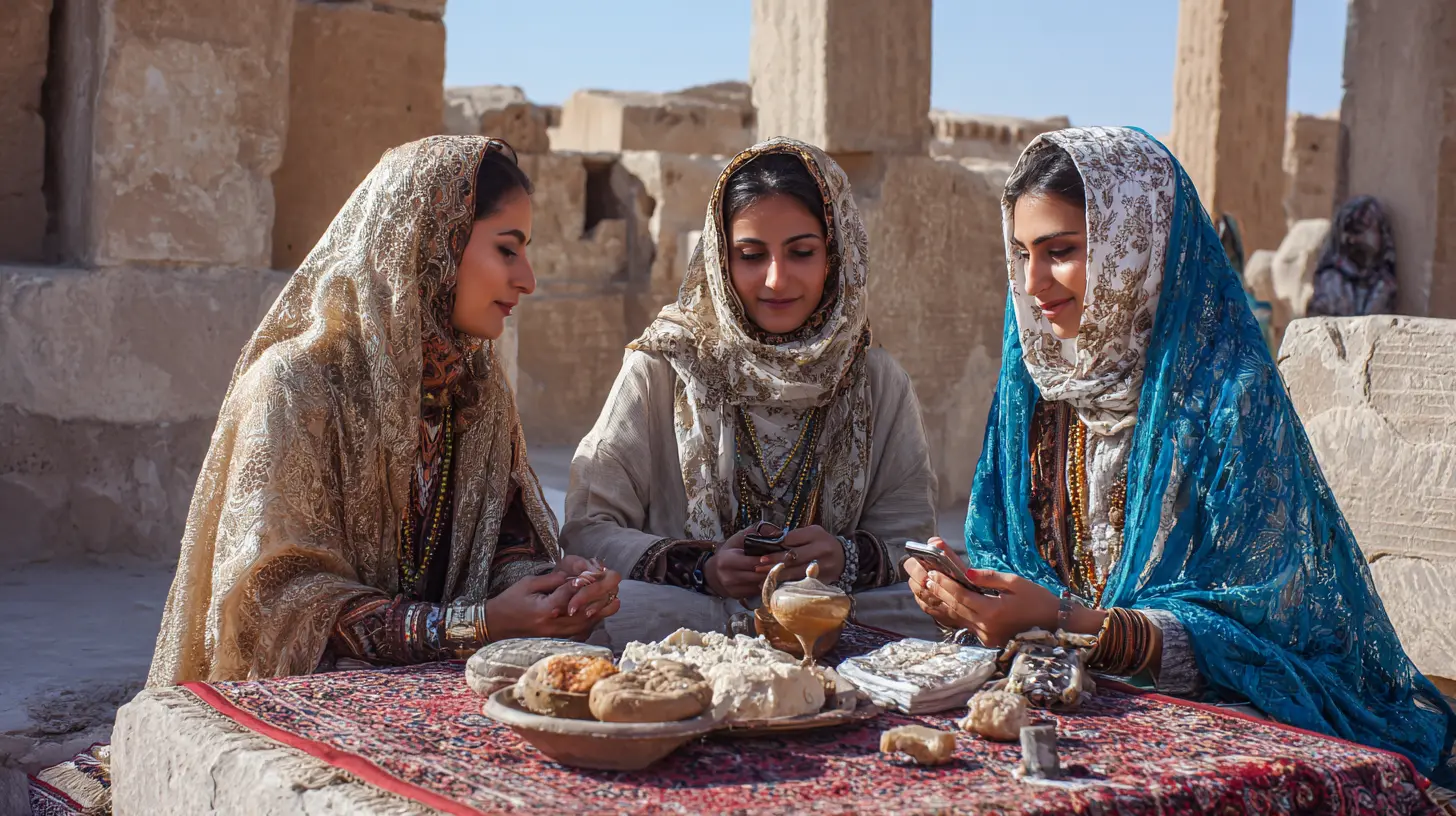
1. Persian New Year: Nowruz – The 3,000-Year-Old Celebration
Let’s start with Nowruz (pronounced “no-rooz”), literally meaning “new day.” Celebrated on the Spring Equinox, this 3,000-year-old festival marks the Persian New Year and remains one of the most joyful and widely celebrated holidays in Iran.People prepare weeks in advance—cleaning their homes top to bottom (yes, even ceiling fans!), planting wheat or lentil sprouts, and setting up the famed "Haft-Seen" table. This table includes seven symbolic items starting with the Persian letter "S," each representing hope, health, and prosperity.
Ever heard of jumping over fire for fun? On the eve of the last Wednesday before Nowruz, Iranians light bonfires and leap over flames, chanting phrases that translate to “Give me your beautiful redness and take away my paleness.” It’s all about renewal and leaving behind the bad energy of the past year.
Now, how’s that for a fresh start?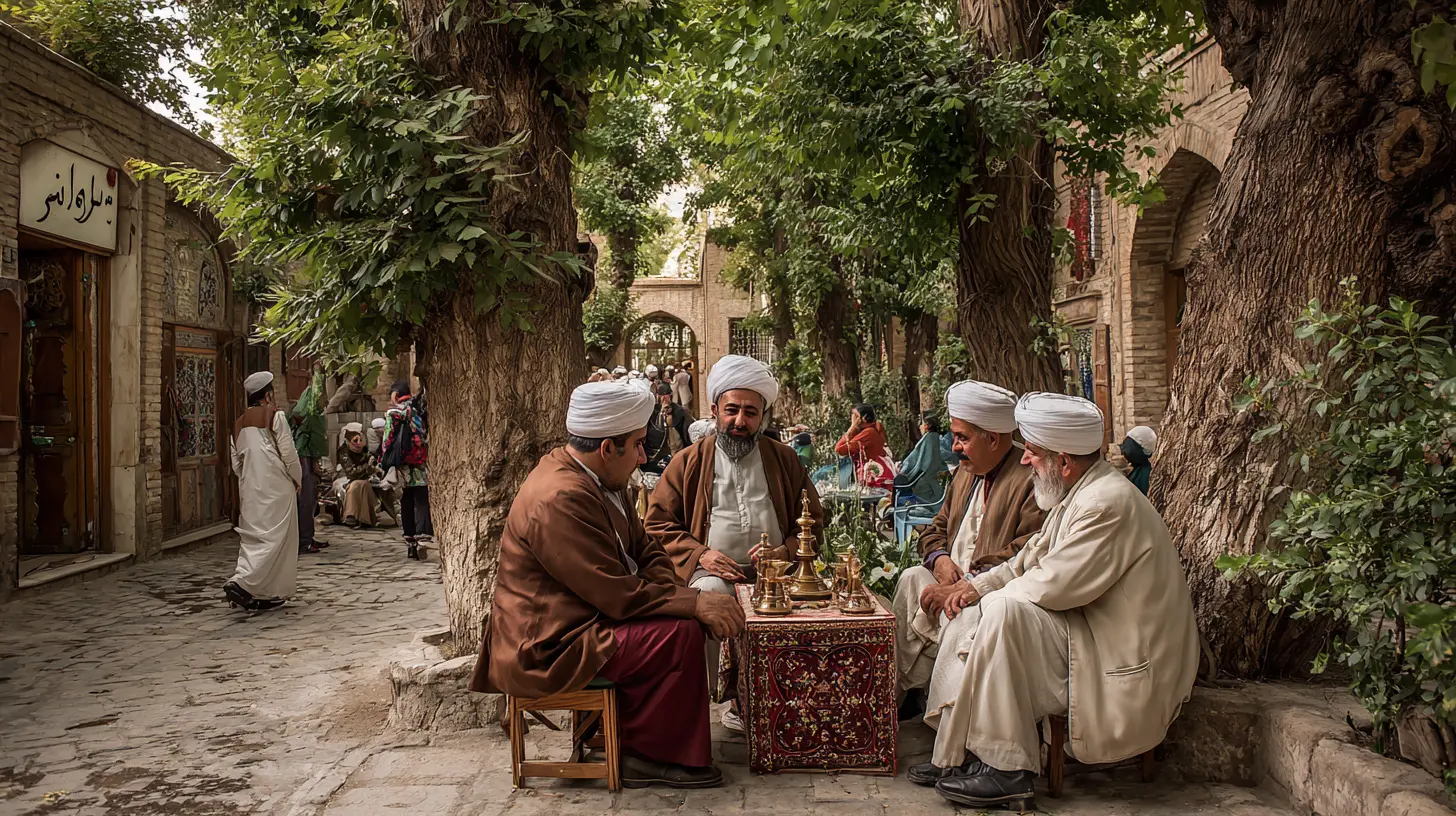
2. Persian Gardens: Where Heaven Meets Earth
Close your eyes and picture the perfect garden—tranquil, symmetrical, with flowing water and the scent of pomegranates in the air. That’s the image of a traditional Persian garden.Iranian gardens aren’t just spots for picnics; they reflect a deeper philosophy of paradise on earth, something that dates back to the Achaemenid era. The idea was so influential that it even shaped the design of Islamic gardens across the Middle East and beyond.
Today, you can visit stunning examples like the Fin Garden in Kashan or the Eram Garden in Shiraz. Walking through them, with sunlight playing on the water channels and birds chirping above, you’ll feel connected to something timeless.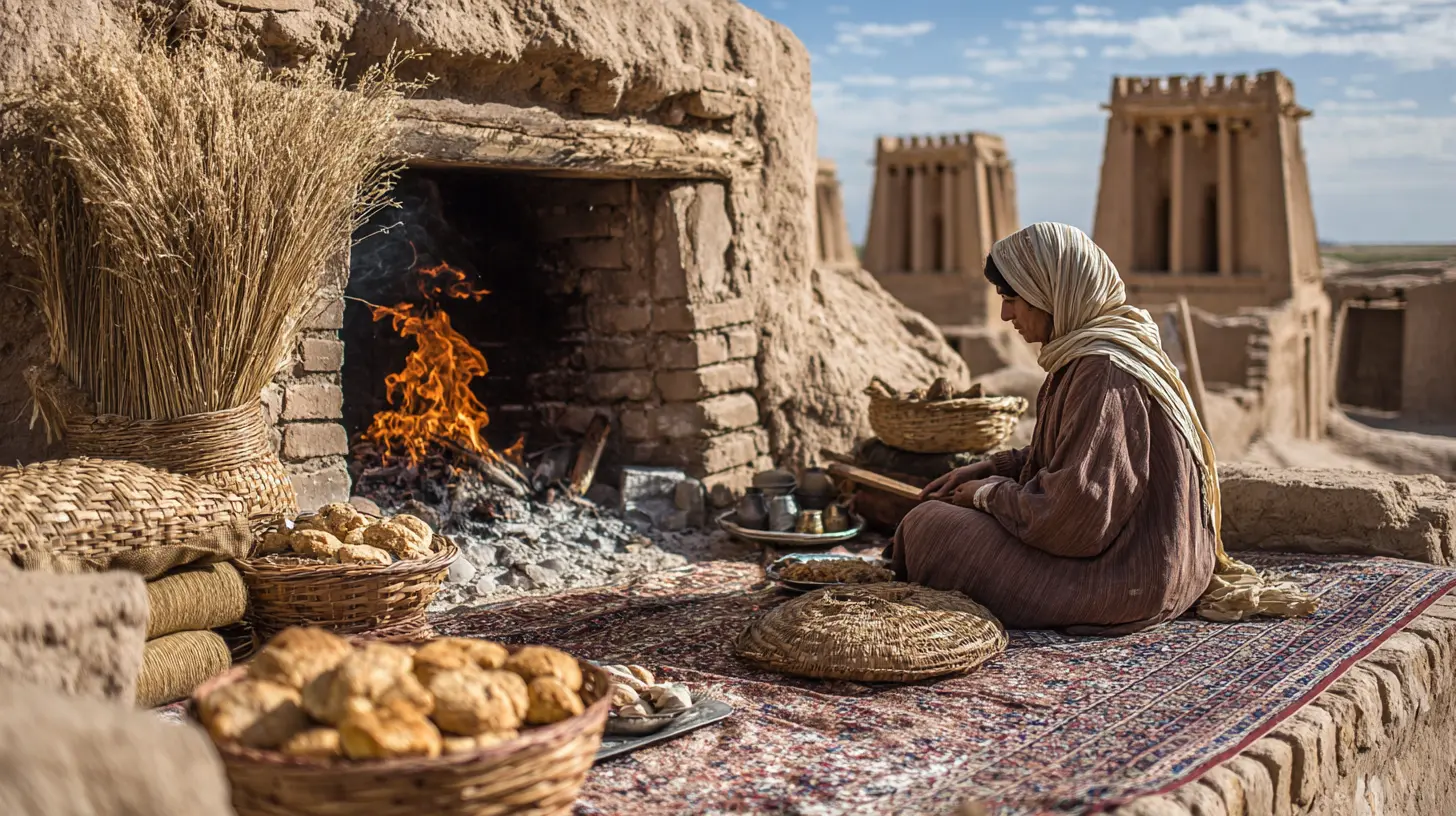
3. Persian Calligraphy: The Art of Beautiful Writing
Calligraphy in Iran isn’t just “nice handwriting.” It’s a revered form of art, deeply embedded in Persian culture. Ancient Persian script evolved into Nasta'liq—a fluid, elegant style used in poetry, manuscripts, and even architecture.Even now, Iranians take pride in learning this delicate art. You’ll find workshops all over the country where young and old alike dip bamboo pens into ink and form letters with almost meditative patience.
It’s not just about writing words; it’s about sculpting meaning with grace. Imagine penning your name so beautifully it looks like a work of art!
4. Persepolis and the Ruins That Still Echo
No trip back in time would be complete without a visit to Persepolis, the ceremonial capital of the Achaemenid Empire. Although it was burned down by Alexander the Great, what remains still leaves visitors wide-eyed.The massive columns, staircases adorned with carvings of tribute-bearers, and the Gate of All Nations—these ruins speak volumes about the grandeur of ancient Persia.
And here’s the kicker: modern Iranians still look to this place with immense pride. It’s not just old stones; it’s part of their living story. National holidays, poetry, and even political discourse often reference the values associated with the Achaemenid kings—justice, tolerance, and unity.
5. Poetry: The Soul of Persia
Let’s be real—Persians are kind of obsessed with poetry, and for good reason. Giants like Hafez, Saadi, Ferdowsi, and Rumi didn’t just write verses; they shaped the Persian worldview. Their works touch on love, morality, politics, and yes, even wine.You’ll hear snippets of poetry quoted in conversations, see verses painted on city walls, and even find cab drivers reciting Hafez while stuck in traffic.
There’s a beloved tradition of “Fal-e-Hafez,” where people randomly open a book of Hafez’s poetry to seek guidance—kind of like a Persian magic 8-ball with way more literary flair.
6. Traditional Iranian Music: Echoes of the Past
Iranian music—especially traditional or "classical" Persian music—is like a soft wind whispering stories from another time. It uses unique instruments like the tar (a long-necked lute), setar, and santur (a hammered dulcimer), each with centuries of history behind them.The music is often improvised but guided by a modal system called “Dastgah,” and believe it or not, it’s been passed down orally through generations. Even today, Iran has thriving music schools where students learn to play these instruments with passion and precision.
Listening to a classical Persian performance feels like walking through an emotional landscape—introspective, rich, and deeply spiritual.
7. Persian Cuisine: Flavors With a Side of History
Ever had saffron rice topped with barberries? Or pomegranate walnut stew called “Fesenjan”? Persian cuisine is like edible poetry—layered, balanced, and full of symbolism.Many dishes date back centuries and are closely tied to ancient Persian concepts of balance and harmony. The idea of mixing sweet with sour or hot with cold isn’t just culinary creativity—it’s rooted in traditional medicine and philosophy.
And mealtimes? Still very much a family affair. Sitting on carpets around a table of shared dishes, talking and laughing over tea, is a tradition as old as time.
8. Zoroastrian Legacy: Fire Temples and Eternal Flames
Before Islam, Persia’s dominant religion was Zoroastrianism, one of the world’s oldest monotheistic faiths. Founded by the prophet Zoroaster, this belief system emphasized good thoughts, good words, and good deeds.Even though Zoroastrians are now a minority, their influence is still etched into Iran’s culture. Fire temples in Yazd still burn flames said to have been lit over a thousand years ago.
Zoroastrian festivals like Sadeh (celebrating fire) and Mehregan (honoring friendship and love) are still observed by many, regardless of religious affiliation. They’re not just religious rituals—they’re cultural treasures.
9. Architecture That Time Forgot (But Iran Didn’t)
Iranian architecture is a blend of genius and soul. Think domes that seem to touch the sky, tilework that rivals mosaic cathedrals, and caravanserais where ancient travelers rested after long desert treks.The use of geometry and symmetry in Islamic-Iranian architecture has deep Persian roots. These designs weren’t just for beauty—they were a reflection of order and harmony in the universe.
Cities like Isfahan, Yazd, and Shiraz are architectural love letters to Iran’s incredible past. And here’s the best part: the locals still live in or around these ancient structures, using them not as museums but as homes, shops, and places of worship.
10. Hospitality: The Ancient Art of Tarof
Let’s talk about one of the most intriguing Persian social customs—Tarof. It's a polite dance of offers and refusals that might confuse outsiders but is deeply rooted in Persian tradition.Imagine offering to pay the bill at a restaurant, and your Iranian friend insists—over and over—that it's their treat. That’s Tarof. It’s not just manners, it’s an art form that reflects respect, humility, and honor.
This practice, while sometimes puzzling, is a reflection of the graciousness and warmth that defined ancient Persian hospitality. It’s not about the money—it’s about making the other person feel valued.
Final Thoughts: Why This Story Still Matters
So, why does Iran continue to hold tight to these ancient traditions? Because they’re not just relics—they’re a roadmap to identity, belonging, and continuity.In a world that's racing toward the future, Iran offers a powerful reminder that the past doesn’t have to be left behind. It can walk alongside us, like an old friend with stories that still matter.
Whether it’s in a plate of fragrant rice, a verse of ancient poetry, or the flicker of a fire temple flame, Ancient Persia lives on—not frozen in time, but beautifully alive in the people and pulse of modern Iran.
So next time you think of Iran, don’t just picture the news headlines. Picture the poetry, the gardens, the music, and the traditions that have withstood empires. Because Iran isn’t just a country. It’s an experience—a living, breathing echo of Ancient Persia.
all images in this post were generated using AI tools
Category:
Cultural ToursAuthor:

Shane Monroe

