Rogue Money Changers: How to Stop Them from Cheating You
7 January 2026
Traveling is one of life’s greatest pleasures—but let’s face it, it’s not always sunshine and postcard-worthy moments. One of the most common travel headaches? Dealing with rogue money changers. You know the type. They're lurking outside airports, tourist hotspots, or shady corners of marketplaces, offering what seems like the deal of a lifetime… until you realize you've been duped.
Yep, they promise great exchange rates, fast service, and zero commissions—but instead, you often walk away with less than you bargained for. But don’t worry, you’re not alone. In this guide, I’m going to walk you through everything you need to know to spot these financial tricksters and keep your hard-earned cash where it belongs: safely in your pocket.
So grab your metaphorical backpack, and let’s dive in.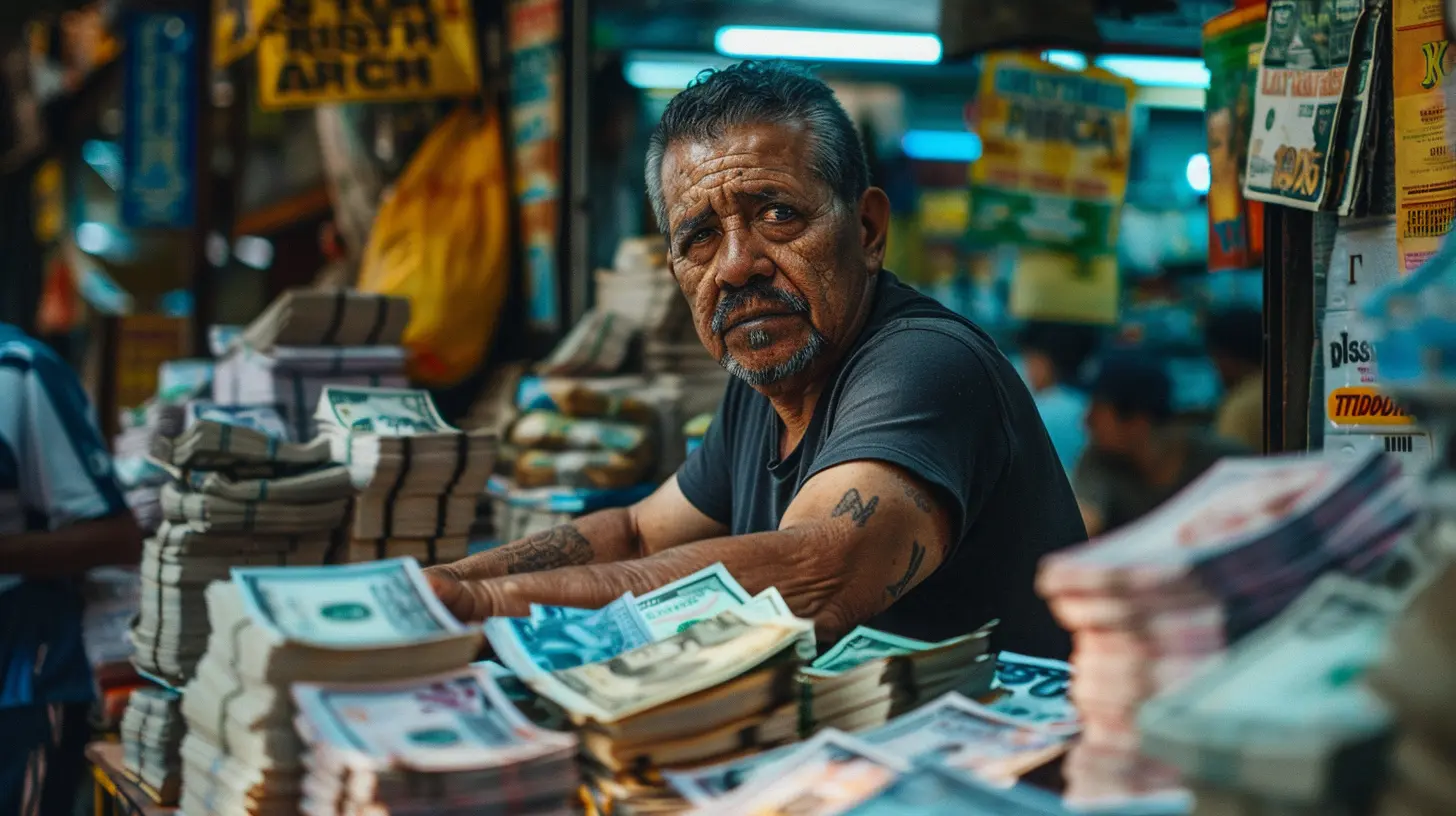
What Are Rogue Money Changers Anyway?
Let’s start with the basics.Rogue money changers are unauthorized or shady individuals and outfits that exchange money outside of official financial institutions. Whether it's a sketchy kiosk in an alleyway or a random guy flashing a calculator on the street, these folks are not regulated by financial authorities. They operate in the shadows and thrive on scamming unsuspecting tourists.
Their tactics? Oh, they’re varied and sneaky. From using sleight-of-hand to shortchange you, to bait-and-switch schemes or slipping in counterfeit bills. The worst part? Once the deal’s done, they vanish into the crowd faster than you can say “exchange rate.”
Why Are They a Problem?
Apart from clearly being illegal in many countries, rogue money changers can really mess up your travel plans. Here’s why they’re such a problem:- You lose money. Obvious, right? Whether it’s through a rigged rate or a fast-fingered switcheroo, you’re probably walking away with less.
- No recourse. Try complaining to anyone, and guess what? There’s no “customer service” with street changers.
- You may get fake money. Yep, counterfeit currency is a real risk. And you’re the one who ends up in trouble if you try to use it.
- Legal trouble. In some countries, exchanging money through unauthorized sources is illegal. Bad deal + legal woes = travel nightmare.
Now that we’ve painted the rogue picture, let’s talk about how to dodge these scams like a pro.
How to Spot a Rogue Money Changer
Ever heard the phrase “if it seems too good to be true, it probably is”? That’s pretty much the golden rule here. Let’s break down some telltale signs:1. They Approach You First
You’re strolling through a touristy street when someone whispers, “Good rate, very good rate!” Guess what? That’s red flag #1. Legitimate money changers don’t need to chase customers—they let their signs and storefronts do the talking.2. They're Not in a Storefront
Real currency exchange businesses operate from actual shops or kiosks—often accompanied by licenses, visible rate boards, and receipts. If someone is dealing from a backpack, briefcase, or random street corner? Hard pass.3. Suspiciously Good Rates
You checked the exchange rate online, and now this guy’s offering more? A full 10% higher? Sounds like an opportunity… until you count your bills later. They rope you in with attractive numbers and then hit you with hidden fees or subtle sleights of hand.4. They Avoid Paper Trails
They won’t give you a receipt, insist on cash-only, or just change the agreed rate at the last second. Be wary—no paper trail means no proof, and no way to hold them accountable.
Common Tricks Rogue Changers Use (And How to Outsmart Them)
Knowledge is your best shield. Here are a few sneaky tricks these con artists use—and how to avoid falling for them.✨ The “Switcheroo” Trick
They show you a good exchange rate, count the bills slowly in front of you, then “accidentally” drop the stack. When they pick it back up, it’s magically missing half the cash.How to avoid it: Never take your eyes off the money. Count it yourself, then double-check.
🔢 Calculator Scam
They enter the exchange amount on a calculator and it seems accurate. But the calculator is rigged to display incorrect totals.How to avoid it: Always use your own phone to double-check calculations.
💸 Bad Bill Mix
They might slip in counterfeit notes or mix currencies, especially if you’re unfamiliar with the local cash. Spotting fakes when you’re in a hurry is tough.How to avoid it: Familiarize yourself with local currency in advance. Google images help, and so does comparing your notes at a bank.
👀 Hidden Charges
They quote you the “best rate” then tack on a mystery "service fee" at the end—after the deal’s done.How to avoid it: Always ask for the final amount after all fees and before handing over your money.
Safe Alternatives: Where You Should Be Exchanging Money
Okay, so if these street exchangers are unsafe, where should you go? Here's where your money is in much safer hands.🏦 Banks
Banks offer the most transparent (though not always the best) rates. There’s paperwork, yes, but peace of mind is priceless. They’re also less likely to give you fake bills or cheat you on the rate.💳 ATMs
Using an ATM affiliated with a reputable bank is a great way to get local currency without the drama. Stick to machines that are inside banks or well-lit areas—those standalone ATMs in dark alleys? Not worth the risk.🏢 Authorized Exchange Bureaus
These are businesses licensed to exchange money. Think airport counters (although rates can be steep), city-center money changers with clear signage, and receipts. Check reviews before choosing one.💰 Digital Wallets & Travel Cards
Apps like Revolut, Wise, and even your bank’s international card can offer really competitive exchange rates. Plus, there’s less cash to carry—and fewer targeted scams.Travel-Ready Tips for Avoiding Money Exchange Scams
Want to avoid getting ripped off entirely? Here’s how to travel like a currency pro:✅ Do Your Homework First
Before setting foot in a foreign country, Google the current exchange rate. Apps like XE or OANDA are great for real-time updates. This way, you’ll know if someone is trying to pull a fast one.✅ Break Up Your Cash
Never carry all your eggs (or dollars) in one basket. Spread your cash across bags, pockets, or with your travel buddy. That way, even if something goes wrong, you’re not left empty-handed.✅ Avoid Exchanging at Night
Scammers love working in low-light situations where you can’t inspect the bills clearly. Daylight is your best friend here.✅ Ask Locals Where to Exchange
Hotel staff, guides, or even baristas can often point you to good, trusted exchange spots.✅ Keep Emergency USD or Euros
These are like the Swiss Army knife of currencies—accepted almost everywhere and great in emergencies.What to Do If You’ve Been Scammed
It happens to the best of us. If you realize that you’ve been tricked, don’t panic—but do take action:1. Report it immediately. Go to the nearest police station or tourist assistance bureau.
2. Notify your embassy if the scam involved a large amount.
3. Spread the word. Write a review or forum post to warn other travelers.
4. Stay calm. Being scammed is frustrating, but it's also a teachable moment (for you and others).
Wrapping It Up: Keep Your Cool and Your Cash
Look, travel is about adventure—but that doesn’t mean you have to accept being a target. Rogue money changers prey on ignorance and vulnerability, but now you’re armed with the knowledge to dodge their traps.When in doubt, trust your gut. If something feels fishy, it probably is. Play it safe, use authorized channels, and remember: your vacation memories should be about epic meals and scenic views—not tales of shady money mishaps.
Happy (and scam-free) travels to you!
all images in this post were generated using AI tools
Category:
Travel ScamsAuthor:

Shane Monroe
Discussion
rate this article
2 comments
Jocelyn Butler
In the heart of bustling markets, where trust is traded, heed the whispers of caution. With each bill exchanged, let wisdom guide your hand—guard against the sly and shadowed. Embrace the beauty of travel, but keep your wallet close and your spirit wise.
January 30, 2026 at 4:26 PM
Shane Monroe
Thank you for your insightful comment! Staying vigilant and wise while traveling is crucial to avoiding pitfalls with money changers.
Jessica Harris
Don't let rogue money changers ruin your travel experience! Stay vigilant and always compare rates before exchanging cash. Research reputable services, refuse shady deals, and trust your instincts. Protect your hard-earned money—after all, you deserve to enjoy your adventures without worry!
January 13, 2026 at 5:41 PM
Shane Monroe
Absolutely! Staying informed and cautious is key to avoiding rogue money changers and ensuring a smooth travel experience. Always compare rates and choose reputable services.