The Intersection of Tradition and Contemporary Art in Bali
21 February 2026
Bali has long been known as the Island of the Gods, famous for its breathtaking landscapes, rich traditions, and vibrant arts scene. But what happens when the deep roots of Balinese tradition meet the ever-evolving world of contemporary art? The result is a fascinating blend that honors the past while embracing the future.
In this article, we’ll dive into how Bali’s art scene has transformed over the years, where tradition and modern creativity intersect, and how this cultural fusion shapes the island’s identity today. 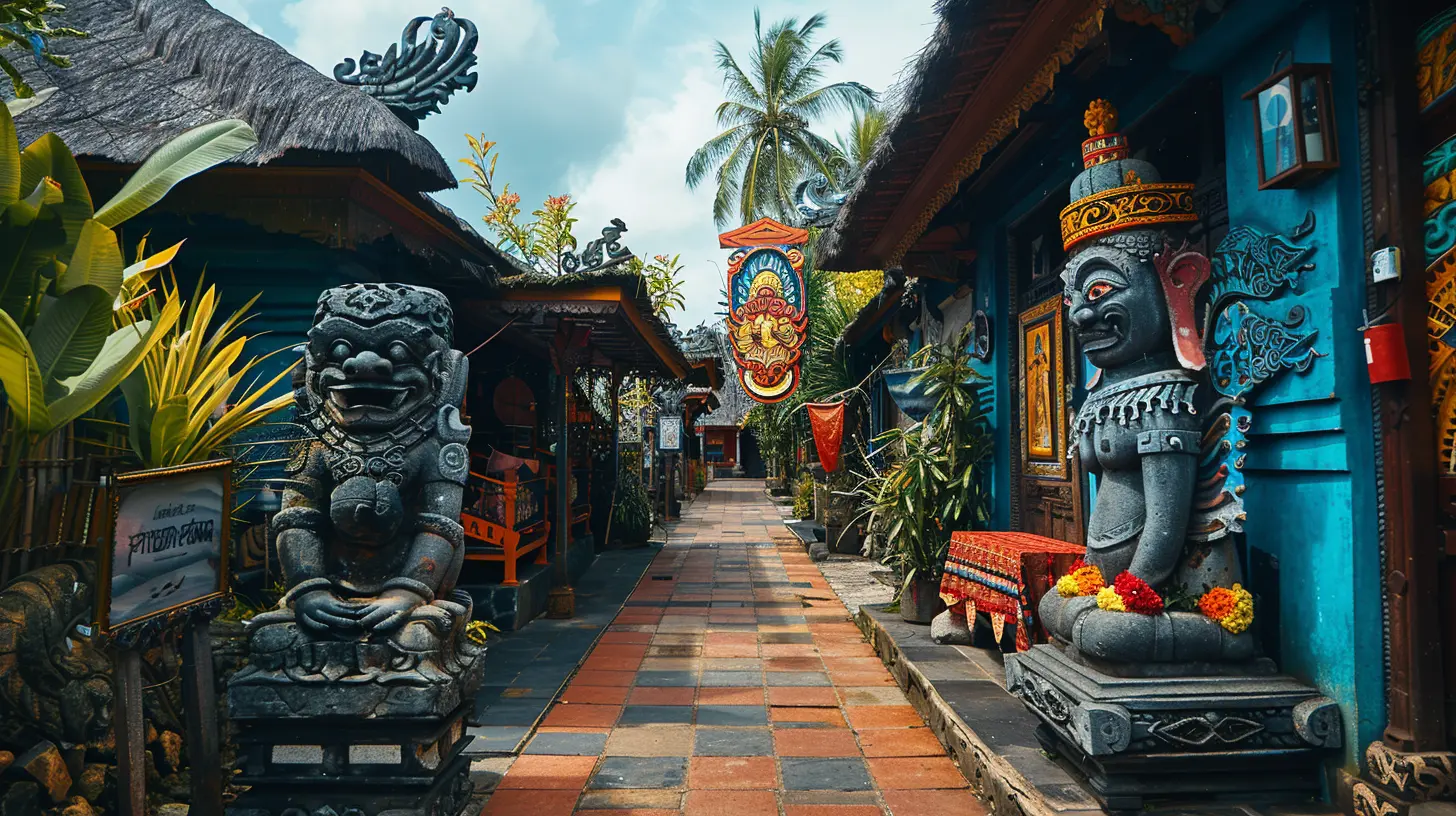
Bali’s Deep Artistic Roots
Bali isn’t just about pristine beaches and luxury resorts—it’s a living, breathing masterpiece steeped in culture. Art is everywhere, from intricately carved temples to mesmerizing dance performances. The island’s artistic traditions date back centuries, often intertwined with Hindu influences brought from India.Traditional Balinese Art: A Storytelling Medium
Balinese art isn’t just about aesthetics; it has always been a form of storytelling. Wayang kulit (shadow puppets), intricate batik textiles, hand-carved wooden masks, and traditional paintings serve as visual narratives of Hindu epics like the Ramayana and Mahabharata.Temples across the island are adorned with detailed stone carvings, each telling a tale of gods and demons, love and war, fate and free will. Even the famous Balinese dance forms like Barong and Legong are extensions of these artistic traditions, blending movement, music, and mythology. 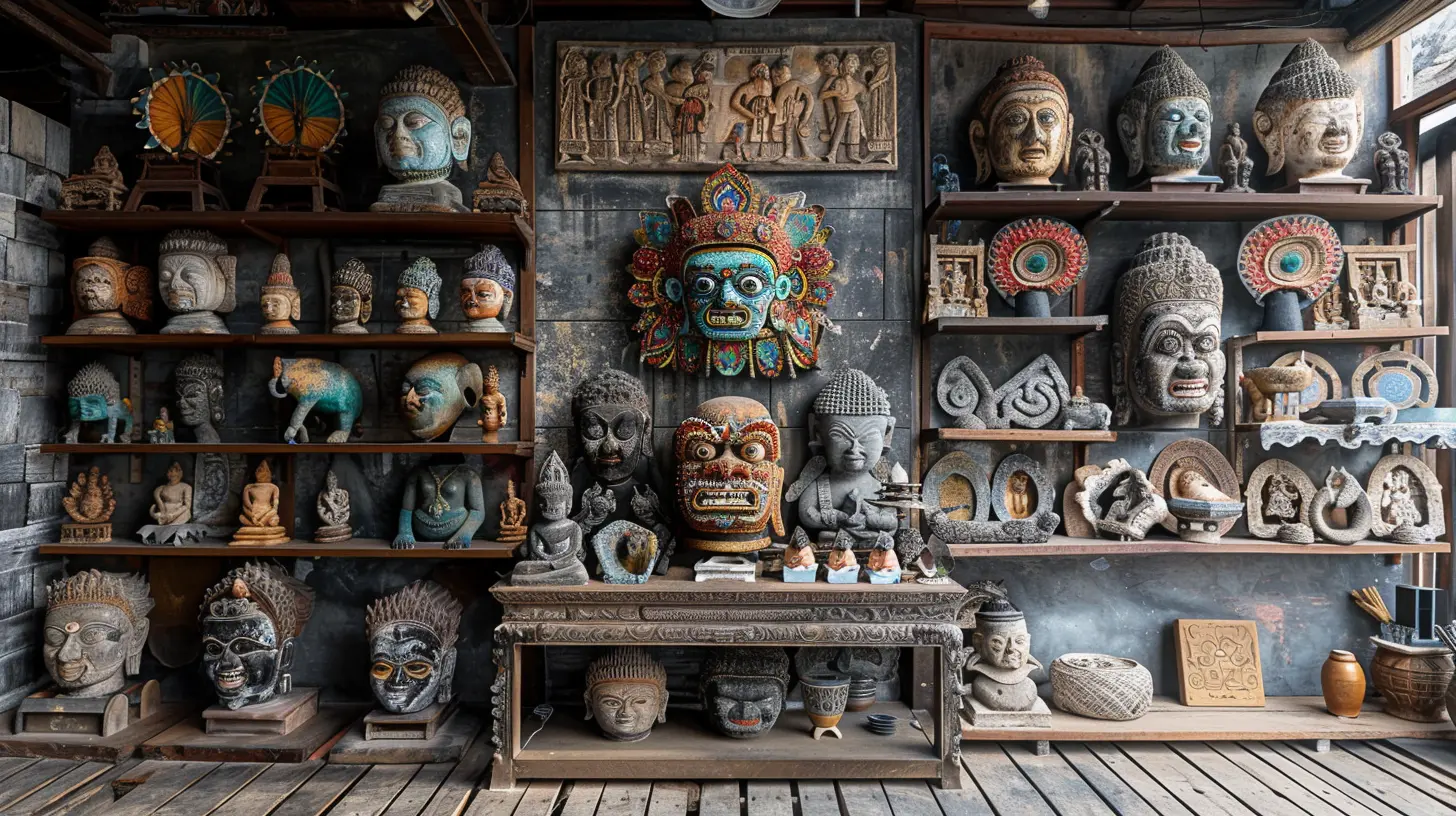
The Arrival of Contemporary Influences
Bali’s art scene started shifting when foreign artists arrived in the early 20th century. Painters like Walter Spies and Rudolf Bonnet settled in Ubud, bringing new techniques and perspectives while embracing Balinese culture.Fast forward to today, and Bali has become a melting pot of traditional craftsmanship and cutting-edge creativity. Modern artists are experimenting with mediums, blending old philosophies with modern aesthetics, and challenging the boundaries of what Balinese art can be.
Contemporary Art: Breaking the Norms
Unlike traditional Balinese art, which often follows strict guidelines influenced by religious beliefs, contemporary Balinese artists have more creative freedom. They use art as a tool for self-expression, social commentary, and even activism.From surreal paintings to experimental installations, today’s Balinese artists are redefining what it means to create art on the island. Many are inspired by global movements, yet they still maintain a connection to their heritage. 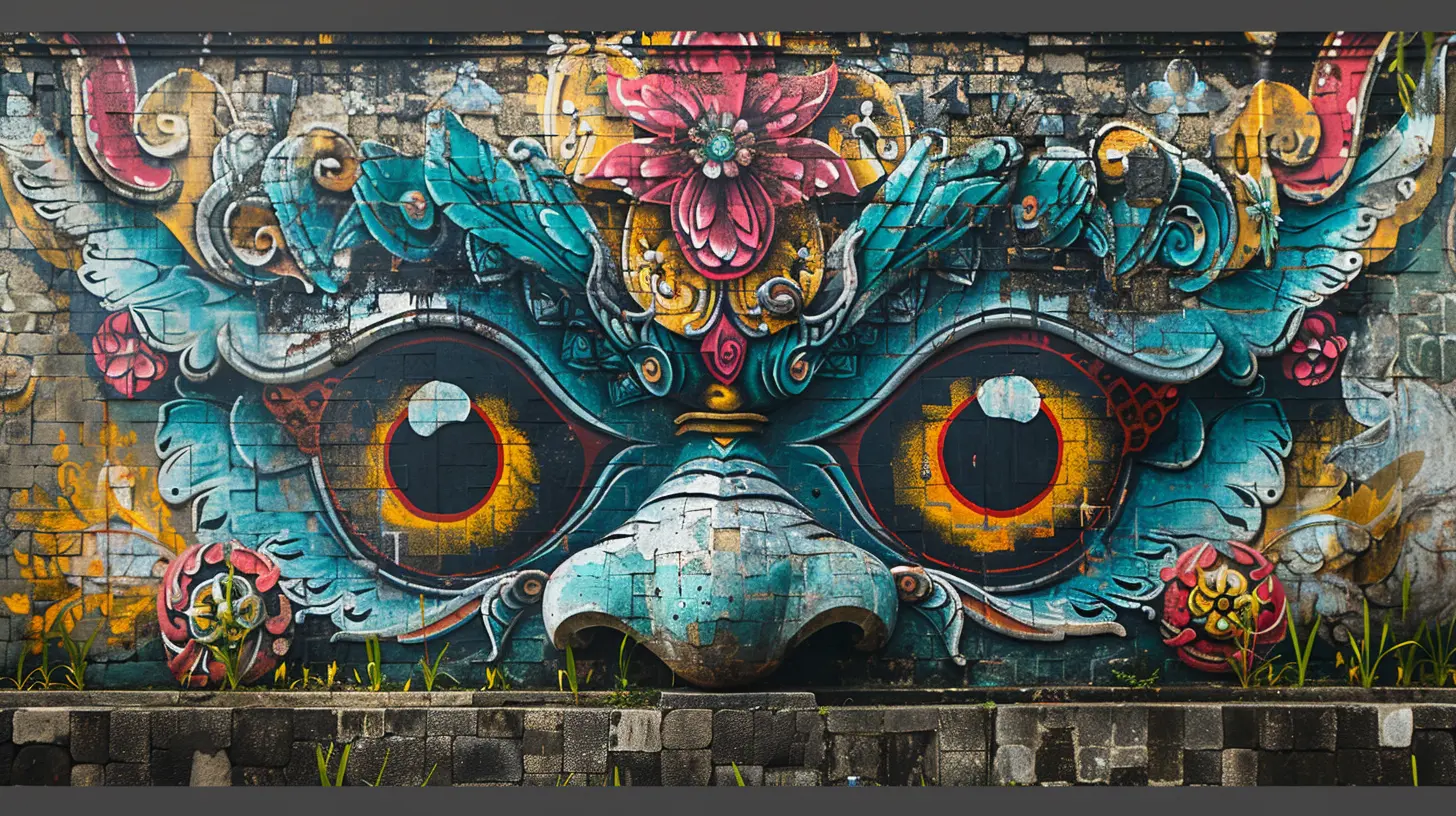
Where Tradition and Modernity Collide
The magic happens when ancient techniques and themes merge with modern ideas. This intersection of tradition and contemporary art is visible throughout Bali—in galleries, street murals, and even in fashion.1. Traditional Techniques in Contemporary Art
Modern Balinese artists often incorporate traditional techniques into their work. For instance, some painters still use natural pigments derived from plants, just like their ancestors did, but apply them to abstract and surreal compositions.Sculptors blend time-honored wood and stone carving methods with modern influences, creating pieces that feel both ancient and futuristic.
2. Ubud: The Hub of Creativity
Ubud remains the beating heart of Bali’s art scene. While its museums and galleries still showcase classic Balinese works, many newer spaces display contemporary artists pushing boundaries.The Agung Rai Museum of Art (ARMA) and the Neka Art Museum are perfect places to see this blend of past and present, while galleries like Gaya Art Space and Tony Raka Art Gallery highlight cutting-edge contemporary works.
3. Street Art and Modern Expressions
Bali's streets have become an open-air gallery. In places like Canggu and Seminyak, murals burst with color, blending elements of Balinese mythology with edgy, modern styles.What’s particularly interesting is how these murals often carry messages—sometimes political, sometimes philosophical—challenging viewers to see the world through a different lens. 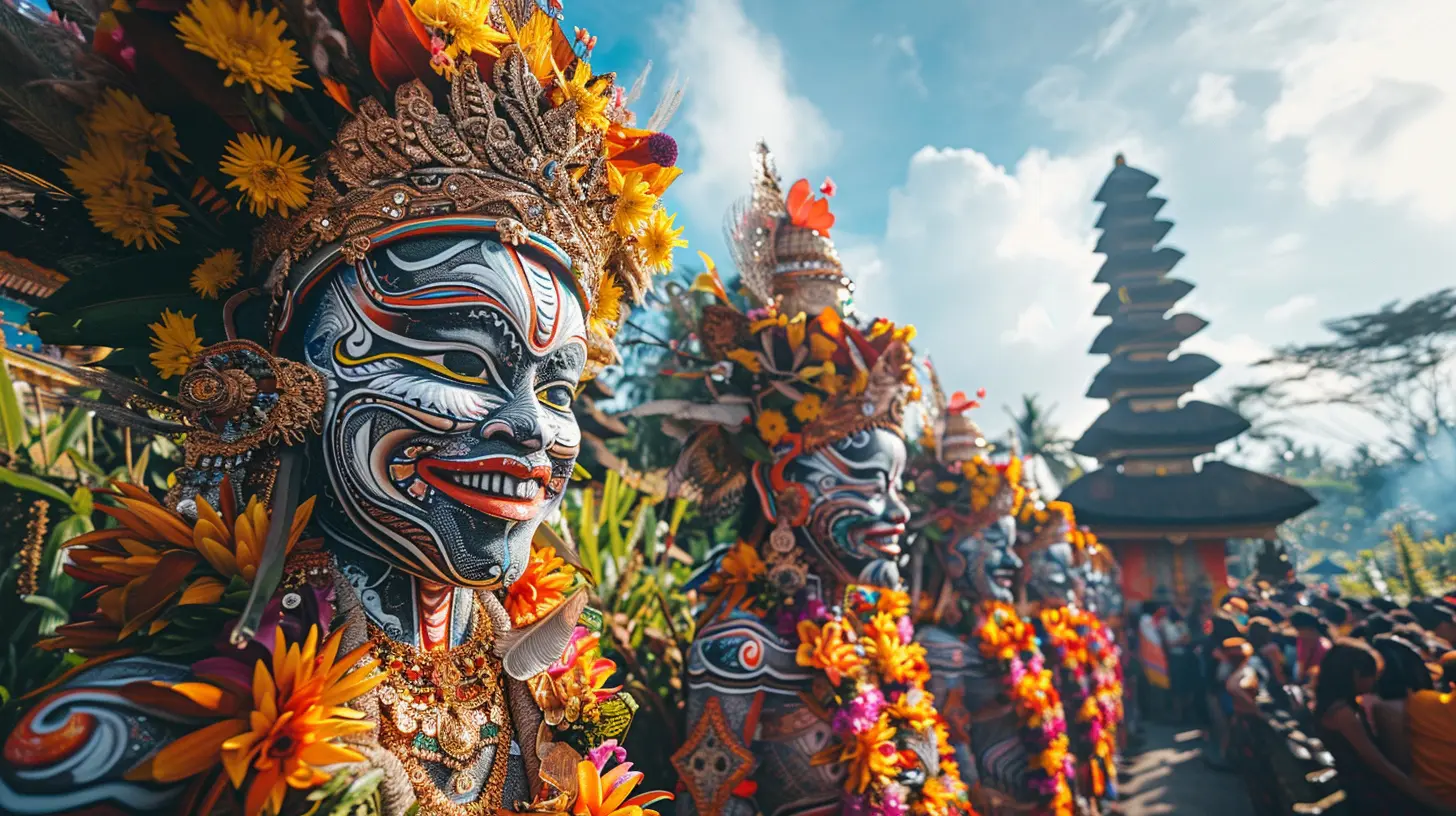
Balinese Artists Bridging the Gap
Several Balinese artists are at the forefront of this creative fusion, seamlessly weaving tradition and contemporary influences. Here are a few notable names:I Nyoman Masriadi
One of Indonesia’s most acclaimed contemporary artists, Masriadi’s work fuses Balinese themes with modern pop culture and social critique. His paintings feature bold characters with exaggerated expressions, making strong statements about power and identity.Cempaka Putri
A rising female artist in Bali, Cempaka blends traditional Balinese patterns with contemporary feminist themes, challenging gender roles through her visually stunning paintings.I Gede Gunada
Gunada’s unique approach to sculpture takes inspiration from classic Balinese carvings but transforms them into abstract, thought-provoking installations that challenge societal norms.How Tourists Can Experience This Artistic Fusion
If you're visiting Bali and want to witness the blend of tradition and contemporary art, here are some must-visit places and experiences:1. Visit Art Museums and Galleries
- ARMA (Agung Rai Museum of Art) – A mix of classical and contemporary Balinese masterpieces.- Nyaman Gallery – A modern art space showcasing emerging Balinese artists.
- Gaya Art Space – A fusion of sculpture, paintings, and modern installations.
2. Attend Art Festivals
- Bali Art Festival (Pesta Kesenian Bali) – Celebrates traditional art while featuring contemporary performances.- Ubud Writers & Readers Festival – A space where visual art meets literature and new ideas emerge.
3. Explore Bali’s Street Art Scene
Take a walk in Canggu, Seminyak, or even Denpasar to witness stunning murals. Some local artists also offer street art tours, giving deeper insights into the messages behind the murals.4. Join an Art Workshop
Want to dive deeper? Many art studios in Ubud and beyond offer workshops where you can try traditional Balinese painting, batik-making, or even contemporary mixed-media art.Final Thoughts: Tradition and Innovation Coexisting
Bali is known for its timeless traditions, but it’s also a place where creativity flourishes without boundaries. The intersection of traditional Balinese art and contemporary expression isn’t just a trend—it’s a testament to the island’s ability to evolve while staying true to its roots.From meticulously crafted temple carvings to avant-garde street murals, Bali proves that tradition and modernity don’t have to be at odds. Instead, they can dance together, creating something truly spectacular.
So, the next time you’re in Bali, take a moment to look beyond the beaches. Dive into its artistic soul, and you might just find a story waiting to be told—one that bridges the past and the future in the most breathtaking way.
all images in this post were generated using AI tools
Category:
Cultural ToursAuthor:

Shane Monroe
Discussion
rate this article
2 comments
Astraea Carter
This article beautifully captures Bali's unique cultural tapestry, where tradition seamlessly intertwines with contemporary art. However, it could further explore the tensions and dialogues between local artisans and global influences, offering deeper insights into how these dynamics shape both identity and tourism on the island.
March 1, 2026 at 6:02 PM
Shane Monroe
Thank you for your insightful comment! I appreciate your suggestion to delve deeper into the interactions between local artisans and global influences—it's a crucial aspect of Bali's evolving cultural landscape. I'll consider it for future explorations.
Paxton McSweeney
This article beautifully highlights how Bali's vibrant contemporary art scene harmoniously blends with its rich cultural traditions, creating a unique artistic expression.
February 22, 2026 at 5:46 AM
Shane Monroe
Thank you for your thoughtful comment! I'm glad you appreciated the exploration of Bali's unique artistic fusion.