Secrets of Silk Road Cultural Expeditions
24 August 2026
The Silk Road—just hearing the name conjures up images of camel caravans, ancient cities, and bustling bazaars filled with vibrant textiles and exotic spices. But beyond the trade routes and commercial exchanges, the Silk Road was a melting pot of cultures, religions, and human stories.
Want to go beyond the postcards and Instagram snapshots? Let’s uncover the lesser-known secrets of Silk Road cultural expeditions that reveal a deeper understanding of this legendary route.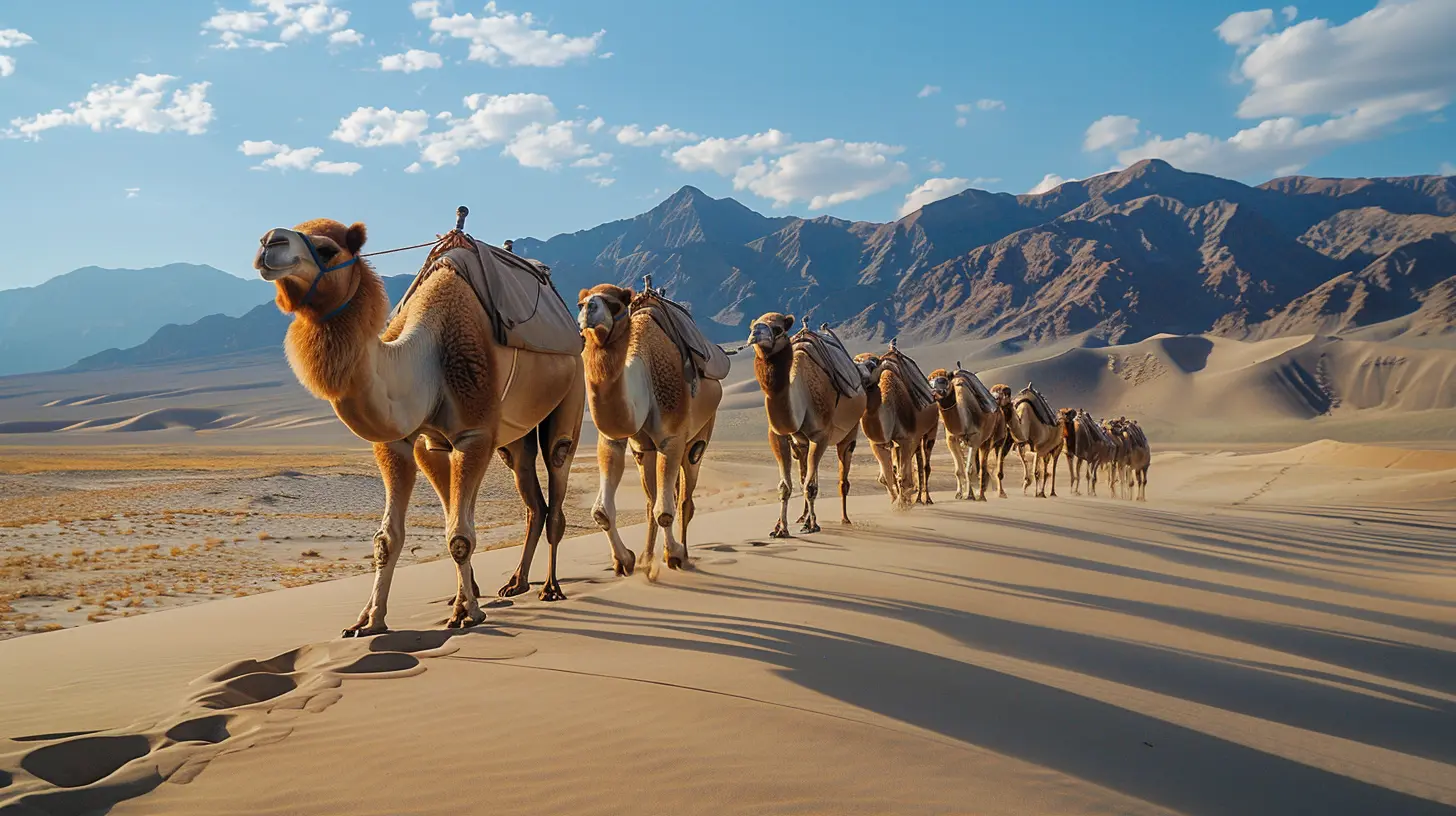
1. More Than Just Trade: The Cultural Crossroads
Most people associate the Silk Road with commerce, but it was also the superhighway of cultural exchange. This vast network connected China, Central Asia, the Middle East, and even parts of Europe. Alongside silk and spices, it transported ideas, languages, religions, and artistic influences.Imagine stepping into an ancient Silk Road bazaar—Persian merchants haggling with Chinese silk traders, Indian scholars discussing Buddhism with Central Asian monks, and local artisans blending these diverse influences into their crafts. It wasn’t just about goods; it was about the fusion of worlds.
The Spread of Religions
The Silk Road played a massive role in spreading major religions. Buddhism traveled from India to China through Central Asia, Islam expanded across trade hubs, and Nestorian Christianity found its way deep into Chinese territory. If you’ve ever wondered how a single road could change the spiritual map of the world, this is it.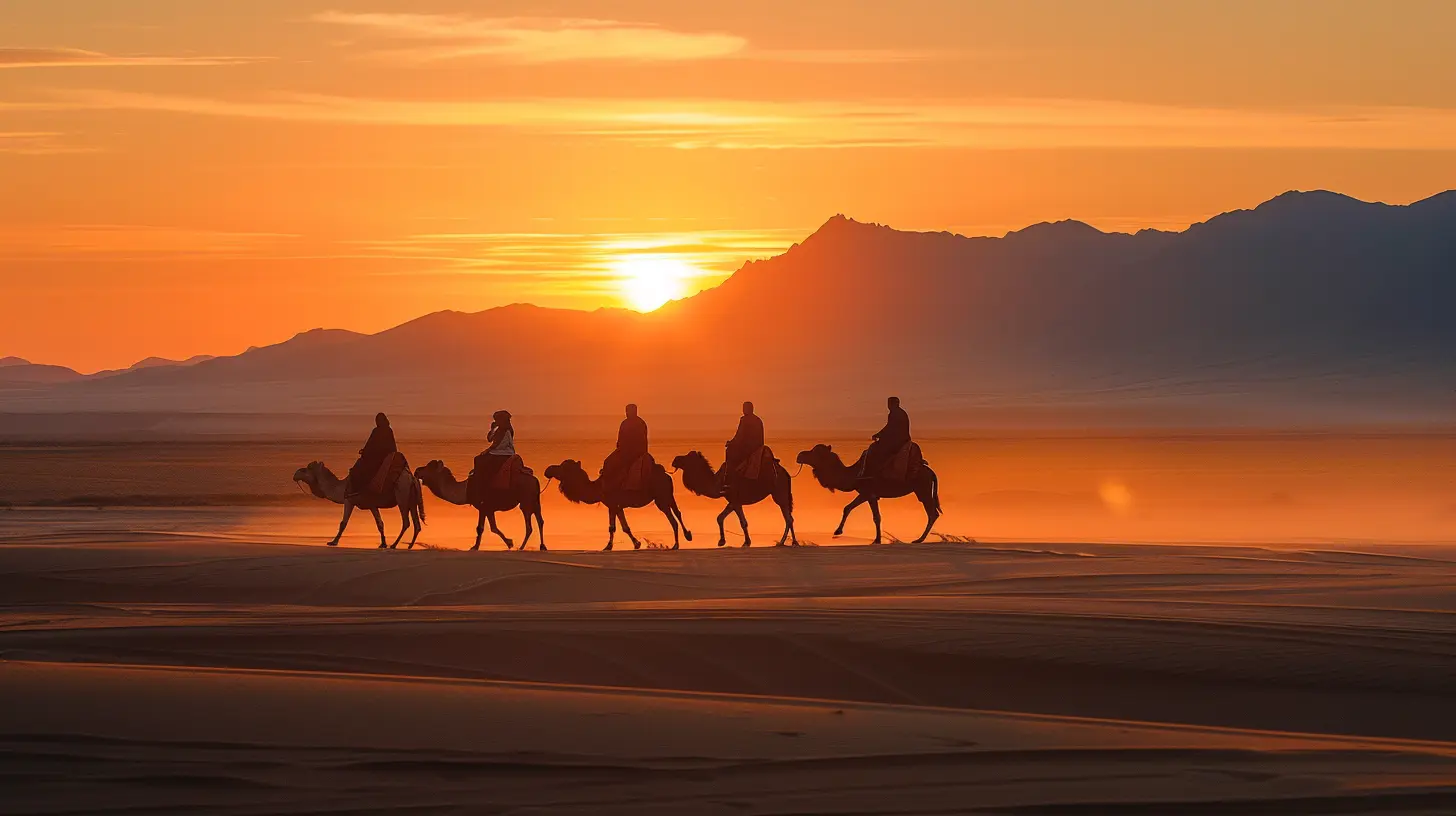
2. Hidden Ancient Cities and Lost Civilizations
The Silk Road wasn’t a single route but a web of interconnected paths. Some of its once-thriving cities have been swallowed by deserts or lost to time. But if you dig into their histories, you'll find incredible stories.Merv – The Forgotten Metropolis
Ever heard of Merv? It was once one of the largest cities in the world, a thriving center of science and culture, often compared to Baghdad. Today, it lies in ruins in modern-day Turkmenistan, but its significance in the history of the Silk Road is immeasurable. It was the meeting ground for scholars, astronomers, and poets long before the Renaissance.Dunhuang – The Gateway to Spiritual Treasures
This Chinese oasis town was a major Silk Road stop where east met west. The Mogao Caves, filled with breathtaking Buddhist murals, contain a treasure trove of ancient manuscripts, some dating back to the 4th century. The hidden "Library Cave," discovered in 1900, held thousands of documents, shedding light on the intellectual and spiritual exchanges along the route.Khiva – A Fairytale Out of Time
Step into Khiva, Uzbekistan, and it feels like stepping back into the past. With its well-preserved ancient city of Itchan Kala, filled with blue-tiled mosques and winding alleys, Khiva holds the essence of Silk Road magic. Once a major trade stop, it now stands as an open-air museum, telling the unspoken stories of merchants, travelers, and conquerors.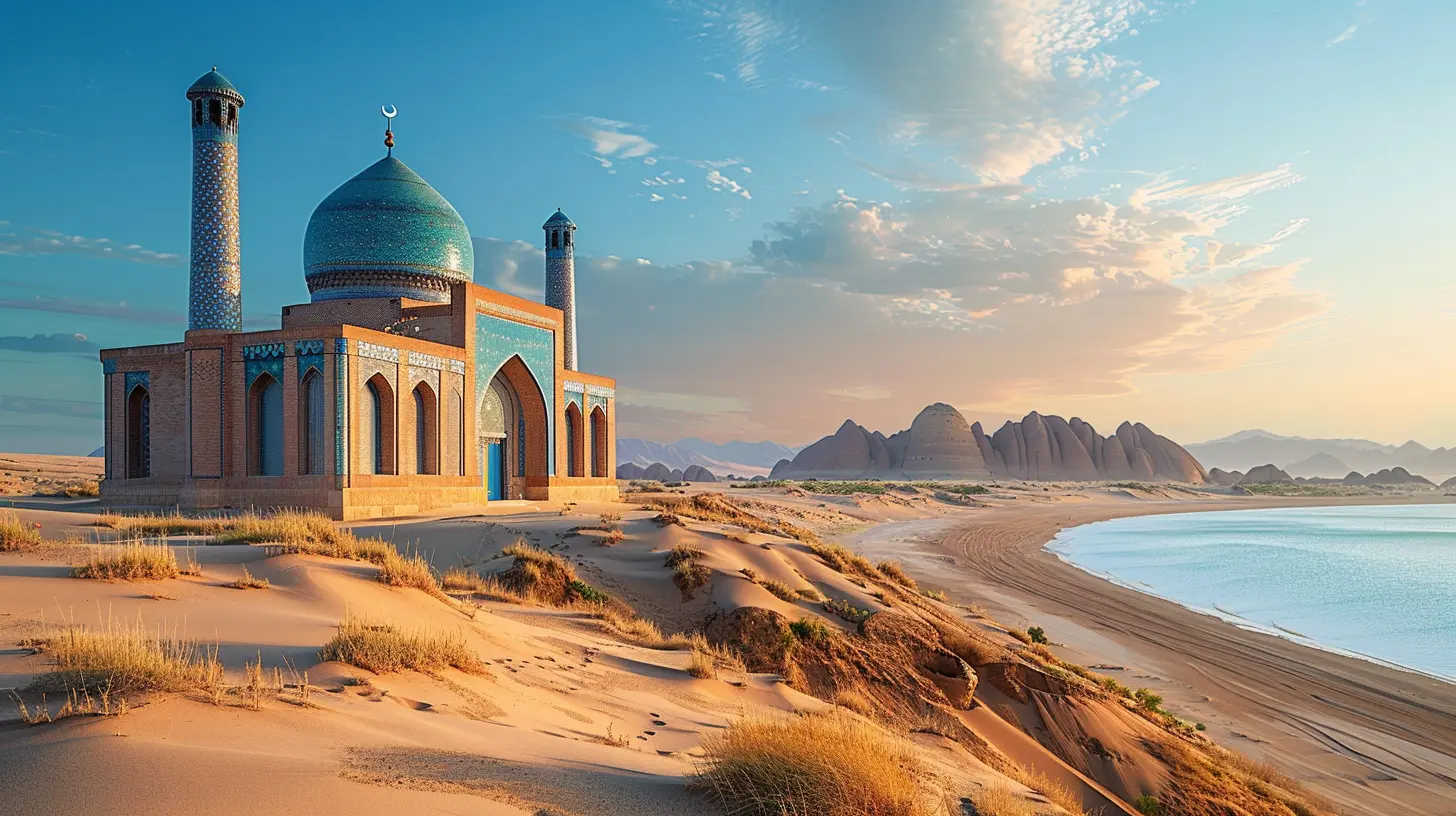
3. The Unsung Heroes of the Silk Road
When we think of the Silk Road, we often imagine traders and emperors, but what about the people who made these journeys possible?Caravan Guides – The Real-Life GPS of the Past
Before Google Maps, these guides led caravans through dangerous deserts, unpredictable mountains, and foreign lands, relying on memory, intuition, and survival skills. Losing your way wasn’t an option, as many routes, especially the Taklamakan Desert, were known as "the place of no return."Silk Road Women – The Forgotten Influencers
The Silk Road wasn't just a man's world. Women played a crucial role as brokers, artisans, and even political mediators. Royal women from China and Central Asia often married foreign rulers, sealing political alliances and bringing cultural traditions with them. Some even ran powerful trading enterprises, proving that behind every great route, strong women were shaping history.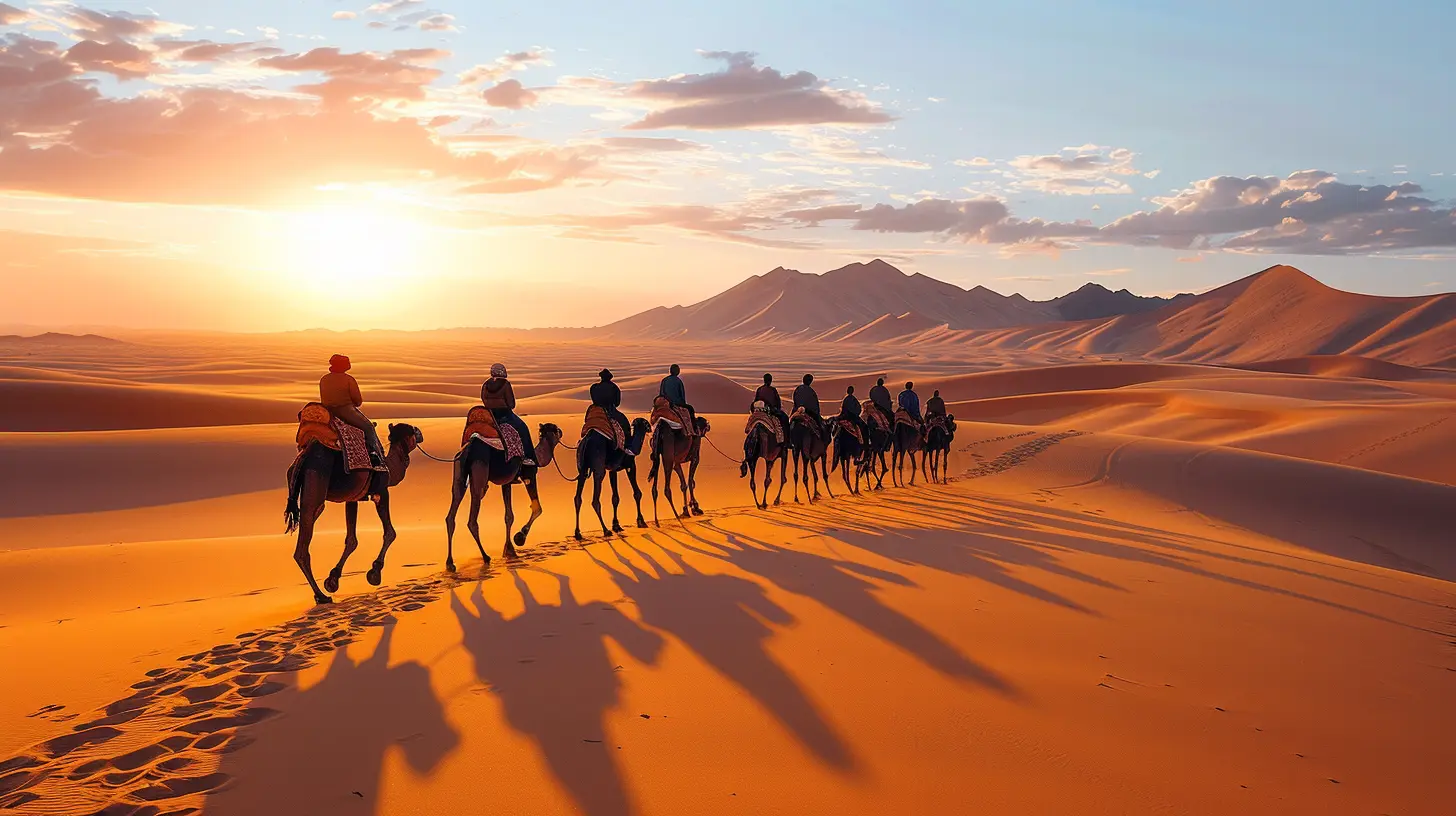
4. Secret Recipes and Forgotten Flavors
We all love a good meal, but did you know that some of the food we eat today has roots in the Silk Road? The routes didn’t just carry goods—they carried flavors, cooking techniques, and ingredients that shaped cuisines across continents.Pilaf – A Dish as Old as Time
This rice dish, popular from India to Central Asia, has its origins in Persia. It traveled along the Silk Road, evolving into different versions like Uzbek plov or Indian biryani. Next time you take a bite, imagine the centuries of history in that spoonful.Silk Road Spices – The Original Global Fusion
Cumin, saffron, cinnamon, and cardamom—these flavors made their way through trade routes, influencing dishes from Chinese dumplings to Middle Eastern stews. Without the Silk Road, our spice racks would look very different.The Ancient Tea Culture
Tea is practically synonymous with China, but its journey westward was entirely thanks to the Silk Road. Over time, tea-drinking rituals emerged in places like Persia, Russia, and even Europe, giving us the diverse tea traditions we enjoy today.5. The Mysterious Disappearance of the Silk Road
If the Silk Road was so important, why did it disappear? Well, it didn’t vanish overnight, but a few key events sealed its fate.The Rise of Maritime Trade
By the 15th century, ocean routes became more reliable and cost-effective than land routes. When Portuguese, Dutch, and British ships started dominating global trade, the Silk Road slowly faded into history.The Fall of Empires
Strong empires maintained the safety of the Silk Road, but as Mongols, Persians, and Chinese dynasties weakened, so did the security of the route. Without stable political control, trade declined.The Plague Factor
Yes, even the Black Death had a role in shaping history. When the plague swept through the Silk Road, killing millions, trade significantly slowed. Some scholars believe the Silk Road itself may have contributed to the spread of the disease across continents.6. Modern-Day Silk Road Expeditions: A Journey Through Time
Today, the Silk Road is more than just a historical concept—it’s an adventure waiting to happen. From the stunning landscapes of Kyrgyzstan to the bustling bazaars of Uzbekistan, traveling along the modern Silk Road is like walking through a living museum.If you’re thinking about embarking on a Silk Road expedition, here are a few must-visit places:
- Samarkand, Uzbekistan – The heart of the Silk Road, with its dazzling Registan Square.
- Xi’an, China – The starting point of the road, home to the famous Terracotta Army.
- Bukhara, Uzbekistan – A treasure trove of mosques, medressas, and ancient caravanserais.
- Kashgar, China – A historic market town that still retains its Silk Road charm.
So, is a Silk Road journey worth it? Absolutely. It’s not just a trip—it’s an experience that immerses you in centuries of history, culture, and adventure.
Final Thoughts
The Silk Road isn’t just a chapter in history books—it’s a living, breathing legend that continues to inspire travelers, historians, and dreamers. Whether through ancient ruins, exotic flavors, or the echoes of cultures long past, the secrets of Silk Road cultural expeditions remind us that the world has always been connected in more ways than we realize.So, if you ever get the chance to follow in the footsteps of ancient traders, grab it. Who knows? You might just uncover a secret of your own.
all images in this post were generated using AI tools
Category:
Cultural ToursAuthor:

Shane Monroe
Discussion
rate this article
1 comments
Keira Adkins
Exploring the Silk Road is like stepping into a living museum of vibrant cultures, scrumptious food, and stunning landscapes. Pack your bags and prepare for an adventure that sparks the imagination!
September 17, 2026 at 2:43 AM
Shane Monroe
Absolutely! The Silk Road is a treasure trove of history and flavors just waiting to be experienced. Adventure awaits!