The Cultural Heritage of French Wine Villages
21 October 2026
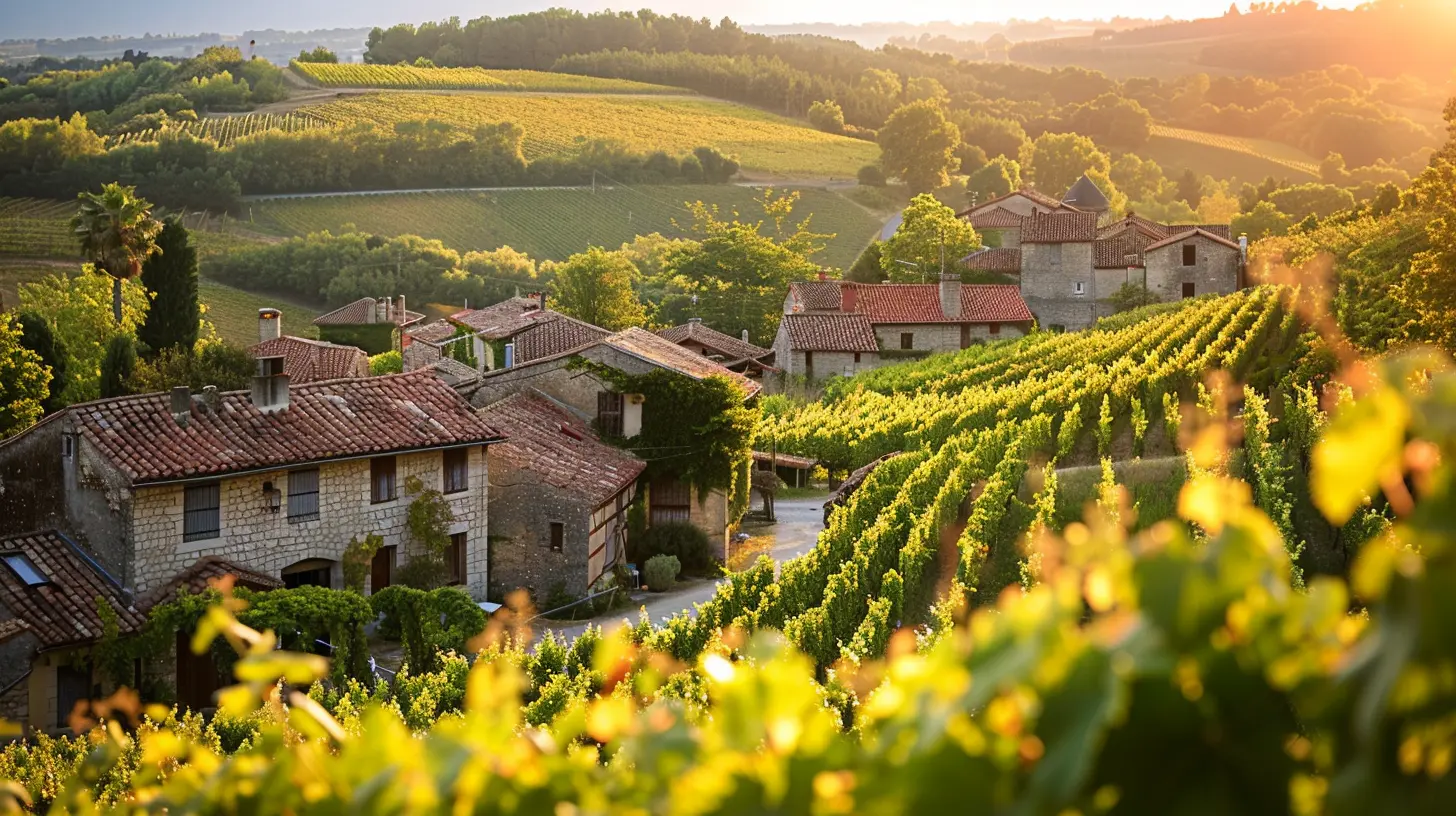
France and wine—these two words are almost inseparable. The romantic landscapes, rolling vineyards, and charming stone cottages of French wine villages have been the heart and soul of the country’s winemaking tradition for centuries. But these villages aren’t just about wine; they symbolize history, culture, and a way of life that has been passed down through generations.
So, what makes these picturesque wine villages so special, and why are they treasured as cultural gems? Let’s take a journey through the cobbled streets, sun-kissed vineyards, and rich traditions of France’s most iconic wine-producing regions.
A Legacy Steeped in History
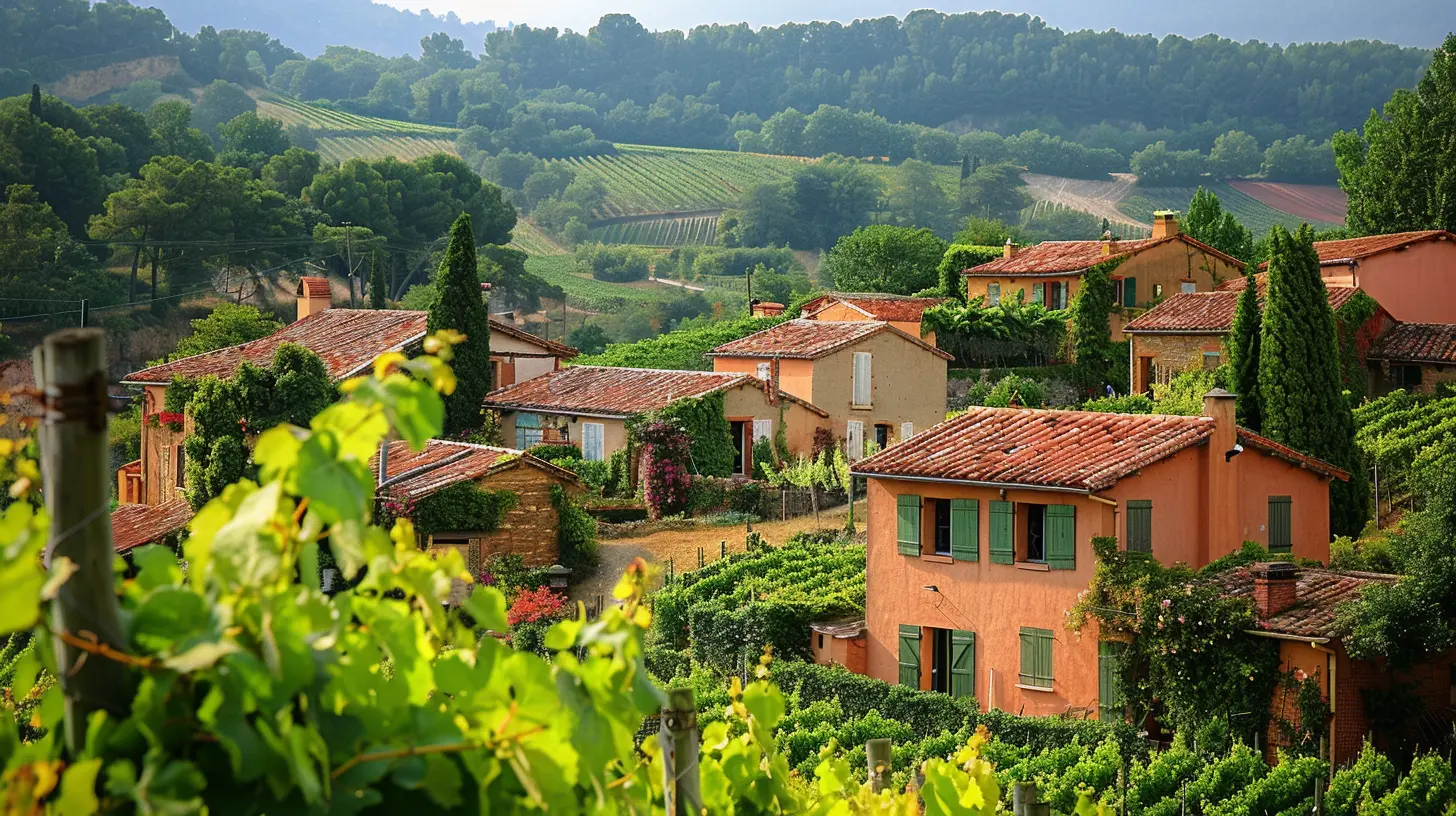
French wine villages are more than just places where grapes grow—they are living museums of history and heritage. Many of these villages date back to Roman times, when winemaking techniques were first introduced to the region. Over the centuries, monasteries, aristocrats, and dedicated vintners refined these methods, shaping the art of viticulture as we know it today.Take Saint-Émilion, for example. This medieval village in Bordeaux is a UNESCO World Heritage Site, with ancient limestone caves, historic churches, and centuries-old vineyards. The village’s very foundation is intertwined with winemaking, making it a must-visit for anyone who appreciates history and fine wine.
The Magic of Terroir
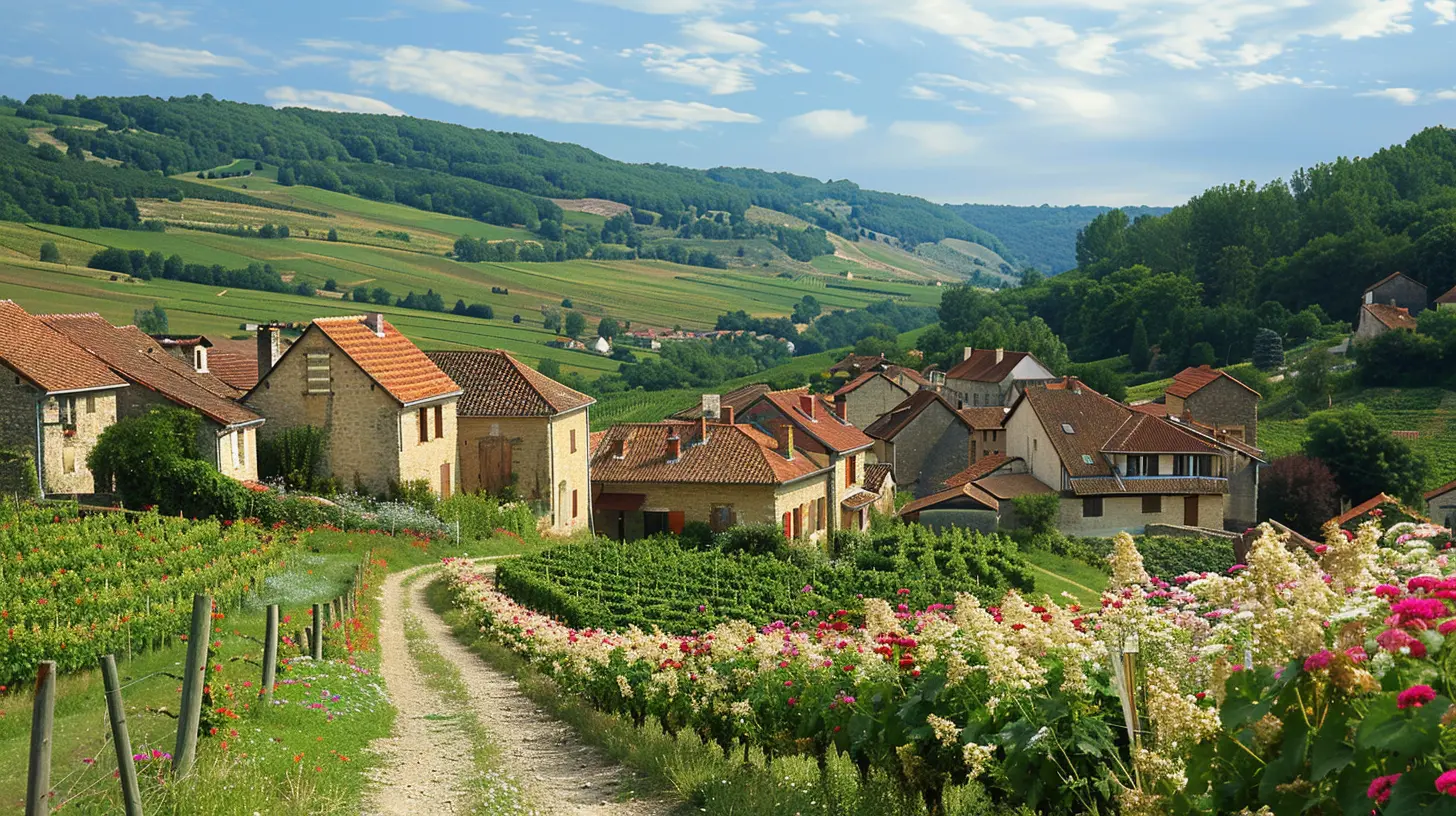
In France, terroir is everything. This concept—unique to French winemaking—encompasses the soil, climate, topography, and local traditions that influence the taste of a wine. No two villages have the same terroir, which is why wines from Burgundy taste completely different from those of the Loire Valley.For instance, in Châteauneuf-du-Pape, the stony soil retains heat, producing bold, full-bodied reds. Meanwhile, in Sancerre, the chalky soil and cool climate give birth to crisp, mineral-driven Sauvignon Blancs. The land speaks through the wine, and each village has its own flavorful dialect.
Architectural Charms and Timeless Traditions
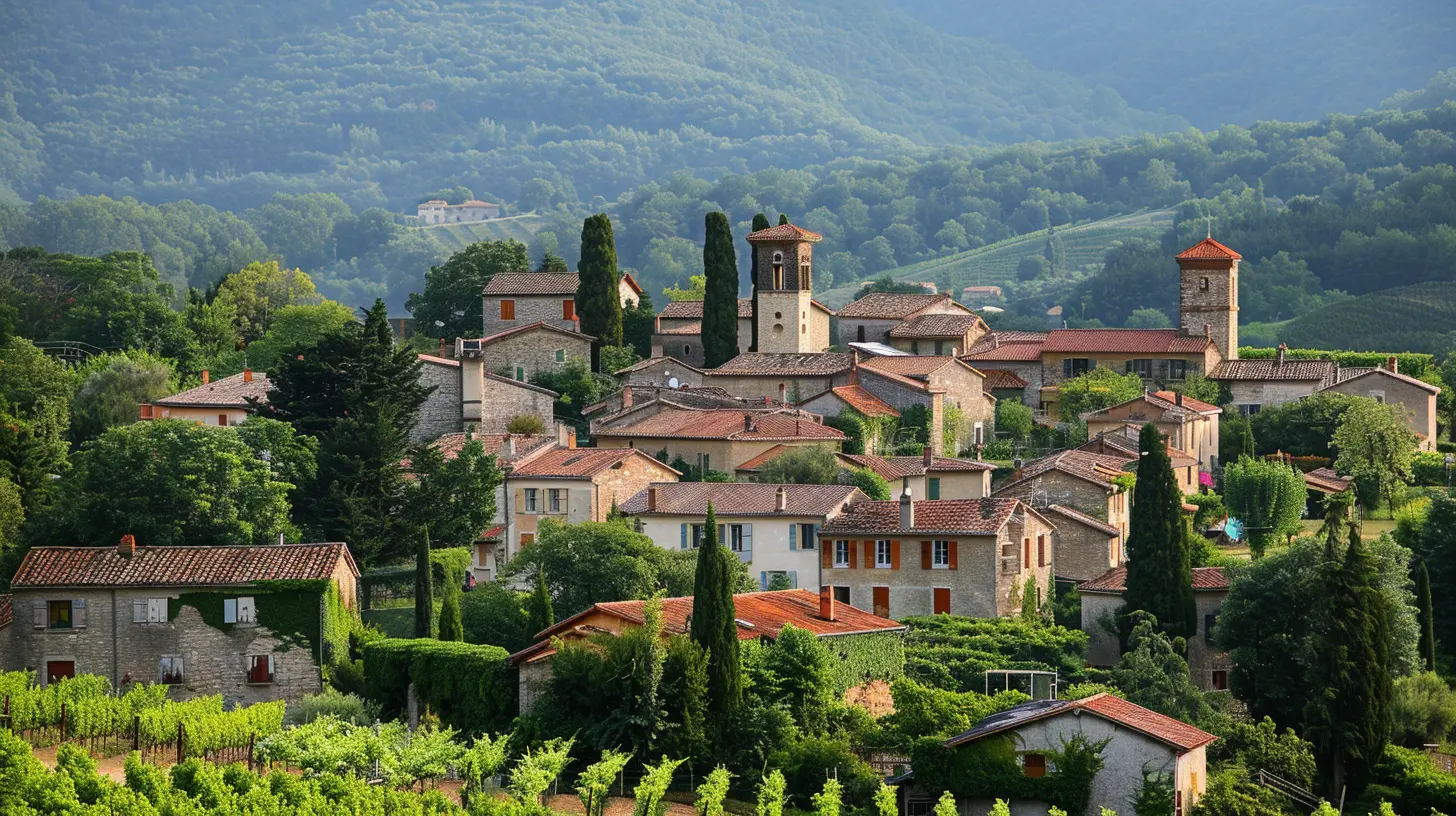
Strolling through a French wine village is like stepping into a fairy tale. From half-timbered houses to grand châteaux, the architecture tells stories of a bygone era.In Colmar, Alsace, brightly painted houses line the canals, reflecting a blend of French and German influences. Meanwhile, in Beaune, Burgundy’s wine capital, ancient stone buildings encircle the famous Hospices de Beaune, a medieval hospital that now hosts one of the world’s most prestigious wine auctions.
And let’s not forget the wine cellars—some of which have been used for hundreds of years. Beneath the streets of many villages, labyrinths of underground caves hold barrels of aging wine, preserving the traditions of generations past.
Festivals and Celebrations
If there’s one thing the French know how to do well (aside from making wine), it's celebrating it. Wine festivals are deeply rooted in the cultural life of these villages.Take the Fête des Grands Vins de Bourgogne, held in Beaune each November. This three-day festival brings together wine lovers and connoisseurs to taste some of Burgundy’s finest vintages. In Alsace, the Colmar Wine Fair showcases the best local wines alongside music, food, and art exhibitions.
Harvest festivals are another highlight. During the Vendanges (grape harvest), villages come alive with traditional songs, dances, and communal feasts, celebrating the fruits of their labor. These events aren’t just about wine; they foster a sense of belonging and keep cultural traditions alive.
The Art of Wine and Gastronomy
In France, wine and food go hand in hand. Each wine village has its own culinary specialties that complement its local wines perfectly.In Burgundy, a glass of Pinot Noir pairs beautifully with boeuf bourguignon (slow-cooked beef stew). Over in Alsace, Riesling is the perfect match for choucroute garnie, a dish of sauerkraut and sausages. And in Bordeaux, no meal is complete without a hearty entrecôte à la bordelaise, a rib steak cooked in a rich red wine sauce.
The deep-rooted connection between winemaking and cuisine makes these villages a paradise for food and wine lovers alike. The traditions of pairing food with locally produced wine date back centuries and remain an essential part of French culture today.
Sustainable Winemaking and Generational Passion
For many families in these wine villages, winemaking isn’t just a business—it’s a way of life. Vineyards are often passed down from generation to generation, with each family member contributing their expertise and passion.Recently, there has been a growing movement towards organic and biodynamic winemaking. Many vintners now embrace sustainable agriculture, avoiding chemicals and working in harmony with nature. This commitment to preserving the land ensures that future generations can continue the tradition of winemaking that these villages have upheld for centuries.
Must-Visit French Wine Villages
If you’re dreaming of a trip to France’s wine country, here are some must-visit wine villages that capture the essence of French winemaking culture:- Saint-Émilion (Bordeaux) – A medieval village renowned for its prestigious vineyards and historic sites.
- Beaune (Burgundy) – The capital of Burgundy wine, rich in history, architecture, and world-class wines.
- Châteauneuf-du-Pape (Rhône Valley) – Famous for its bold red wines and stunning views of the Rhône.
- Riquewihr (Alsace) – A postcard-perfect village with cobbled streets and exceptional Rieslings.
- Chinon (Loire Valley) – Known for its charming riverside setting and high-quality Cabernet Franc wines.
Conclusion
French wine villages are more than just scenic getaways—they are vibrant cultural centers where history, tradition, and passion for wine come together. Whether you’re wandering through medieval streets, tasting exceptional vintages, or joining a lively harvest festival, these villages offer an authentic glimpse into France’s most cherished traditions.So, next time you pour yourself a glass of French wine, take a moment to appreciate the centuries of craftsmanship, heritage, and love that went into it. After all, every sip tells a story, and those stories begin in the heart of these enchanting wine villages.
all images in this post were generated using AI tools
Category:
Cultural ToursAuthor:

Shane Monroe