The Knockoff Goods Scam: How to Spot Fake Merchandise
9 December 2025
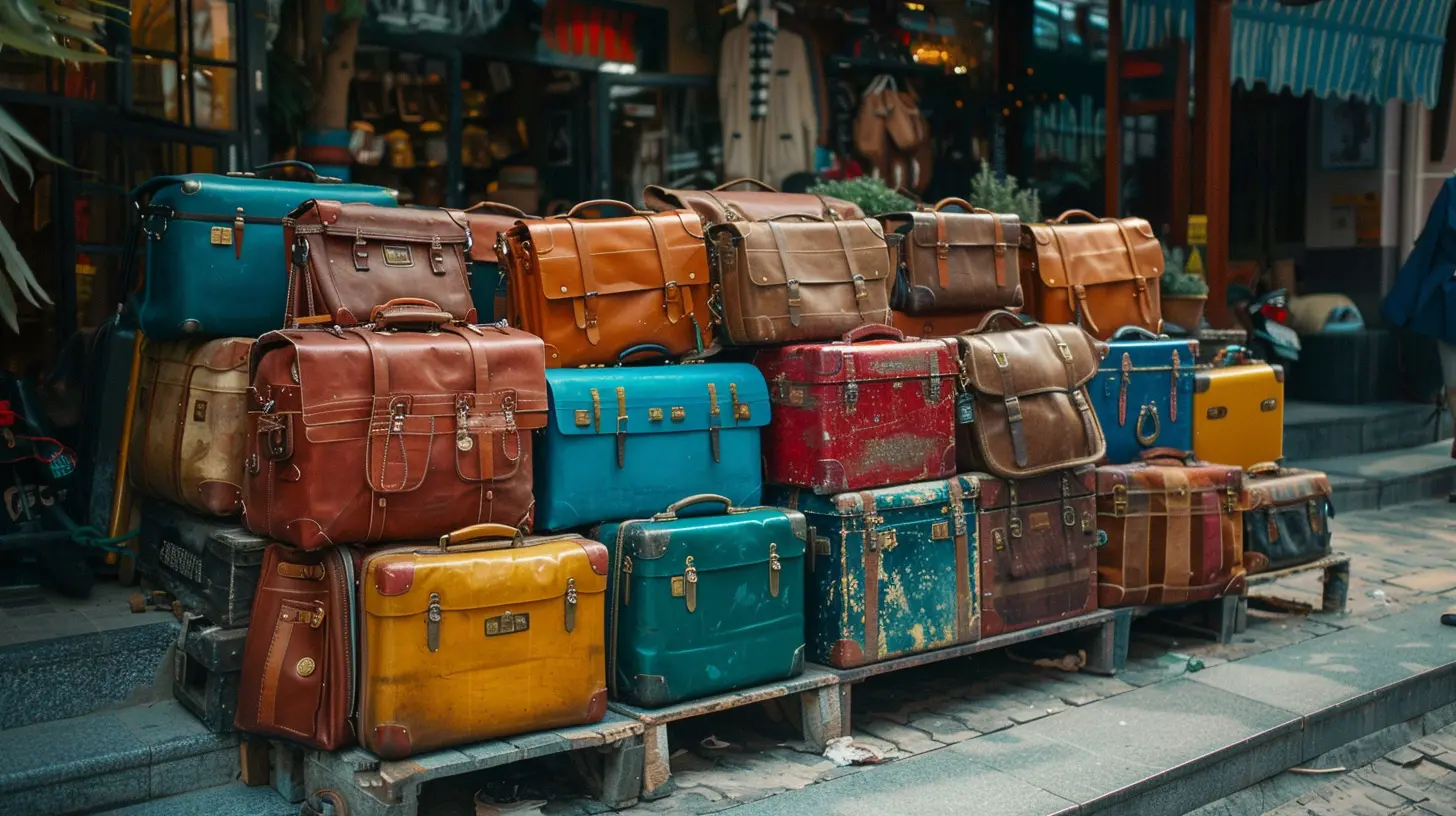
Have you ever thought you scored a great deal, only to realize later that what you bought was fake? Counterfeit goods are everywhere—online marketplaces, street vendors, even some seemingly legit stores. From designer handbags to high-tech gadgets, knockoff goods are a multi-billion-dollar industry.
But here's the kicker: fake products don’t just hurt your wallet. They can pose serious safety risks, fund illegal activities, and leave you with a lousy experience. So, how do you avoid getting scammed? Let’s dive deep into the world of counterfeit products and uncover the red flags that could save you from wasting your hard-earned cash.
Why Counterfeit Goods Are a Big Problem
Fake products aren’t just about someone trying to sell you a cheap knockoff for a quick buck. The counterfeit industry has massive consequences.- They Hurt the Economy – Legit businesses lose billions every year because of fakes. That means fewer jobs and less innovation.
- They Can Be Dangerous – Fake cosmetics, electronics, or even pharmaceuticals can put your health at risk. Poor manufacturing standards lead to unsafe products.
- They Fund Criminal Activities – Many counterfeit operations are tied to organized crime, human trafficking, and even terrorism.
- They’re Poor Quality – That "designer" purse might look good at first, but in a few weeks, it’ll probably fall apart.
Now that you know why fake merchandise is a serious issue, let’s talk about how to spot it before you get duped. 
1. The Price Is Too Good to Be True
We all love a good deal, but if you see a luxury item selling for way less than its retail price, alarm bells should go off.Would a real Louis Vuitton bag sell for $50? No way. If the discount seems too steep, the product is likely fake. Brands have controlled pricing, which means genuine products rarely get massive markdowns unless it’s a special sale from an authorized retailer.
👉 Pro Tip: Compare prices across different websites. If one seller lists the product at a ridiculously low price, it's probably a scam. 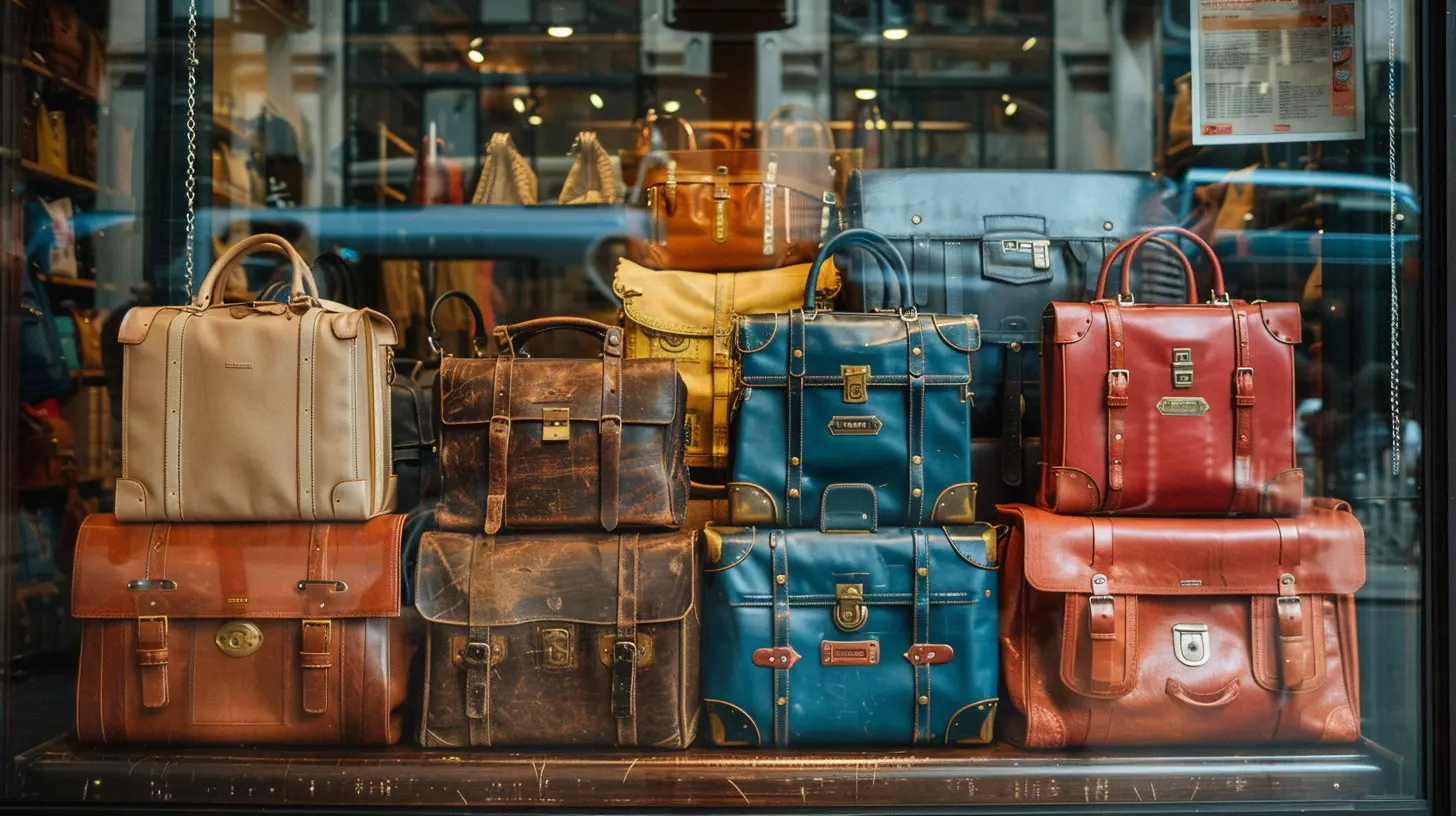
2. Poor Quality and Materials
Counterfeit goods often look like the real thing at first glance, but a closer inspection usually reveals the truth.What to Check:
- Fabric and materials – Cheap knockoffs often use low-quality materials. If a "leather" bag feels plasticky or flimsy, it’s likely fake.- Stitching and construction – Authentic designer items have precise, even stitching. If you see loose threads, uneven seams, or poor finishing, that’s a red flag.
- Logos and branding – Many fakes have slight misspellings or incorrect font styles. Compare the logo with images from the brand's official website.
👉 Pro Tip: If possible, visit a brand’s official store before buying. Familiarizing yourself with real products makes spotting fakes much easier. 
3. Suspicious Packaging and Labels
Authentic products usually come with high-quality packaging. Counterfeit items often fall short in this department.Red Flags in Packaging:
- Misspellings – Typos or grammatical errors are a dead giveaway.- Flimsy material – Luxury brands use sturdy, well-designed boxes and packaging. Fake products often have cheap, thin packaging.
- Missing details – Many legit brands include authenticity cards, holograms, or serial numbers. If these are absent or look off, it’s probably fake.
👉 Pro Tip: Look up unboxing videos or pictures of real products online to compare with what you're buying.
4. Strange Seller Behavior
Where you buy a product matters just as much as the product itself. Buying from unauthorized sellers, sketchy websites, or street vendors increases your risk of getting scammed.Signs of a Shady Seller:
- No return policy – If a seller refuses to accept returns, be wary. Legit businesses stand behind their products.- Pushy sales tactics – If a seller seems overly eager to get rid of something, they might know it’s fake.
- No official contact information – If they lack a working phone number, business address, or a legitimate website, that's a big red flag.
👉 Pro Tip: Always buy from official brand stores, authorized retailers, or well-reviewed websites.
5. Inconsistent Serial Numbers and Tags
Many brands use unique serial numbers to track authenticity. Counterfeit products often have incorrect or missing serial numbers.How to Check:
- Compare with official sources – Some luxury brands allow you to verify serial numbers on their websites.- Check format consistency – If two of the same product have different serial number styles, one is likely fake.
- Examine placement – Legit brands place serial numbers in specific locations. If the number appears somewhere unusual, it's a red flag.
👉 Pro Tip: If you're buying a high-end product, research how their serial numbers work before making a purchase.
6. Fake Websites and Scam Stores
Online shopping has made it easier than ever to buy fakes without realizing it. Counterfeiters create websites that look nearly identical to the real brand’s page.How to Spot a Fake Website:
- Strange domain names – Instead of “Nike.com,” you might see something like “Nike-outletsale.com.”- Poor web design – If a site has blurry images, weird fonts, or broken links, that’s suspicious.
- Limited payment options – Sketchy websites often don’t accept secure payment methods like PayPal or credit cards because those provide buyer protection.
👉 Pro Tip: Always check the website’s URL. Secure, legitimate sites start with "https://" and usually have a padlock symbol in the address bar.
7. Reviews That Feel Off
Checking customer reviews is a good habit, but fake sellers have found ways to manipulate them.Signs of Fake Reviews:
- All 5-star ratings – If every single review is overly positive with no minor complaints, be skeptical.- Poorly written reviews – If the reviews sound robotic or use unnatural language, they might be fake.
- Reviews in bulk – If hundreds of reviews suddenly appear in a short period, they could be bought or manufactured.
👉 Pro Tip: Use tools like FakeSpot to analyze whether reviews are legitimate.
What to Do If You Buy a Fake
Sometimes, no matter how careful you are, you might still end up with a counterfeit item. Here’s what you can do:1. Contact the seller – If you bought from a reputable platform (Amazon, eBay, etc.), report the issue.
2. Request a refund – Many platforms offer buyer protection. File a complaint with customer service.
3. Report counterfeit sellers – Alert authorities or the original brand so they can take action.
4. Warn others – Leave reviews to prevent others from getting scammed.
Conclusion
Knockoff goods are getting harder to spot, but now you know what to look for. Whether it's an unbelievably cheap luxury bag, suspicious packaging, or a shady online store, trust your instincts. If something feels off, it probably is.Stick with official retailers, double-check the details, and don’t let a too-good-to-be-true deal trick you into wasting your money. After all, buying fake merchandise isn’t just about losing cash—it’s about avoiding poor-quality, unsafe, and unethical products.
So, next time you shop, keep these tips in mind and outsmart the scammers!
all images in this post were generated using AI tools
Category:
Travel ScamsAuthor:

Shane Monroe
Discussion
rate this article
2 comments
Imani Cannon
Shopping for souvenirs? Remember, if it looks too good to be true, it probably is! Keep your eyes peeled for those sneaky knockoffs. A genuine experience is worth the extra bucks—no one wants a 'designer' bag from 'Bag-istan!' 😂👜
January 19, 2026 at 5:31 AM
Shane Monroe
Great advice! Being cautious can save you from regret later—invest in genuine pieces for a memorable experience! 🛍️✨
Ivan McCullough
Great insights! To avoid falling for knockoff goods, always check for brand authenticity, inspect packaging quality, and buy from reputable retailers. Research common fake indicators specific to the brand you’re interested in. Remember, if a deal seems too good to be true, it probably is! Stay savvy while shopping!
December 11, 2025 at 5:23 AM
Shane Monroe
Thank you for your valuable tips! Staying informed and vigilant is key to avoiding scams.