The Legacy of Byzantine Culture in Eastern Europe
3 August 2026
Byzantine culture is like a hidden treasure chest—one that has left behind priceless gems scattered across Eastern Europe. Even centuries after the fall of the Byzantine Empire, its influence still lingers in architecture, religion, art, and even daily life. Have you ever wondered why so many iconic landmarks in Eastern Europe resemble those in Istanbul? Or why Orthodox Christianity remains strong in countries like Serbia, Bulgaria, and Russia? That’s the Byzantine touch!
In this article, we’ll dive into the lasting impact of Byzantine culture in Eastern Europe. From grand cathedrals to intricate mosaics, from religious traditions to political structures, the Byzantine legacy is everywhere. So, buckle up—this is going to be an exciting journey through time! 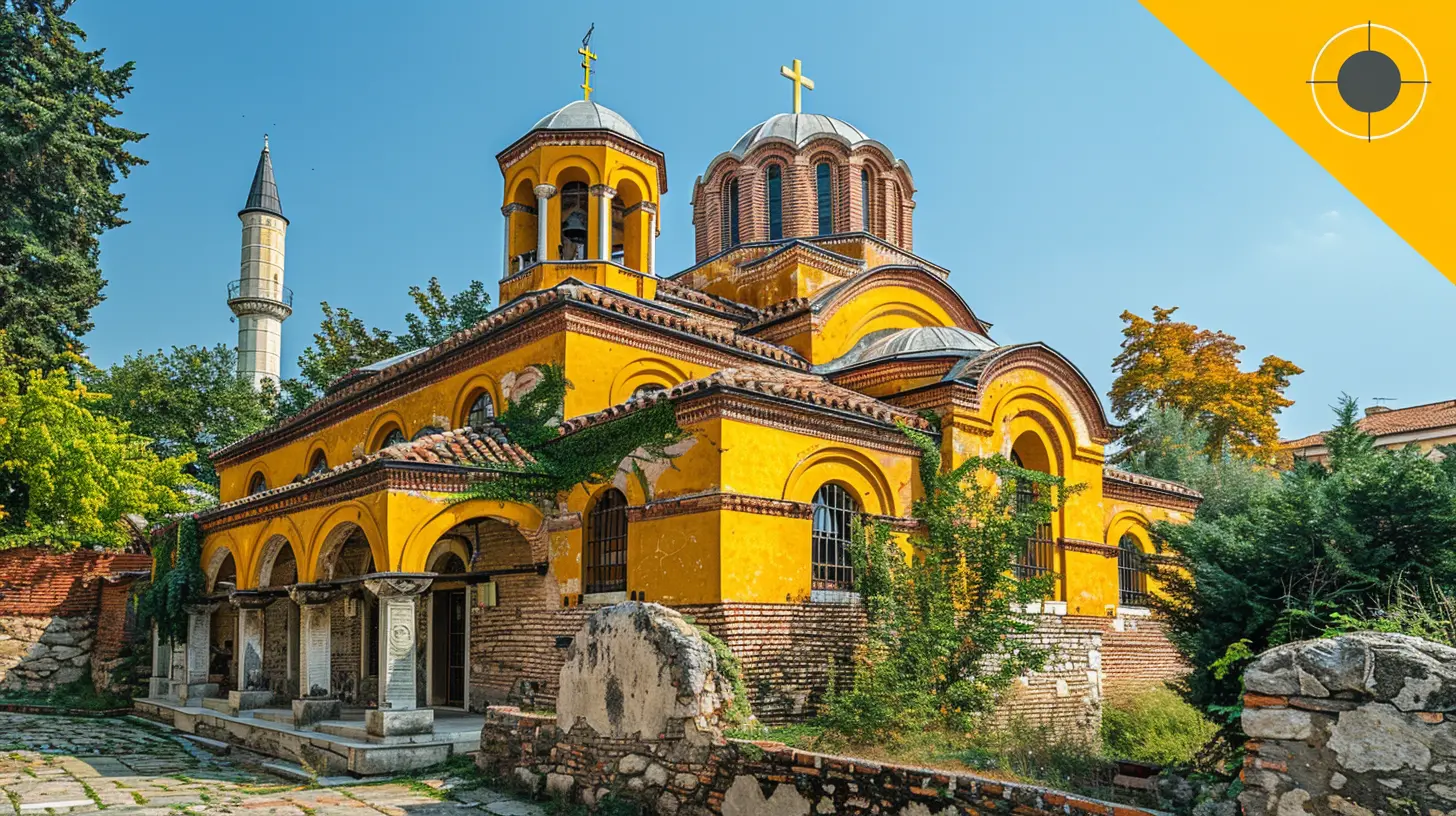
The Byzantine Empire: A Brief Background
Before we get into the juicy details, let's set the stage. The Byzantine Empire—essentially the continuation of the Roman Empire in the East—flourished between the 4th and 15th centuries. With its capital in Constantinople (modern-day Istanbul), it became a beacon of art, culture, and religion.What made Byzantium unique was its blend of Roman law, Greek language, and Christian faith. It wasn’t just about emperors and wars; the Byzantines shaped civilization itself. And when the empire eventually fell in 1453, its cultural echoes didn’t just disappear—they spread far and wide, particularly into Eastern Europe. 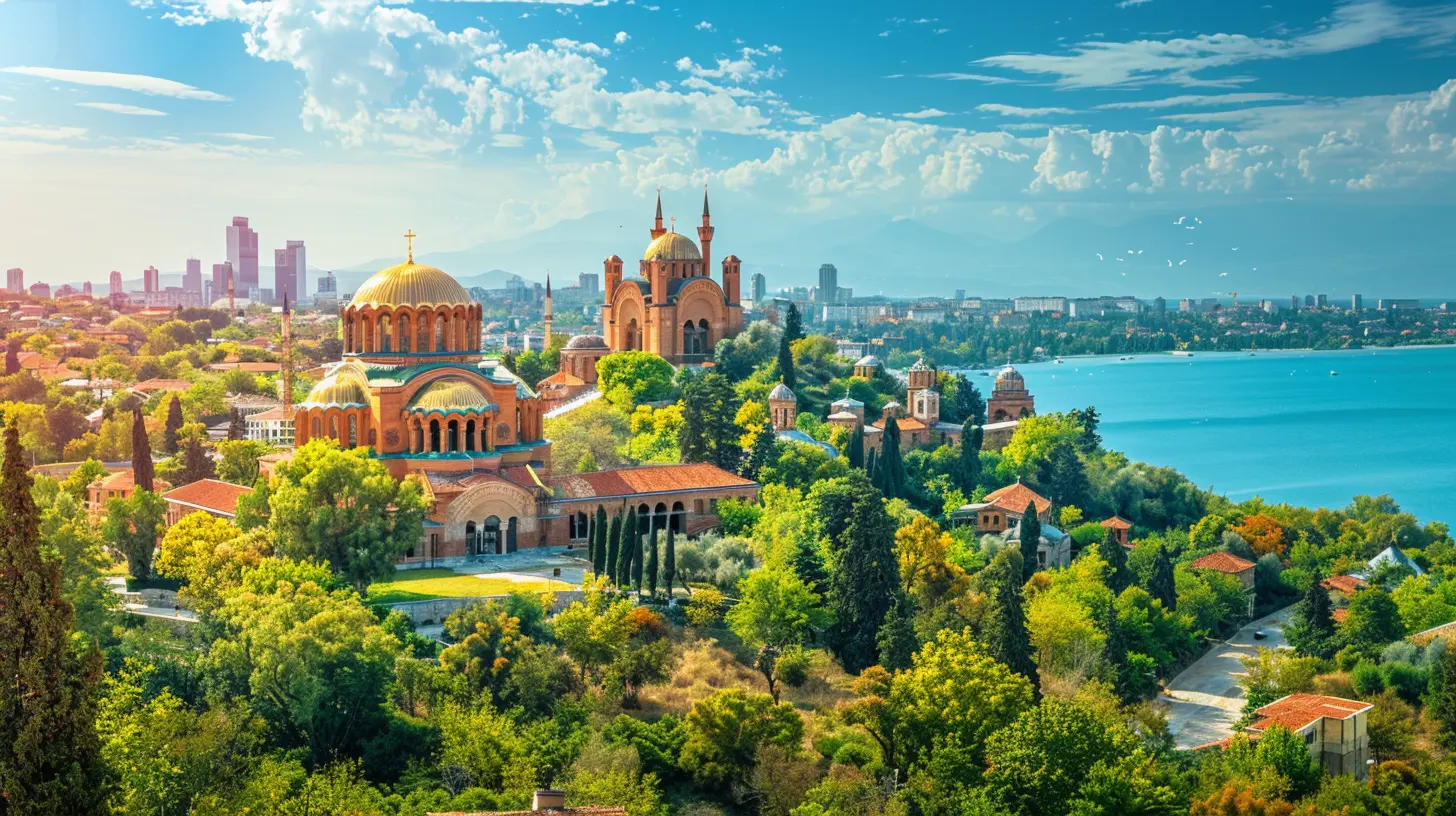
Byzantine Influence on Religion
Orthodox Christianity: The Guiding Light
Perhaps the most significant Byzantine legacy is Orthodox Christianity. Byzantium was instrumental in spreading Christianity to Slavic nations like Bulgaria, Serbia, and Russia. The Byzantine missionaries Cyril and Methodius played a major role in converting the Slavs, even inventing the Cyrillic alphabet so they could read religious texts in their own language.To this day, Eastern Orthodox Christianity remains dominant in countries like:
- Russia
- Ukraine
- Bulgaria
- Serbia
- Romania
- Greece
The religious practices, liturgies, and even the structure of Orthodox churches in these regions are deeply rooted in Byzantine traditions. The influence is undeniable—you just have to step inside an Orthodox cathedral to feel it. 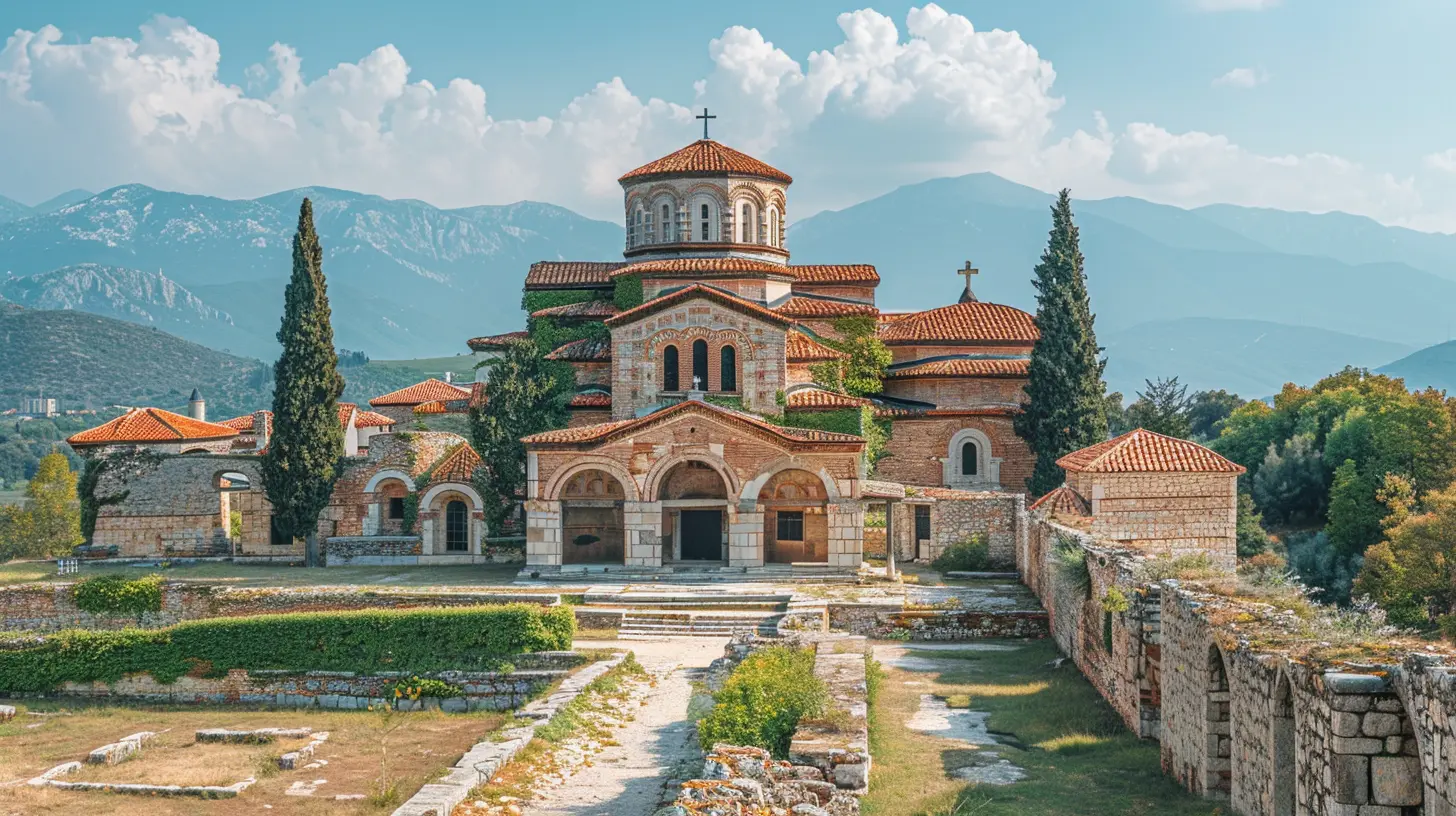
Byzantine Architecture: A Legacy in Stone
From Hagia Sophia to Eastern Europe’s Landmarks
Ever seen the grand Saint Sava Temple in Serbia or the Alexander Nevsky Cathedral in Bulgaria? Their magnificent domes and elaborate interiors are straight out of Byzantine architectural playbooks.Byzantine architecture is famous for its:
- Large domes (symbolizing the heavens)
- Intricate mosaics (telling biblical stories)
- Ornate frescoes (filling churches with vibrant colors)
- Cross-in-square structures (a signature design)
One of the greatest examples of Byzantine influence is Saint Sophia Cathedral in Kyiv, Ukraine. Built in the 11th century, it mirrors the grandeur of Hagia Sophia, Constantinople's most famous cathedral.
Mosaics and Frescoes: Art That Speaks
Byzantine mosaics aren’t just decorations; they’re visual sermons. Saints with golden halos, Christ Pantocrator staring from above, and biblical scenes covering entire walls—these works of art were designed to inspire faith.Even today, many Orthodox churches maintain this artistic tradition, preserving the Byzantine aesthetic that has stood the test of time. 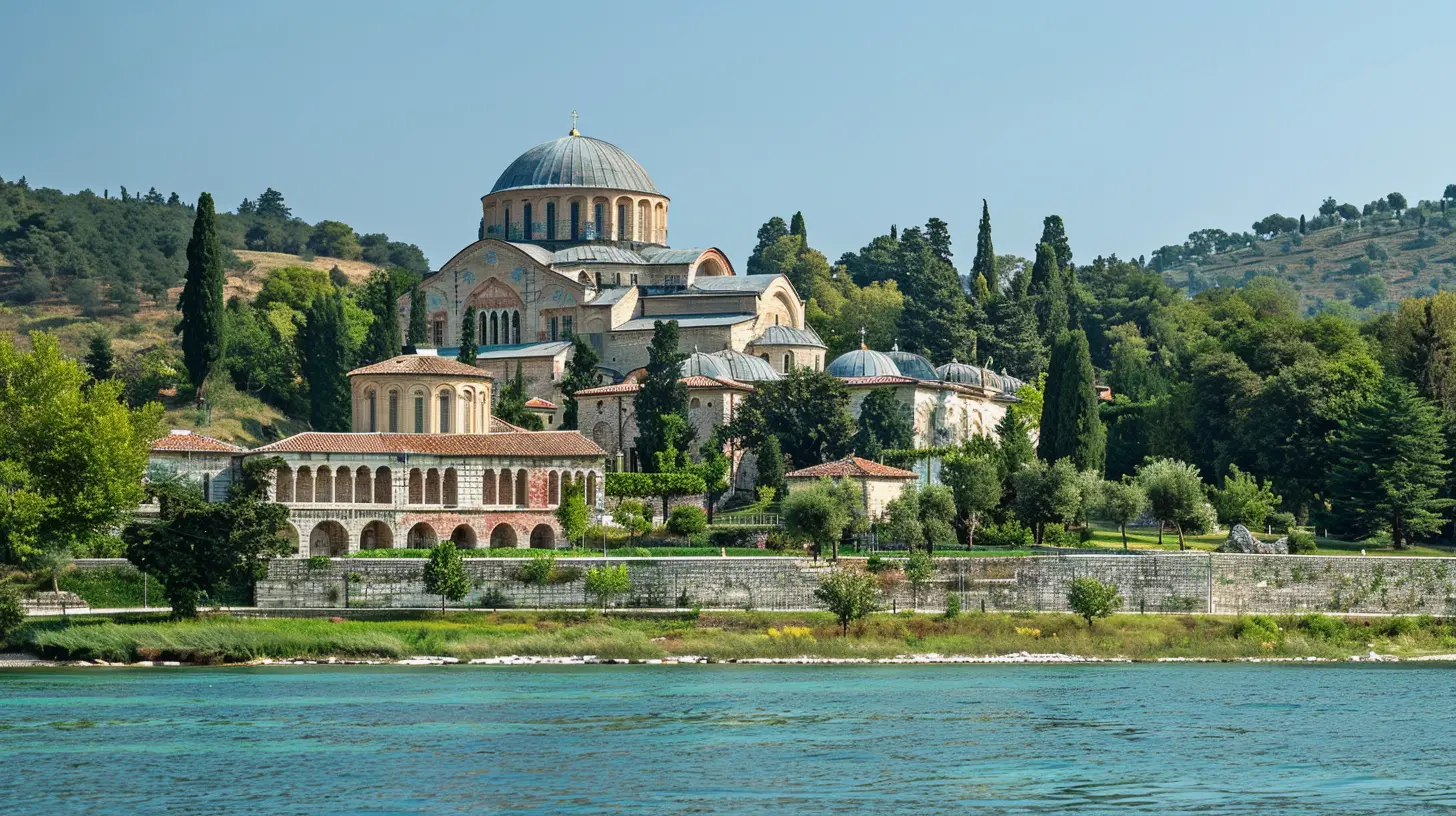
Byzantine Influence on Language and Literature
The Cyrillic Alphabet: A Gift to the Slavic World
Remember Cyril and Methodius? They weren’t just missionaries; they were linguistic pioneers. When they introduced Christianity to the Slavs, they realized the people needed a writing system. Enter the Cyrillic alphabet, which is still used today in languages like:- Russian
- Bulgarian
- Serbian
- Macedonian
- Ukrainian
This alphabet helped shape Slavic literary traditions, allowing Eastern Europe to develop a unique cultural identity while staying connected to its Byzantine roots.
Religious and Historical Texts
Many of the earliest Slavic literary works were translations of Byzantine religious texts. These writings played a crucial role in educating the clergy and preserving Christian teachings in Eastern Europe. Without Byzantium, the Slavic literary world might have taken a very different path.Byzantine Impact on Politics and Law
The Byzantine Political Model: A Guiding Hand
Many Eastern European states modeled their political structures after the Byzantine Empire’s centralized rule. The autocratic rule of tsars in Russia, emperors in Bulgaria, and kings in Serbia was deeply inspired by the Byzantine concept of a ruler chosen by divine authority.The Russian Tsardom, for example, saw itself as the “Third Rome” after Byzantium’s fall, claiming to carry on its legacy. Even the word "tsar" (or "czar") comes from Caesar, a direct nod to Roman and Byzantine traditions.
Byzantine Law and Governance
The Byzantine legal system, particularly Justinian’s Code, influenced the laws of many Eastern European nations. This legal framework laid the groundwork for modern judicial systems in the region, shaping property rights, religious laws, and governance structures.Byzantine Influence on Music and Rituals
Music is another realm where Byzantium left its mark. The rich, monophonic chants of Byzantine liturgical music still echo in Orthodox Christian services across Eastern Europe. These chants, known for their deep spiritual resonance, continue to inspire worshippers today.Even in folk traditions, you can hear traces of Byzantine melodies in certain Eastern European songs, proving that cultural influence can go beyond just religion and politics—it can touch the soul.
The Byzantine Legacy in Modern Eastern Europe
Traditions That Endure
Even after the collapse of the Byzantine Empire, its cultural DNA remained embedded in Eastern Europe. Whether it's:- The grand Orthodox cathedrals dotting the landscape
- The Cyrillic script used by millions
- The deeply rooted Christian traditions
- The echoes of Byzantine legal and political systems
Byzantium didn’t vanish—it evolved. The influence is still very much alive, woven into the fabric of Eastern European identity.
Why Does It Matter?
Understanding Byzantine influence helps us connect the dots between past and present. It shows us that history isn’t just a list of dates—it’s a living, breathing force that shapes our world in subtle yet profound ways.So, the next time you visit an Orthodox cathedral, admire a Byzantine mosaic, or listen to a solemn church chant, remember—you’re witnessing the enduring legacy of one of the most fascinating civilizations in history.
Final Thoughts
The Byzantine Empire may have fallen, but its spirit never died. From the domes of Orthodox cathedrals to the rhythms of centuries-old chants, its legacy still thrives across Eastern Europe.Byzantine culture wasn’t just about power or conquests—it was about art, faith, and an unshakable belief in tradition. And as long as Eastern Europe continues to cherish these influences, the Byzantine legacy will live on.
It’s not just history—it’s heritage.
all images in this post were generated using AI tools
Category:
Cultural ToursAuthor:

Shane Monroe
Discussion
rate this article
1 comments
Sylvia Long
This article offers a compelling glimpse into Byzantine culture's profound impact on Eastern Europe's art, architecture, and traditions... well done!
August 25, 2026 at 5:06 PM
Shane Monroe
Thank you! I'm glad you enjoyed the exploration of Byzantine culture's influence. Its impact on Eastern Europe is truly fascinating.