Wildlife Photography Tips for Your Next Adventure in Nature
16 October 2026
Ever caught yourself staring at a breathtaking photo of a wild tiger mid-pounce or an eagle soaring over snow-capped peaks — and thought, “Man, I wish I could take pictures like that”? Well, you’re not alone. Wildlife photography is more than just clicking at animals. It’s a thrilling mix of patience, timing, creativity, and a deep appreciation for nature.
Whether you’re wandering through national parks, tenting in the African savannah, or even just exploring your local forest trail, capturing that perfect wildlife shot is nothing short of magic. But how do you turn blurry animal snaps into gallery-worthy masterpieces? Buckle up, nature lover — because I’ve got some killer wildlife photography tips that'll have you snapping like a pro on your next adventure.
? Why Wildlife Photography is Totally Worth It
First things first — why even bother with wildlife photography? It takes time, gear, effort, and a whole lotta patience. But the payoff? Oh man, it’s huge. Here’s why:- It reconnects you with nature — You start noticing the little things.
- It sharpens your observation skills — Movements, sounds, even shadows suddenly matter.
- It tells stories without words — A picture of a baby elephant playing in the mud? That’s a whole novel right there.
- It builds serious patience and discipline — You’ll learn to wait. Quietly.
Alright, now let’s dive into the actual tips that'll get you that frame-worthy wildlife shot.
? Know Before You Go: Do Your Homework
Before you ever click your camera on-site, research the area and the wildlife you're aiming to photograph. You wouldn't go on a first date without at least glancing at their social media, right? Same logic.- Study animal behavior: Know when they eat, sleep, hunt, or migrate.
- Check the seasons: Some animals are only visible during specific times of the year.
- Understand the terrain: Swamps, forests, or deserts? Your gear needs will change.
Pro Tip? Make a checklist. It’ll save you from crying over forgotten gear three miles into the woods.
? Gear Up Without Going Overboard
You don’t need a $10,000 camera to shoot stunning wildlife photos. But yep, having the right tools does help a lot. Here’s your basic safari-style packing list:1. Camera Body
DSLRs and mirrorless cameras work best for high-quality shots. Full-frame sensors give better low-light performance — which is gold in nature.2. Lenses
- Telephoto lens (200mm – 600mm): For shooting from afar.- Wide-angle lens (16mm – 35mm): For habitats and environmental shots.
- Macro lens: Because insects and tiny critters can be cool too!
3. Tripod or Monopod
Animals move, but your camera shouldn't. A good tripod helps with stability, especially for longer exposures.4. Memory Cards & Batteries
Bring extras. Trust me, dead batteries are heartbreakers in the wild.5. Rain Covers and Protective Gear
Because nature is wild — literally.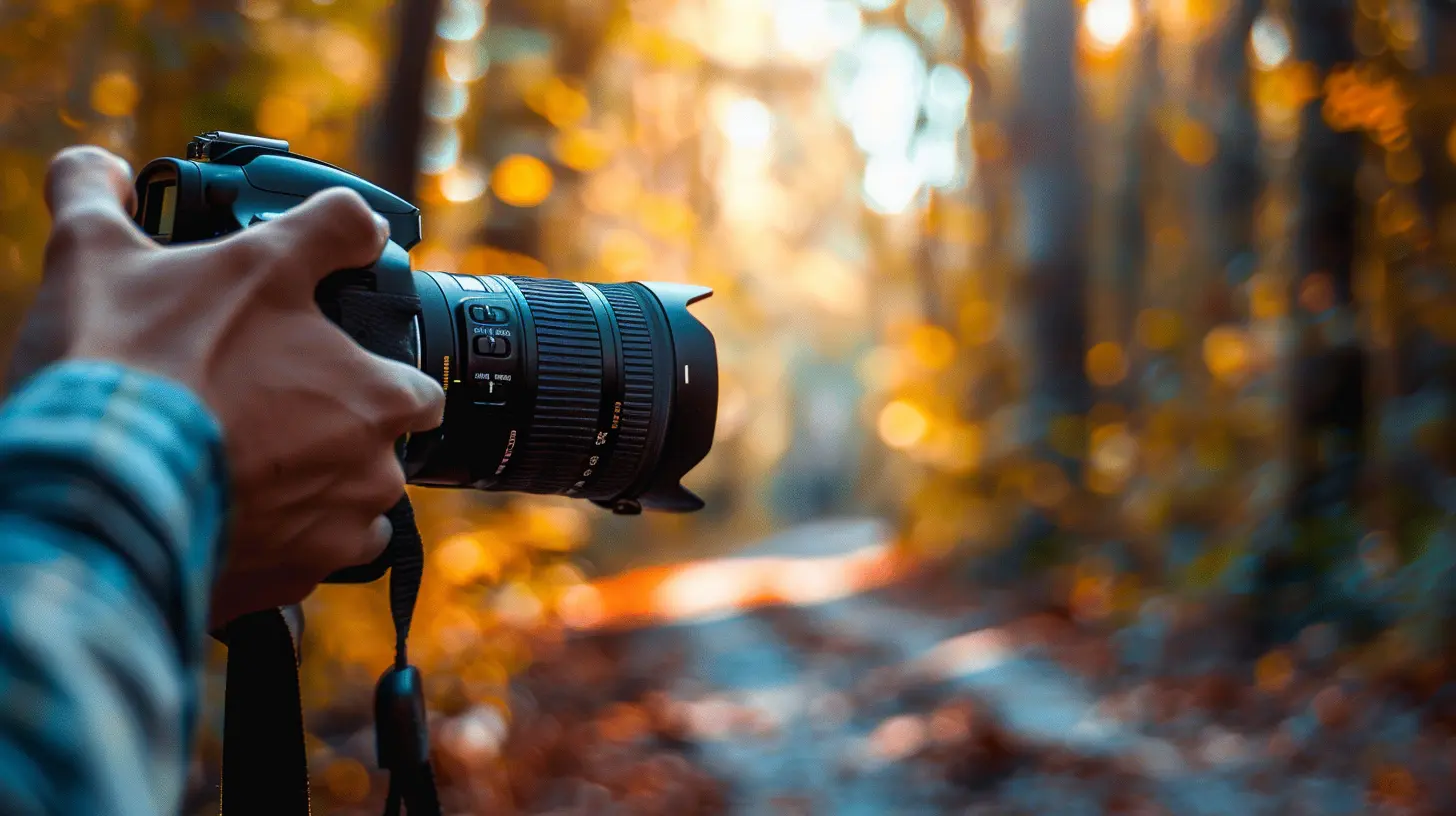
? Blend In Like a Ninja
You want to be the fly on the wall — not the loud tourist chasing a squirrel with a camera. The more invisible you are, the more natural your photos will look.- Dress in earth tones: Greens, browns, and khakis.
- Stay low and move slow: Sudden movements trigger animal defenses.
- Avoid strong scents: That fancy perfume? Nope.
Patience here is everything. You’re not hunting, you’re storytelling. Let the moment come to you.
? Light It Up — Timing and Lighting Tips
Light is the heart of great photography. And in wildlife, natural light is your best buddy.The Golden Hours
Early morning and late afternoon — that’s your magic time. The light is soft, warm, and adds depth to your shots. Plus, animals are more active then.Midday Struggles
The sun’s overhead, shadows are harsh, and it’s not flattering — even for animals. Unless you’re going for dramatic contrasts, it’s best to rest and review your shots during this time.Keep Direction in Mind
Lighting from the side creates texture and depth. Backlighting can create stunning silhouettes.? Composition: More Than Just Centering an Animal
Sure, your subject matters—but how you frame it? That’s where the magic really happens. Use the Rule of Thirds: imagine your frame divided into 9 equal squares (like a tic-tac-toe grid) — place your subject along those lines or intersections.Add Some Context
Show the environment. A lion is majestic, but a lion with a sunrise in the savannah? Next level.Capture Animal Behavior
Yawning, hunting, feeding, playing — behavior tells a better story than just a “standing animal” shot.Look Into the Eyes
If you can get sharp, focused eyes — you’ve captured their soul. It’s that powerful.? Don't Just Zoom, Get Creative
Yes, telephoto lenses let you zoom in on a bird 200 feet away. But don't rely solely on close-ups.- Try wide angles to include landscapes.
- Shoot reflections in water for artsy vibes.
- Experiment with motion blur to convey action.
Don't be afraid to break rules. Sometimes, the most unique shots are the ones that ignore the textbook.
? The Power of Silence and Patience
Wildlife photography is a bit like fishing. You sit. You wait. You hope. And when your moment comes? BAM — you capture magic.- Silence is golden: Noise scares animals away. Use quiet shutter mode if possible.
- Observe before shooting: Watch how the animal moves. Anticipate the moment.
- Stay put: Animals may come closer if they don’t see you as a threat.
Sometimes you’ll wait hours for one shot. And it’s totally worth it.
? Post-Processing: The Secret Sauce
Shooting is just part of the job. The editing table? That’s where you give your photos their final polish.Basic Adjustments
- Crop to improve composition.- Adjust exposure to balance lights and darks.
- Boost contrast and sharpness — but don’t overdo it.
Stay True to the Scene
You’re documenting nature, not redesigning it. Keep colors natural and avoid turning your lion into a cartoon.Tools to Use
Lightroom and Photoshop are industry standards. Easy presets can save you time too.? Respect Wildlife and the Environment
This should go without saying — but it's worth repeating: respect the animals and their space.- Don’t bait or provoke animals for a shot.
- Stay on marked trails.
- Pack in, pack out — leave no trace.
- If an animal seems stressed, back off.
The goal? Promote love for nature, not disturb it.
? Practice Makes Perfect — Even in Your Backyard
Can’t go on a safari just yet? No worries. Start small.- Visit a local park or nature reserve.
- Set up near bird feeders.
- Try photographing squirrels, rabbits, or insects.
You’ll refine your skills faster this way — no passport required.
? Pro Tips from the Wild
Here’s a quick-fire list of extra tips from seasoned wildlife photographers:- Use burst mode for action shots.
- Keep both eyes open — one through the viewfinder, one watching the scene.
- Protect your gear from dust, water, and bugs.
- Ask locals — rangers and guides know the best spots.
- Backup your photos daily while traveling.
? Final Thoughts: It's About the Experience
Look, not every shot is gonna be a masterpiece. And that’s okay. Wildlife photography is more about the journey. The adrenaline of spotting a rare bird. The calm of waiting by a riverside. The satisfaction of capturing a moment that will never happen again.So take your camera, head out into nature, and just enjoy it. The photos? They’ll come.
all images in this post were generated using AI tools
Category:
Photography TipsAuthor:

Shane Monroe