The Transformative Power of Global Religious Celebrations in 2026
12 October 2026
Travel has always been about more than checking landmarks off a list. When you stand shoulder to shoulder with thousands of strangers during a religious festival, something shifts. You are no longer a spectator. You become part of a living tradition that has been passed down through generations, sometimes for thousands of years.
In 2026, this kind of travel is becoming more accessible than ever, but it is also becoming more complicated. Overtourism, climate concerns, and the commercialization of sacred events are forcing travelers to rethink how they engage with religious celebrations. This article is not a list of festivals to attend. It is a practical guide to understanding why these events matter, how to approach them responsibly, and what to consider before you book that flight.
Why Religious Celebrations Hit Differently Than Regular Travel
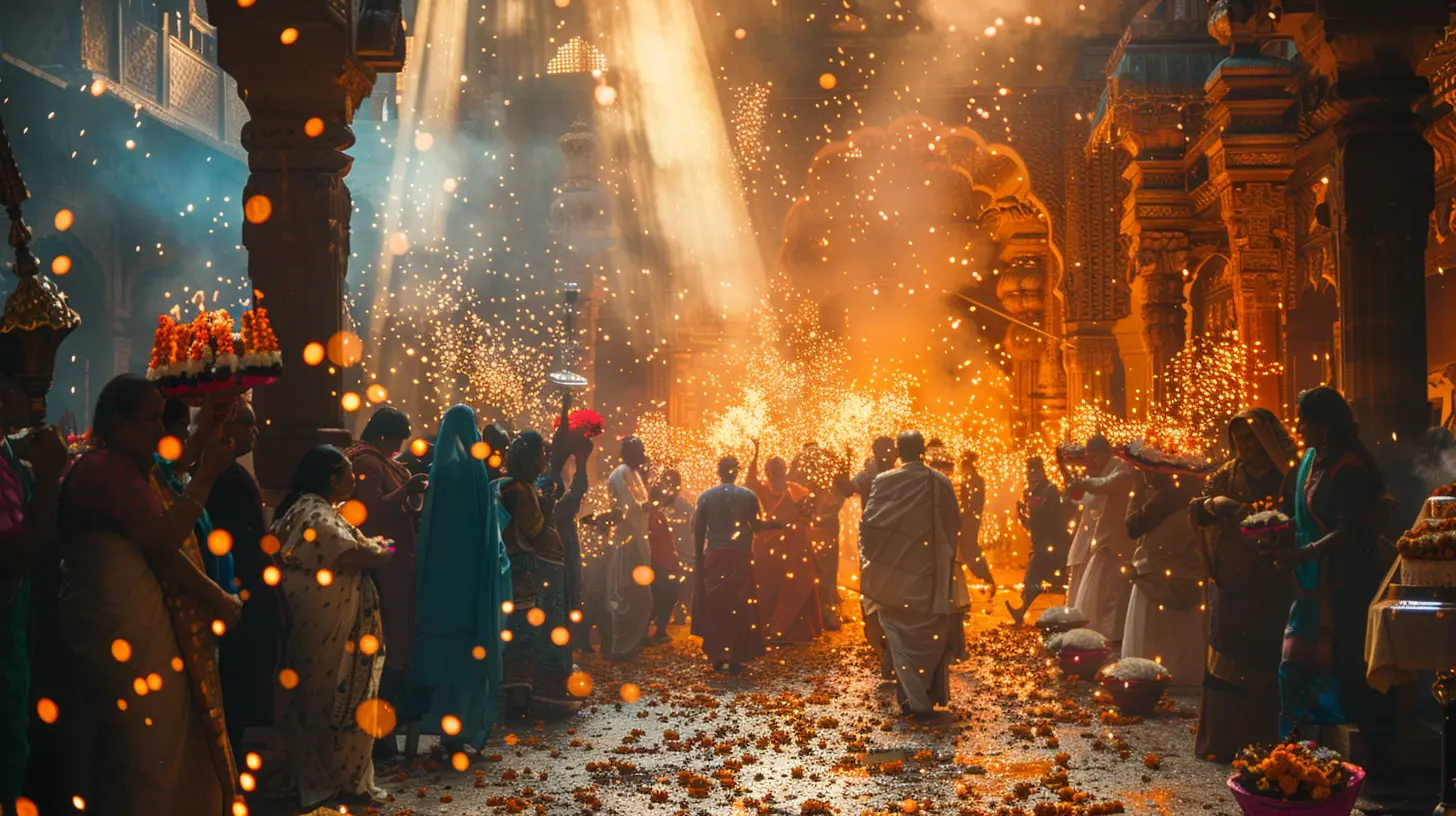
Most travel experiences are designed around consumption. You visit a museum, eat at a restaurant, take a photo. Religious celebrations operate on a different plane entirely. They are participatory, emotional, and often deeply personal for the people who practice them.When you attend a religious festival as an outsider, you are stepping into someone else's spiritual life. That comes with responsibilities. It also comes with rewards that are hard to replicate anywhere else.
Think about the difference between watching a documentary about the Ganges and standing on its banks during Kumbh Mela. Or between reading about Ramadan and being invited to break fast with a family in Istanbul. The sensory and emotional gap is enormous.
The Psychology of Collective Experience
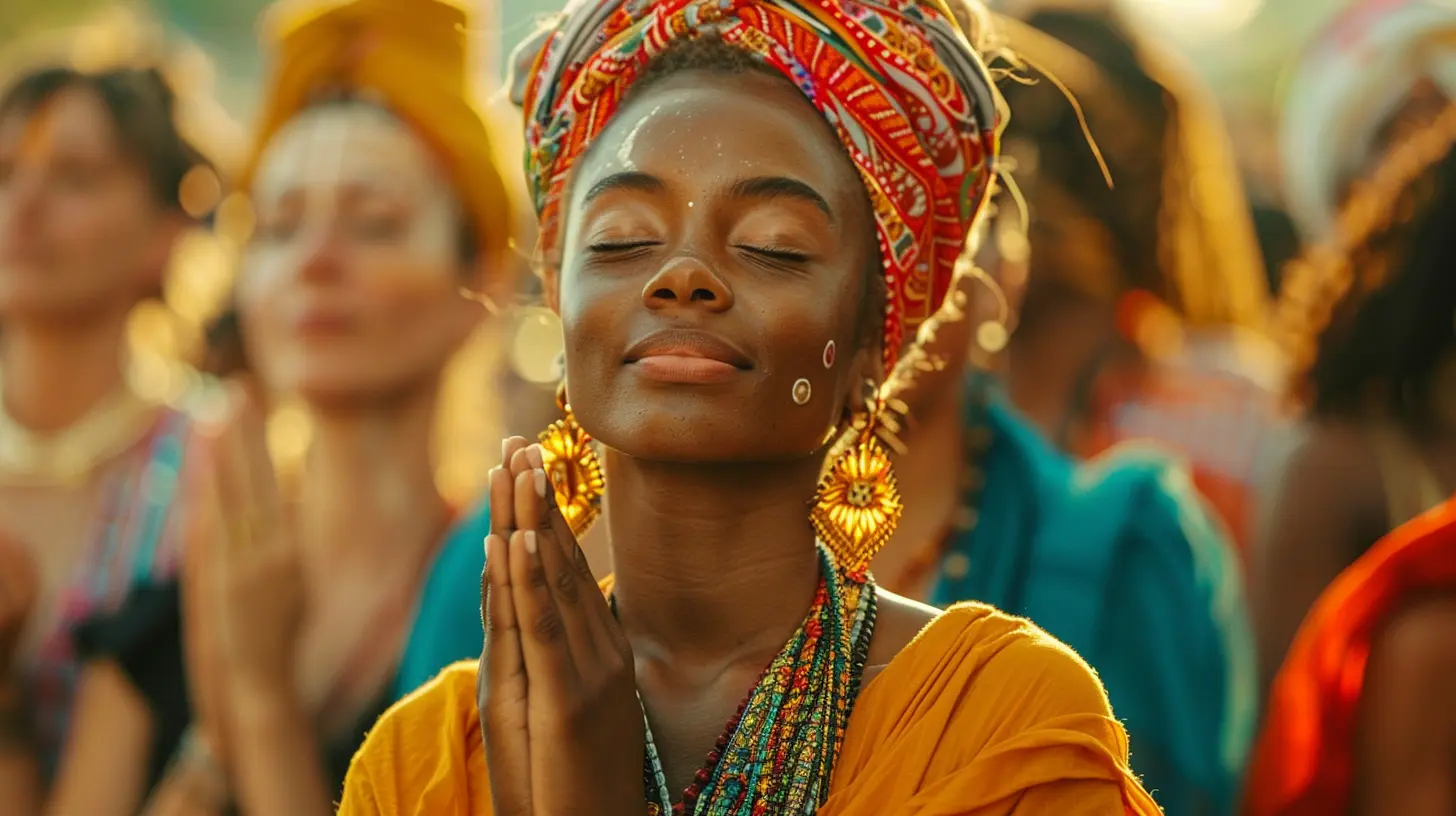
There is a reason these events feel so powerful. Research in social psychology suggests that shared rituals create a sense of belonging and collective effervescence, a term coined by sociologist Emile Durkheim to describe the energy that emerges when people gather for a common purpose. You do not need to be religious to feel it. You just need to be present and open.This is why religious celebrations can be transformative even for secular travelers. They tap into something fundamental about human connection.
The Big Events Defining 2026
Several major celebrations will draw global attention in 2026. Some are annual, others follow lunar or multi-year cycles. Understanding the difference matters because it affects crowd sizes, planning timelines, and the overall atmosphere.Kumbh Mela
The Kumbh Mela rotates among four Indian cities: Prayagraj, Haridwar, Nashik, and Ujjain. The timing follows a complex astrological system. A full Kumbh at Prayagraj occurs roughly every twelve years, with a Maha Kumbh every 144 years. Smaller Ardh Kumbh and Magh Kumbh gatherings happen more frequently.If a Kumbh Mela falls in 2026, expect tens of millions of pilgrims. The logistics are staggering. Accommodation sells out months in advance, and the sheer scale can be overwhelming for first-time visitors. The upside is that you witness one of the largest peaceful gatherings of human beings on the planet.
Hajj and Umrah
The Hajj is a mandatory pilgrimage for able Muslims at least once in their lifetime. It follows the Islamic lunar calendar, so its Gregorian date shifts each year. In 2026, it will fall in a different season than the previous year, which affects heat conditions and crowd management.Saudi Arabia has invested heavily in infrastructure and digital permits. The result is a more controlled experience, but also one that requires careful preparation. Umrah, the lesser pilgrimage, can be performed year-round and is often a better option for travelers who want a spiritual experience without the intensity of Hajj.
Ramadan and Eid al-Fitr
Ramadan moves approximately eleven days earlier each year on the Gregorian calendar. By 2026, it will fall in a cooler season for many countries, which could make fasting more comfortable for observers and travel more pleasant for visitors.Eid al-Fitr, the festival that marks the end of Ramadan, is one of the most joyful celebrations anywhere. Cities from Cairo to Kuala Lumpur transform with lights, feasts, and family gatherings. If you are not Muslim, you can still participate respectfully by joining public iftars or visiting markets.
Diwali
Diwali, the Hindu festival of lights, is celebrated in autumn. It spans five days and involves lamps, fireworks, sweets, and gatherings. In 2026, it will again light up homes and streets across India, Nepal, and diaspora communities worldwide.The environmental impact of fireworks has become a contentious issue. Some cities have introduced restrictions. Travelers should be aware that celebrations may look different depending on local regulations.
Christmas and Easter
Christian celebrations remain the most globally recognized. Christmas in Bethlehem, midnight mass at the Vatican, and Easter processions in Seville draw millions. These events are more accessible than many others because of established tourism infrastructure, but that also means they can feel commercialized.Lunar New Year
While not strictly religious for all observers, Lunar New Year incorporates Buddhist, Taoist, and folk traditions. It is celebrated across East and Southeast Asia and in Chinatowns worldwide. The 2026 date depends on the lunar calendar, but it typically falls in late January or February.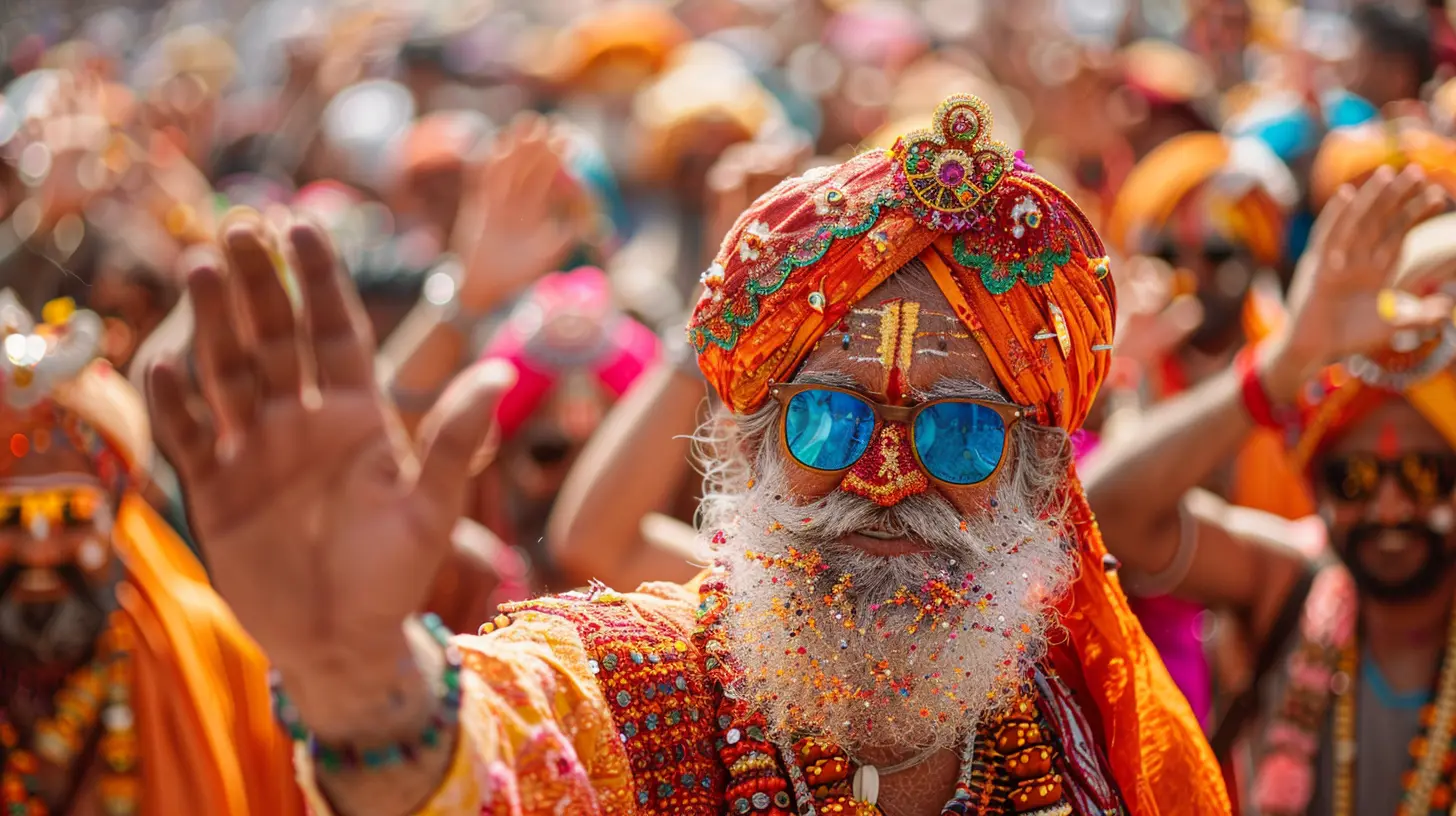
The Real Benefits of Attending
Why should you consider planning a trip around a religious celebration? The reasons go beyond spectacle.Cultural Immersion That Feels Genuine
Festivals are when communities are most open. People are used to explaining their traditions to outsiders during these times. You are more likely to be invited into homes, share meals, and have conversations that would never happen during a regular tourist visit.A Shift in Perspective
Witnessing devotion on a massive scale can be humbling. It challenges assumptions about what matters. Many travelers report that attending a religious festival changed how they think about their own lives, even if they hold no religious beliefs themselves.Economic Support for Local Communities
When done right, festival tourism can funnel money directly into local economies. Homestays, food vendors, artisans, and transport workers all benefit. The key is to choose operators and accommodations that keep money local rather than routing it to international chains.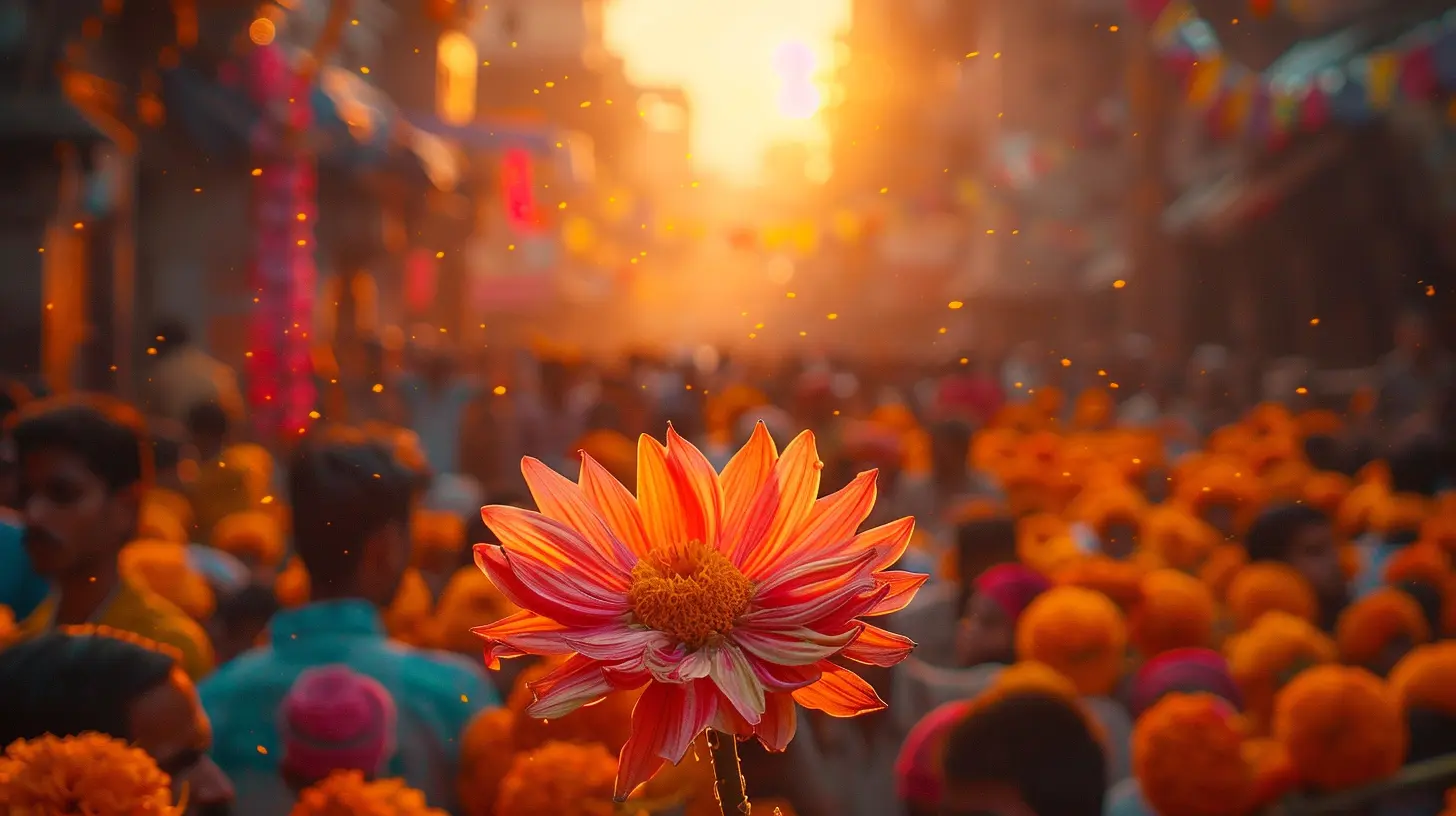
The Risks and Downsides Nobody Talks About
It would be dishonest to present religious festival travel as purely positive. There are real challenges, and ignoring them leads to bad experiences for everyone.Overtourism and Crowd Safety
Large gatherings carry inherent risks. Stampedes have occurred at religious festivals in various countries. Heat exhaustion, dehydration, and lost children are common. If you have anxiety in crowds, some events may simply not be for you.Displacement of Local Residents
When millions of tourists descend on a city, rents spike and neighborhoods change. In some cases, residents are pushed out of areas they have lived in for generations. Travelers should ask hard questions about who benefits from their presence.Commercialization and Loss of Meaning
There is a fine line between sharing a tradition and selling it. When sacred rituals become photo opportunities, something is lost. Travelers can either contribute to this problem or help resist it by behaving with restraint.Environmental Impact
Fireworks, increased waste, and carbon-heavy travel all take a toll. Some festivals have made strides in sustainability. Others have not. Being aware of your footprint is part of responsible travel.How to Choose the Right Celebration for You
Not every festival suits every traveler. The right choice depends on your comfort with crowds, your physical health, your budget, and your willingness to adapt.Consider Your Tolerance for Discomfort
Some festivals involve long walks, standing for hours, extreme heat or cold, and limited access to bathrooms. Others are more relaxed. Be honest with yourself about what you can handle.Think About Language and Access
Events in countries with strong tourism infrastructure are easier to navigate. But they also tend to be more expensive and more crowded with outsiders. Less touristy festivals offer deeper experiences but require more preparation.Match the Festival to Your Interests
If you are drawn to ritual and pageantry, processions and reenactments may appeal. If you prefer quiet reflection, consider smaller local observances rather than mega-events.
Practical Planning Advice
Planning for a religious festival is different from planning a normal vacation. Here is what to keep in mind.Book Early, But Stay Flexible
Accommodation near major festivals sells out months or even a year in advance. Book early, but choose refundable options when possible. Schedules can shift, especially for lunar events.Learn the Basics of the Religion
You do not need to be an expert, but understanding the significance of what you are witnessing makes the experience richer. Read a book, watch a documentary, or talk to someone who practices the faith.Dress and Behave Appropriately
Modest clothing is often required. Shoes may need to be removed. Photography may be restricted. Ask before you assume.Prepare for Health and Safety
Carry water, medications, and a basic first aid kit. Know the nearest medical facilities. Have a meeting point if you are traveling with others. Keep your phone charged and carry a power bank.Respect Boundaries
Some rituals are not open to outsiders. If you are asked to step back or not take photos, comply without argument. Your access is a privilege, not a right.Common Mistakes Travelers Make
Even well-meaning travelers get things wrong. Here are the most frequent errors.Treating the Festival as a Photo Op
Your Instagram feed is not the point. Put the camera down sometimes. Be present.Assuming Everyone Wants to Talk to You
Locals are not there to educate you. Some will be happy to chat. Others will not. Read the room.Ignoring Local Rules
If a site has rules about dress, behavior, or entry, follow them. Do not argue that your intentions are good.Overplanning
Festivals are unpredictable. Build in downtime. Accept that things will not go according to schedule.Skipping the Quiet Moments
The most meaningful experiences often happen away from the main event. A shared meal, a conversation with a stranger, a moment of silence. Leave room for those.
Ethical Considerations for 2026 and Beyond
The conversation around ethical festival travel is evolving. Here are some principles worth adopting.Ask Who Benefits
Before you book, research who owns the hotels, tour companies, and restaurants you will use. Prioritize local ownership.Offset What You Can
Carbon offsets are imperfect, but they are better than nothing. Reduce flights where possible. Use public transport.Give Back
Consider donating to local charities or community organizations. Even small contributions can help.Be an Advocate
If you see exploitation or disrespect, speak up. Leave reviews that highlight ethical operators. Support policies that protect local communities.The Transformative Potential
Here is the core truth: religious celebrations can change you. Not because they are exotic or Instagrammable, but because they put you in contact with something larger than yourself. They remind you that humans have been gathering, singing, praying, and feasting together for millennia. That continuity is powerful.In 2026, you have more opportunities than ever to witness these events. You also have more responsibility. The choices you make as a traveler shape whether these traditions remain vibrant or become hollow performances.
Go with humility. Go with curiosity. Go with respect. And let the experience do its work.
all images in this post were generated using AI tools
Category:
Cultural CelebrationsAuthor:

Shane Monroe