Timeless Traditions in the Heart of the Andes
20 July 2026
Have you ever set foot in a place where time seems to stand still, where the air is filled with the whispers of ancient stories? That's exactly what you'll experience when you journey to the Andes. Stretching across seven countries in South America, the Andean region is not just about breathtaking landscapes and high-altitude cities. It’s a place where traditions from centuries ago are still alive today, passed down from generation to generation like treasured family heirlooms.
Unraveling these timeless customs can feel like uncovering a secret tapestry that has been woven over thousands of years. Want to take a more profound look into these age-old traditions? Well, let’s dive in!
The Roots of Andean Traditions
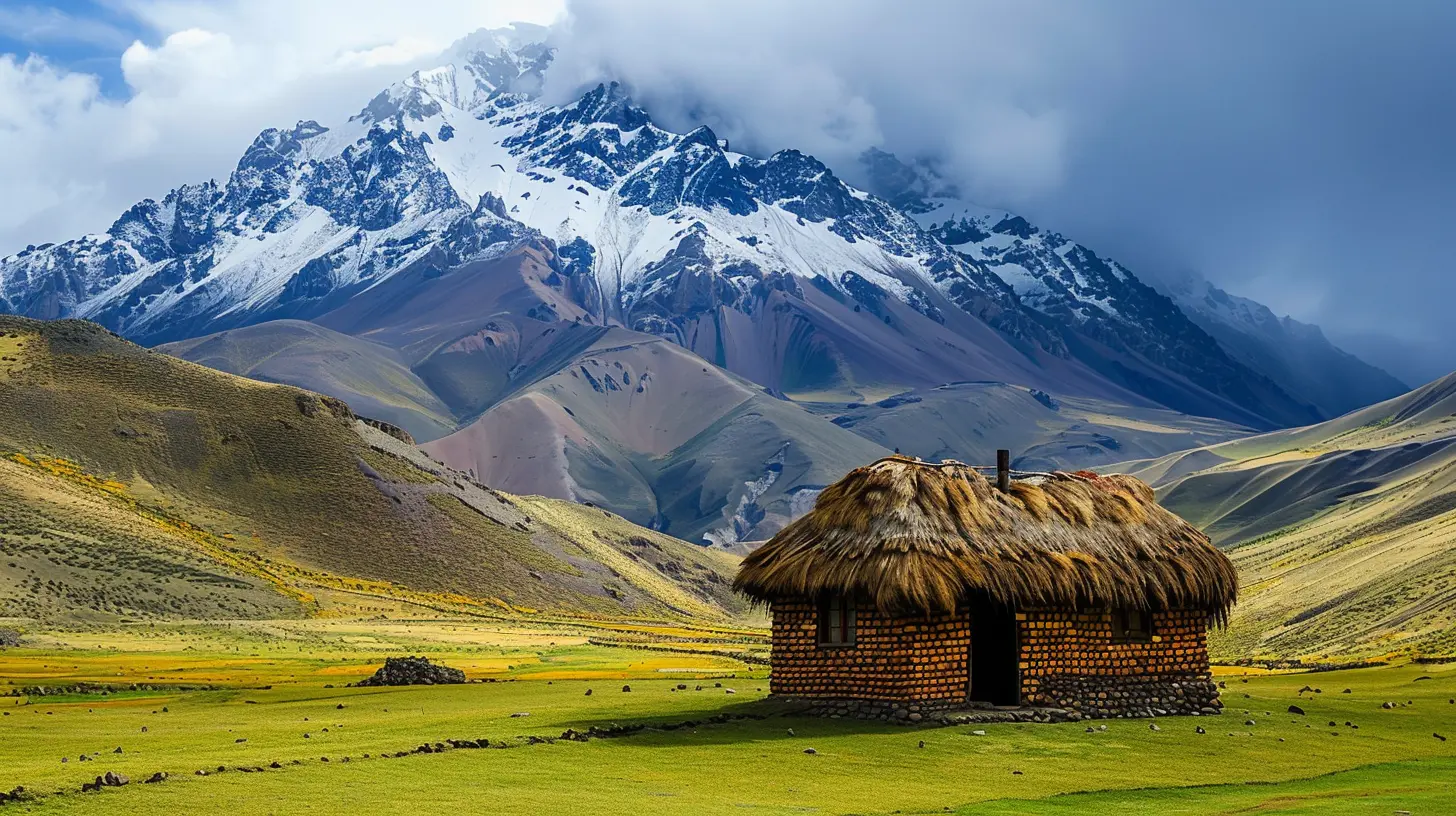
The Andean cultures date back thousands of years, with the Inca Empire being the most well-known ancient civilization to have thrived in this majestic region. Their customs, beliefs, and practices have left an indelible mark on the modern-day Andean life. Yet, it’s important to note that many traditions predate even the Incas, rooted deep in the cultures of earlier civilizations like the Moche, Chavín, and Tiwanaku.The blend of these ancient practices with Spanish colonial influences has created a unique cultural mosaic. Imagine cooking a stew that simmers for millennia—every ingredient adds a new flavor. That’s what Andean traditions feel like today: a hearty, rich blending of the old and new, spiritual and earthly.
Quechua and Aymara: The Keepers of Tradition
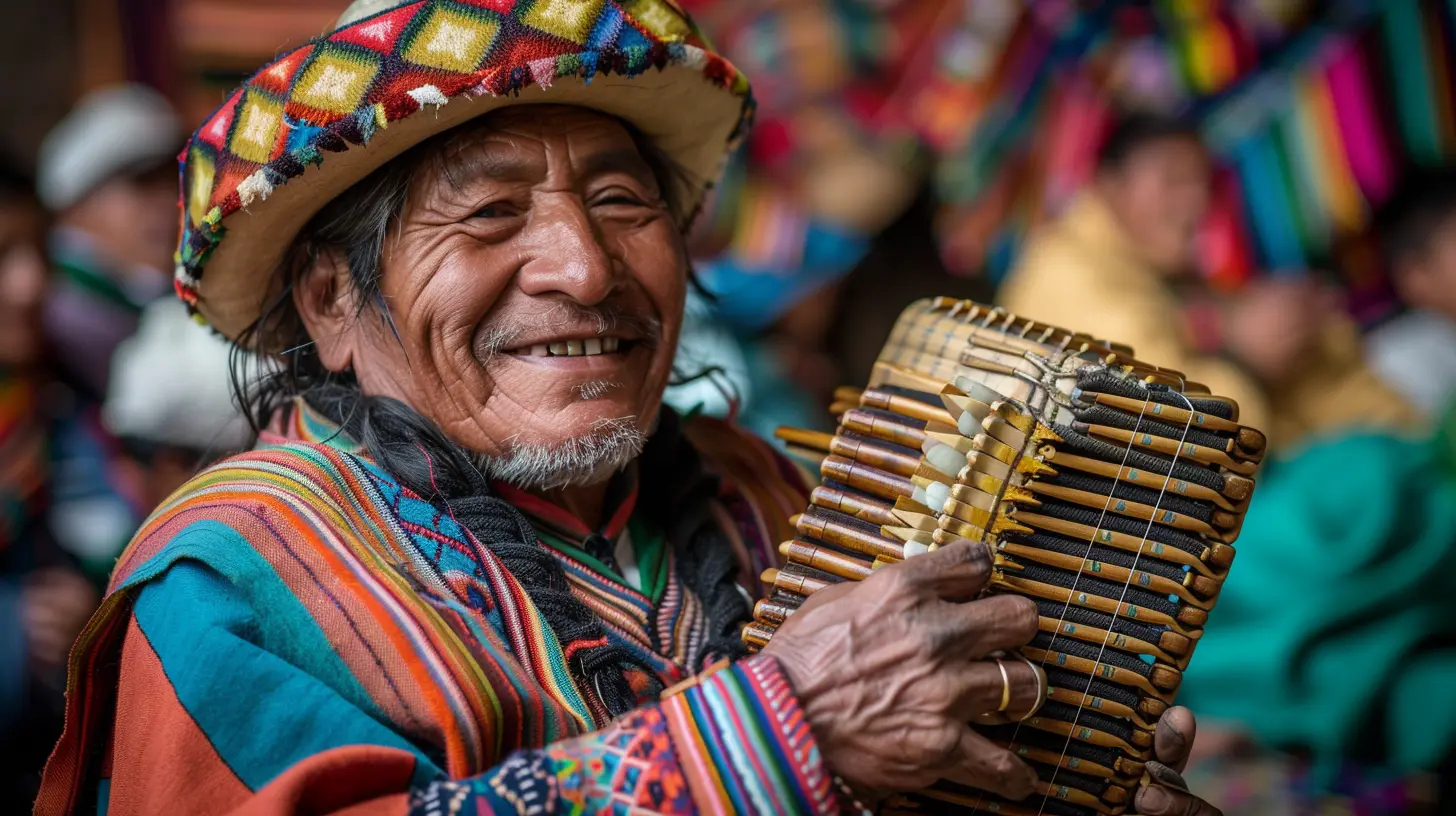
The Quechua and Aymara peoples, indigenous groups living primarily in Peru, Bolivia, and Ecuador, are at the heart of the Andes' cultural preservation. These groups have held onto customs that span back to the time when the Andes bustled with Incan life. They are the custodians of languages, art, and rituals that connect the modern world with its ancient past.Ever heard the phrase “language is culture”? Well, this rings true in the Andes. Quechua, the language of the Inca, is still widely spoken today. To this day, when people in the Andes speak Quechua, they’re not just communicating—they’re paying homage to their ancestors and carrying their legacies forward.
Agricultural Traditions
Pachamama: The Earth Mother
When you’re in the Andes, it’s impossible to miss the reverence for Pachamama—the Earth Mother. She is far more than just a deity in Andean cosmology; she’s a living, breathing entity who sustains life. The people in the Andes have a deep respect for nature. Every mountain, river, and valley is viewed as sacred. Imagine seeing the world as one interconnected organism where every tree, every rock, even the clouds play a role—this is how the Andean peoples approach life.In Andean culture, agriculture is inseparable from spirituality. Farmers perform rituals known as "Pago a la Pachamama" (Payment to the Earth) to thank Pachamama for her abundance and ask for her blessings before planting crops. The act involves offering coca leaves, chicha (a traditional corn beer), and other essential items to the Earth. It’s a way of keeping balance with nature, like paying rent to the land they farm.
Traditional Crops and Farming Techniques
Can you guess what crop is almost synonymous with the Andes? Potatoes! Native to the region, there are over 4,000 varieties of potatoes cultivated here. The diversity is jaw-dropping. Some are small enough to look like pebbles, while others come in colors like deep purple or yellow. And yes, they taste completely different.Besides potatoes, quinoa is another key crop. This grain-like seed has become popular worldwide in recent years, but the people of the Andes have been growing it for centuries. It’s resilient, thriving in harsh Andean altitudes, and incredibly nutritious—a true superfood before superfoods were cool.
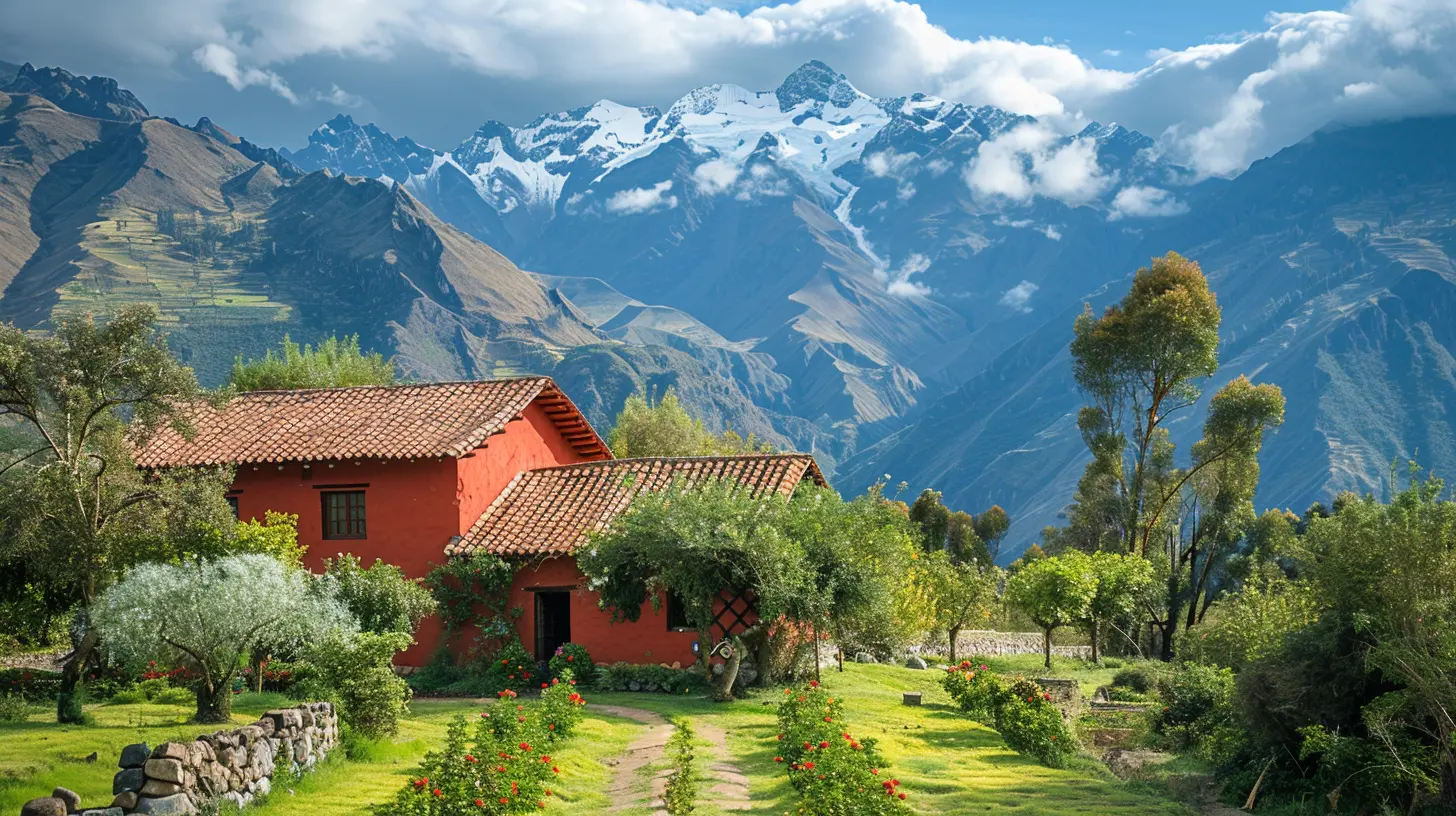
One of the most fascinating aspects of Andean agriculture is their “terrace farming” method. Since the Andes consists of steep mountainsides, the people ingeniously carved out terraces into the slopes. These terraces help prevent soil erosion and make the most out of limited arable land. It’s like nature’s version of staircases, with each step growing a different crop.
Festivals and Celebrations
Inti Raymi: The Festival of the Sun
Would it be a celebration of Andean culture without a festival paying homage to the most revered of deities? Certainly not! Inti Raymi, or the Festival of the Sun, is one of the most significant events in Andean tradition. Held during the Southern Hemisphere’s winter solstice (around June 24), this festival honors Inti, the Sun God, the giver of life and warmth.Back in the day, the Inca emperor himself would lead this grand celebration. Today, the largest festival takes place in Cusco, Peru, the historical capital of the Inca Empire. Thousands of people gather every year to witness the reenactment of the ancient ceremony, complete with traditional costumes, dances, and rituals.
It’s not just a spectacle for tourists—it’s a revival of ancestral wisdom, a bridge between the living and their gods. Think of it as Thanksgiving, Christmas, and New Year’s all rolled into one—only with much fancier costumes!
La Diablada: The Dance of the Devils
If Inti Raymi celebrates the light, then La Diablada touches the shadows. This annual festival, celebrated during Carnival in Bolivia’s Oruro, is a dazzling display of colorful costumes, masks, and dances. But don’t be fooled by its playful appearance; La Diablada is a dance deeply rooted in the Andean cosmology of good versus evil.Dancers in devilish masks represent demons, while angelic figures represent the forces of light. Together, they perform a ceremonial dance that mimics the cosmic struggle between good and evil. But, as with many cultural traditions in the Andes, La Diablada isn’t just for entertainment—it’s a reenactment of spiritual beliefs, a reminder of the constant balance that needs to be maintained in life.
Traditional Clothing
The Iconic Chullo and Ponchos
What comes to mind when you think about the Andes? Probably those brightly colored textiles, right? Traditional Andean clothing is not only functional but also serves as a form of cultural expression. The chullo—a woolen hat with ear flaps—is one of the most recognizable items. It’s mainly worn by men and is both stylish and practical, keeping their heads warm in the chilly highland temperatures.Ponchos are another piece of iconic Andean attire. Every region has its own style, weaving techniques, and patterns, each telling a story about its origins and the people who made it. Wearing a poncho is like wearing a piece of the Andes on your back—each thread represents a piece of the region’s long history.
Weaving Traditions
Weaving in the Andes isn’t just a craft; it’s an art form passed down through generations. With vibrant colors that seem to capture the very essence of the mountains, textiles from the Andes are symbolic, reflecting religious beliefs, social status, and even the wearer's role within the community.Traditionally, weaving is done on simple, handmade looms. And here's the amazing part: many Andean weavers can create incredibly detailed designs—without any written patterns. It’s all in their heads. The vivid colors come from natural dyes, with some pigments extracted from plants, minerals, and even insects like the cochineal, which creates a brilliant red color.
Music and Dance
The Power of Traditional Instruments
What’s a culture without music to accompany it, right? Andean music is as much a part of the environment as the mountains themselves. At the heart of Andean music are traditional instruments like the pan flute (zampoña) and charango (a small stringed instrument). The melodies feel ancient—like the echo of wind rushing through the mountain passes.The music often carries deep spiritual significance, thought to communicate with the gods and nature itself. It’s one thing to hear Andean music on recordings or YouTube, but to hear it echoing through the high-altitude valleys? That’s a whole different experience—you can almost feel the soul of the mountains joining in the melody.
The Dance of the Scissors
This isn't your average folk dance. The Danza de las Tijeras, or Dance of the Scissors, is a traditional dance from southern Peru that combines athleticism, endurance, and spirituality. Dancers, adorned in colorful costumes and holding actual scissors in their hands, perform mind-boggling acrobatic feats while keeping rhythm with the clinking of scissors.The dance is not just a test of physical prowess but also a spiritual trial. Performers are believed to be invoking supernatural forces as they execute their moves, bridging the physical and spiritual realms. It’s as if every step taken is a dialogue between the dancers and the gods.
The Timelessness of Andean Traditions
In the Andes, traditions aren’t just cultural relics—they are lived experiences. They are a part of everyday life, from the way people speak to the music that fills the air. Time feels different here. It’s less linear, more cyclical, much like the planting of crops and the changing of the seasons.For visitors, this creates a sense of awe and connection. When you travel to the Andes, you're not just observing traditions—you’re participating in them. Whether through sharing a meal, listening to the hum of a pan flute, or witnessing an ancient ritual, you’re becoming part of a timeless story.
So, are you ready to step into the past, while also experiencing the present? The Andes await, with their timeless traditions and a rhythm of life that seems to bridge worlds.
all images in this post were generated using AI tools
Category:
Cultural ToursAuthor:

Shane Monroe
Discussion
rate this article
1 comments
Xeno Huffman
Explore the Andes and embrace their wonderful traditions!
August 17, 2026 at 4:24 AM
Shane Monroe
Absolutely! The Andes are rich in culture and traditions that truly captivate every visitor.