Traditional Dance Festivals Worth Traveling for in 2026
26 April 2026
You know that feeling when music hits your bones, and your feet start moving before your brain gives permission? That’s the magic of dance. Now imagine that feeling multiplied by a thousand—a whole village, a whole country, moving together in rhythm under a sky full of stars. That’s what traditional dance festivals are all about. And in 2026, they’re calling your name.
I’ve been lucky enough to witness a few of these spectacles, and let me tell you: no travel documentary, no Instagram reel, no YouTube video can prepare you for the raw, unfiltered joy of being there. It’s like trying to describe the taste of honey to someone who’s only ever eaten sugar. You have to experience it.
So, if you’re itching for a trip that feeds your soul, stretches your horizons, and gets your heart pumping—literally—let’s talk about the traditional dance festivals in 2026 that are absolutely worth packing your bags for. No fluff, no filler. Just honest, human stories and practical tips to help you plan the adventure of a lifetime.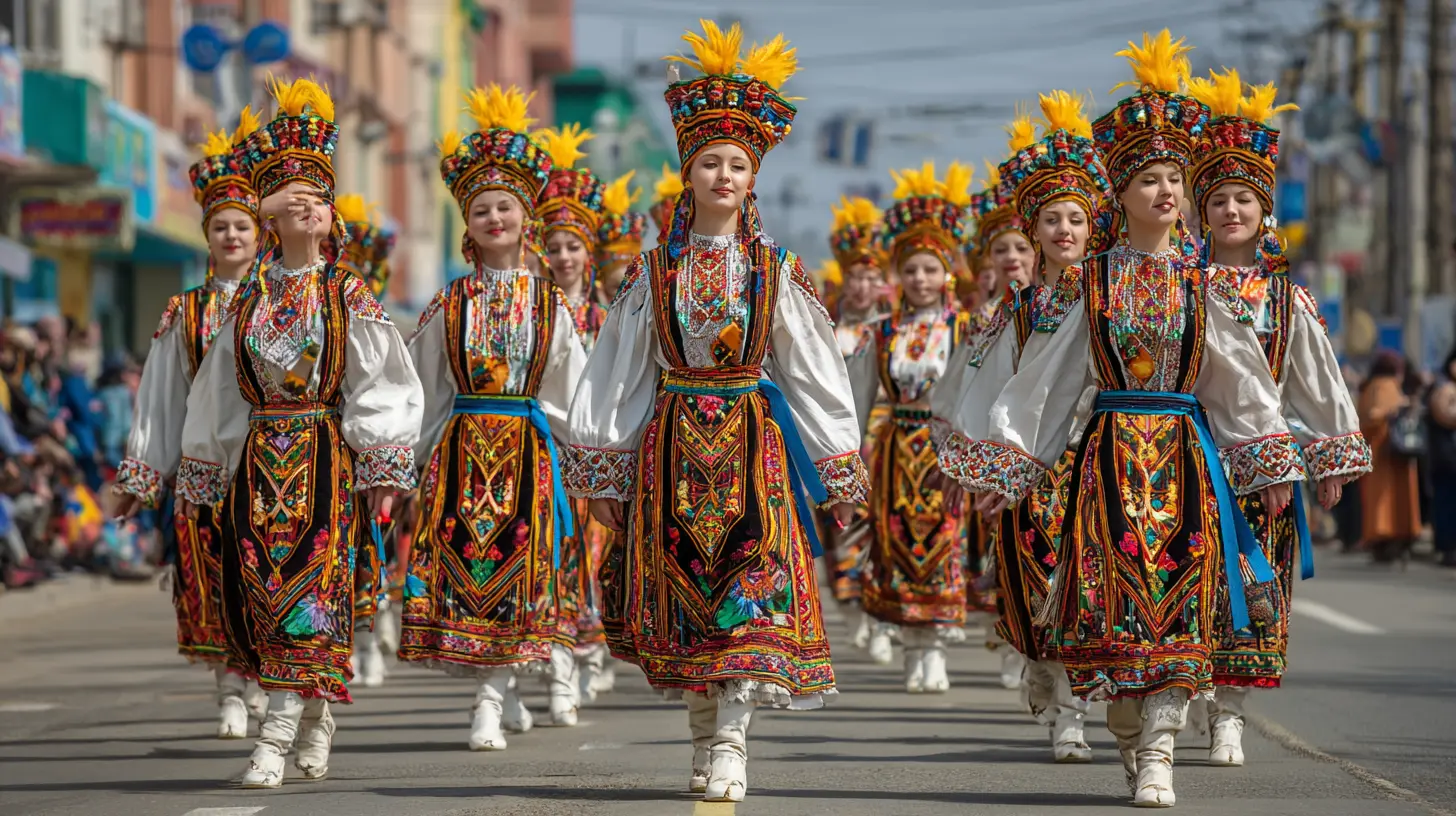
Why Traditional Dance Festivals Matter More Than Ever
Let’s be real for a second. In a world that’s increasingly digital, where we swipe through life at lightning speed, traditional dance festivals are like anchors to our humanity. They’re not just performances; they’re living history books written in movement. Every stomp, every spin, every hand gesture tells a story—about love, war, harvest, gods, or just the simple joy of being alive.In 2026, as we continue to navigate a post-pandemic world, these gatherings feel even more precious. They remind us that connection—real, sweaty, shoulder-to-shoulder connection—is irreplaceable. You can’t Zoom into a Balinese Kecak dance at sunset. You can’t livestream the thunder of Maori haka vibrations in your chest. You have to be there.
And that’s exactly what I’m going to help you do.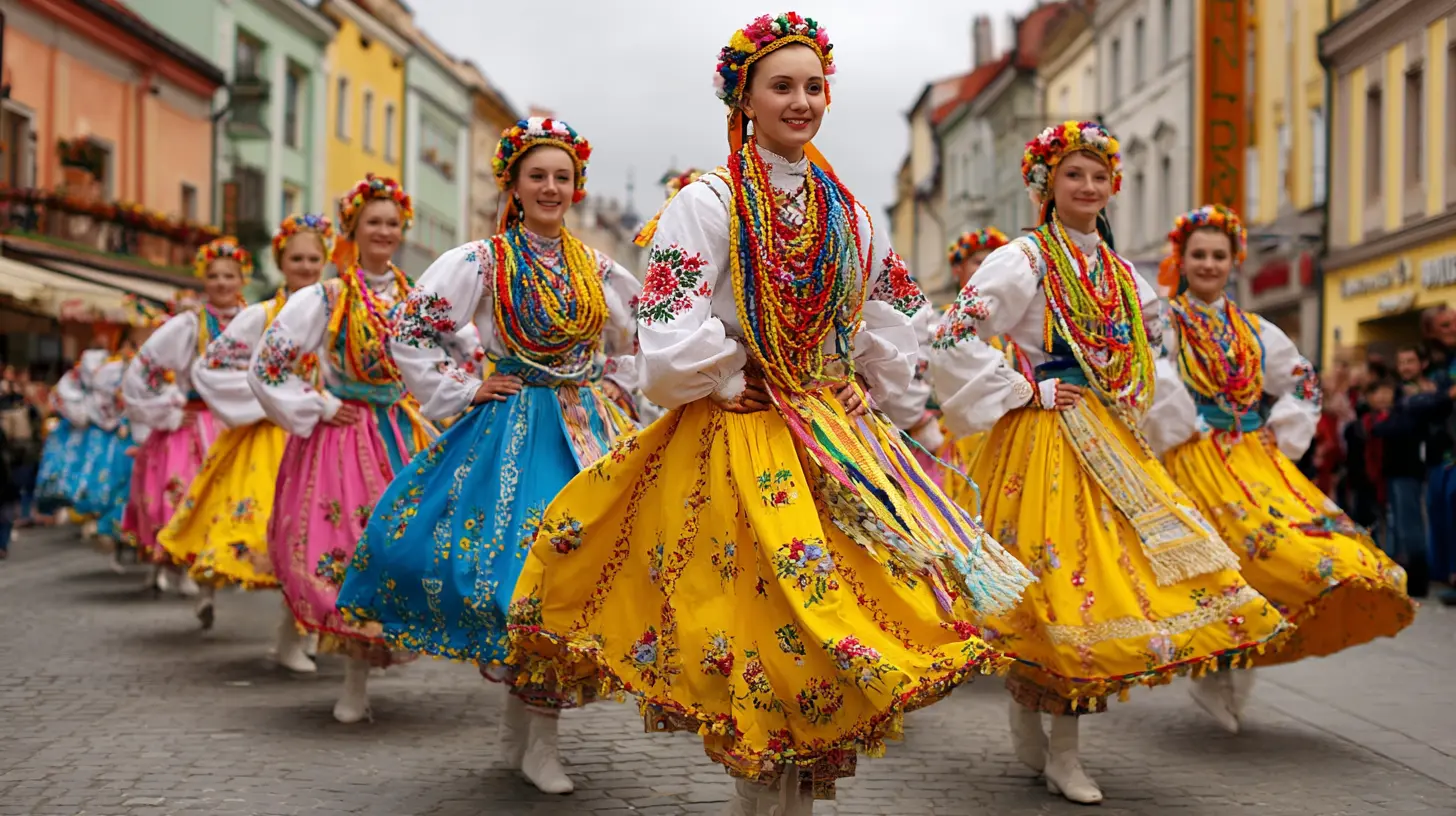
1. Bali Arts Festival (Bali, Indonesia) – June to July 2026
The Soul of the Island, One Dance at a Time
Imagine this: you’re sitting on a woven mat under a canopy of frangipani trees, the air thick with incense and the sound of gamelan orchestras. A dancer, adorned in gold and silk, moves her fingers in ways that seem impossible—each curl telling a story from the Ramayana. This isn’t a tourist show. This is the Bali Arts Festival, a month-long celebration that transforms the island into a living canvas.In 2026, the festival runs from mid-June to mid-July, and it’s the perfect excuse to visit Bali beyond the beach clubs. The main events happen in Denpasar, but don’t be fooled—the entire island joins in. You’ll see traditional Legong, Barong, and Kecak dances performed in temples, village squares, and even rice terraces.
Why you should go: The Kecak dance—performed by a circle of bare-chested men chanting “cak cak cak” while a trance-dance unfolds—is hypnotic. It’s not just a show; it’s a spiritual experience. And the best part? You’re not a passive observer. Locals will pull you into processions, teach you basic steps, and share food that tastes like home.
Pro tip: Stay in Ubud for the most authentic village-level performances. Book a homestay with a family who participates in the festival. You’ll wake up to the sound of rehearsals and get invited to backstage areas tourists rarely see.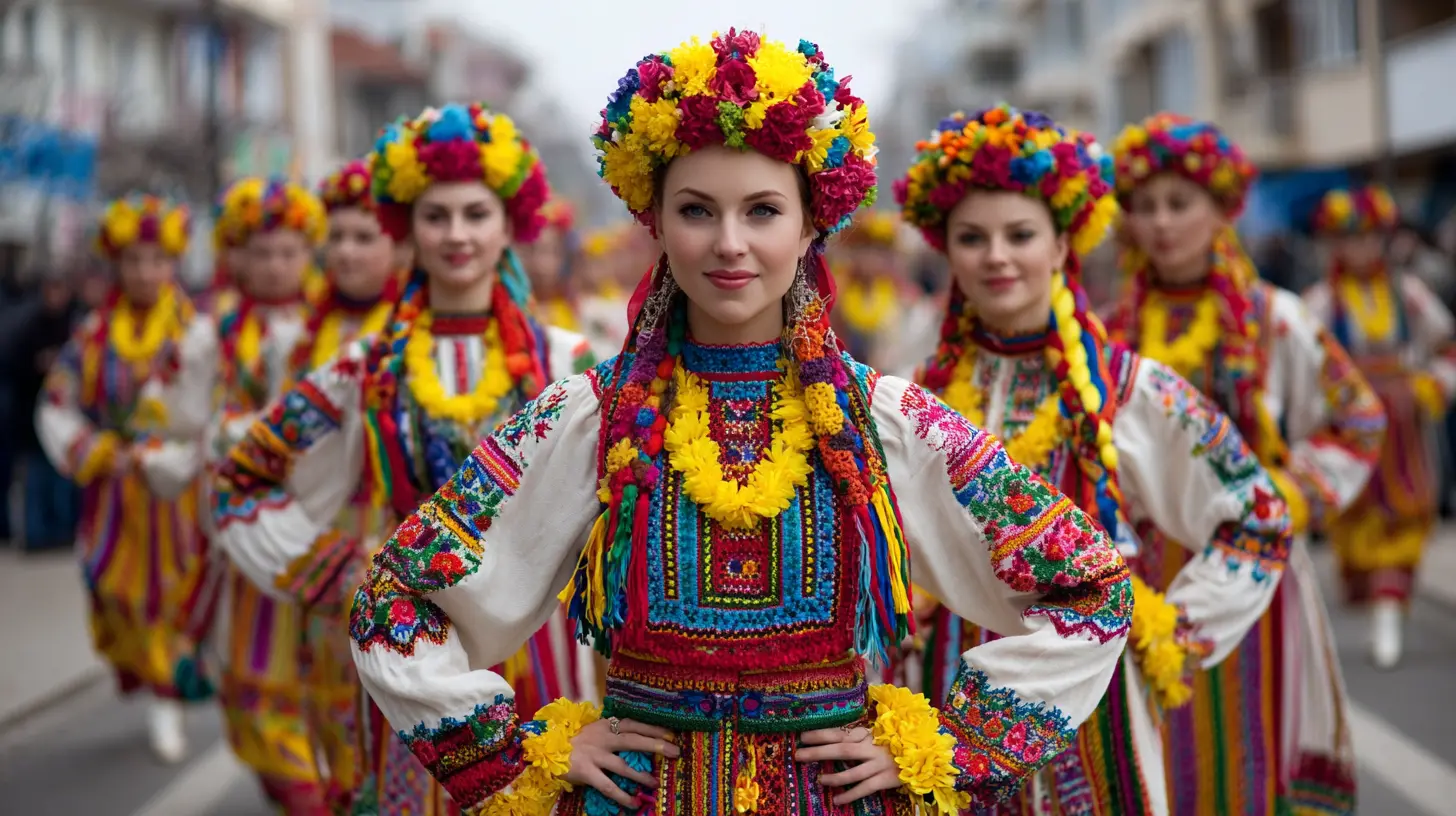
2. Festival of the Sahara (Douz, Tunisia) – December 2026
Dancing with the Desert
Now, let’s shift gears—from tropical Bali to the golden dunes of Tunisia. The Festival of the Sahara in Douz is not your typical dance festival. It’s a nomadic gathering that celebrates the culture of the Bedouin people, and it happens every December. In 2026, it’s scheduled for the last week of the year, making it a surreal way to ring in the new year.Picture this: you’re standing on the edge of the Sahara, the sun setting like a molten coin. Men in white robes perform the Raqs al-Sahara—a dance that mimics the movement of camels and the wind. Women in vibrant fabrics clap and ululate, their voices cutting through the silence of the desert. It’s raw, it’s ancient, and it’s deeply moving.
Why you should go: Because where else can you watch a dance competition that includes camel racing, poetry slams, and a beauty pageant for… camels? Yes, you read that right. The festival is a full immersion into a way of life that’s disappearing. The dances here aren’t rehearsed for tourists; they’re passed down through generations, and the pride in every step is palpable.
Pro tip: Prepare for cold desert nights. The days are warm, but after sunset, the temperature drops like a stone. Bring layers, a good sleeping bag if you’re camping, and a willingness to eat couscous with your hands.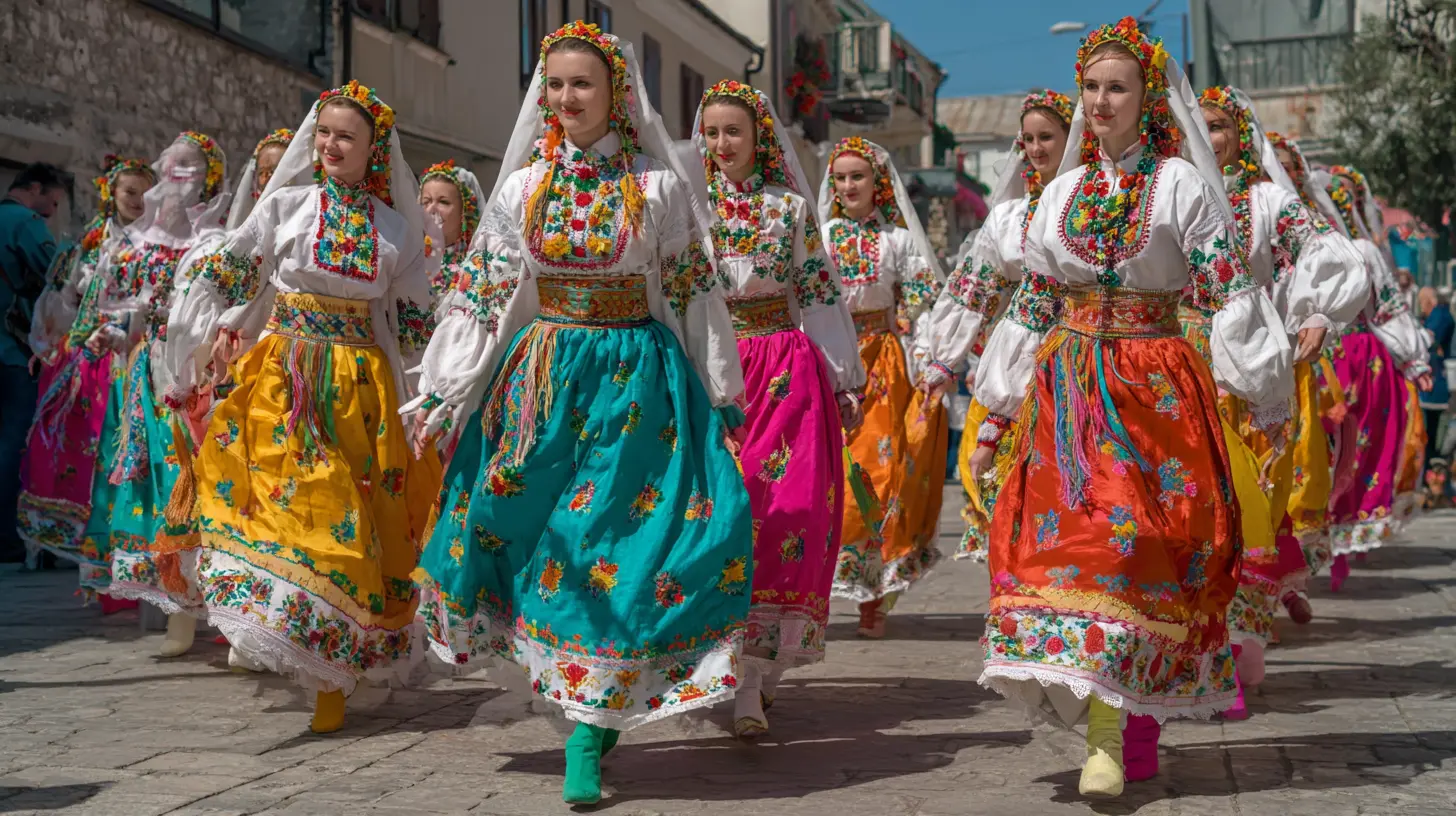
3. Feria de Abril (Seville, Spain) – April 2026
Flamenco, Fiestas, and Fire
If you think flamenco is just clicking heels and ruffled dresses, think again. The Feria de Abril in Seville is a week-long explosion of color, sound, and emotion that makes Mardi Gras look like a quiet dinner party. In 2026, it runs from April 18 to 25, and it’s the ultimate destination for anyone who wants to feel the heartbeat of Andalusia.The festival takes over a massive fairground called the Real de la Feria, where hundreds of casetas (tents) are set up, each one a mini-party hosted by families, clubs, or businesses. The dancing—sevillanas, a folk dance that’s the cousin of flamenco—happens everywhere. On the street, in the casetas, on makeshift stages. And it’s not a spectator sport. You’re expected to join.
Why you should go: Because the sevillanas are surprisingly easy to learn. I’m not a natural dancer—my rhythm is more “offbeat penguin” than “graceful gazelle”—but within an hour, a group of abuelas (grandmothers) had me spinning and clapping like I belonged. The joy is contagious. Plus, the food: fried fish, jamón, and rebujito (a sherry and lemonade cocktail) flow like water.
Pro tip: Learn the basic steps of sevillanas before you go. There are dozens of YouTube tutorials. It’ll make you feel less like a tourist and more like a participant. And dress the part—women in flamenco dresses, men in suits. Even if you’re just a visitor, wearing a floral dress or a sharp jacket earns you instant respect.
4. Gion Matsuri (Kyoto, Japan) – July 2026
Geisha, Drums, and Ancient Precision
Let’s head to Japan for a festival that’s been running for over 1,100 years. The Gion Matsuri in Kyoto is a month-long affair, but the main dance events—the Yoiyama evenings and the grand procession—happen in mid-July. In 2026, the highlight is July 17, when massive floats called yamaboko are paraded through the streets, accompanied by traditional dance and music.But the real magic? The Geisha and Maiko performances. These aren’t tourist traps; they’re intimate, highly choreographed dances that take years to master. The movements are so precise that a single tilt of the head can convey sorrow, joy, or anticipation. It’s like watching poetry in slow motion.
Why you should go: Because Japan’s traditional dance is a masterclass in discipline and beauty. The Gion Matsuri also offers a rare chance to see geisha in their natural habitat—not as museum pieces, but as living artists. You can attend tea ceremonies where they perform, and if you’re lucky, you might even get a private show.
Pro tip: Book your accommodation months in advance. Kyoto during Gion Matsuri is packed. Also, wear comfortable shoes—you’ll be walking and standing for hours. And please, don’t touch the geisha. They’re working artists, not photo props.
5. Inti Raymi (Cusco, Peru) – June 24, 2026
Dancing for the Sun God
Now, let’s go high—really high. The Inti Raymi (Festival of the Sun) in Cusco, Peru, is an Incan celebration that honors the sun god, Inti. Held on June 24, the winter solstice in the Southern Hemisphere, it’s one of the most dramatic traditional dance festivals in the world. Think thousands of performers in colorful costumes, chanting in Quechua, and reenacting ancient rituals at the Sacsayhuamán fortress.The dancing here is not just entertainment; it’s a religious act. The Chunchos and Qhapaq Qollas are dance troupes that represent different regions of the Inca empire, and their movements tell stories of conquest, harvest, and gratitude. The energy is electric, even at 3,400 meters above sea level.
Why you should go: Because it’s a living connection to a civilization that built Machu Picchu. The festival is massive—over 100,000 people attend—but it never feels chaotic. There’s a reverence in the air, a sense that you’re witnessing something sacred. And the backdrop? The Andes mountains, clear blue skies, and the ruins of an ancient empire.
Pro tip: Acclimate to the altitude before the festival. Arrive in Cusco at least three days early to avoid altitude sickness. Drink coca tea, go easy on the alcohol, and bring sunscreen—the sun at this altitude is fierce.
6. Festival of the Yam (Igbo Land, Nigeria) – August 2026
Dance, Drum, and the Harvest of Life
Let’s go to West Africa for a festival that’s as earthy as it gets. The Festival of the Yam (Iri Ji) is celebrated by the Igbo people of Nigeria, usually in August, to mark the end of the farming season. It’s a time of thanksgiving, community, and—you guessed it—dance. In 2026, the dates vary by village, but the main celebrations happen in the second week of August.The dance styles here are as diverse as the Igbo clans. The Atilogwu dance is a high-energy acrobatic performance that involves flips, kicks, and impossible leaps. The Nkwa Umuagbogho is a graceful, hip-swaying dance performed by young women. And the drumming—oh, the drumming. It’s not background music; it’s a conversation between dancers, drummers, and spirits.
Why you should go: Because this is dance as a community bond. Everyone participates—from toddlers to elders. You’ll be invited to eat pounded yam and egusi soup, and you’ll learn that dance in Igbo culture isn’t about perfection; it’s about joy. I once saw a 70-year-old woman out-dance a group of teenagers, and the crowd went wild.
Pro tip: Respect local customs. Dress modestly, ask permission before taking photos, and never point your feet at the food. Learn a few Igbo phrases like “Ndewo” (hello) and “Imela” (thank you). It goes a long way.
7. Boryeong Mud Festival (South Korea) – July 2026
Dirty Dancing with a Purpose
Okay, this one’s a bit of a wild card. The Boryeong Mud Festival in South Korea isn’t strictly a “traditional dance festival,” but hear me out. The dance component—the Mud Dance—is a modern twist on ancient Korean folk dances like the Ganggangsullae, where women dance in circles under the moon. In 2026, the festival runs from July 18 to 27, and it’s a muddy, messy, hilarious celebration.The main event is the Mud Experience Zone, where you’ll see people—and I mean thousands of people—sliding, wrestling, and dancing in mineral-rich mud. But the traditional dance performances happen in the evenings, when the mud is washed off and the real artistry begins. You’ll see Samulnori (drumming and dance) and Talchum (mask dances) that date back centuries.
Why you should go: Because it’s the perfect blend of fun and culture. You can spend the day acting like a kid in a mud puddle, then watch a graceful mask dance at night. Plus, the mud is good for your skin. And your soul.
Pro tip: Bring clothes you don’t mind ruining. And a waterproof phone case. The mud gets everywhere—I mean everywhere.
How to Choose the Right Festival for You
Feeling overwhelmed? I get it. There’s a whole world of dance out there, and picking one festival is like choosing a favorite star in the sky. But here’s a simple way to decide:- If you love spirituality and ancient rituals: Go to Inti Raymi or the Bali Arts Festival.
- If you want to party and dance yourself: Head to Seville’s Feria de Abril or Boryeong Mud Festival.
- If you crave authenticity and community: Try the Festival of the Yam or Gion Matsuri.
- If you want a unique, once-in-a-lifetime setting: The Festival of the Sahara is unbeatable.
Practical Tips for Traveling to Dance Festivals in 2026
Let’s get real about logistics. These festivals aren’t just about showing up; they require planning. Here’s what I’ve learned from my own missteps and triumphs:1. Book early. Accommodation near festival sites sells out months in advance. For Gion Matsuri and Inti Raymi, I’d book by early 2026.
2. Learn the basics. Even if you’re not a dancer, watch a few videos of the local dance style. It shows respect and makes the experience richer.
3. Dress appropriately. Some festivals have dress codes (like Seville), while others require modest clothing (like Nigeria). Do your research.
4. Respect the culture. These aren’t theme parks. They’re living traditions. Don’t interrupt performances, don’t touch sacred objects, and always ask before taking photos.
5. Stay flexible. Weather, local politics, or unforeseen events can shift dates. Have a backup plan.
The Real Reason You Should Travel for Dance
I’ll leave you with this: travel changes you, but dance festivals transform you. They remind us that we’re all connected by the same rhythm—the beat of our hearts, the pulse of the earth. In 2026, the world will be spinning faster than ever, but these festivals are a chance to slow down, to feel, to move.So, which one will you choose? Will you spin in Seville, stomp in Cusco, or chant in Bali? Whatever you decide, just go. Because the dance floor is waiting, and the music—ancient, joyful, and eternal—is playing just for you.
all images in this post were generated using AI tools
Category:
Cultural CelebrationsAuthor:
Shane Monroe
Discussion
rate this article
2 comments
Zailyn McFarland
What a vibrant roundup! These festivals are exactly the kind of cultural magic that makes travel unforgettable. I’m already dreaming of the Flamenco Biennale. Thanks for the wonderful inspiration for 2026—my dance card is officially full!
April 29, 2026 at 3:48 PM
Shane Monroe
I'm glad you found the roundup inspiring! The Flamenco Biennale will be an incredible experience. Enjoy planning your travels for 2026!
Hayden Bowman
Embrace the rhythm of the world! Discover vibrant cultures through traditional dance festivals in 2026, where every step tells a story and every celebration invites you to connect!
April 28, 2026 at 3:47 PM