Walking in the Footsteps of the Pharaohs: Egypt's Cultural Tours
25 December 2025
When you think of Egypt, what comes to mind? The towering Pyramids of Giza? The enigmatic Sphinx? Or maybe the mighty Nile River? Egypt is a treasure trove of history, where every corner whispers stories of a civilization that once ruled the ancient world. If you've ever dreamed of walking in the footsteps of the pharaohs, cultural tours in Egypt offer a chance to experience that history firsthand.
From awe-inspiring temples to hidden tombs filled with hieroglyphic-covered walls, Egypt tells a tale of gods, kings, and extraordinary craftsmanship. Let’s take a journey through the country’s most fascinating historical sites and uncover the stories behind them. 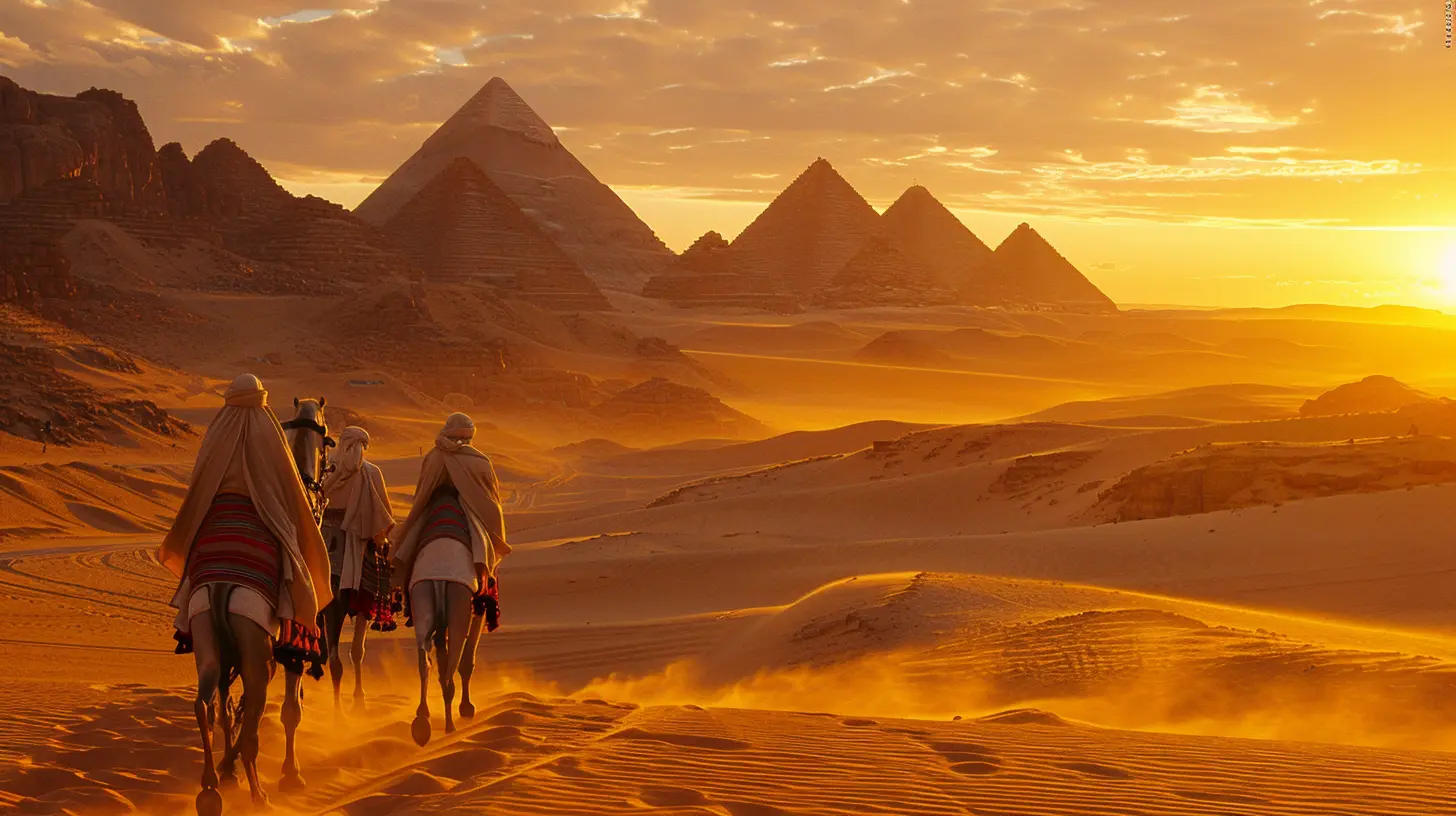
The Timeless Allure of Ancient Egypt
Egypt isn't just another travel destination—it’s a living museum. The country boasts some of the most well-preserved remnants of ancient civilization, attracting historians, archaeologists, and curious travelers alike. Whether you're a history buff or someone simply looking for an unforgettable adventure, Egypt’s cultural tours promise an experience like no other.With over 5,000 years of recorded history, Egypt remains one of the most captivating places on earth. Pharaohs ruled with absolute power, leaving behind colossal monuments that continue to mesmerize visitors today. But where should you start your journey? 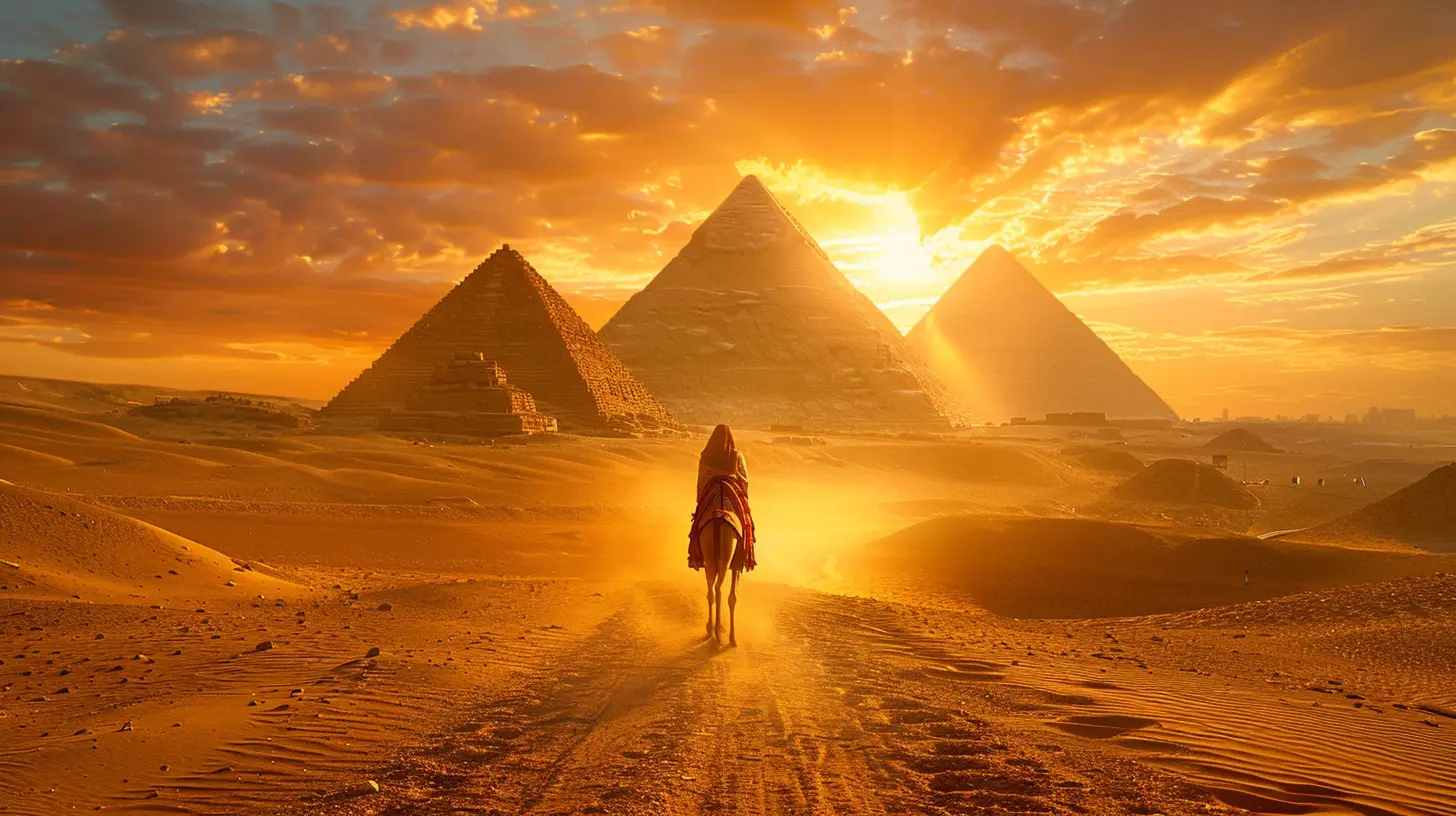
Cairo: The Heartbeat of Ancient and Modern Egypt
No cultural tour of Egypt would be complete without a stop in Cairo. As the capital city, Cairo is a bustling metropolis bursting with energy, but it’s also home to some of the most significant ancient sites.The Pyramids of Giza & The Sphinx
Standing against the backdrop of the modern city, the Great Pyramids of Giza are living proof of the genius of ancient Egyptian engineering. Built over 4,500 years ago, these towering structures were designed as elaborate tombs for the pharaohs.- The Great Pyramid of Khufu – The largest of the three, and the only surviving Wonder of the Ancient World.
- The Pyramid of Khafre – Easily recognizable by the remnants of its original smooth casing at the top.
- The Pyramid of Menkaure – The smallest, yet still an impressive feat of architecture.
A short walk away stands the Sphinx, the guardian of the pyramids. With the body of a lion and a human face, it’s one of the most mysterious structures in the world.
The Egyptian Museum
Located in Tahrir Square, the Egyptian Museum houses over 120,000 artifacts, including treasures from King Tutankhamun’s tomb. Standing before Tut’s solid gold death mask is a surreal experience—it’s like staring into the eyes of history itself.
Luxor: The World’s Greatest Open-Air Museum
If there’s one place that truly embodies the splendor of ancient Egypt, it’s Luxor. This city sits on the east and west banks of the Nile and is home to a staggering collection of temples and tombs.Karnak Temple Complex
Walking through Karnak Temple feels like stepping into a lost world of colossal statues and massive columns. The Hypostyle Hall, with its 134 towering pillars, is particularly breathtaking. This temple was dedicated to Amun-Ra, the sun god, and served as one of the most important religious centers in ancient times.The Valley of the Kings
This is where Egypt's most famous pharaohs were laid to rest. The Valley of the Kings is a burial ground filled with elaborately carved tombs, including that of King Tutankhamun. Every wall inside these tombs tells a story, with vibrant paintings depicting the pharaoh’s journey to the afterlife.Hatshepsut’s Temple
Rising against towering cliffs, Hatshepsut’s Temple is an architectural masterpiece dedicated to one of Egypt’s few female pharaohs. Its multi-tiered structure, with grand ramps and colonnades, makes it one of the most visually striking temples in Egypt.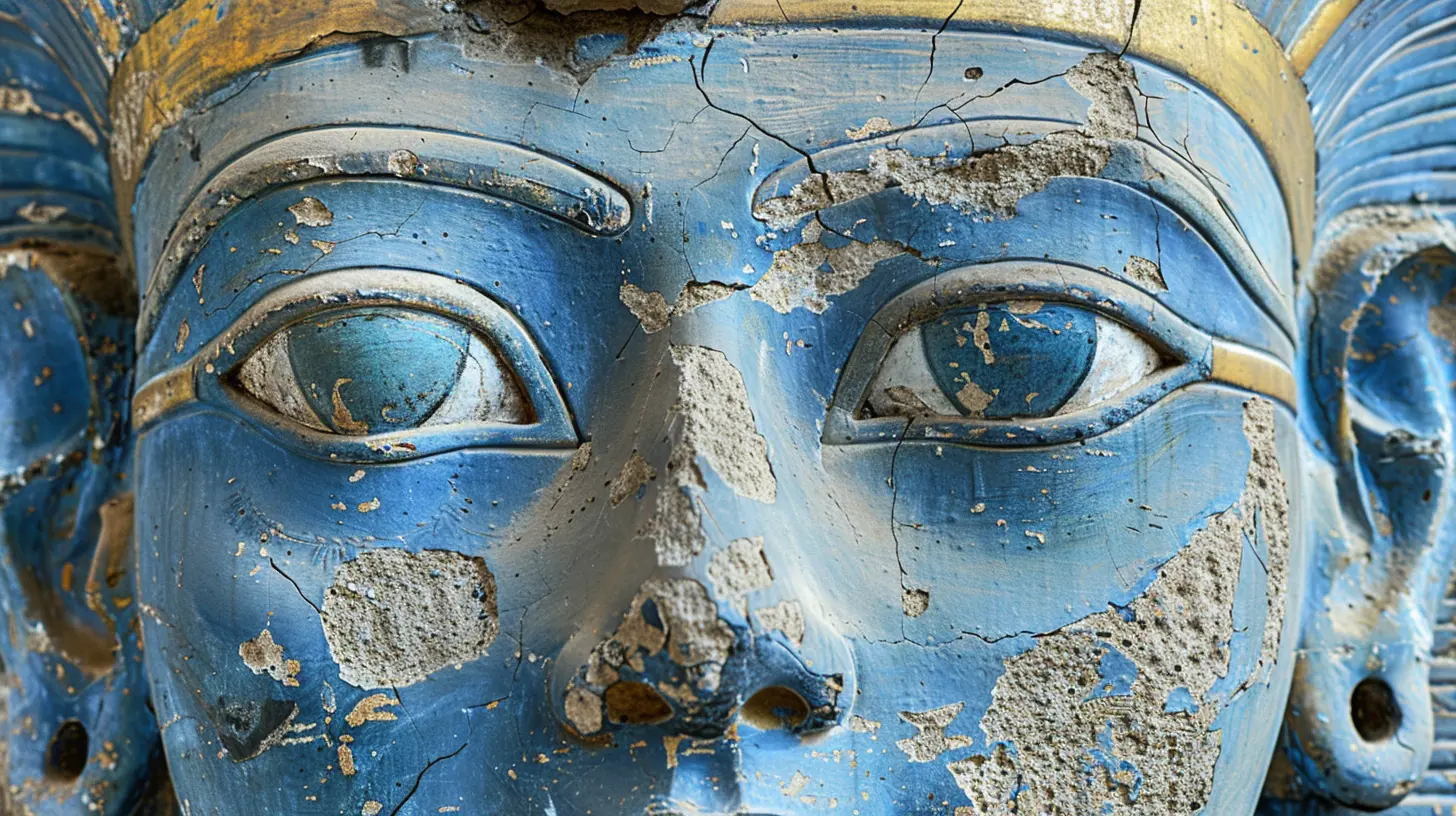
Aswan: The Land of Nubian Heritage
Aswan, a serene city on the Nile’s southern banks, boasts stunning natural landscapes and some of Egypt’s most significant historical attractions.Abu Simbel Temples
Imagine standing before two colossal statues of Ramses II, guarding the entrance to the Abu Simbel Temples. These awe-inspiring structures were carved directly into a mountainside to commemorate Ramses’ victory at the Battle of Kadesh.What’s even more fascinating? The entire temple was relocated stone by stone in the 1960s to save it from the rising waters of the Nile—an engineering marvel almost as impressive as its original construction.
Philae Temple
Dedicated to the goddess Isis, the Philae Temple is a tranquil site that seems to float on the Nile. It’s particularly breathtaking when experienced at sunset, with the warm glow reflecting off the water.Cruising the Nile: A Journey Through Time
One of the best ways to soak in Egypt’s history is by taking a Nile cruise. The river has been the lifeline of Egypt for thousands of years, sustaining civilization and connecting distant cities. Imagine drifting along the water, watching life unfold along its banks, much like it did during the time of the pharaohs.A cruise typically runs between Luxor and Aswan, allowing travelers to visit key sites like Edfu Temple (dedicated to Horus, the falcon god) and Kom Ombo Temple (shared by Sobek and Horus).
Alexandria: Echoes of the Greco-Roman Era
While most cultural tours focus on Egypt’s Pharaonic past, Alexandria offers a different historical flavor. Founded by Alexander the Great, the city was once a hub of knowledge and home to the legendary Great Library of Alexandria.The Catacombs of Kom El Shoqafa
This underground necropolis blends Egyptian, Greek, and Roman architectural styles—proof of Alexandria’s diverse cultural influences.The Citadel of Qaitbay
Built on the ruins of the ancient Lighthouse of Alexandria, this fortress stands as a reminder of the city’s strategic importance throughout history.Experiencing Egyptian Culture Beyond the Monuments
While the ancient ruins are the main attraction, Egyptian culture is just as rich as its history. No trip is complete without:- Tasting Egyptian cuisine – Try koshari, a hearty mix of rice, pasta, lentils, and crispy onions, or ful medames, a traditional fava bean dish.
- Exploring local bazaars – The Khan El Khalili market in Cairo is a maze of winding alleyways filled with spices, perfumes, and handcrafted souvenirs.
- Engaging with locals – Egyptians are known for their hospitality; conversations over tea can be just as enriching as historical sites.
Final Thoughts
Walking in the footsteps of the pharaohs is more than just a sightseeing trip—it’s an opportunity to connect with one of the most fascinating civilizations in human history. Every temple, tomb, and artifact tells a story of ambition, faith, and innovation. Whether you’re gazing at the pyramids, wandering through Luxor’s temples, or sailing down the Nile, Egypt leaves an imprint on your soul like few places on earth.So, are you ready to take a journey through time?
all images in this post were generated using AI tools
Category:
Cultural ToursAuthor:

Shane Monroe
Discussion
rate this article
2 comments
Zinn McIlroy
This article beautifully captures the rich history and allure of Egypt's cultural tours. A must-read for anyone interested in exploring the legacy of the Pharaohs!
January 26, 2026 at 3:46 AM
Shane Monroe
Thank you for your kind words! I'm glad you enjoyed the article and found the beauty of Egypt's history captivating.
Noemi McVaney
Let’s wander where pyramids stand tall, and cats reign supreme—because who doesn’t want to sip chai with ancient spirits?" 🐱✨
January 6, 2026 at 4:41 PM
Shane Monroe
Absolutely! Exploring Egypt’s wonders with its rich history and feline companions sounds like a dream adventure. 🐾✨