Why Airbnb Experiences Are the Future of Travel by 2027
11 May 2026
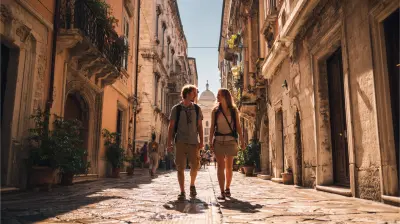
You know that feeling when you book a trip, arrive at your hotel, and then spend the next three days doing the exact same things everyone else does? You stand in the same line for the same famous landmark, eat at the same overpriced restaurant the guidebook recommends, and take the same photo from the same spot that a million people have already shared on Instagram. It feels like you are checking boxes, not actually traveling.
I have been there. We all have. And honestly, it is getting a little boring.
But something is shifting. Slowly but surely, travelers are starting to crave something deeper. They want to feel like they actually lived in a place, even if only for a weekend. They want to meet the local baker who wakes up at 4 AM to make sourdough, or the street artist who can tell you the story behind every mural in the neighborhood. This is where Airbnb Experiences come in. And by 2027, I believe they are going to completely change how we think about travel.
Let me explain why.
The Death of the Cookie-Cutter Vacation
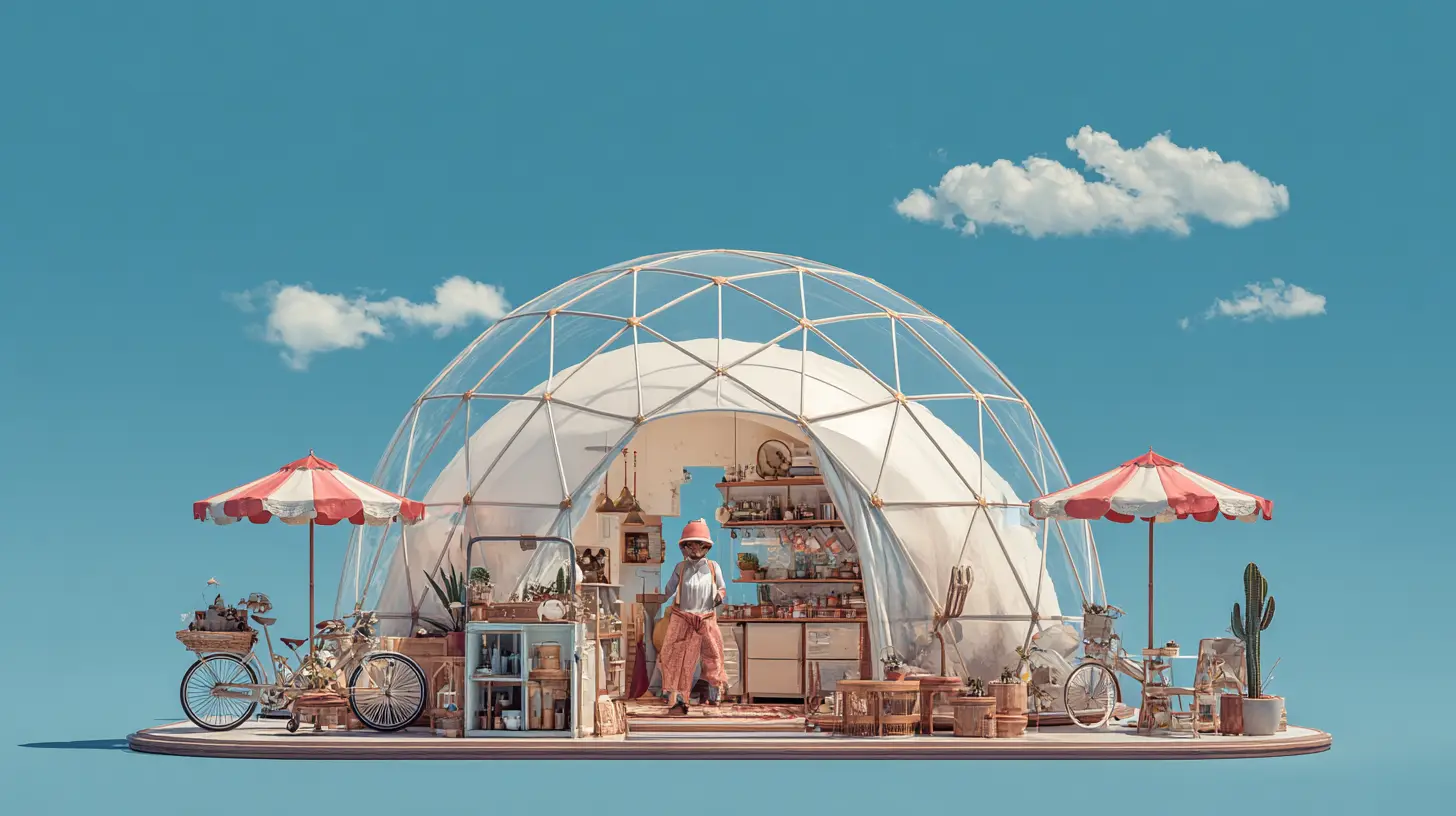
Think about the last big vacation you took. Did you feel like a tourist or a traveler? There is a huge difference. Tourists consume. Travelers connect. And right now, the travel industry is built for consumers, not connectors.Hotels, tour buses, and package deals are designed to move people through a system as efficiently as possible. You arrive, you see the sights, you leave. There is very little room for spontaneity or genuine interaction. But Airbnb Experiences flipped that model on its head from day one. Instead of selling you a ticket to a museum, they sell you a few hours with a person who loves that museum and knows the secret room nobody talks about.
By 2027, this kind of personal connection will not be a luxury. It will be the standard. People are tired of feeling like numbers. They want to be known, even if only for an afternoon. And that is exactly what a well-designed Experience can offer.
It Is Not Just About Where You Sleep Anymore
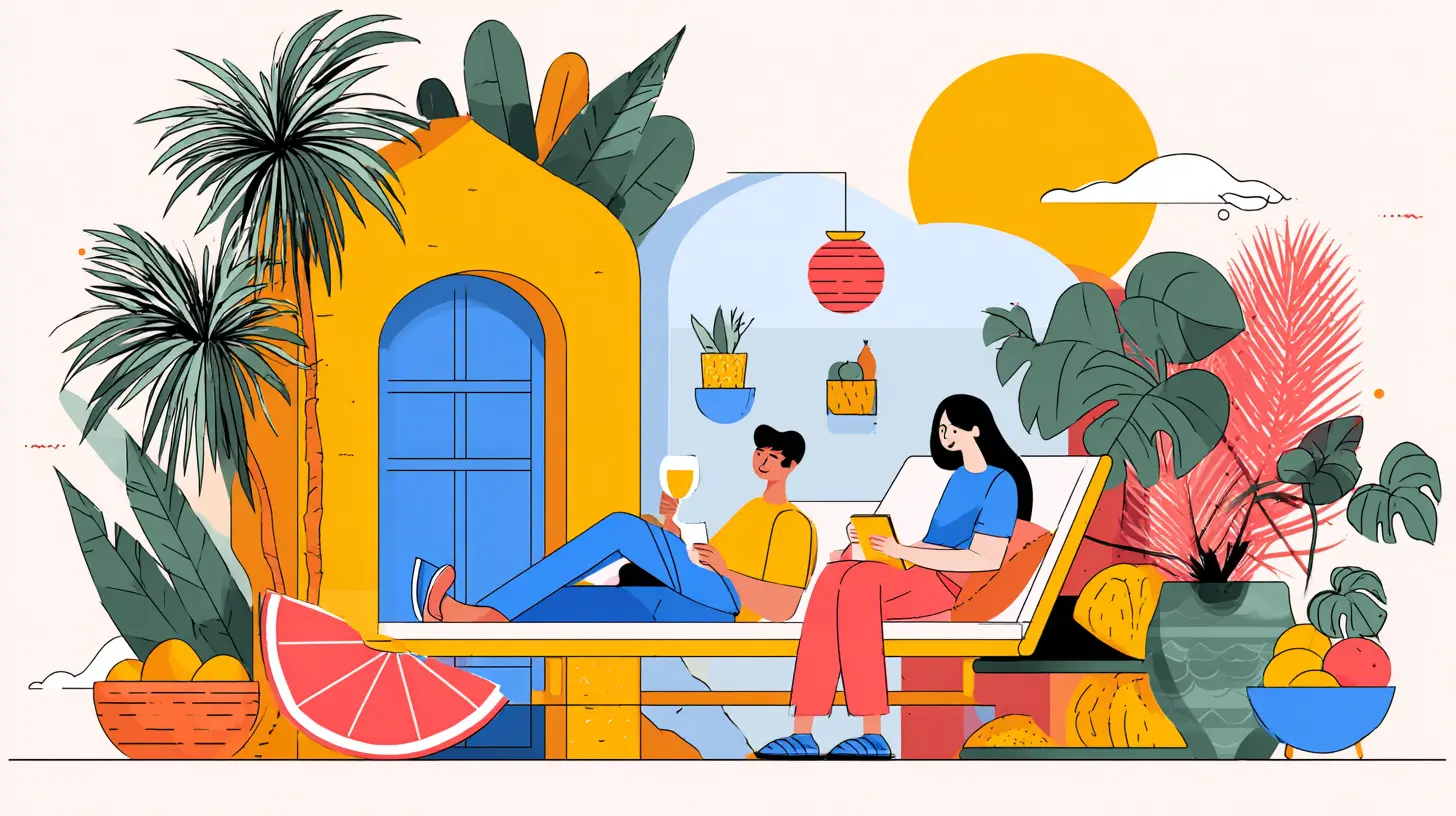
When Airbnb first started, the whole idea was simple: rent out your spare room or your couch. It was about accommodation. But the company quickly realized that the real magic was not the bed. It was the host. The host who left fresh fruit on the table. The host who drew a map on a napkin of their favorite hidden bar. The host who said, "Skip the main square, go around the corner instead."So they formalized that magic into Experiences. Now, you can book a cooking class in a Roman apartment, a photography walk through Tokyo at sunrise, or a meditation session overlooking the Andes. These are not tours. They are moments.
And here is the kicker. By 2027, I predict that booking an Experience will become more important than booking a room. Why? Because you can sleep anywhere. You can find a bed in a hostel, a hotel, or a friend's spare room. But you cannot find a genuine connection with a local guide just anywhere. That is the real scarcity in modern travel.
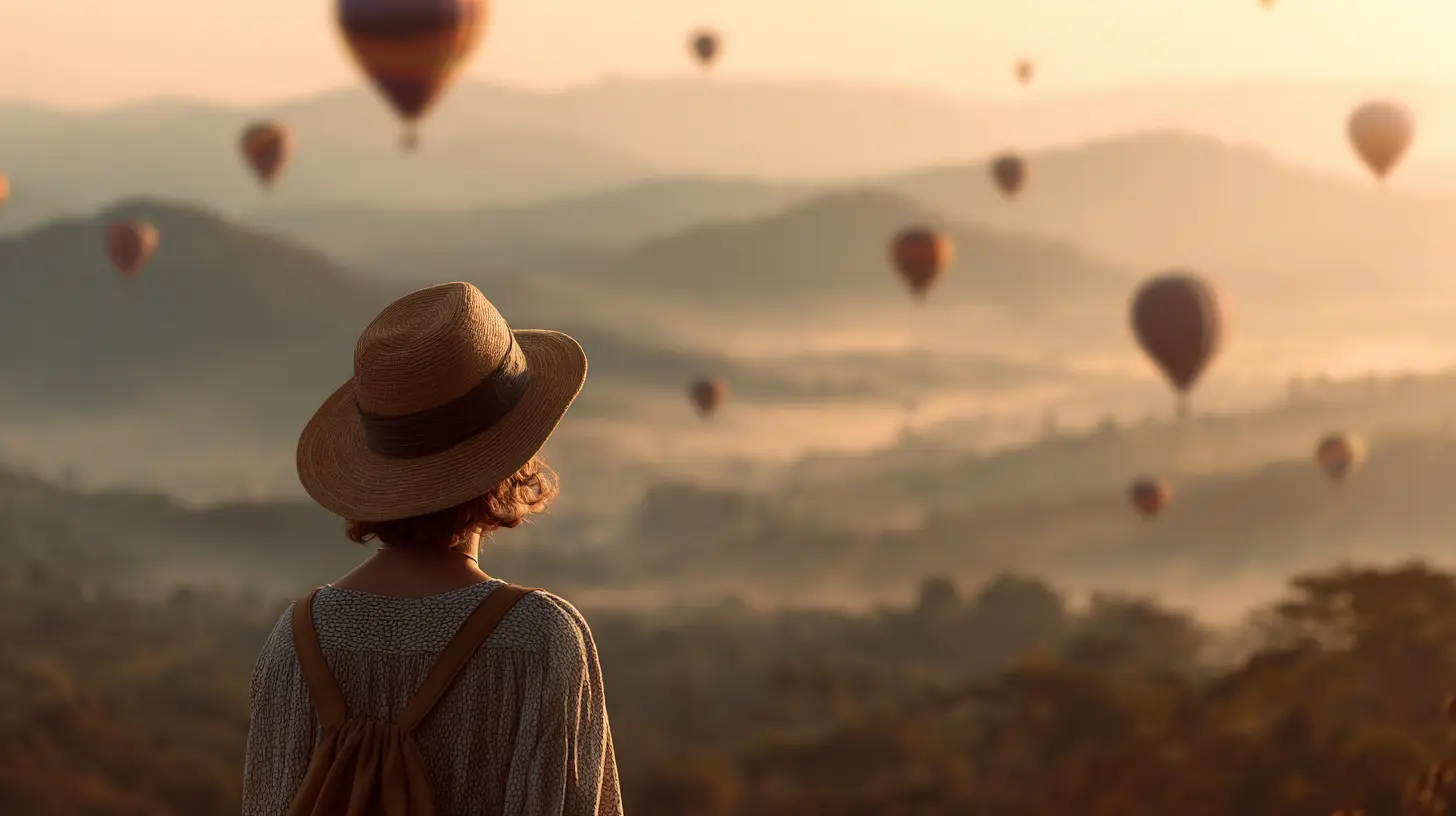
The Rise of the Micro-Adventure
We are all busy. Taking a two-week vacation is a luxury that fewer people can afford, both in time and money. But a weekend? A long weekend? That is doable.Airbnb Experiences are perfect for this new style of travel. Instead of flying across the world for a grand, exhausting tour, people are starting to take micro-adventures. They fly to a nearby city for three days and pack it with two or three deeply immersive Experiences. They learn to make pasta in the morning, explore a local market with an artist in the afternoon, and have dinner with a family in the evening.
By 2027, this model will dominate. Travel will become less about "seeing everything" and more about "feeling something." And you cannot feel something meaningful in ten minutes at a photo spot. You need time. You need context. You need a guide who cares.
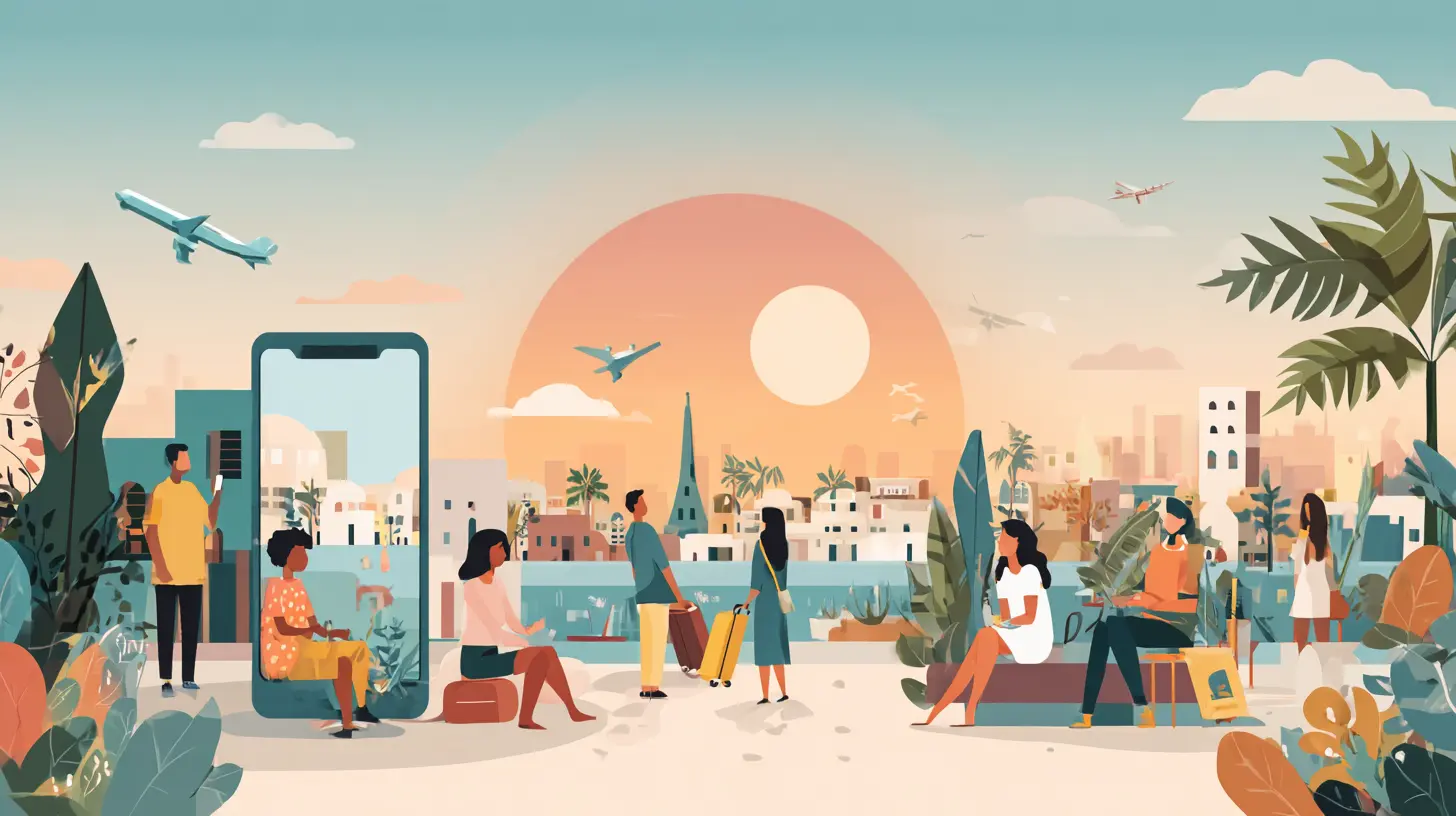
Trust and Safety Will Level Up
I know what you are thinking. "But is it safe?" That is the big question. And honestly, it is a fair one. The early days of Airbnb had some horror stories. But the company has learned. They have invested heavily in insurance, background checks, and customer support.For Experiences specifically, the vetting process is getting tighter. Hosts must meet quality standards. Reviews are brutally honest. And by 2027, I expect we will see even more layers of protection. Think verified identity systems, real-time location sharing during Experiences, and instant refunds if something goes wrong.
When trust is high, people take more risks. And travel is all about taking a little risk. The risk of trying something new. The risk of trusting a stranger. When that risk feels safe, the rewards are enormous.
The Local Economy Gets a Real Boost
Here is something that does not get talked about enough. Traditional tourism is leaky. You pay a big tour company, and most of that money leaves the local community. It goes to corporate headquarters, marketing agencies, and shareholders who live far away.But Airbnb Experiences keep the money local. The host is a resident. They spend that money at the corner store, the local cafe, and the neighborhood mechanic. It is a direct injection into the community.
By 2027, more travelers will care about this. We are becoming conscious consumers. We want to know that our money is doing good. Booking an Experience with a local guide is one of the most direct ways to support the place you are visiting. It is not charity. It is just smart, ethical travel.
Technology Makes It Easier (And More Fun)
Let me be honest with you. I am not a tech expert. But I love how easy Airbnb makes it to find exactly what I want. You can filter by interest, skill level, language, and time of day. Within a few minutes, you can book a pottery class in Portugal or a foraging walk in Finland.By 2027, this will get even better. Imagine using augmented reality to preview an Experience before you book it. Or using an AI assistant that suggests Experiences based on your past trips and your personality. "You liked the street food tour in Bangkok. How about a home cooking class in Marrakech?"
The technology will not replace the human connection. It will just make it easier to find the right one. And that is a beautiful thing.
The Social Media Factor
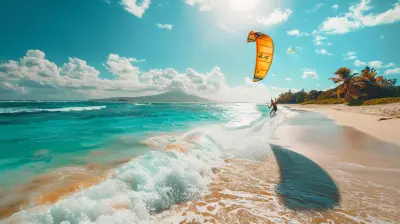
Let us be real for a second. We all take photos on vacation. But nobody wants to see another photo of the Eiffel Tower or the Colosseum. They have seen it a thousand times.What people do want to see is you making cheese with a farmer in the French Alps. Or you learning to surf from a local legend in Costa Rica. Or you sitting around a fire with a group of strangers who became friends over a shared meal.
These are the moments that stop the scroll. These are the stories you tell when you get home. Airbnb Experiences are inherently shareable because they are unique. And in a world where content is king, unique experiences are gold.
By 2027, travel content will shift from "where I went" to "what I did." And that "what" will almost always be an Experience.
The Niche is the New Normal
Right now, most travel guides are broad. They cover the top ten attractions in a city. But that is changing. People want niche. They want specific.Do you love vintage fashion? There is an Experience for that. Are you obsessed with fermentation? There is a host who will teach you how to make kimchi in their home. Do you want to learn about the history of graffiti in Berlin? There is a street artist who will walk you through the best spots.
By 2027, the niche will be the norm. Generic tours will feel outdated. Travelers will expect to dive deep into their passions, no matter how unusual. Airbnb Experiences are perfectly positioned to deliver this because the platform is built for diversity. There is no one-size-fits-all. There is only the perfect fit for you.
The Return of Slow Travel
Remember when travel meant rushing from one attraction to another? That is exhausting. And it is not sustainable.Slow travel is about staying in one place longer and experiencing it more deeply. It is about taking a morning walk without a destination. It is about sitting in a cafe and watching the world go by. It is about booking a week-long pottery workshop instead of a two-hour class.
Airbnb Experiences support this beautifully. Instead of squeezing five activities into one day, you can book one deep Experience per day and spend the rest of your time wandering, resting, or just being.
By 2027, slow travel will be the preferred style for many, especially for remote workers who can stay in a place for a month. And Experiences will be the anchor of each day.
What About the Critics?
I am not going to pretend Airbnb is perfect. There are valid criticisms. Some hosts are not great. Some Experiences are overpriced. There are concerns about housing affordability in cities where Airbnb is popular.But the company is listening. They are making changes. And the Experience platform is actually a solution to some of these problems. Instead of taking housing off the market, Experiences use existing spaces like kitchens, gardens, and studios. They do not require a spare bedroom. They just require a skill and a willingness to share.
By 2027, I expect Airbnb to double down on Experiences as the core of their business. It is the part of the platform that creates the most value for both hosts and guests. It is the part that cannot be easily replicated by hotels or booking sites.
A Personal Story
Let me share a quick story. Last year, I booked a cooking class in a small town in Italy. The host was a grandmother named Maria. She did not speak English. I did not speak Italian. But for three hours, we made pasta together. We laughed. We gestured. We tasted. And at the end, we hugged like old friends.That meal was the best I had on the entire trip. And it was not because of the food. It was because of the connection. I still think about Maria. I still remember the way she smiled when I finally rolled the pasta thin enough.
That is what Airbnb Experiences do. They create memories that stick. They turn strangers into people you care about. And that is the future of travel.
Final Thoughts
By 2027, the way we travel will look very different. We will care less about luxury hotels and more about authentic moments. We will prioritize connection over consumption. We will seek out niche passions instead of generic attractions.And Airbnb Experiences will be right at the center of it all. They are not just a feature of the platform. They are the future of the entire travel industry.
So the next time you plan a trip, do not just book a room. Book a moment. Book a meal. Book a story. Book an Experience.
You will not regret it.
all images in this post were generated using AI tools
Category:
Airbnb ExperiencesAuthor:

Shane Monroe
Discussion
rate this article
1 comments
Madison Bell
Airbnb Experiences really do offer a unique way to engage with local cultures. Travelers are looking for authentic adventures, and these experiences provide just that. As more people seek personalization in their trips, Airbnb is likely to lead the charge in redefining what travel means by 2027.
May 12, 2026 at 4:54 PM
Shane Monroe
Absolutely, Airbnb Experiences tap into the growing demand for authentic travel. By 2027, they could reshape how we connect with cultures on our journeys.