World-Class Art and Film Festivals You Can’t Miss in 2026
9 September 2026
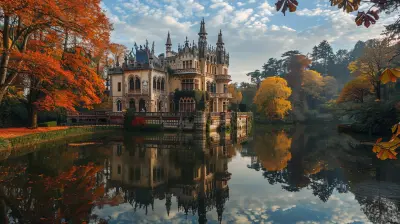
Planning a cultural trip around a festival is one of the smartest ways to travel. You get a concentrated dose of a city's creative energy, access to works you will not see anywhere else, and a ready-made community of like-minded visitors. But with dozens of major art and film events happening every year, choosing the right one takes more than picking a famous name. The 2026 calendar is especially rich, with several landmark anniversaries and ambitious new programs. This guide breaks down the festivals that deserve your time and money, what makes each one unique, and how to avoid the common mistakes that turn a dream trip into a logistical headache.
Why Festival Travel Demands a Different Strategy
Unlike a standard sightseeing vacation, festival attendance requires a specific kind of planning. You are not just booking a hotel and showing up. You are competing with thousands of other attendees for tickets, accommodation, and sometimes even visas. The biggest error people make is treating a festival like a museum you can walk into whenever you please. That approach leads to disappointment, especially for film screenings with limited seats or art installations with timed entry.Another misconception is that bigger means better. The Venice Biennale and the Cannes Film Festival are undisputed giants, but they are also overcrowded, expensive, and heavily oriented toward industry professionals. A first-time visitor might leave feeling more exhausted than inspired. Smaller events like the Locarno Film Festival or the Yokohama Triennale offer a more intimate experience, often with better access to artists and filmmakers. The trade-off is less global prestige and a smaller selection of works. You need to decide what matters more: seeing the absolute cutting edge of the art world or having a comfortable, meaningful experience.
The Unavoidable Heavyweights
Some festivals have achieved such immense cultural gravity that they define their host cities for months. Attending one of these is a rite of passage for any serious art or film lover. But you need to go in with a clear head and a realistic budget.Venice Biennale: The Olympics of Contemporary Art
The 2026 Venice Biennale, which runs from late May through late November, is one of the most anticipated editions in recent memory. The event is not a single show but a sprawling network of national pavilions, collateral exhibitions, and curated group shows spread across the Giardini, the Arsenale, and dozens of historic palazzos. The sheer scale is overwhelming. You cannot see everything, and you should not try.The smart approach is to budget at least three full days. On the first day, focus exclusively on the main curated exhibition in the Arsenale. This is where the artistic director sets the thematic tone for the entire Biennale, and it is usually the most intellectually challenging work on display. The second day should go to the Giardini, where the permanent national pavilions are located. This is where you will see the most polished, high-production installations, often from countries with substantial arts funding. The third day is for the off-site pavilions scattered around the city. This is where you will find surprises, emerging artists, and politically charged work that did not fit neatly into the main venues.
A common mistake is trying to do the Giardini and the Arsenale on the same day. They are physically distant, and both require hours of standing and walking. Your feet will give out long before your brain does. Another mistake is ignoring the city itself. Venice during the Biennale is a living exhibition. The best moments often happen in a tiny gallery near the Rialto or in a temporary project space in a former warehouse in Dorsoduro. Do not over-schedule. Leave room for wandering.
Practical advice: Book your accommodation at least six months in advance. Venice has a chronic housing shortage, and prices quadruple during the Biennale preview weeks. Consider staying on the mainland in Mestre or Padua and taking the train in each day. It is cheaper and often faster than navigating the water buses with a crowd.
Cannes Film Festival: Glamour and Gatekeeping
The Cannes Film Festival in May is the world's most prestigious film event, but it is also the most difficult for the general public to access. The film market and press screenings dominate the schedule, and the famous red carpet is strictly for invited guests, talent, and accredited press. If you are not in the industry, you cannot simply buy a ticket to the Palais des Festivals. This reality shocks many first-timers who imagine a week of rubbing shoulders with stars.However, there is a parallel festival happening in Cannes during the same period. The "Short Film Corner" and various beachside screenings are open to a wider audience. More importantly, the entire city transforms into a giant open-air cinema. Many hotels and private clubs host free screenings of classic and independent films. The atmosphere on the Croisette is electric, even if you never step inside the main venue.
If you want to actually watch the Competition films, your best option is to attend the "Cannes Classics" section or the "Cinéphile" screenings that happen later in the day. These are often open to the public, but you need to queue for hours and seats are extremely limited. The wiser move is to treat Cannes as a people-watching and networking event. You go for the energy, the impromptu conversations, and the chance to see film professionals in their natural habitat. For actual viewing, you are better off waiting for the films to hit your local cinema or a streaming service.
The trade-off here is clear: Cannes offers unmatched glamour but poor accessibility. For a serious film lover who wants to watch new work, the Locarno Film Festival in Switzerland or the Karlovy Vary International Film Festival in the Czech Republic offer a much better ratio of quality to accessibility. They are less famous, but you can actually see the films.
The Hidden Gems of 2026
Beyond the marquee names, several festivals in 2026 are worth a dedicated trip. These events often fly under the radar of casual travelers but are deeply respected within artistic communities. They also tend to be more affordable and less crowded.Locarno Film Festival: Cinema Under the Stars
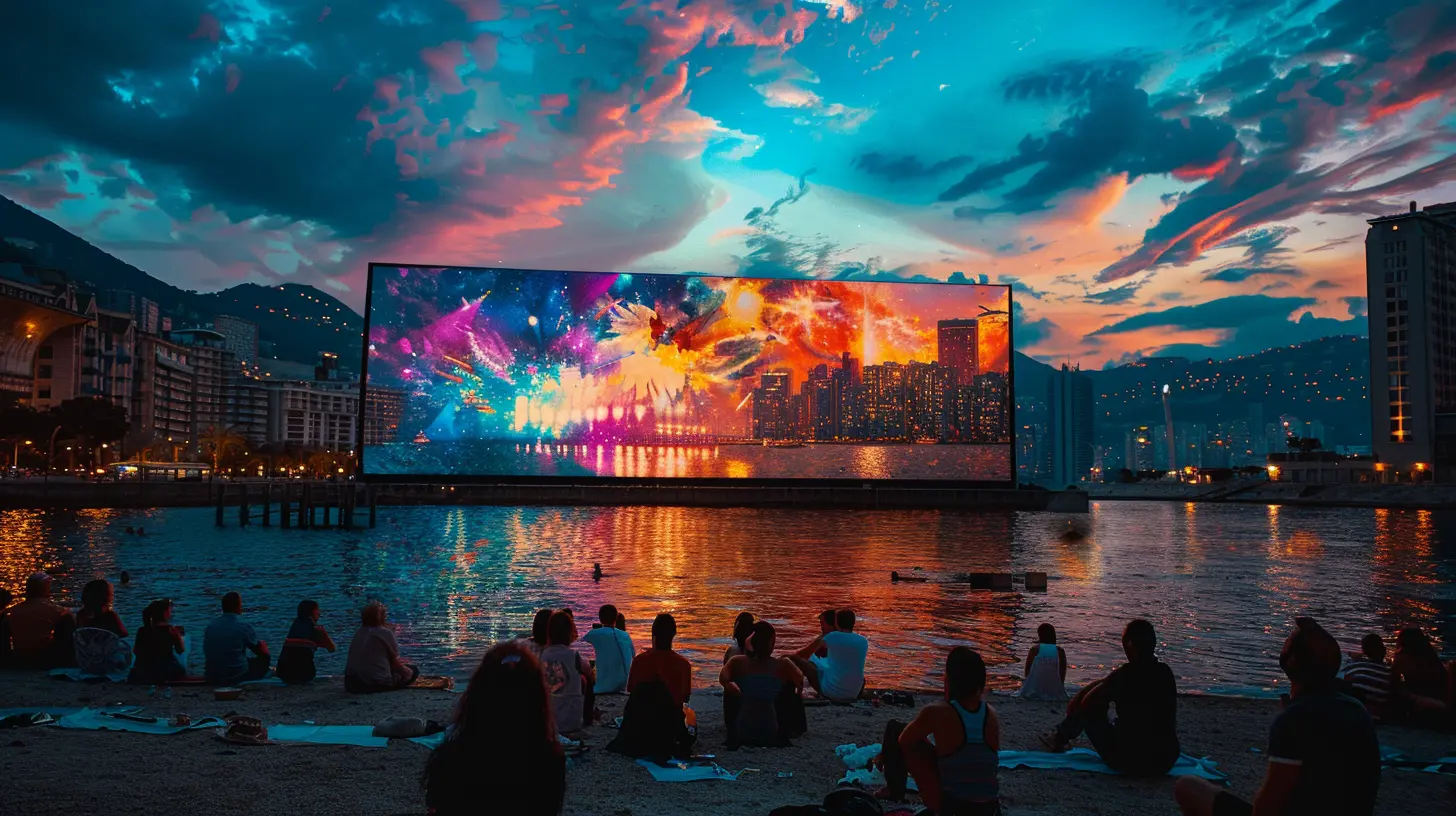
Held in August in the Swiss-Italian town of Locarno, this festival is famous for its open-air screenings in the Piazza Grande, a massive public square that can hold 8,000 people. Watching a restored classic or a bold new art film on that giant screen, with the Alps looming in the background, is an experience you cannot replicate anywhere else.Locarno is known for championing unconventional and experimental cinema. It is where many directors who later win at Cannes or Venice get their first major recognition. The audience is a mix of hardcore cinephiles, young filmmakers, and locals who treat the festival as their summer social event. The vibe is relaxed compared to Cannes. You can often walk up to a director after a screening and have a real conversation.
The downside is that Locarno is a small town. Accommodation is scarce and expensive during the festival. Many attendees stay in nearby cities like Ascona or even across the border in Italy. The weather is usually perfect, but the open-air screenings are subject to sudden thunderstorms. Bring a rain jacket and a willingness to sit through a screening even if it drizzles.
The Yokohama Triennale: Contemporary Art with a Japanese Lens
The Triennale in Yokohama, which runs from August to November in 2026, offers a distinctly different perspective from the Western-dominated art world. Japan's major international contemporary art exhibition focuses on themes of ecology, technology, and the relationship between tradition and modernity. The curatorial approach often feels more meditative and less confrontational than what you see in Venice.What makes Yokohama particularly appealing is the setting. The main venues are in the city's waterfront district, a mix of futuristic architecture and repurposed warehouses. The exhibition encourages slow looking and contemplation. You will not find the frantic crowds of the Biennale. Instead, you get space to think.
A practical advantage of the Triennale is that it is relatively easy to visit. Yokohama is a 30-minute train ride from Tokyo, so you have the full infrastructure of one of the world's great cities at your disposal. You can base yourself in Tokyo and make day trips to the Triennale. This flexibility is a huge benefit if you want to combine the festival with other cultural activities.
Art Basel: The Commercial Powerhouse
Art Basel, which takes place in June in Switzerland, is not technically a festival in the same way as the Biennale. It is an art fair, meaning it is primarily a marketplace where galleries sell works to collectors. But for anyone interested in the contemporary art world, it is an essential event. The sheer concentration of masterpieces, emerging artists, and blue-chip galleries is unmatched.The misconception about Art Basel is that it is only for millionaires. While the VIP preview days are indeed for the wealthy and connected, the fair opens to the general public for the final four days. You cannot buy most of the art, but you can see it up close. You can also attend the "Parcours" section, which places public sculptures and installations throughout the city. the "Unlimited" section features massive, large-scale works that cannot fit in a standard booth.
Going to Art Basel as a non-collector requires a specific mindset. You are there to observe the market, see what galleries are pushing, and understand current trends. It is a fascinating sociological experience. You will see dealers nervously checking their phones, collectors making snap decisions, and artists looking at their own work with a mix of pride and anxiety. If you want to understand the economics of art, this is the place to be.
The trade-off is that Art Basel is exhausting and crowded. The aisles are packed, and the noise level is high. Plan your visit for a weekday morning when the crowds are thinner. Wear comfortable shoes and remember that you do not have to see every booth. Pick a few galleries that interest you and spend quality time with their presentations.
Practical Planning for a Festival Year
Attending one major festival is a manageable endeavor. Attending two or three in the same year requires serious coordination. Here are some best practices that experienced travelers use to maximize their festival experiences.Timing and Overlaps
Pay close attention to festival dates. Many international art and film events overlap. In 2026, the Venice Biennale and Art Basel are both active in June, which could create a logistical nightmare if you try to do both in the same week. Conversely, you could plan a longer European tour that moves from the Venice Biennale in May to Art Basel in June and then onto Locarno in August. This kind of sequential travel works well because each city has a different peak season.Budget Realities
Festivals are expensive, but the costs vary wildly. Venice and Cannes are the most costly due to premium accommodation and dining. Locarno and Yokohama are more moderate. A common mistake is underestimating the cost of food and drink near festival venues. Vendors know they have a captive audience. Walk a few blocks away from the main sites to find reasonable prices.You should also budget for unexpected expenses. Film festival tickets can be surprisingly pricey if you buy them individually. Some festivals offer passes that give you access to multiple screenings. These can be a good deal, but only if you actually use them. Before buying a full pass, check the schedule and make sure there are enough films you want to see.
The Art of the Queue
At most film festivals, queuing is an unavoidable part of the experience. The best advice is to arrive at least 60 to 90 minutes before a highly anticipated screening. This sounds excessive, but the queue is often part of the social atmosphere. You will meet other film lovers, exchange recommendations, and pass the time in conversation. If you arrive late, you risk being turned away even if you have a ticket, because festivals routinely oversell screenings to account for no-shows.Balancing Festival and City
A major pitfall is spending so much time at the festival that you forget you are in a new city. The best festivals are integrated into their urban environment. Take breaks to visit a local market, walk along the river, or eat a meal that is not near the festival grounds. This balance will keep you fresh and prevent the sensory overload that leads to burnout.Common Mistakes and How to Avoid Them
Let us address several errors that even seasoned travelers make when planning festival trips.First, do not book non-refundable flights and hotels before the festival schedule is officially announced. Dates can shift by a few days, and you will be stuck with plans that do not align. Wait for the official announcement, then make your bookings.
Second, do not ignore visa requirements. Some countries, particularly in Europe, are tightening entry rules. Check whether you need a visa or an ETIAS authorization well in advance. The application process can take weeks.
Third, do not assume that all festival venues are easily accessible. Venice is a pedestrian city with canals instead of roads. Locarno is built on a hillside. Yokohama has excellent public transit, but the Triennale venues can be spread out. Research the geography of each location and plan your daily routes accordingly.
Fourth, do not overpack your schedule. You will be on your feet for hours, and your brain will be processing a massive amount of visual and auditory information. Schedule downtime. A two-hour nap in the middle of the day can be the difference between a vibrant evening and a cranky, exhausted one.
Making the Right Choice for You
Selecting a festival is a personal decision. Your budget, your tolerance for crowds, your interest in the art world versus the film world, and your travel style all factor into the equation. A young artist on a tight budget will get far more value from the Yokohama Triennale than from Art Basel. A retired film professor will prefer the deep cuts at Locarno to the glitz of Cannes. A first-time visitor to Europe might choose the Venice Biennale simply because it is in Venice, and that is a perfectly valid reason.The key is to go with realistic expectations. These events are not vacations in the traditional sense. They are intense, intellectually demanding experiences. The reward is not relaxation but enrichment. You will come home with a head full of images and ideas, a notebook full of artist names, and a new understanding of where the creative world is heading.
If you can only attend one event in 2026, let the choice be driven by your passion. If you love the visual spectacle and political edge of contemporary art, the Venice Biennale is the gold standard. If you love the intimacy of cinema and want to see films that will be discussed for years, Locarno is the hidden gem. If you want to understand the market forces that shape the art world, Art Basel is unmatched. And if you are seeking a contemplative, immersive experience far from the madding crowd, the Yokohama Triennale is waiting for you.
Whichever you choose, book early, pack light, and leave your expectations at home. Let the festival surprise you. That is where the real magic lies.
all images in this post were generated using AI tools
Category:
Festivals And EventsAuthor:

Shane Monroe
Discussion
rate this article
2 comments
Beatrice Rodriguez
Get ready for an unforgettable 2026! These world-class art and film festivals promise to ignite your passion for creativity and connect you with culture like never before.
September 28, 2026 at 9:37 PM
Green
Exciting experiences await you!
September 15, 2026 at 4:06 AM
Shane Monroe
Thanks! I can't wait to share these amazing festivals with everyone.