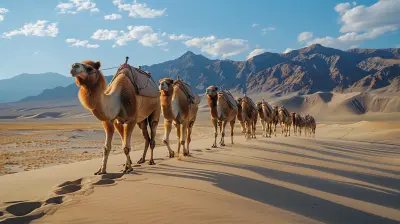
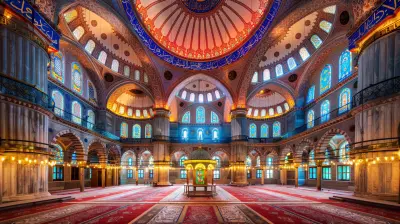
Your Guide to UNESCO Cultural Heritage Sites in 2026
6 May 2026
So, you are already dreaming about your next big trip. Maybe you are scrolling through photos of ancient ruins, colorful festivals, or quiet cobblestone streets. I get it. There is something magical about standing in a place that has witnessed centuries of human stories. And if you are planning your travels for 2026, you are in for a treat. UNESCO World Heritage Sites are not just pins on a map. They are time machines, art galleries, and living classrooms all rolled into one. Let me walk you through everything you need to know to make 2026 the year you finally visit those bucket-list spots.
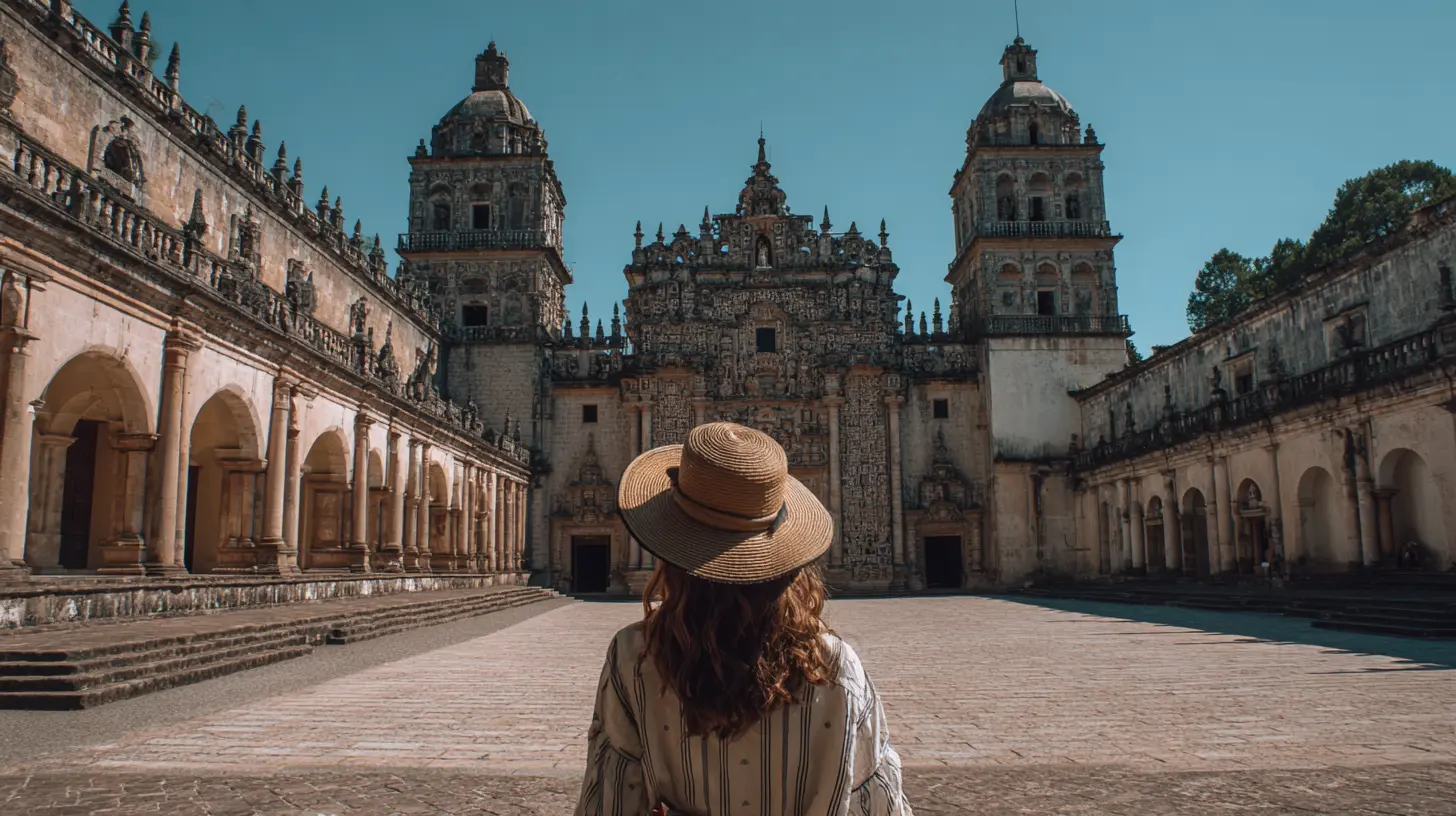
Why 2026 is a Big Year for UNESCO Sites
First off, why the fuss about 2026? Well, every year UNESCO adds new sites to its list, and 2026 will be no different. New nominations are reviewed, and some places finally get the recognition they deserve. Think of it like an Oscar ceremony for history and culture. Some sites have been waiting in the wings for years. Others are newly discovered gems that will blow your mind. Plus, travel trends are shifting. People want deeper connections, not just selfies. They want to understand the soul of a place. UNESCO sites offer exactly that.But here is the kicker. Many of these sites are fragile. Climate change, overtourism, and neglect threaten them. So visiting in 2026 is not just about checking a box. It is about supporting preservation. You become part of the story, not just a spectator.
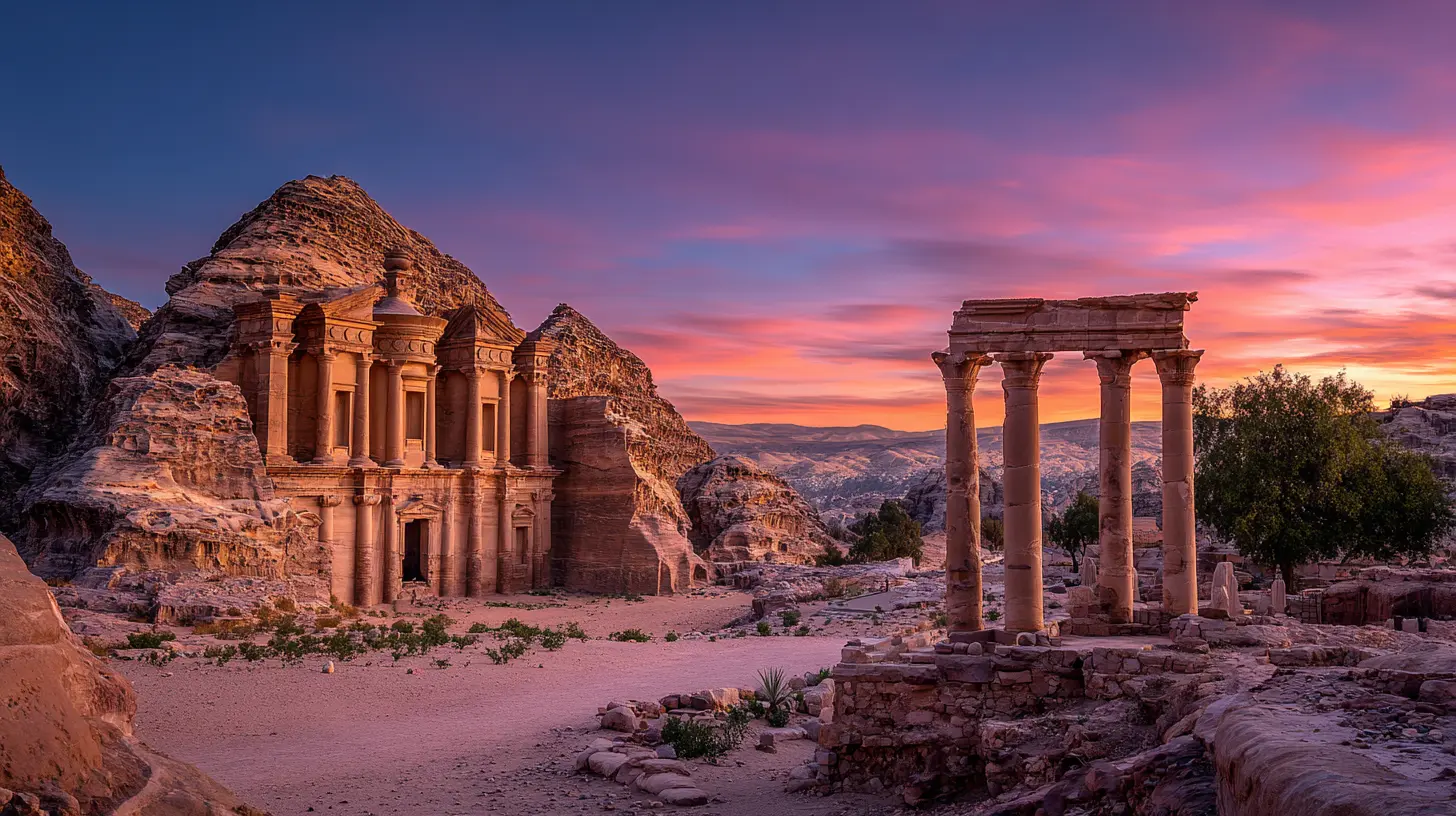
How to Pick the Right UNESCO Site for You
With over a thousand sites worldwide, choosing one can feel like picking a favorite child. Impossible, right? But let us narrow it down. Ask yourself a few simple questions.Do you love ancient cities? Then places like the historic center of Rome or the old town of Sana'a in Yemen might call your name. Are you into religious architecture? The temples of Angkor Wat in Cambodia or the churches of Lalibela in Ethiopia will leave you speechless. Maybe you prefer industrial heritage? The Rjukan-Notodden area in Norway shows how water power shaped modern life.
Here is a trick. Think about what kind of traveler you are. Are you the "I want to climb every mountain" type? Or the "I want to eat my way through a city" type? UNESCO sites cover both. For example, the rice terraces of the Philippine Cordilleras are a hike and a history lesson. The culinary route through the Mediterranean diet (yes, it is a UNESCO intangible heritage) is pure joy for food lovers.
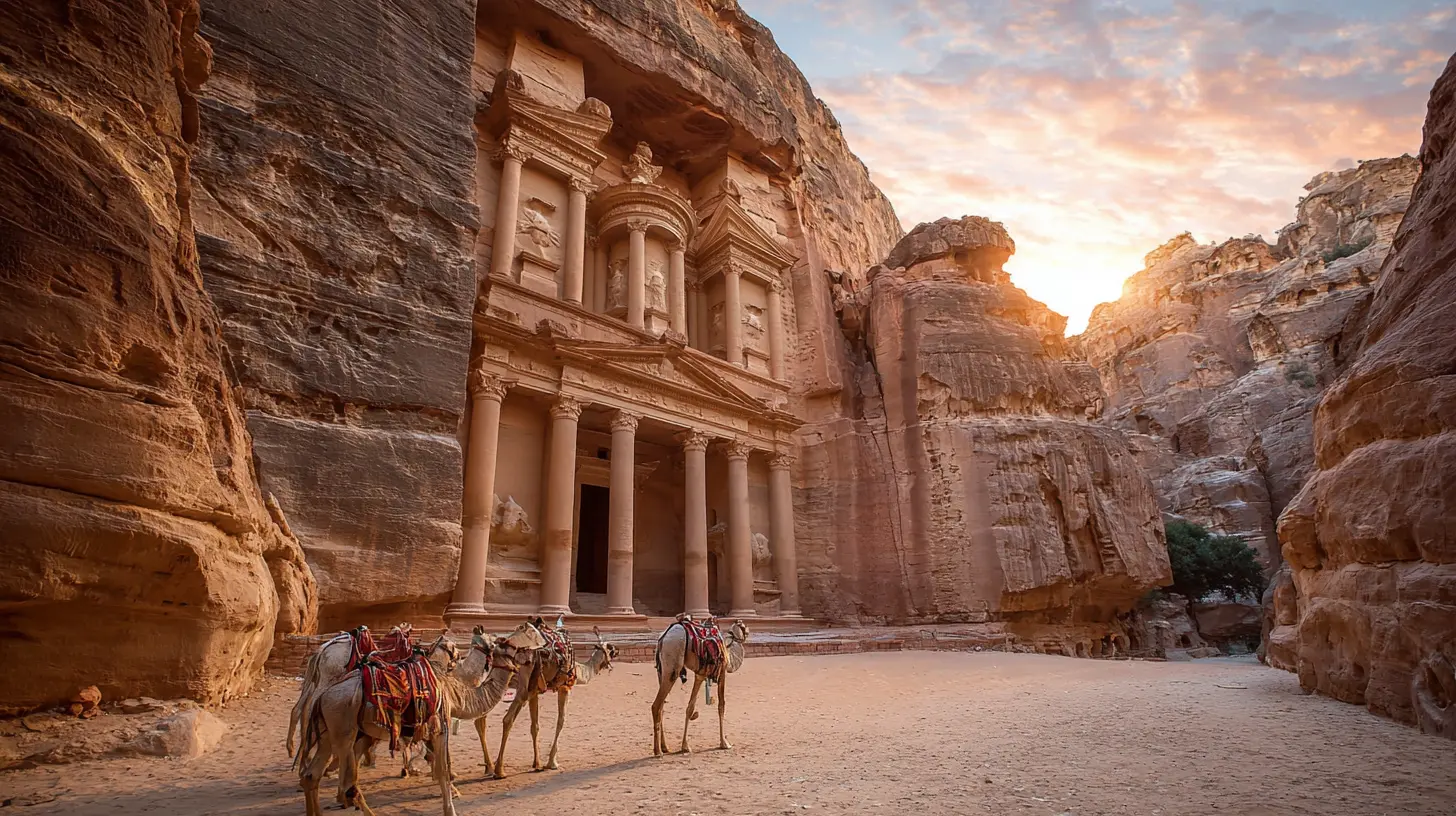
Top 5 UNESCO Cultural Sites to Visit in 2026
Let me give you a shortlist of five sites that are perfect for 2026. These are not just beautiful. They are also accessible and offer unique experiences.1. The Historic Centre of Vienna, Austria
Vienna is like a living museum. But do not let that scare you. The city buzzes with life. In 2026, the city will host special exhibitions marking the 250th anniversary of Mozart's "Le nozze di Figaro." You can walk the same streets where Beethoven composed his symphonies. The architecture is a mix of Gothic, Baroque, and Art Nouveau. Grab a slice of Sachertorte at a coffeehouse, and you will feel like you stepped into a 19th-century painting. The best part? Vienna's public transport makes it easy to hop between sites.2. The Archaeological Site of Delphi, Greece
If you want to feel the weight of history, go to Delphi. The ancient Greeks believed it was the center of the world. And honestly, standing there, you might agree. The ruins sit on the slopes of Mount Parnassus, overlooking the Gulf of Corinth. In 2026, new restoration work will open parts of the sanctuary that were closed for years. You can see the Temple of Apollo, the theater, and the stadium. The museum holds the famous Charioteer of Delphi. Bring good walking shoes and a water bottle. The climb is worth every step.3. The Historic City of Ayutthaya, Thailand
Ayutthaya is a short train ride from Bangkok, but it feels like a different world. This was the capital of the Siamese Kingdom from the 14th to 18th centuries. The ruins are dramatic. Buddha statues wrapped in tree roots, towering prangs (reliquary towers), and crumbling temples. In 2026, the city will celebrate the 430th anniversary of its founding. Expect special night markets, light shows, and guided tours. Rent a bicycle and pedal through the old town. It is peaceful, hot, and unforgettable.4. The Historic Quarter of the City of Colonia del Sacramento, Uruguay
This one is for the romantics. Colonia del Sacramento sits on the Rio de la Plata, across from Buenos Aires. The old town is a maze of cobblestone streets, Portuguese and Spanish colonial buildings, and charming plazas. It feels like a postcard. In 2026, a new cultural center will open in a restored 18th-century mansion. You can watch the sunset from the lighthouse, eat fresh fish at a waterfront restaurant, and wander without a map. The vibe is slow and sweet.5. The Rock-Hewn Churches of Lalibela, Ethiopia
Lalibela is not for the faint of heart. It is remote, high in the Ethiopian highlands. But the churches are carved directly into the rock, like something out of a fantasy novel. There are 11 of them, connected by tunnels and trenches. In 2026, conservation efforts will add new visitor walkways and information panels. The best time to go is during the Ethiopian Orthodox festival of Timkat in January. The air fills with chanting, incense, and color. It is spiritual, raw, and deeply moving.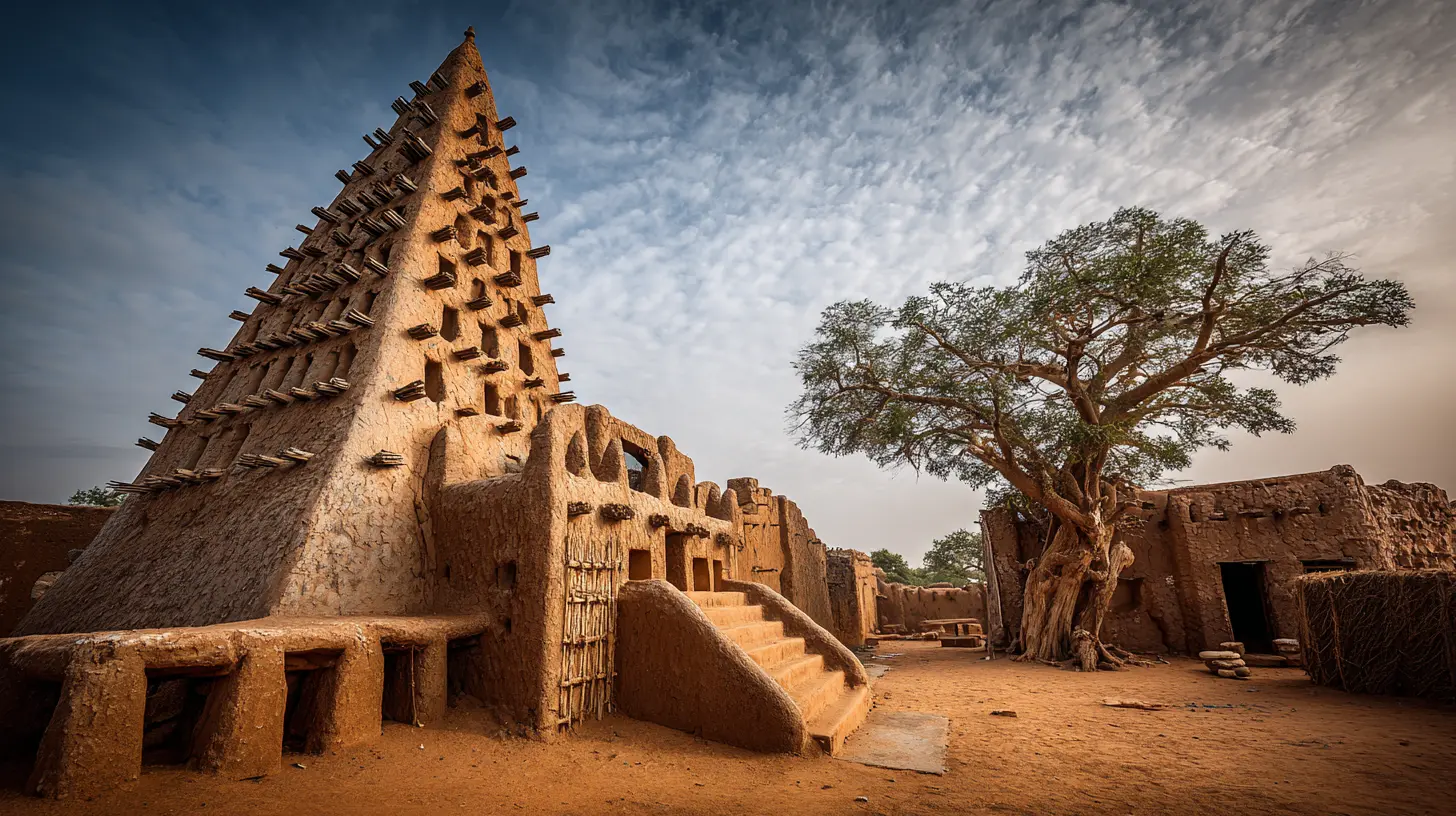
Tips for Visiting UNESCO Sites in 2026
Now, let us get practical. You have your list. How do you make the most of your visit?Book Early, But Be Flexible
2026 will be a busy year for travel. Many people delayed trips during the pandemic, and now they are making up for lost time. Book flights and accommodation at least six months in advance for popular sites like Machu Picchu or the Taj Mahal. But leave some wiggle room in your itinerary. Sometimes the best memories come from unplanned detours.Respect the Rules
UNESCO sites are protected for a reason. Do not touch the carvings, do not climb on fragile ruins, and do not take souvenirs. It sounds obvious, but you would be surprised how many people try to pocket a "small stone." In 2026, some sites will use stricter monitoring, like drones and smart cameras. Be a good guest.Go Off the Beaten Path
Every UNESCO site has a main attraction. But the magic often happens in the corners. For example, in the historic center of Prague, skip the crowded Charles Bridge at noon. Instead, visit the Vysehrad fortress early in the morning. In Kyoto, avoid the famous Kinkaku-ji temple during peak hours. Walk the Philosopher's Path when the cherry blossoms are falling. You will have the place almost to yourself.Use Local Guides
A good guide can turn a pile of stones into a gripping story. In 2026, many UNESCO sites offer official guide programs. They are trained, knowledgeable, and often locals. They will show you details you would miss on your own. Plus, you support the local economy. Win-win.The Hidden Gems of 2026
If you want to impress your friends with a lesser-known site, check these out.The Megalithic Temples of Malta
These are older than Stonehenge. Seriously. The temples on Malta and Gozo date back to 3600 BC. In 2026, a new visitor center will open at the Tarxien temple complex. The carvings and spiral patterns are mesmerizing. And the Mediterranean sun makes it a perfect winter escape.The Qhapaq Nan, Andean Road System
This is not a single site. It is a network of roads stretching over 30,000 kilometers across six South American countries. The Incas built it. In 2026, new hiking routes will open along sections in Peru and Bolivia. You can walk the same paths that messengers used centuries ago. The views of the Andes are jaw-dropping.The Historic Town of Ouro Preto, Brazil
Ouro Preto means "black gold." This colonial town in Minas Gerais was the center of a gold rush in the 18th century. The baroque churches are dripping with gold leaf and intricate woodwork. In 2026, the town will host a festival of baroque music. The streets are steep, the bars are cozy, and the pastries are divine.
How to Make Your Trip Sustainable
Traveling to UNESCO sites is a privilege. But it also comes with responsibility. Overtourism is a real problem. In 2026, many sites will introduce timed entry tickets, capped visitor numbers, and off-season discounts. Here is how you can help.First, travel during the shoulder season. For example, visit the Great Wall of China in April or October. The weather is fine, but the crowds are thinner. Second, choose local businesses. Stay at family-run guesthouses, eat at street stalls, and buy handicrafts from artisans. Third, offset your carbon footprint. Many airlines now offer carbon offset programs. It is not perfect, but it is a start.
What to Pack for a UNESCO Adventure
Packing for a UNESCO trip is different from packing for a beach vacation. You need layers, comfortable shoes, and a sense of curiosity. Here is a quick list.- Good walking shoes. You will be on your feet a lot. Cobblestones, dirt paths, and marble stairs are no joke.
- A reusable water bottle. Many sites have refill stations now. Stay hydrated and reduce plastic waste.
- A journal. You will want to write down your thoughts. The details fade, but words last.
- A camera with a good zoom lens. Some sites do not allow tripods, but a zoom lens helps you capture details from a distance.
- A power bank. Your phone will die from taking photos and using maps.
- A light scarf or shawl. It works as a cover for religious sites, a sun shield, or a pillow on a long bus ride.
The Emotional Side of Visiting UNESCO Sites
Let me be honest with you. Visiting these places can be overwhelming. Not in a bad way, but in a deep way. You might cry at the Western Wall in Jerusalem. You might laugh with strangers at a festival in Bhutan. You might feel a quiet peace in the gardens of the Alhambra. That is the point. These sites connect us to something bigger than ourselves.In 2026, take a moment to just sit. Put your phone away. Listen to the sounds. Smell the dust and the flowers. Watch the light change. That is when the real travel happens.
Final Thoughts
Your guide to UNESCO cultural heritage sites in 2026 is not just a list of places. It is an invitation. An invitation to slow down, to learn, to feel awe. Whether you choose the bustling streets of Vienna or the quiet churches of Lalibela, you will come back different. And that is the best souvenir of all.So, what are you waiting for? Start planning. Book that flight. Pack that bag. The world's treasures are waiting for you.
all images in this post were generated using AI tools
Category:
Cultural LandmarksAuthor:

Shane Monroe
Discussion
rate this article
1 comments
Casey Roberson
This article is a fantastic resource for anyone looking to explore UNESCO Cultural Heritage Sites in 2026. It highlights incredible destinations, offers essential tips, and sparks excitement for travel. I can't wait to visit some of these remarkable places!
June 12, 2026 at 5:00 AM
Shane Monroe
Thanks for your kind words! I'm glad you found the article helpful. Enjoy planning your adventures to these amazing sites!