Cities Rethink Tourism Promotion as Visitor Pressure Grows
October 11, 2026 - 17:32
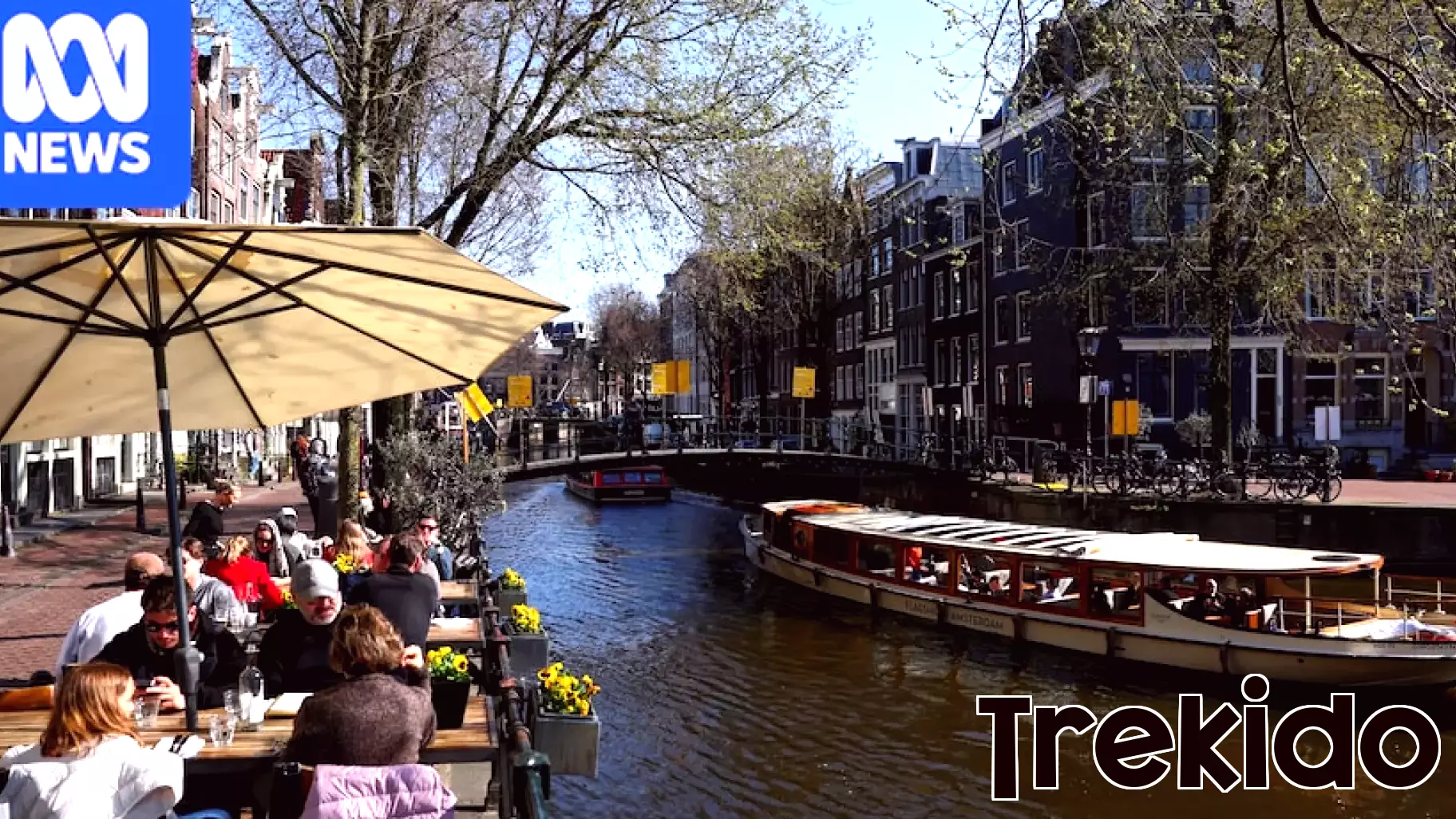
Tourist destinations around the world are trying out various strategies to manage the environmental and social impacts that are caused by visitors. Amsterdam recently made a notable decision to stop spending money on marketing aimed at attracting more tourists. The city had long promoted itself as a welcoming destination, but residents began complaining that crowded streets, rising rents, and disruptive behavior were harming their quality of life. Officials concluded that advertising more visitors no longer made sense when the goal had shifted to managing numbers rather than growing them.
Amsterdam is not alone in this shift. Venice has introduced entry fees for day trippers. Barcelona has limited new hotel licenses in central districts. Several destinations in Japan have restricted access to popular trails and viewpoints. These measures reflect a broader change in how cities think about tourism. For decades, growth was the main goal, and success was measured by arrival numbers. Now, many local governments are asking whether the benefits of extra visitors outweigh the costs.
The pandemic played a role in this rethinking. When travel stopped, some places saw cleaner air, quieter streets, and lower pressure on housing. That experience made the downsides of overtourism harder to ignore. At the same time, tourism remains a major employer and source of income for many regions. The challenge is finding a balance that keeps the economic benefits while protecting the places and people that make a destination worth visiting. Amsterdam's decision signals that marketing budgets may increasingly go toward managing visitors rather than inviting more of them.
MORE NEWS

October 8, 2026 - 20:49
TZ tourism firm brings Tesla, drives green tourismA Tanzanian tour operator based in Moshi has purchased a Tesla electric vehicle as part of a broader effort to lower the environmental impact of its operations. The move places electric mobility at...

September 28, 2026 - 23:27
Tourism boom in Japan complicates climate goalsJapan`s record-breaking tourism wave is creating a difficult problem for the country`s environmental ambitions. A sharp rise in visitor numbers has driven up emissions from aviation, ground...

September 27, 2026 - 05:49
Environmental conservation emerges as tourism priorityMOSHI: Environmental conservation and cleanliness are becoming essential to keeping the tourism sector alive, as companies increase efforts to protect natural attractions and maintain clean...
September 22, 2026 - 17:14
Tourism can be a force for climate justice in NepalThe devastating floods that struck Nepal on August 26 have reignited a critical conversation about the country`s role in the global climate crisis. Nepal contributes a negligible amount to...