A Traveler’s Guide to Ancient Rituals Still Practiced Today in 2026
2 May 2026
You know that feeling when you stumble onto something that's been happening for centuries, right under your nose? It's like finding a secret door in a wall you've walked past a hundred times. That's exactly what ancient rituals feel like in 2026. They're not dusty museum pieces. They're alive, breathing, and still kicking. People are still gathering, chanting, dancing, and offering things to forces we can't fully explain. And the best part? You can actually go see them. Not as a tourist snapping photos from a bus, but as a curious human who wants to feel the weight of time.
Let's cut the fluff. I'm not going to list every ritual on the planet. That would be boring. Instead, I'll take you to a handful of places where the old ways still pulse. Think of this as a backstage pass to humanity's oldest show. No velvet ropes. Just you, the locals, and a tradition that's outlasted empires.
Why Are Ancient Rituals Still Around in 2026?
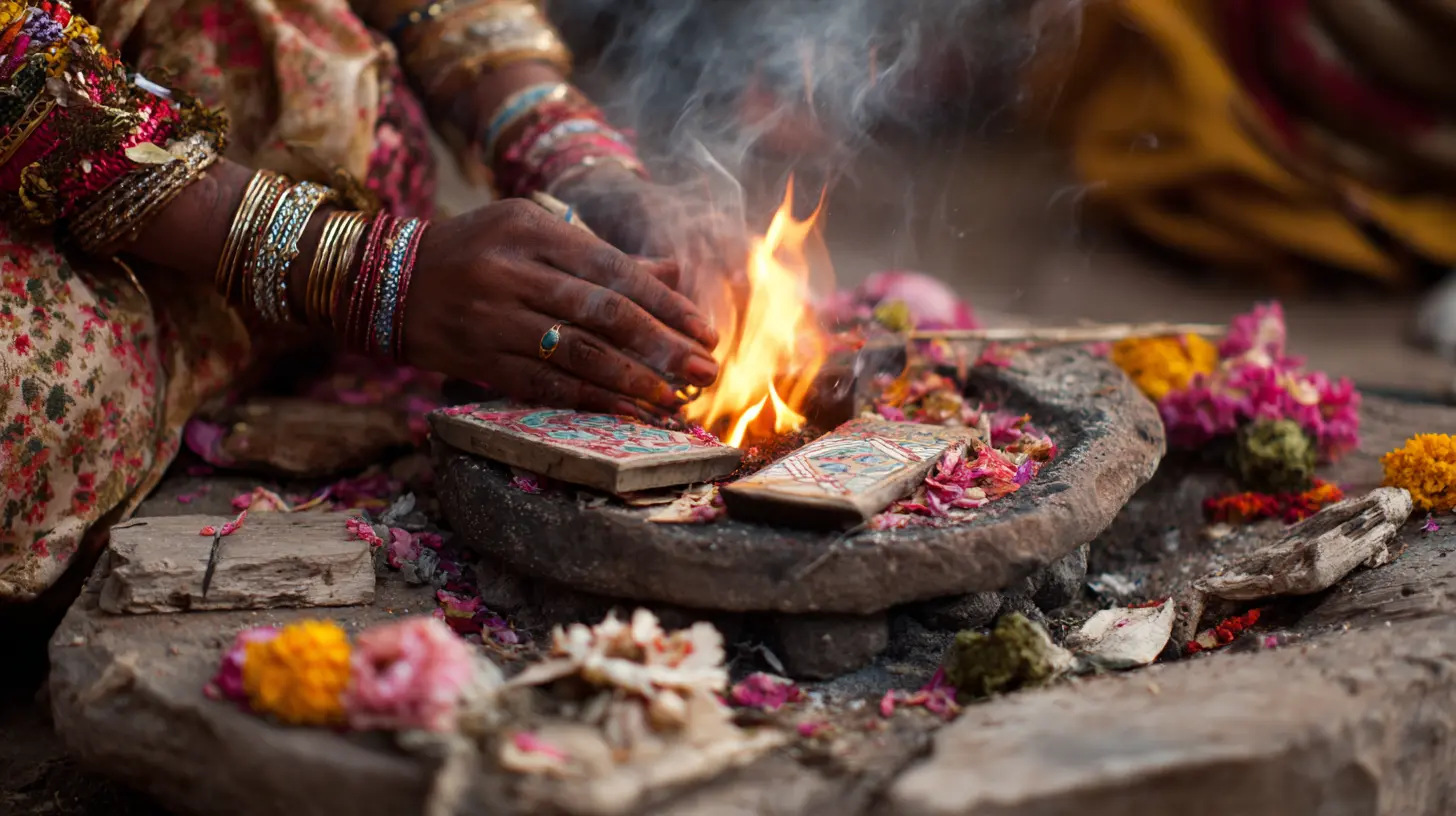
Simple answer: they work. Not in a magic-wand way, but in a way that holds communities together. Rituals are like the glue that keeps a culture from falling apart when the world gets loud. In 2026, with AI writing poems and robots delivering your lunch, people crave something that feels real. Something that smells like incense, tastes like sacred food, and sounds like a drumbeat that's been going for a thousand years.Think of it like this: your phone is a tool. But a ritual is a anchor. It keeps you from drifting into the noise. And travelers are catching on. Instead of just snapping selfies in front of temples, they're showing up at dawn to watch a fire ceremony in Bali or joining a silent procession in Japan. It's not about being a spectator. It's about being a witness.
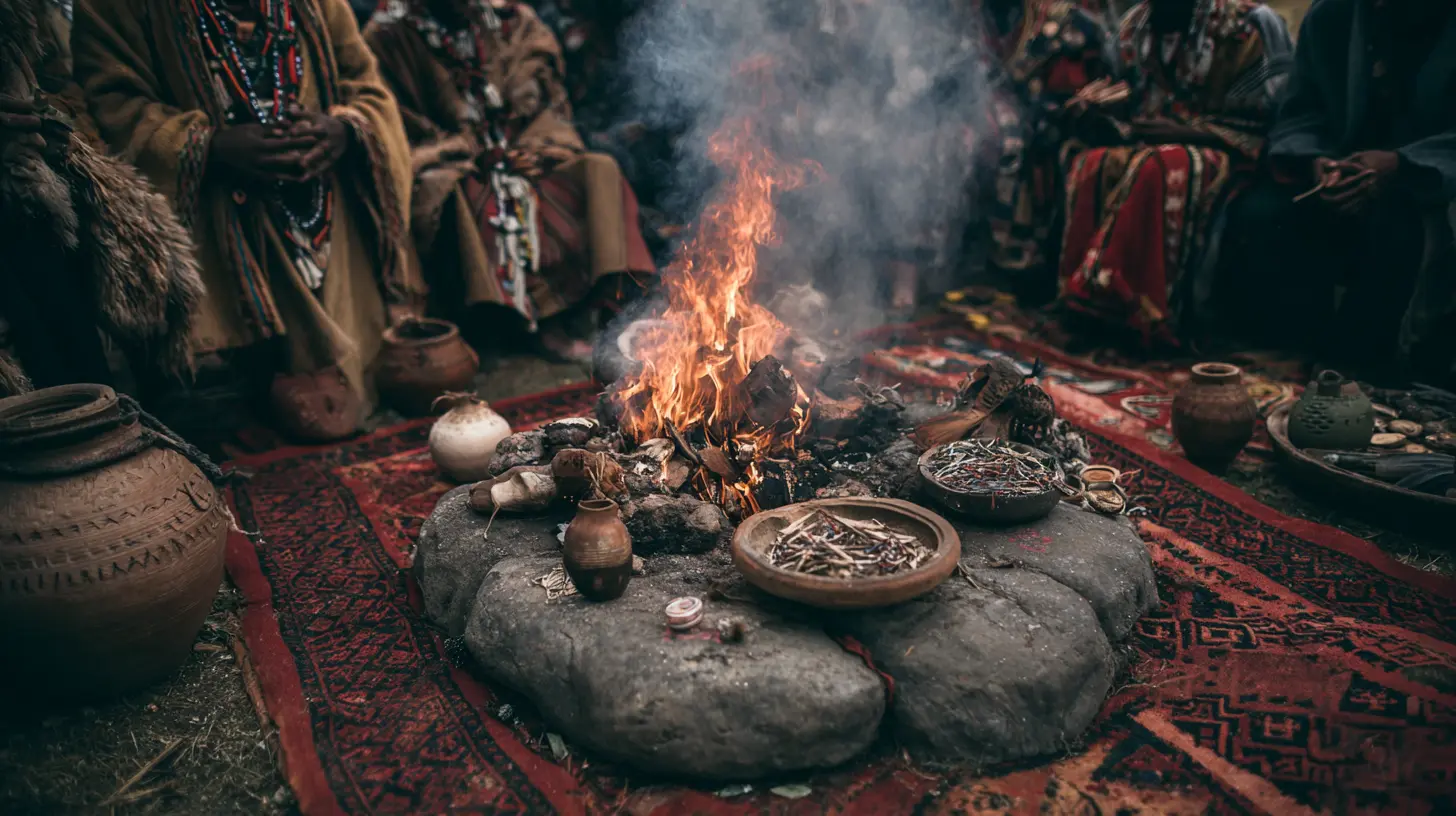
The Firewalkers of Fiji: Walking on Hot Stones Like It's No Big Deal
Let's start with something that sounds like a dare you'd make after too many drinks. In Fiji, on the island of Beqa, men have been walking barefoot over red-hot stones for centuries. The ritual is called vilavilairevo, which means "jumping into the fire." It's not a stunt. It's a sacred act tied to a legend about a warrior who was granted protection from the fire god.Here's the kicker: you can watch this in 2026. Some resorts on the main island of Viti Levu host firewalking ceremonies for visitors. But the real deal happens in the village of Navakasiga, where the locals still do it for their own reasons. They dig a pit, heat volcanic stones for hours, and then walk across them in a trance-like state. No blisters. No screaming. Just men moving like the fire is cold water.
Why does it work? Nobody agrees. Some say it's mind over matter. Others say it's a blessing from the ancestors. But when you're standing there, feeling the heat on your face, watching someone's bare soles press into glowing rock, you stop caring about the science. You just feel awe. That's the point.
The Night of the Radishes in Oaxaca, Mexico
This one sounds like a joke, but I promise it's real. Every December 23rd, in the city of Oaxaca, people carve radishes into elaborate scenes. We're not talking about a few smiley faces. We're talking about nativity scenes, dragons, and entire villages carved from oversized radishes. It's called Noche de los Rábanos (Night of the Radishes).The tradition started in the 16th century when Spanish monks used radishes to attract people to Christmas markets. It stuck. Now, it's a full-blown competition. Farmers spend months growing giant radishes-some as long as your forearm-and artists carve them into masterpieces that last only a few hours before they wilt.
In 2026, the plaza in Oaxaca fills with thousands of people. The air smells like earth and cinnamon. Vendors sell hot chocolate and tamales. And the radish sculptures sit under lights, glowing like they're alive. You can walk through the displays, talk to the carvers, and even try your hand at it in a workshop. It's weird, wonderful, and completely unique. Where else can you see a vegetable become art for one night?
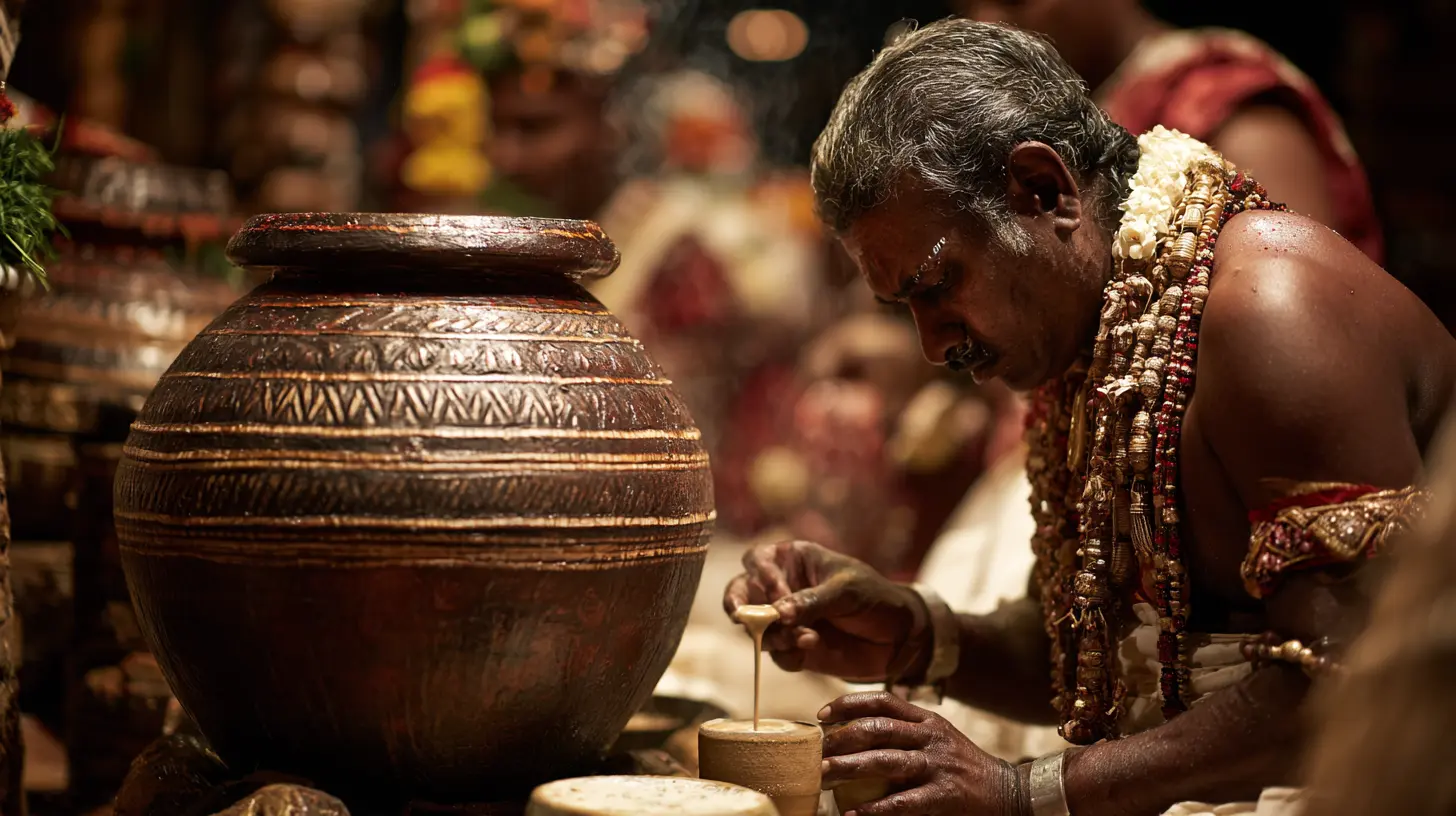
The Kumbh Mela in India: The World's Biggest Bath
You've probably heard of the Kumbh Mela. It's the largest gathering of humans on the planet. In 2026, the full version happens in Ujjain, India. Millions of people-yes, millions-will bathe in the Shipra River at a specific astrological moment. They believe it washes away sins and breaks the cycle of rebirth.But here's what the brochures don't tell you. The Kumbh Mela isn't just a bath. It's a city that appears overnight. Tents, ashrams, food stalls, and makeshift hospitals spring up on the riverbanks. Sadhus (holy men) with matted hair and painted faces sit in meditation for days. There are processions, debates, and ceremonies that run 24 hours a day.
If you go in 2026, you'll be part of something ancient. The ritual dates back to a myth about a pot of nectar that spilled across four locations. But the real magic is the crowd. Imagine standing shoulder to shoulder with people from every corner of India, all moving toward the same water, all believing the same thing. It's chaotic. It's loud. It smells like incense, sweat, and river mud. And when you finally dip into the water, you feel a chill that has nothing to do with temperature. It's the chill of being part of something bigger than yourself.
The Crying Ritual of the Trobriand Islands
Not all rituals are joyful. Some are raw and messy. On the Trobriand Islands in Papua New Guinea, when someone dies, the women perform a ritual called yoyowa. They wail, scratch their faces, and smear themselves with ash. It's not acting. It's a controlled release of grief that's been practiced for thousands of years.In 2026, this ritual is still very much alive. If you're traveling there, you might witness it during a funeral. The women gather around the body, and the crying starts low, then builds into a chorus of sobs and chants. They call out the name of the deceased, recount their life, and sometimes blame spirits for the death. It's intense. It's uncomfortable. But it's also honest.
Western culture tends to hide grief. We put it in boxes and call it "closure." The Trobriand approach is different. They let it out, all at once, in front of everyone. As a traveler, you won't be invited to join. But you can observe from a respectful distance. And you might realize that some rituals aren't about celebration. They're about survival.
The Bull Leaping of Crete: An Ancient Sport That's Still Dangerous
You've seen the frescoes from Minoan Crete-those acrobats vaulting over bulls. You probably thought it was a myth. It's not. In 2026, in the village of Vori on Crete, a group of locals still practice bull leaping. Not for tourists. For tradition.The ritual is called taurokatapsia. It's exactly what it sounds like. A young man runs at a bull, grabs its horns, and flips over its back. It's dangerous. People get hurt. But the community sees it as a rite of passage, a test of courage that connects them to their ancestors who built the palace of Knossos.
If you visit during the summer festival, you'll see it in a dusty arena. The bull is not harmed-it's a partner in the dance. The leaper moves with the animal, using its momentum to complete the flip. When he lands on the other side, the crowd erupts. It's raw, sweaty, and terrifying. But it's also beautiful in a way that a video game never could be. This is real risk. Real skill. Real tradition.
The Dancing Devils of Yare, Venezuela
Venezuela has a ritual that looks like a horror movie but feels like a prayer. Every Corpus Christi, men in the town of San Francisco de Yare dress as diablos danzantes (dancing devils). They wear red suits, masks with horns, and rattles. They dance through the streets for hours, sometimes days, in a trance-like state.The ritual dates back to the 18th century. It's a mix of Catholic and African traditions. The dancers are paying penance for sins. They believe that by dancing as devils, they're mocking evil and earning forgiveness. In 2026, despite Venezuela's struggles, this ritual continues. It's a reminder that some things are too important to cancel.
As a traveler, you can watch from the sidelines. The dancers will shake your hand, offer you rum, and keep moving. The energy is electric. Drums pound. Bells jingle. The masks stare at you with painted eyes. You might feel a little scared. That's the point. It's a ritual that confronts darkness head-on.
The Blessing of the Animals in Guatemala
This one is gentler. In Antigua, Guatemala, every January, people bring their pets to the church for a blessing. It's called Bendición de los Animales. Dogs, cats, horses, chickens, even iguanas-all get sprinkled with holy water. The tradition goes back to Saint Francis of Assisi, who saw animals as part of God's family.In 2026, the plaza in front of La Merced Church fills with animals and their owners. There's a parade, music, and a priest who walks through the crowd blessing each creature. It's chaotic in the best way. Dogs bark. Birds squawk. Kids laugh. And for a moment, the line between human and animal blurs.
You can bring your own pet if you're traveling with one. Or you can just watch and smile. It's a simple ritual, but it says something deep: we're not alone on this planet. We share it with creatures who deserve respect. That's a message that never gets old.
The Fire Festival of Shetland, Scotland
If you think Vikings are just history books, go to Shetland in January. The Up Helly Aa festival is a fire ritual that ends with a full-size Viking longship being burned. Thousands of people march through the streets carrying torches. They're dressed as Vikings. They sing. They drink. And when the ship goes up in flames, the sky turns orange.The ritual started in the 19th century, but it's based on older Norse traditions. Shetland was part of the Viking world, and the festival is a way of honoring that heritage. In 2026, it's still going strong. The preparation takes months. Volunteers build the ship, sew costumes, and practice the march.
As a visitor, you can join the crowd. The torchlight procession is free. You'll feel the heat from hundreds of flames. You'll hear the roar of the crowd. And when the ship burns, there's a moment of silence before the cheering starts. It's a ritual that says: winter is dark, but we can light it up.
How to Experience These Rituals Without Being a Jerk
Okay, let's get real. You can't just show up to a sacred ritual with a selfie stick and expect to be welcomed. These are not shows. They are living traditions. So here's the rule: watch first, ask later, and never interrupt.- Do your homework. Learn the history before you go.
- Dress respectfully. Cover your shoulders, remove your shoes, and leave the flashy clothes at home.
- Ask permission before taking photos. Some rituals forbid cameras entirely.
- Don't touch anything unless invited.
- Be quiet during the ceremony. Whisper if you must talk.
- Tip or donate if it's appropriate. These communities often rely on tourism to keep the traditions alive.
And most importantly, don't treat it like a bucket list checkbox. Treat it like a conversation. You're not there to take. You're there to witness.
Why This Matters in 2026
We live in a world that's obsessed with the new. New phones. New apps. New trends. But ancient rituals remind us that some things are worth keeping. They're not stuck in the past. They're evolving. The firewalkers of Fiji now use microphones. The dancing devils of Yare have Instagram accounts. But the core-the belief, the community, the awe-stays the same.Traveling to see these rituals is like reading a book that's been written by thousands of authors over centuries. You don't just flip the pages. You step inside the story. And when you leave, you carry a piece of it with you.
So pack light. Leave your expectations at home. And go find a ritual that makes you feel small in the best way. The world is full of them. They're waiting for you.
all images in this post were generated using AI tools
Category:
Cultural CelebrationsAuthor:

Shane Monroe
Discussion
rate this article
2 comments
Kassandra McGehee
Exploring ancient rituals connects us to a profound past, reminding us of the roots of human experience. In 2026, these practices offer travelers a glimpse into cultures that value tradition and spirituality. Engaging with them enriches our understanding of the world and our place within it.
May 5, 2026 at 4:45 AM
Shane Monroe
Absolutely! Experiencing these rituals truly deepens our connection to history and enriches our journey. It's a remarkable way to appreciate diverse cultures and their traditions.
Gemma Graham
This article beautifully captures the essence of ancient rituals that continue to connect us with our past. It's a fascinating journey through cultures that honor traditions, making it a must-read for adventurous travelers in 2026.
May 2, 2026 at 2:48 AM