Cultural Traditions of the Zulu Kingdom in South Africa
25 June 2026
When you think of South Africa, rolling savannahs, majestic wildlife, and rich history probably spring to mind. But there's one vibrant thread woven deep into the nation’s cultural fabric—the Zulu Kingdom. Known for its fierce warriors, colorful beadwork, and soul-stirring dances, the Zulu culture is not just history; it's alive and thriving.
In this post, we’re taking a journey through time and tradition to understand what makes the Zulu way of life so captivating. Whether you’re a culture buff, planning a trip, or just curious about the world, buckle up—you’re in for a fascinating ride.
Who Are the Zulus?
The Zulu people are the largest ethnic group in South Africa, making up around 22% of the population. Their homeland is the province of KwaZulu-Natal, a region blessed with lush green hills, bustling cities, and a long stretch of coastline along the Indian Ocean.But the Zulus are more than numbers and geography—they're a people of deep-rooted traditions, proud heritage, and unwavering resilience. Their story is one of kings, warriors, colonization, and cultural survival.
The Rise of the Zulu Kingdom
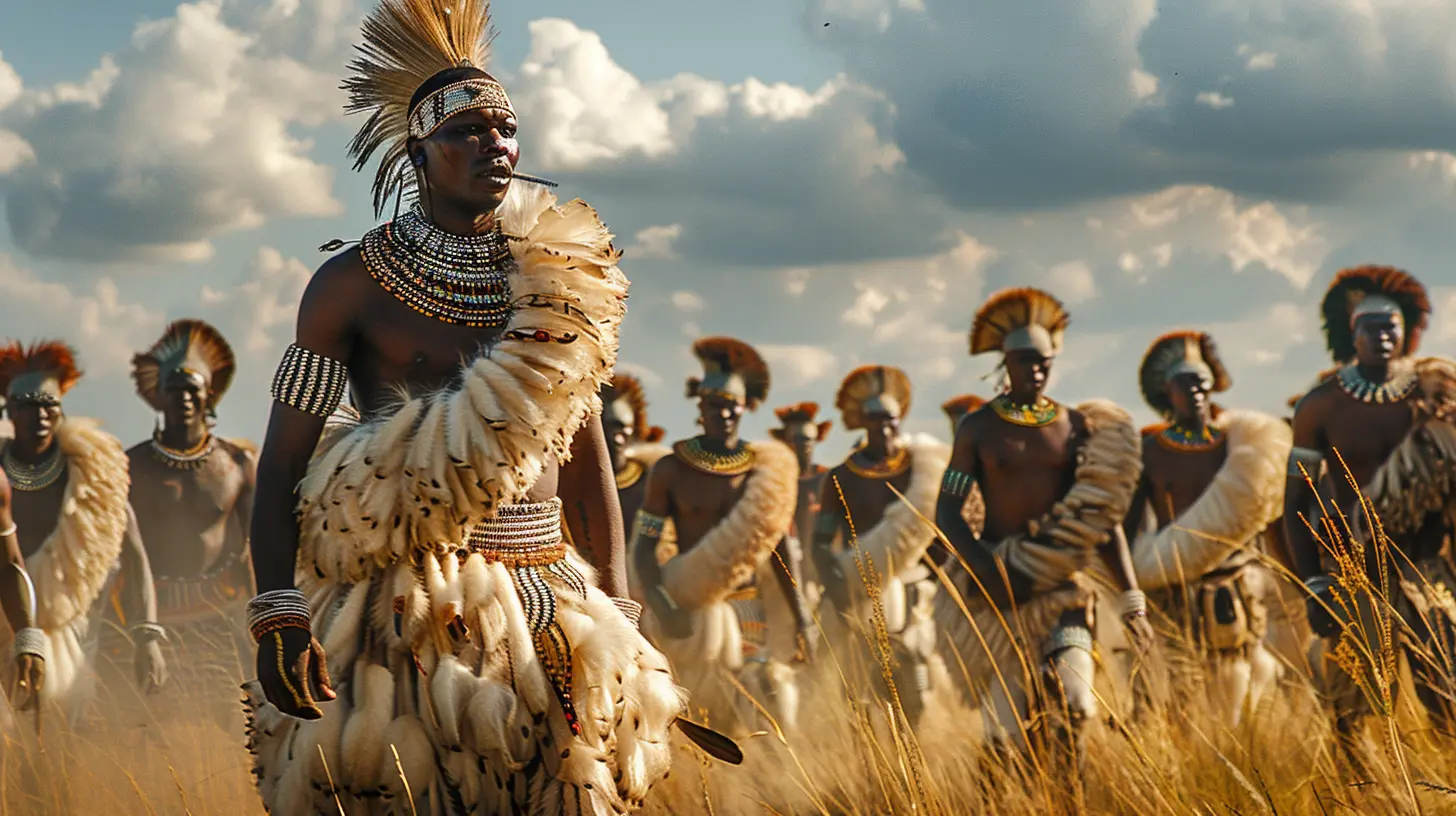
You can’t talk about Zulu culture without mentioning their legendary founder, Shaka Zulu. Born in 1787, Shaka revolutionized warfare in Southern Africa with innovative tactics and strict discipline. Under his leadership, the Zulu Kingdom grew rapidly in power and land.Today, Shaka remains a national icon—think of him as the South African equivalent of Napoleon or Alexander the Great. His legacy rings through many of the Zulu customs still honored today.
Language: The Heartbeat of the Culture
Ever heard someone click their tongue in the middle of a sentence and wondered how it makes sense? That’s isiZulu. It’s one of South Africa’s eleven official languages and is spoken by more than 10 million people.The language itself is more than just communication—it’s an art form. IsiZulu is packed with metaphor, idioms, and a unique melodic rhythm that makes even everyday conversation sound poetic. When a Zulu elder speaks, it's like listening to a song wrapped in wisdom.
The Role of Family and Community
In Zulu culture, family doesn’t just mean mom, dad, and kids. It stretches out like a spider web—connecting grandparents, cousins, distant aunts, and even the neighbors. It’s what they call ubuntu, the belief that "I am because we are."This communal spirit shines during weddings, funerals, and other life events. Everyone shows up, everyone helps, and everyone has a role to play. It’s about belonging, duty, and honoring your roots.
Traditional Attire: Color, Beads, and Symbolism
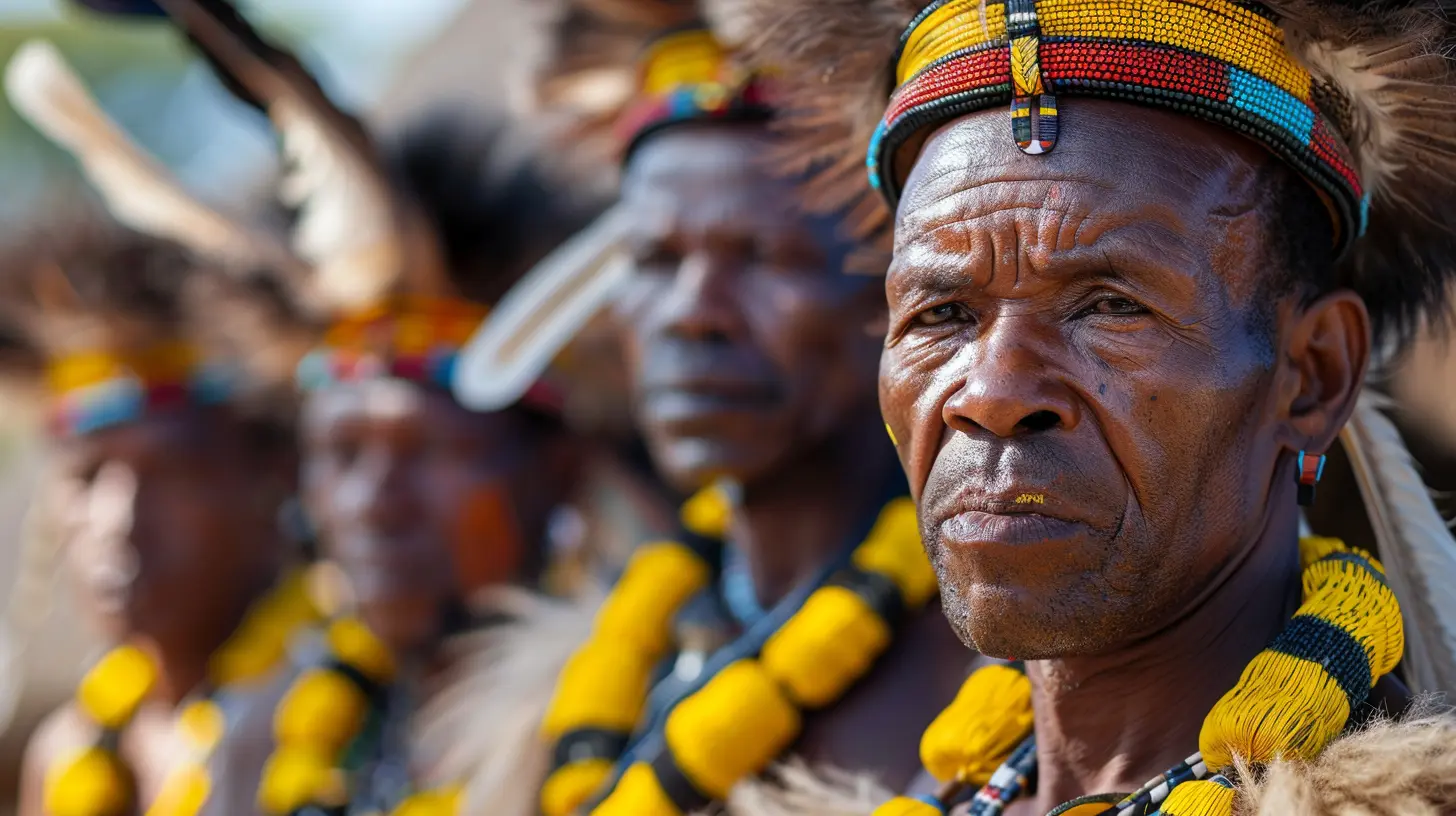
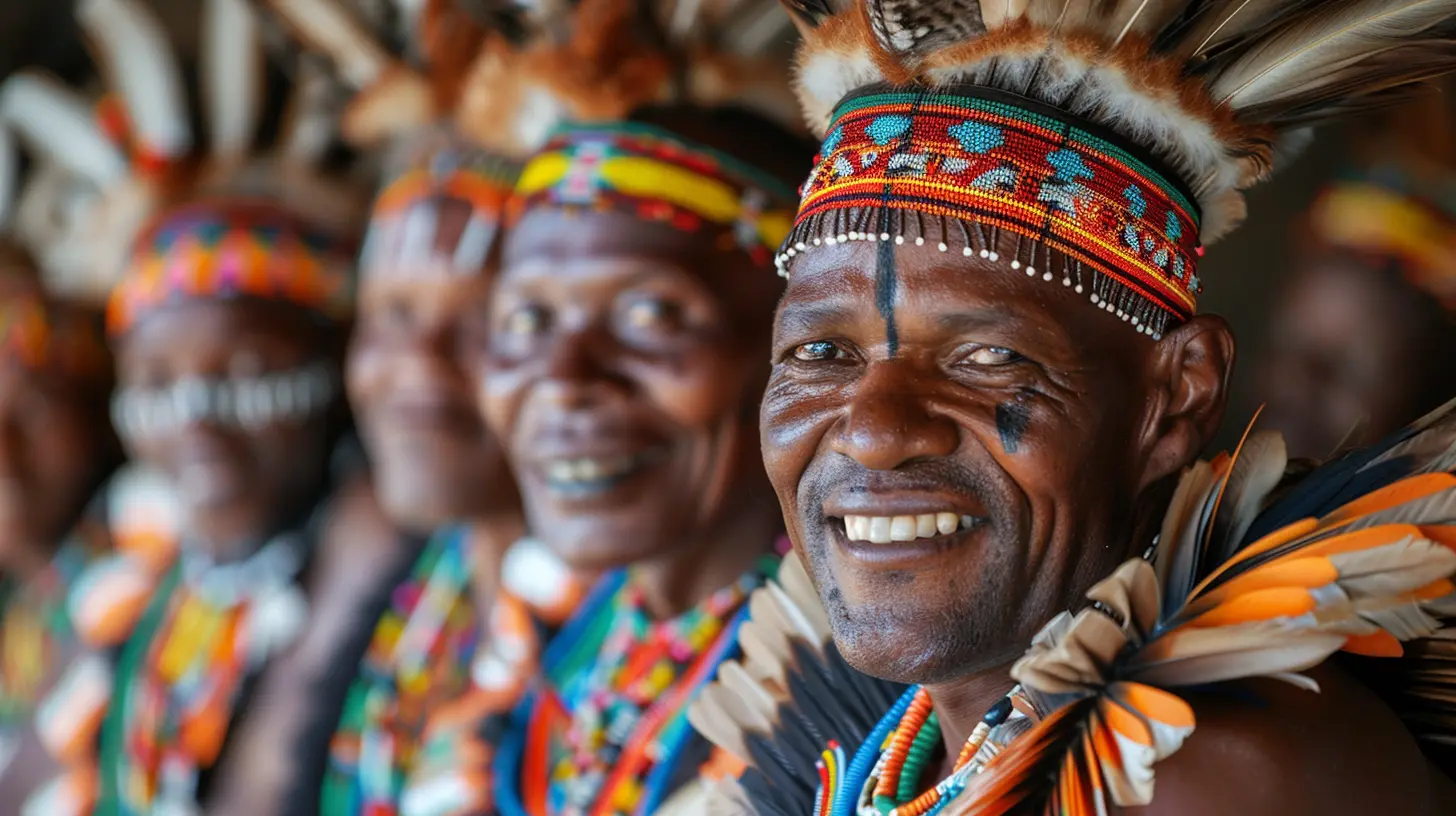
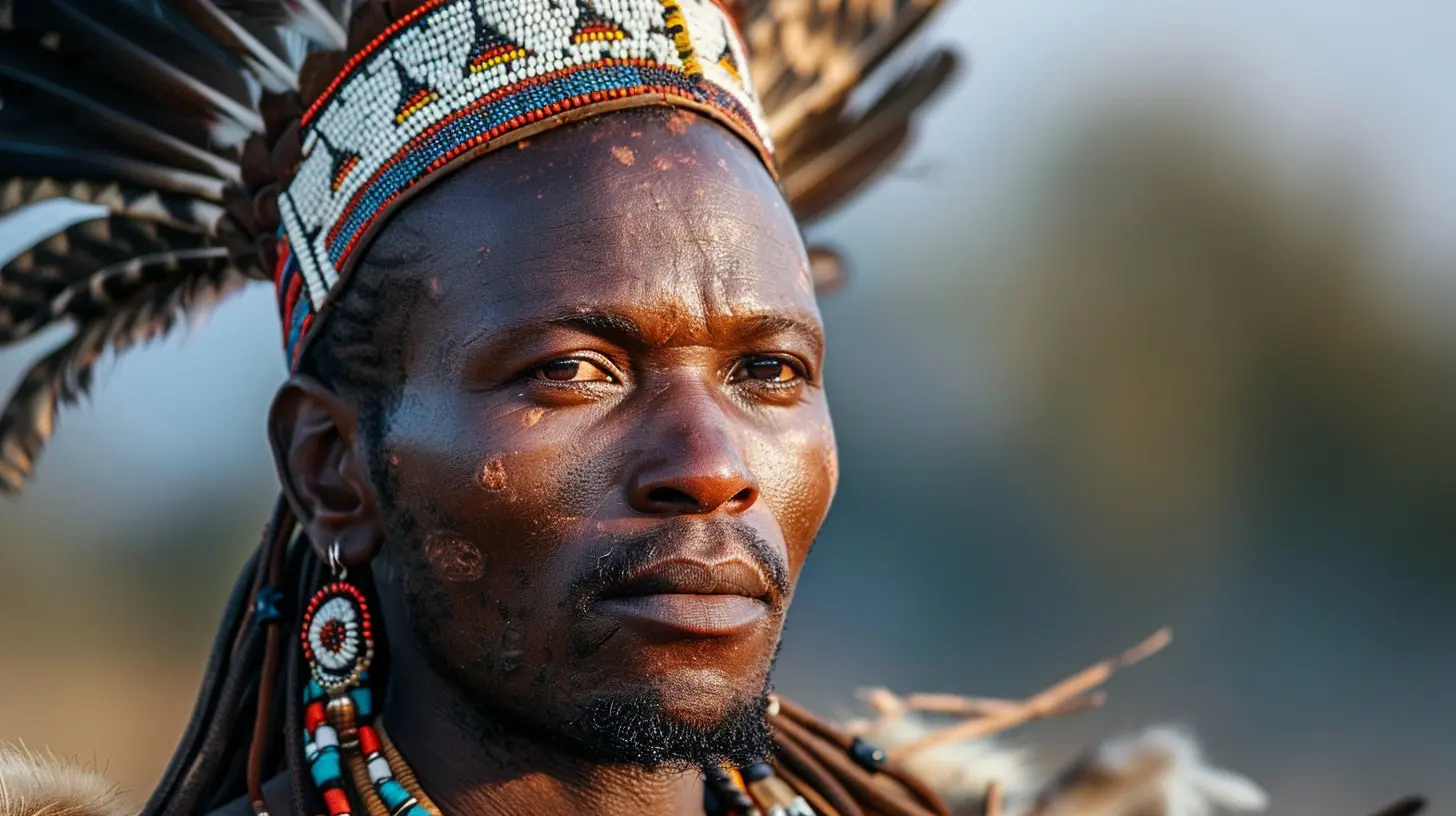
Zulu garments are far more than clothes—they’re statements. What someone wears can tell you their age, marital status, and even their social standing.- Beadwork is central here. Each color and pattern has meaning. Red might represent love and passion, while white stands for purity.
- Women typically wear brightly colored skirts, beaded necklaces, and headpieces. Married women often don a isicholo—a wide, flat hat made of grass and cloth.
- Men might wear leather, animal hides, and traditional headbands, especially during ceremonies or festivals.
So, next time you see a Zulu person decked out in full attire, know that it’s not just fashion—it’s history on display.
Music and Dance: Expressions of the Soul
Let’s be real—Zulu dances are nothing short of electrifying. They’re intense, rhythmic, and deeply emotional.The most iconic? The Indlamu—a warrior dance where performers wear animal skins, raise their knees high, and stomp the ground with fierce precision. It's more than entertainment; it's storytelling through movement.
And then there's the music. Picture powerful harmonies, the beat of traditional drums, and voices that rise and fall like waves. Songs often serve as oral history, praising ancestors, recounting battles, or sending messages.
So, whether it's a wedding or a war cry, Zulu music and dance speak directly to the soul.
Rites of Passage and Ceremonies
Like many African cultures, the Zulus mark life's big moments with impressive ceremonies.1. Birth
When a child is born, it’s cause for celebration. Family members gather for rituals that introduce the baby to the ancestors and welcome them into the community.2. Coming of Age
As children grow up, they go through initiation rites. Boys may enter ukwaluka (circumcision ceremonies), while girls participate in ceremonies that highlight womanhood and readiness for marriage. These traditions instill values, responsibility, and pride in their heritage.3. Weddings
Zulu weddings are full-throttle affairs. We’re talking days of dancing, singing, feasting, exchanging gifts, and of course, traditional rituals. There’s a formal exchange of cattle (lobola) as a symbolic dowry and endless vibrant attire.4. Funerals
Zulu funerals are spiritual and sacred. Death is seen as a transition, not an end. Ancestral spirits are called upon to guide the deceased to the afterlife, and ceremonies may go on for days.
Religion and Spirituality
In Zulu belief, there’s a strong connection between the living and the dead. Ancestors, known as amadlozi, are ever-present. They’re protectors, guides, and sometimes disciplinarians.Many Zulus blend traditional beliefs with Christianity. Don’t be surprised to see someone attend church on Sunday and offer a home-brewed beer to the ancestors during a ritual. It’s not contradiction—it’s harmony.
Spiritual leaders, or sangomas, also play a major role. They’re healers, diviners, and counselors rolled into one. Through ritual, prayer, and traditional herbs, they help communities maintain balance and health.
Food: A Taste of Zulu Life
Ever tried phuthu (crumbly maize porridge) with spicy stews or chakalaka (a zesty vegetable relish)? If not, you're missing out.Zulu cuisine is hearty, flavorful, and designed to feed both body and soul. Meat plays a big role—especially beef and goat. These are often reserved for special occasions or rituals. And if you're offered a piece from the braai (barbecue), consider it an honor.
Food in Zulu culture isn’t just for nourishment—it’s for bonding. Gatherings are almost always centered around a meal, and sharing is part of the custom.
Festivals and Cultural Events
If you really want to experience Zulu traditions, attend a local festival. Here are two must-see events:1. Reed Dance (uMkhosi woMhlanga)
Held annually in September, this ceremony sees thousands of young Zulu maidens gather at the royal palace to pay homage to the Zulu king and showcase purity and unity. It’s colorful, it’s traditional, and it’s a powerful reminder of cultural pride.2. Heritage Day (September 24th)
Known as South Africa’s national “braai day,” Zulus use this time to celebrate traditional dress, food, and music. It’s a great time to visit KwaZulu-Natal and soak in the atmosphere.The Zulu King and Monarchy Today
Yes, the Zulu monarchy still exists! It might not have political power like it once did, but it holds massive cultural weight. The king is a spiritual and traditional leader, symbolizing unity and history.Even now, the Zulu royal family plays a critical role in community events, land disputes, and cultural preservation. Visiting royal homesteads or catching a glimpse of a royal ceremony can give you a deeper appreciation of this ancient institution.
Modern Life Meets Tradition
What’s truly amazing is how the Zulu people blend ancient customs with modern life. In cities like Durban, you’ll see Zulu professionals in suits during the day and traditional outfits at weekend ceremonies. Smartphones in hand, yet still rooted in age-old beliefs.This balance of old and new keeps the culture relevant and meaningful, especially for younger generations trying to find their identity in a fast-moving world.
Tips for Tourists Wanting to Experience Zulu Culture
Thinking of diving deeper into Zulu traditions on your next adventure? Here’s how you can do it respectfully:- Visit Shakaland or other cultural villages near Eshowe for interactive experiences.
- Hire local guides—they offer authentic insights and stories you won't find in guidebooks.
- Respect rituals—if you're invited to a ceremony, dress modestly and observe quietly.
- Ask before you click—photographing people or ceremonies should always come with permission.
- Buy local crafts—Zulu beadwork and pottery are not only beautiful but support local artisans.
Final Thoughts
Zulu culture isn’t just something to read about—it’s something to feel. It’s in the rhythm of a drum, the flick of a dancer’s foot, the taste of a home-cooked meal, and the wisdom of an elder.Whether you’re wandering through a traditional homestead or chatting with a local in downtown Durban, the spirit of the Zulu Kingdom will find a way to leave a lasting imprint on your heart.
So next time you’re in South Africa, don’t just do the typical tourist checklist. Take a detour into the beating heart of one of the country’s richest cultures. Trust me—it’s an experience you won't forget.
all images in this post were generated using AI tools
Category:
Cultural ToursAuthor:

Shane Monroe
Discussion
rate this article
1 comments
Brigitte Palmer
The Zulu Kingdom's cultural traditions showcase a rich tapestry of history and identity. From vibrant beadwork to traditional dances, these customs offer deep insights into the values and community spirit of the Zulu people, enhancing any travel experience in South Africa.
August 8, 2026 at 3:04 PM
Shane Monroe
Absolutely! The Zulu Kingdom's traditions truly reflect its vibrant heritage, making any visit a profound journey into its culture and values.