Folk Tales, Music, and Cuisine in the Heart of Spain
31 August 2026
Spain isn’t just flamenco dancers and bullfights. If you dig deeper, right into the center of the country—into Castilla-La Mancha, Madrid, and parts of Castile and León—you’ll find rich traditions that have survived for centuries. We're talking about ancient folk tales passed down around fireplaces, music that stirs the soul, and hearty dishes that bring families together. These elements form the heartbeat of Spain’s cultural identity, especially in its heartland, where time seems to slow down just enough for stories, songs, and food to matter.
Let’s take a journey there, shall we? Not by train or plane, but through the rhythms, flavors, and legends that define the real Spain.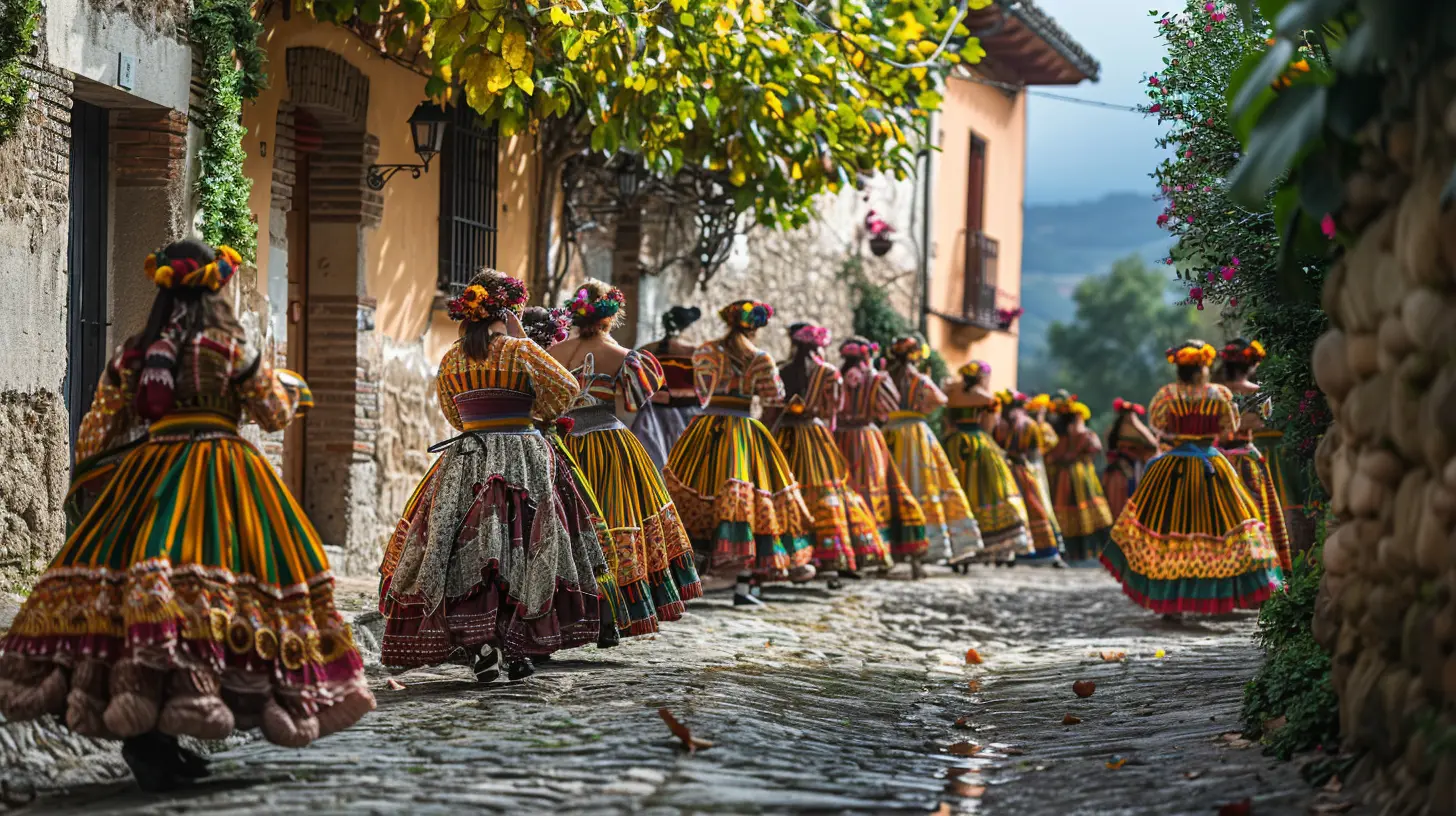
The Enduring Magic of Folk Tales in Central Spain
What Makes Spanish Folk Tales So Captivating?
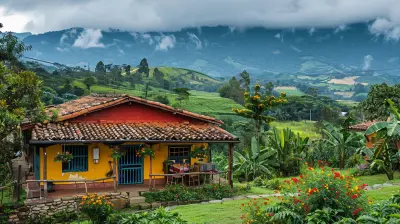
Ever heard a story from your grandparents that made your eyes go wide and your imagination run wild? That’s exactly the kind of emotion Spanish folk tales evoke. And in Central Spain, these stories are more than just old yarns—they're cultural treasures.In places like Castilla-La Mancha, the landscape itself seems to whisper old secrets. Windmills dot the plains, conjuring images of Don Quixote, the ultimate dreamer tilting at giants. Though Cervantes wrote a novel, much of his story drew from the very same oral traditions that shaped local folklore.
These tales are usually packed with lessons, humor, and a touch of the supernatural. We're talking about cunning foxes, wise shepherds, haunting spirits, and brave heroines. Storytelling was (and still is) a way to pass down values, entertain kids, and keep history alive—especially in rural villages where books were once a luxury.
Folk Characters That Still Linger
Let’s talk about some memorable folk characters. You’ve got "La Tarasca," a mythical dragon-like creature said to roam the mountains. Or Juan el Tonto (John the Fool), a comically naïve character who always ends up outsmarting the clever folks in the end.There’s also La Dama de la Peña, a ghost woman draped in white who appears in moonlit fields. These legends aren’t just spooky tales for campfires—they often draw on real history, moral dilemmas, and the timeless battle between good and evil.
How These Tales Are Kept Alive
Spain has a vibrant oral storytelling culture, especially during festivals and village gatherings. Aging storytellers (called "cuentacuentos") are often invited to schools, markets, or even wineries to share these folk gems. Plus, the Spanish tourism sector has started embracing cultural storytelling tours—think folklore and wine tasting in one adventure.And of course, many of these tales have made their way into local theater, puppetry, and even animated short films. They're modernized but never watered down. The essence? Still intact.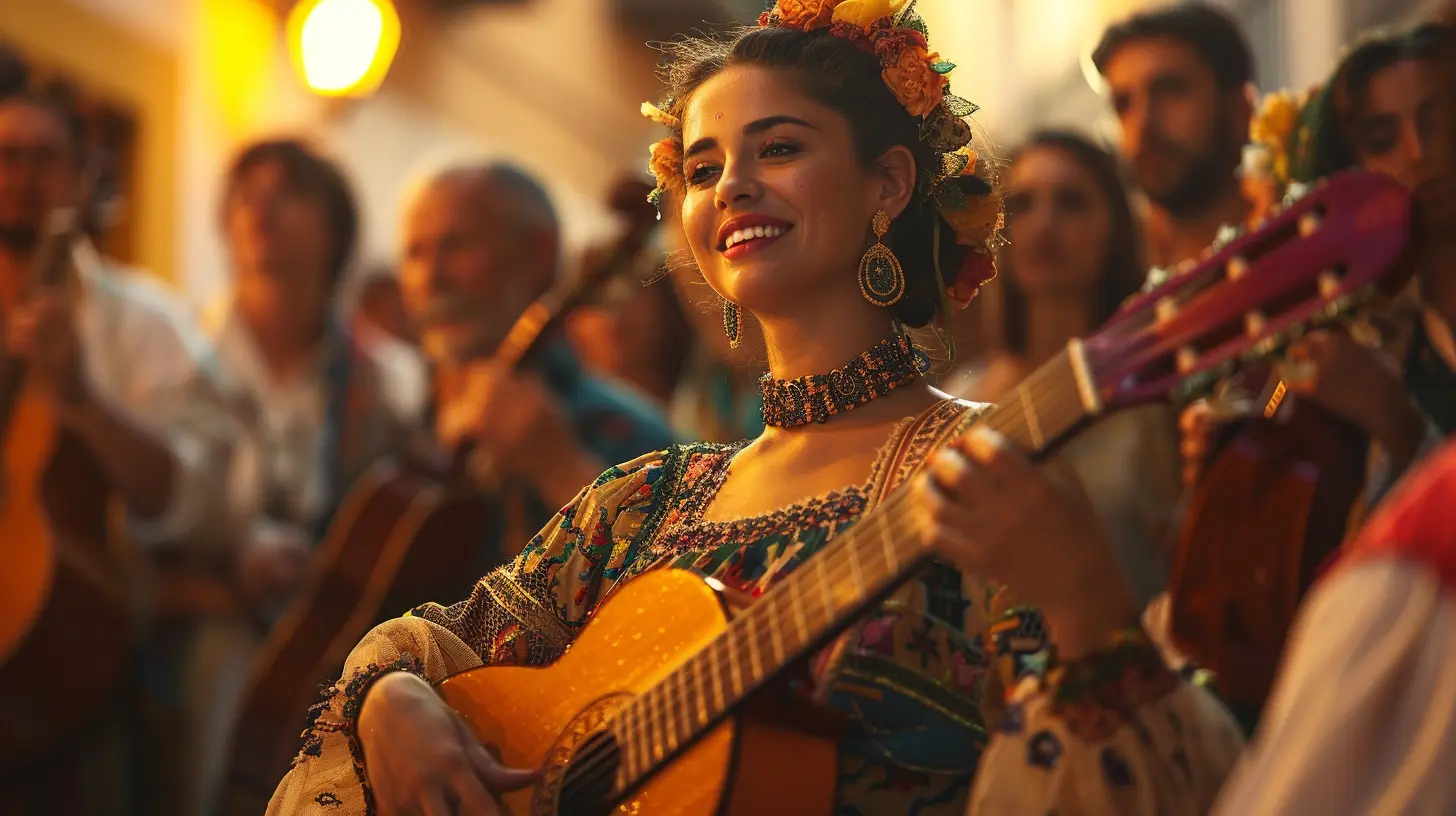
The Musical Soul of Spain’s Heartland
More Than Flamenco: The Varied Soundtrack of Central Spain
Sure, flamenco gets the spotlight, but Central Spain dances to its own rhythm. From the dulzaina (a kind of wooden oboe) to tambourines and castanets, the music here is raw, rustic, and irresistibly lively.One popular genre is the “jota,” a fast-paced dance with stomping feet, swirling skirts, and love-themed lyrics. You'll often hear it performed during religious festivals or harvest celebrations. It’s emotional and dramatic—kind of like a musical soap opera with rhythm you can’t ignore.
Traditional Instruments You’ve Probably Never Heard About
Let’s break away from guitars for a sec. Here are a few instruments you’ll find in Central Spain’s musical mix:- Dulzaina: This woodwind has a reedy, nostalgic sound that tugs at your heart.
- Chirimía: Sort of like a cousin to the oboe, it adds flair to parades and church music.
- Zanfona: A medieval hurdy-gurdy that produces a droning, bagpipe-like sound—perfect for dramatic storytelling.
- Rabel: A three-stringed fiddle played by shepherds, mostly in León and Cantabria but found in parts of Castilla too.
These instruments are the secret sauce of Spain’s folk scene. They're not widely commercialized, which makes hearing them live even more magical.
Music and Community Go Hand in Hand
In small towns, music isn’t something you just listen to—it’s something you join. At fiestas, everyone knows the dance steps. Kids, grandparents, farmers, bakers—name anyone, and they probably know how to handle a tambourine or belt out a folk chorus.Local bands, called rondallas or tunas, often roam the streets during holidays, serenading everyone from balconies to tapas bars. These musical groups are more than entertainment—they're mobile time machines bringing ancient harmonies into the present.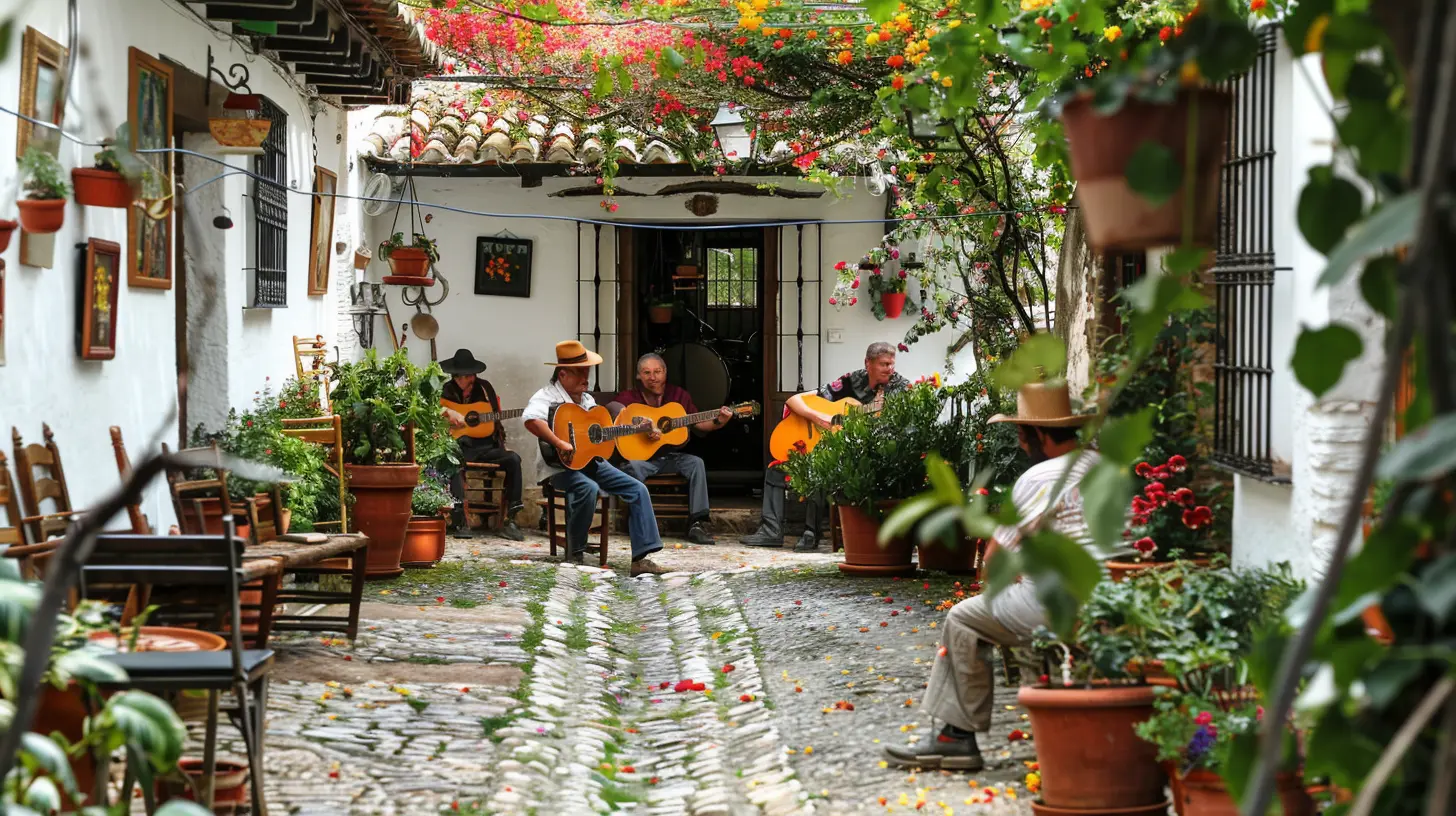
Cuisine from the Heart: Central Spain on a Plate
What’s Cooking? Hearty, Earthy, and Oh-So-Satisfying
If you ever walk into a traditional Central Spanish home, prepare to leave full. Like, undo-your-belt full. This region is all about comfort food with deep roots and no pretension.We're talking stews that bubble for hours, cheeses so rich they should come with a warning, and breads baked in ancient stone ovens. The ingredients? Local and seasonal. The techniques? Passed down from generations of abuelas who really knew what they were doing.
Must-Try Dishes You’ll Dream About Later
Looking for a culinary bucket list? Here’s what you shouldn't miss:- Cocido Madrileño: A chickpea-based stew loaded with pork, veggies, and chorizo. Not light, but definitely loveable.
- Migas: Fried breadcrumbs tossed with garlic, peppers, and sausage—shepherd's food turned gourmet.
- Pisto Manchego: Think Spanish ratatouille—zucchini, tomatoes, peppers, all slow-cooked to perfection.
- Queso Manchego: A sheep’s milk cheese that smells strong and tastes even stronger. Pair it with local wine—thank us later.
- Tarta de Santiago: A moist almond cake from nearby Galicia, often found in Madrid’s bakeries.
And let’s not forget the wine. La Mancha is one of the largest wine-producing regions in Europe. The reds are robust, the whites crisp, and the rosés... dangerously drinkable.
Food Is Celebration, Not Just Fuel
In Central Spain, meals are events. Lunch is the main feast, often lasting hours, especially on Sundays. Birthdays, weddings, or even a good harvest—every occasion is a reason to break out the best cuts, the oldest wine, and the tastiest desserts.Even tapas culture here carries a different energy. Instead of fancy small plates, you get hearty bites like jamón ibérico, patatas bravas, or even a mini bocadillo (sandwich) with a side of olives and pickles. It’s casual, it’s fun, and it keeps the conversation flowing.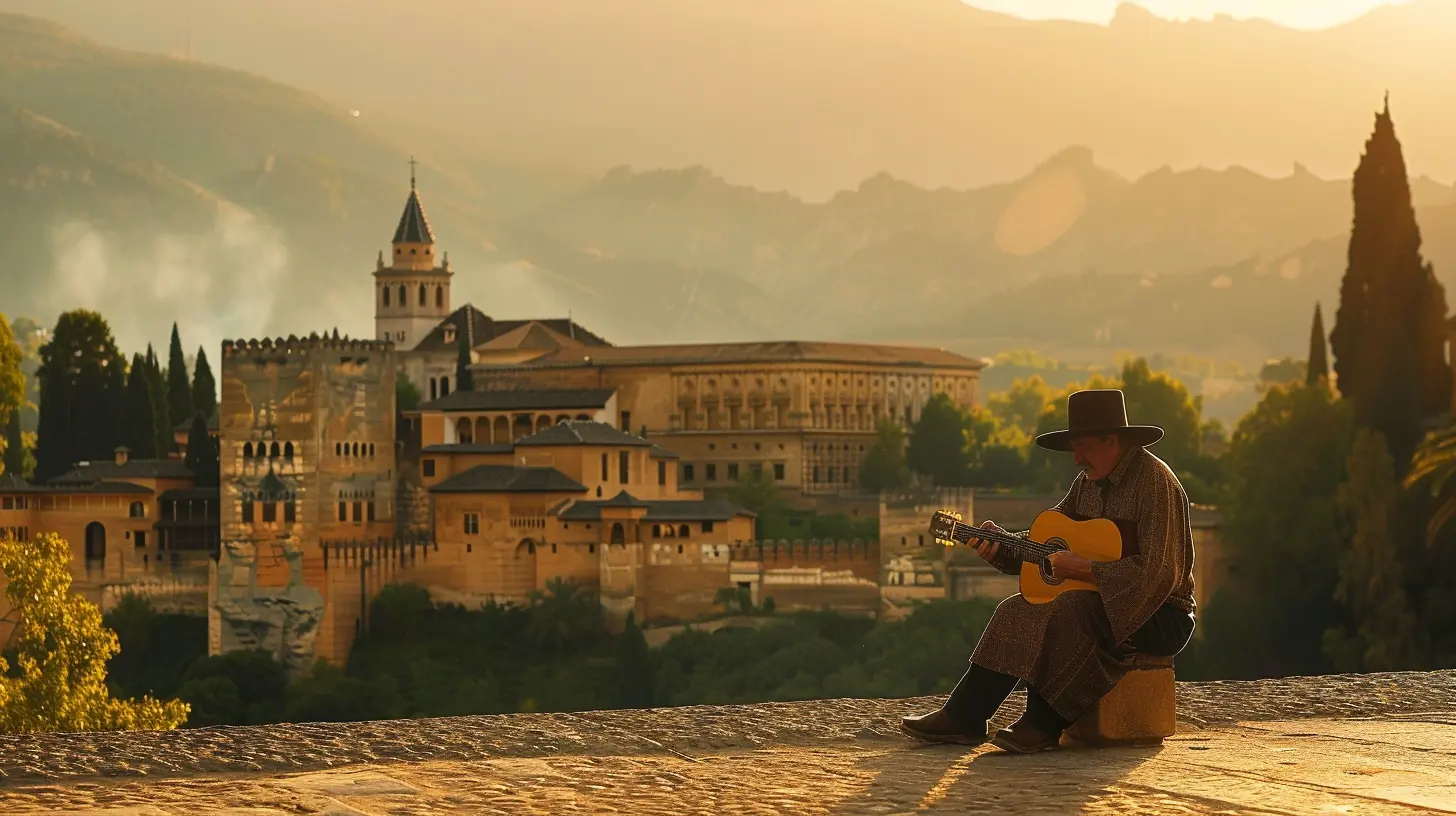
The Blend: When Folk, Food, and Music Come Together
Fiesta: The Ultimate Cultural Cocktail
Ever seen a whole village light up for a saint’s day? It’s like New Year’s Eve meets a street concert with a side of Michelin-star food trucks (but make it rustic). During local fiestas, you’ll find storytellers in the plaza, musicians marching through the streets, and grandmothers frying churros on roadside grills.The best part? You're not just a spectator—you’re part of it. That’s the magic formula. Whether it’s Semana Santa in Cuenca or the Festival de San Isidro in Madrid, you’ll feel like you belong, even if you just got there.
Preserving the Past While Embracing the Future
Spain’s heartland isn’t stuck in time, but it does hold on tight to the things that matter. Younger generations are learning folk instruments, chefs are reinventing old recipes, and storytellers are gaining new followers online. It’s a beautiful blend of old and new—a cultural remix that still hits all the right notes.Final Thoughts: Why This Part of Spain Feels So Real
There’s something deeply grounding about Central Spain. Maybe it’s the way time slows down here, or the way traditions are tightly woven into everyday life. When you hear the haunting notes of a dulzaina echoing through cobblestone alleyways or taste a stew that’s been simmering for generations, you realize—you’re not just visiting a place; you're stepping into a story.So next time you think of Spain, think beyond the beaches. Picture tales whispered under starlit skies, music that moves your soul, and food that wraps you in a warm, savory hug. That’s the heart of Spain. And it’s unforgettable.
all images in this post were generated using AI tools
Category:
Cultural ToursAuthor:

Shane Monroe
Discussion
rate this article
2 comments
Daniella McAuley
This article beautifully intertwines Spain's rich cultural heritage, but it could delve deeper into how these folk tales shape modern identity and community connections.
September 28, 2026 at 2:52 PM
Shane Monroe
Thank you for your insight! I appreciate your suggestion and will consider exploring the impact of these folk tales on contemporary identity in future pieces.
Sorin Peterson
A rich tapestry of culture.
September 6, 2026 at 2:59 AM