How to Take Stunning Aerial Shots in Mountainous Destinations
28 October 2026
Ever stood on the edge of a cliff, looked down at the breathtaking view, and thought, “Wow, this would look incredible from above”? You’re not alone—and thanks to drone technology, capturing those jaw-dropping mountain vistas from the sky is easier than ever. But here’s the catch: snapping aerial shots in mountainous destinations isn’t just about pressing a button and hoping for the best. It takes planning, a bit of creativity, and some know-how to truly make those rugged peaks shine.
So if you're ready to up your aerial photography game and turn mountain landscapes into wall-worthy masterpieces, buckle up. Here's everything you need to know about how to take stunning aerial shots in mountainous destinations.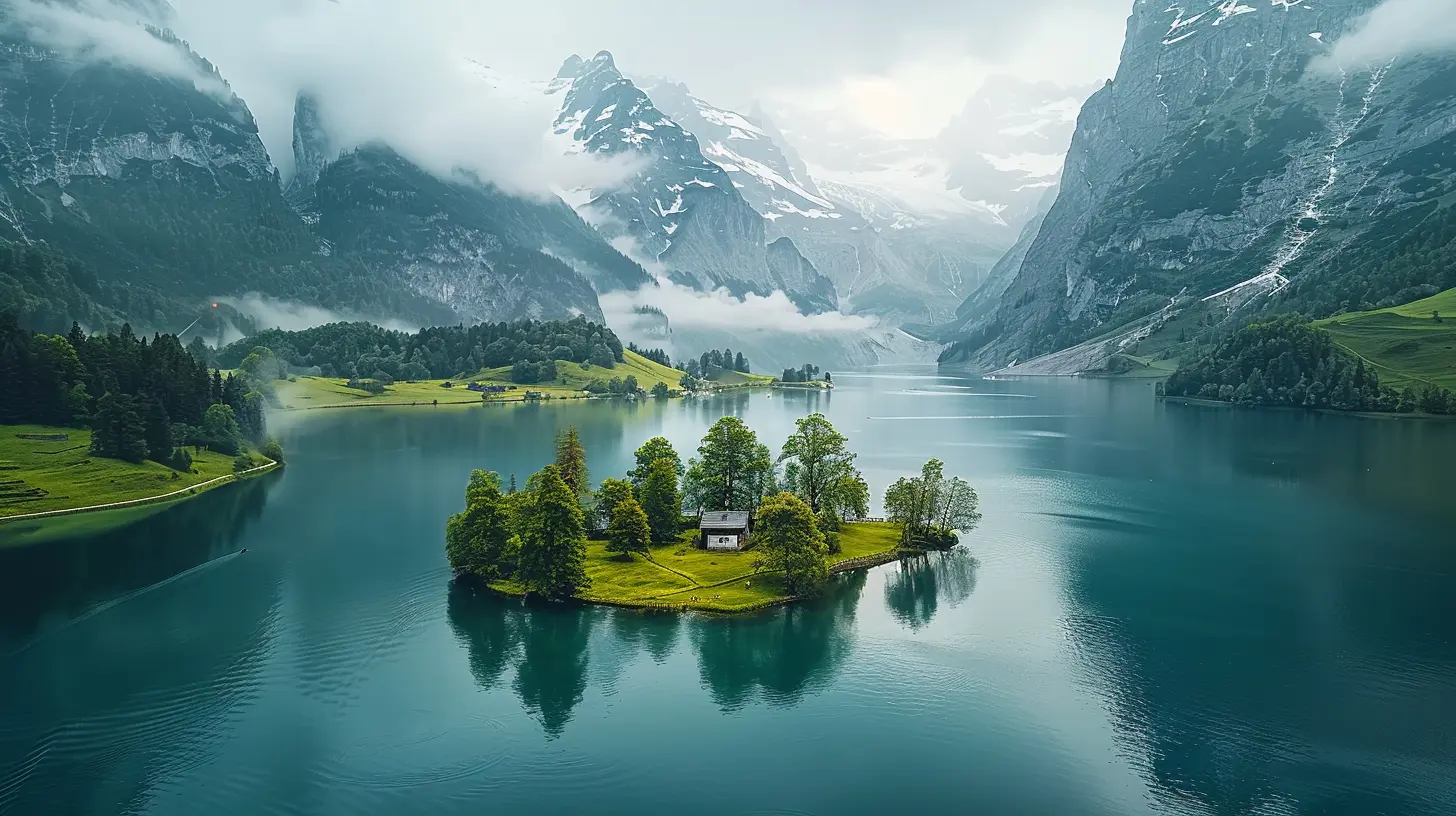
Why Mountainous Terrain is a Photographer's Dream
Let’s start with the obvious—mountains are stunning. They’re dramatic, wild, and full of texture. Shadows play across their surfaces like dancers, and fog adds an element of mystery that flat land just can’t compete with. From snow-covered peaks to layered ridges at sunset, mountains offer a natural composition playground for aerial shots.But beauty comes with its own set of challenges. Between unpredictable weather, strong winds, changing light, and technical drone limitations, photographing in these regions is no walk in the park. Still, when done right? It’s photographic gold.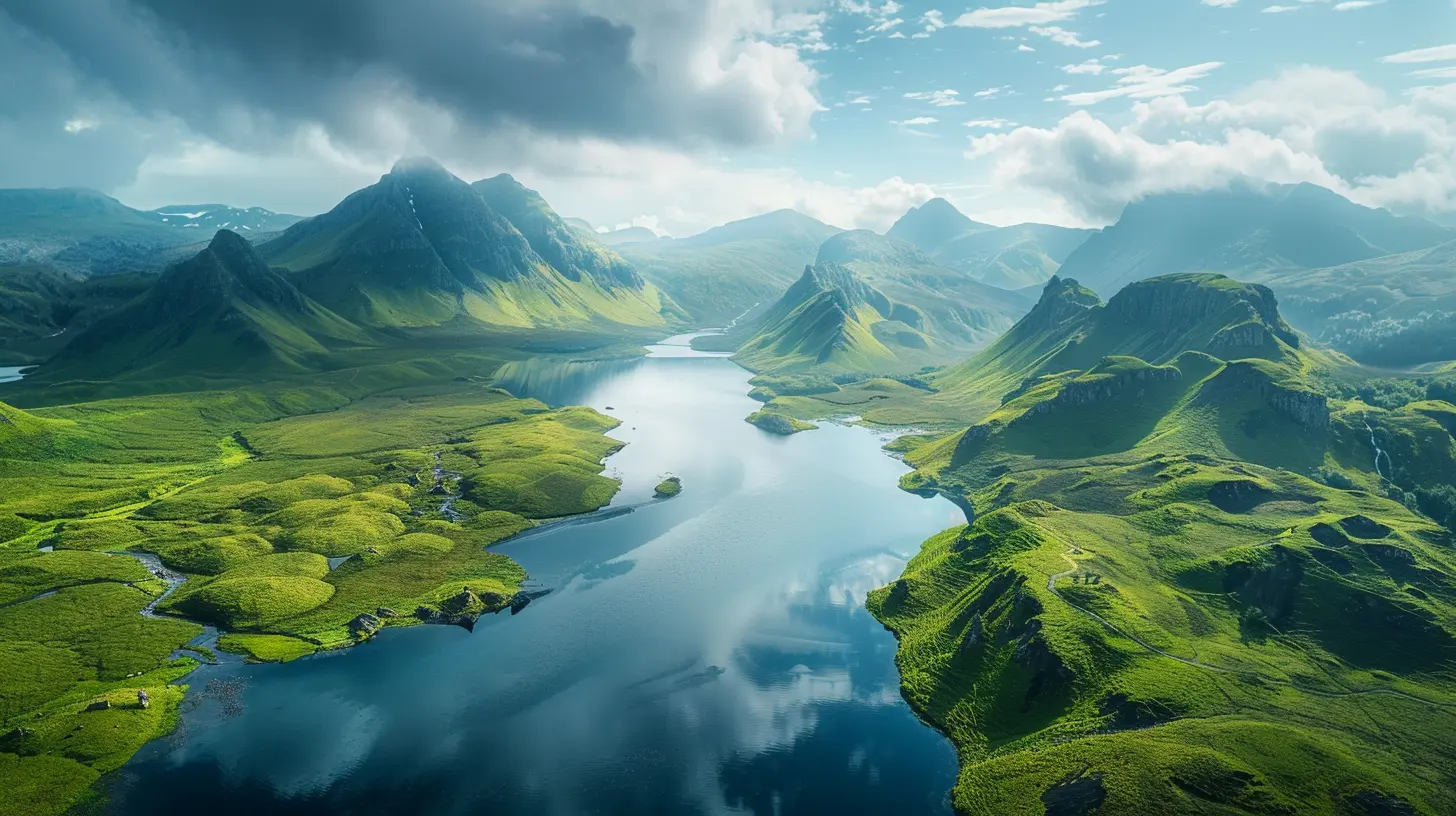
Gear Up: Choosing the Right Drone for Mountain Aerial Photography
Before you even think about grabbing that epic shot, you need the right drone. Not all drones are created equal, especially when you're sending them soaring above rocky ridges and alpine lakes.? 1. Camera Quality is King
Look for drones with at least a 4K camera resolution and a 3-axis gimbal. Why? Because mountain landscapes are packed with detail, and you don’t want those shots coming out blurry or grainy. You want crystal-clear images that do justice to the view.Some top picks include:
- DJI Mavic Air 2 / Air 3: Compact, capable, and fantastic image quality.
- DJI Mavic 3 Pro: Absolute beast for pros with a larger budget.
- Autel EVO Lite+: A competitive option with excellent low-light performance.
?️ 2. Wind Resistance Matters
Mountain winds are no joke. Always check your drone’s wind resistance rating. A drone that can withstand 20-30 kph winds is ideal. Trust me, you don’t want to watch your investment tumble down a canyon.? 3. Battery Life = Flight Time
In high-altitude areas, battery life can drop faster than a skier on a double black diamond. Choose drones with extended flight times (at least 25-30 minutes per battery) and carry spares.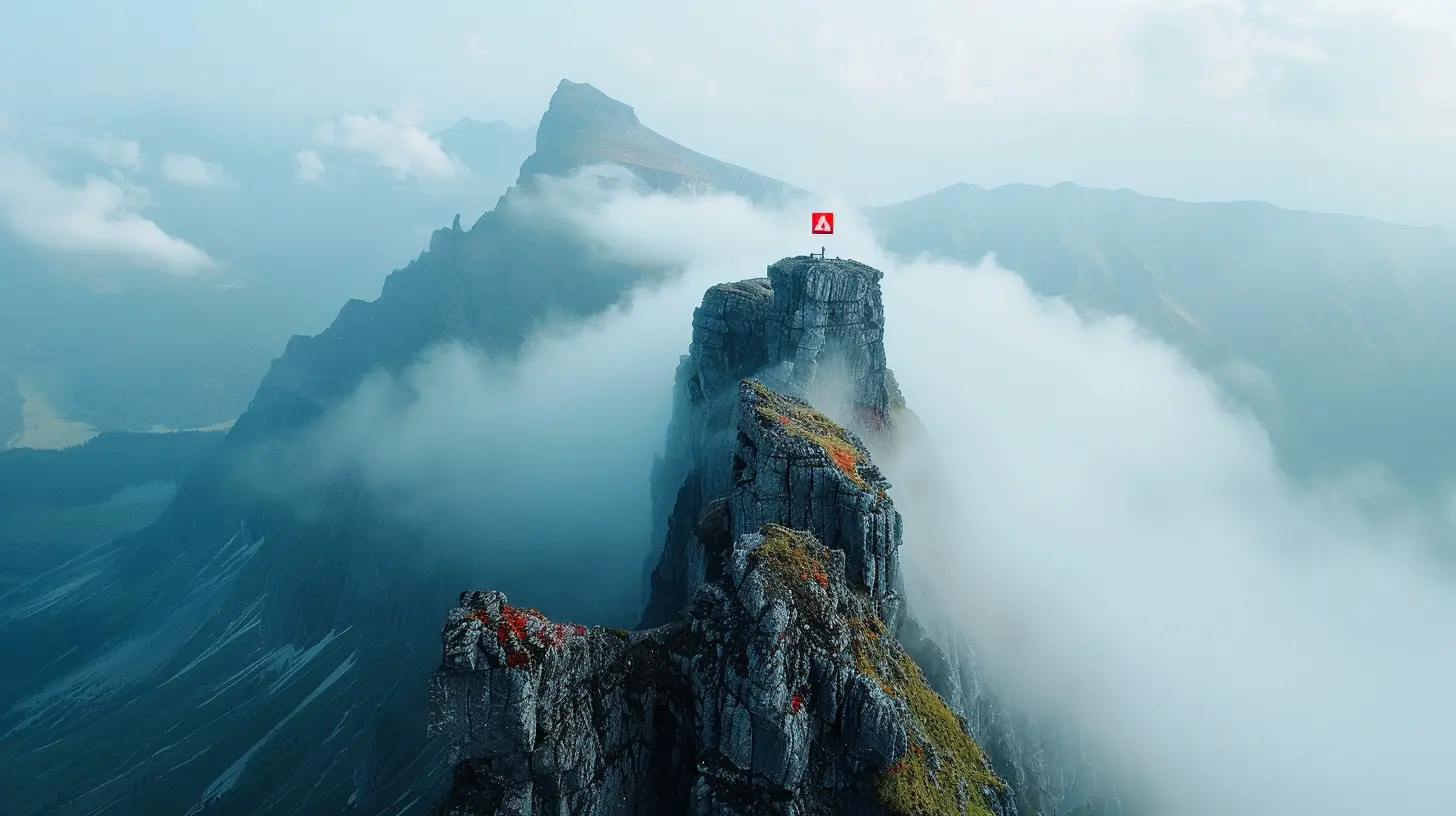
Timing Is Everything: When to Fly for the Best Shots
Ever heard of the golden hour? It’s not just a pretty term—it’s your best friend for aerial mountain photography.? Golden Hour = Golden Shots
The golden hour (shortly after sunrise and before sunset) offers soft, warm light that adds depth and drama to any landscape. Harsh midday light often blows out highlights or creates ugly shadows—not ideal for showing off those majestic peaks.- Morning Flights: Best if you want that dreamy mist clinging to the valleys.
- Evening Flights: Great for photographing backlit peaks with long shadows and rich color.
? Bonus Tip: Try Blue Hour Too
Blue hour is that magical time just before sunrise or after sunset when everything turns a moody bluish hue. It’s perfect for adding a mystical vibe to your shots.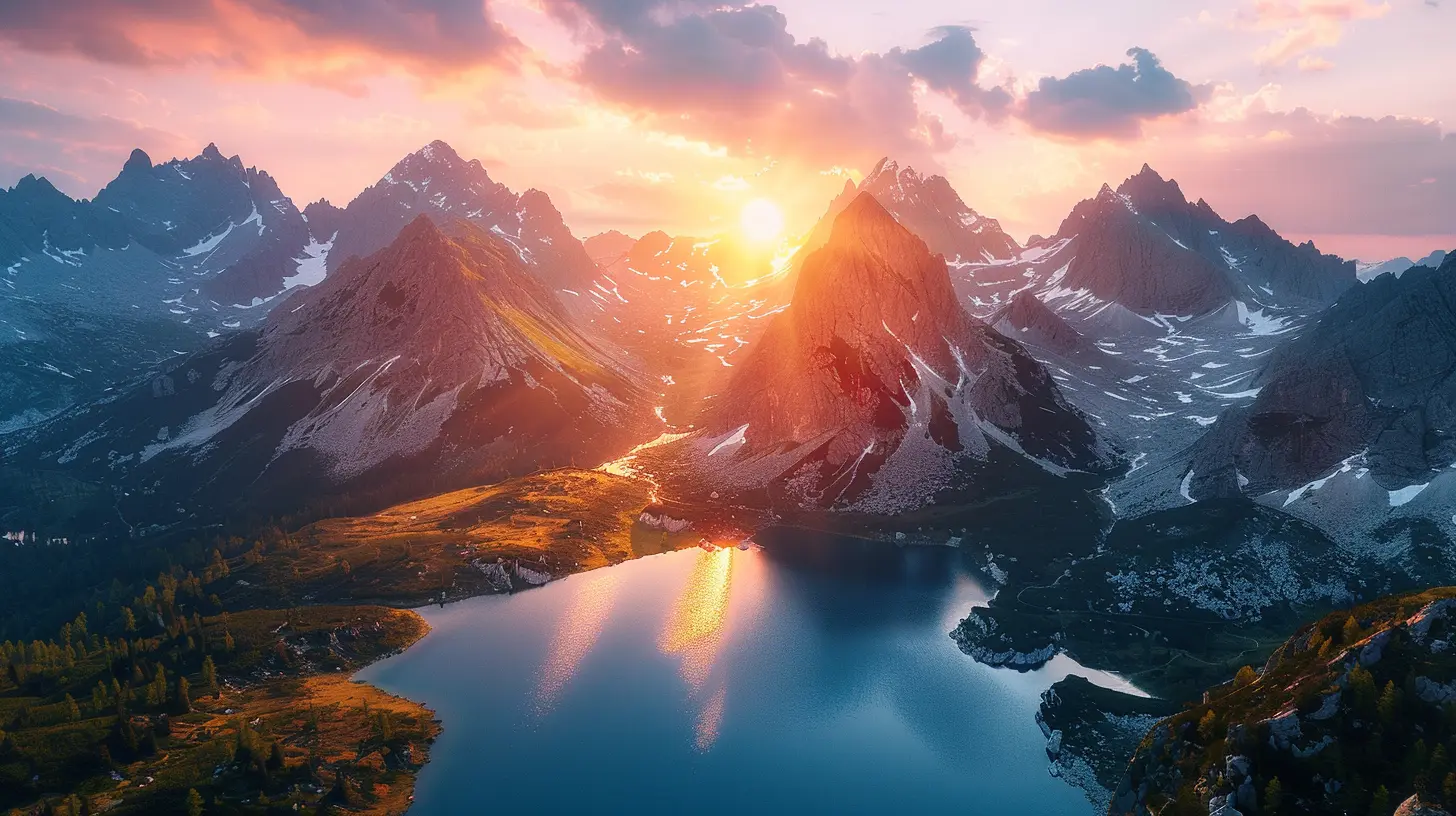
Location, Location, Location: Scouting the Perfect Spot
Photographing mountains from the sky isn’t about just finding the tallest peak. It’s about telling a story with your shot.?️ 1. Use Apps and Maps
Before you go anywhere, scope out your location. Use Google Earth, maps.me, or drone planning apps like DJI Fly or AirMap to scan the terrain.Look for:
- Natural lines (ridges, rivers, trails) to guide the viewer’s eye.
- Open spaces for safe takeoff and landing.
- Interesting geological features like waterfalls, rock formations, or glaciers.
?♂️ 2. Hike to Hidden Gems
Sometimes the most epic views require a bit of effort. Hiking to a less touristy spot not only gives you unique perspectives but also means fewer obstacles like crowds or signal interference.Composition Tips: Framing the Perfect Shot
Got your drone hovering over a mountain range? Cool. Now it’s time to actually capture something worth showing off.? Think Like a Storyteller
Don’t just shoot a mountain—tell its story. Use elements like:- Leading Lines: Trails, rivers, and ridges naturally guide the viewer’s eye.
- Layers: Mountains often line up in layers—foreground, midground, and background. Use this to add depth.
- Framing: Trees, clouds, or rock overhangs can frame your subject and add context.
? Use the Rule of Thirds
Split your screen into thirds (both horizontally and vertically) and place key elements where those lines intersect. This keeps the shot balanced and visually appealing.?️ Play with Atmosphere
Morning mist, drifting fog, or even low clouds can add drama. They soften harsh lines and make your mountains look otherworldly.Technical Settings: Get the Most Out of Your Drone’s Camera
Your drone’s auto mode is decent—but if you want truly stunning shots, take control of the settings.?️ Shoot in RAW
Always shoot in RAW format so you can edit the image without losing quality. JPEGs are fine for snapshots—but for artful shots, RAW is the way to go.⚙️ Manual Camera Settings
- ISO: Keep it low (100-200) to avoid grain.- Shutter Speed: Adjust based on lighting. Slower for low light, faster to freeze motion.
- Aperture: If your drone allows, f/5.6 to f/8 is the sweet spot for sharp landscapes.
- White Balance: Set it manually to match the lighting (sunny, cloudy, etc.).
Editing Magic: Post-Processing for That Wow Factor
The magic doesn’t stop when you land your drone. Some of the best shots only come to life during post-processing.?️ Use Photo Editors Like:
- Lightroom: Great for adjusting exposure, contrast, highlights, and shadows.- Photoshop: More advanced—use it for removing unwanted objects or merging exposures.
- Luminar AI: Beginner-friendly with smart filters for skies, colors, and tones.
? Editing Tips:
- Boost the contrast slightly to make the layers stand out.- Cool down the temperature for a crisp, alpine feel—or warm it up for a sunset glow.
- Use clarity and dehaze to emphasize textures and depth.
Safety First: Be Smart, Not Sorry
Photography is awesome, but nothing’s worth risking your safety—or someone else’s.? Follow Local Regulations
Always check the drone laws in your destination. Some places (like national parks) ban drones entirely. Ignoring this could result in hefty fines or even confiscation.? Respect Nature and Others
Don’t disturb wildlife, don’t fly over people, and definitely don’t be that guy buzzing over a peaceful campsite at sunrise.? Weather Watch
Weather can change in a heartbeat in the mountains. Always check wind speeds, cloud cover, and precipitation before launching your drone.Pro-Level Tricks to Elevate Your Aerial Mountain Shots
Want to stand out from the crowd? Here are some next-level ideas:? Try Cinematic Movements
Instead of static shots, consider sweeping shots that slowly rise over a ridge or glide through a valley. This adds a film-like quality to your content.? Capture 360° Panoramas
Some drones let you stitch panoramic views. These look amazing printed large or shared in interactive formats online.⏳Time It With the Seasons
Autumn = fiery colored forests.Winter = frosty, snow-draped wonderlands.
Spring = wildflowers and waterfalls.
Summer = clear skies and open trails.
Different seasons, different vibes.
Final Thoughts: The Sky Is (Literally) the Limit
Taking stunning aerial shots in mountainous destinations is part art, part science, and all adventure. It’s about blending gear, technique, timing, and a bit of patience to catch that perfect frame. And trust me, when you finally capture that dreamy shot—sunlight streaming through fog onto a ridge, crisp alpine lakes glistening below—it makes every bit of effort worth it.So get out there. Let your drone dance with the wind, chase the light, and turn those rugged mountain moments into art.
Happy flying and even happier shooting!
all images in this post were generated using AI tools
Category:
Photography TipsAuthor:
Shane Monroe