Spectacular Stargazing Locations for Your Next Weekend Adventure
8 January 2026
Ever looked up on a clear night and thought, “Wow, I wish I could see more stars”? You’re not alone. Stargazing is one of those magical experiences that makes you feel small in the best way possible. Whether you’re a seasoned stargazer or just someone who wants to see the Milky Way without squinting through city smog, this guide is for you.
Pack your cozy blankets, grab some snacks, maybe even a telescope, and buckle up. We’re about to take you on a journey through the most spectacular stargazing locations that are perfect for a weekend adventure.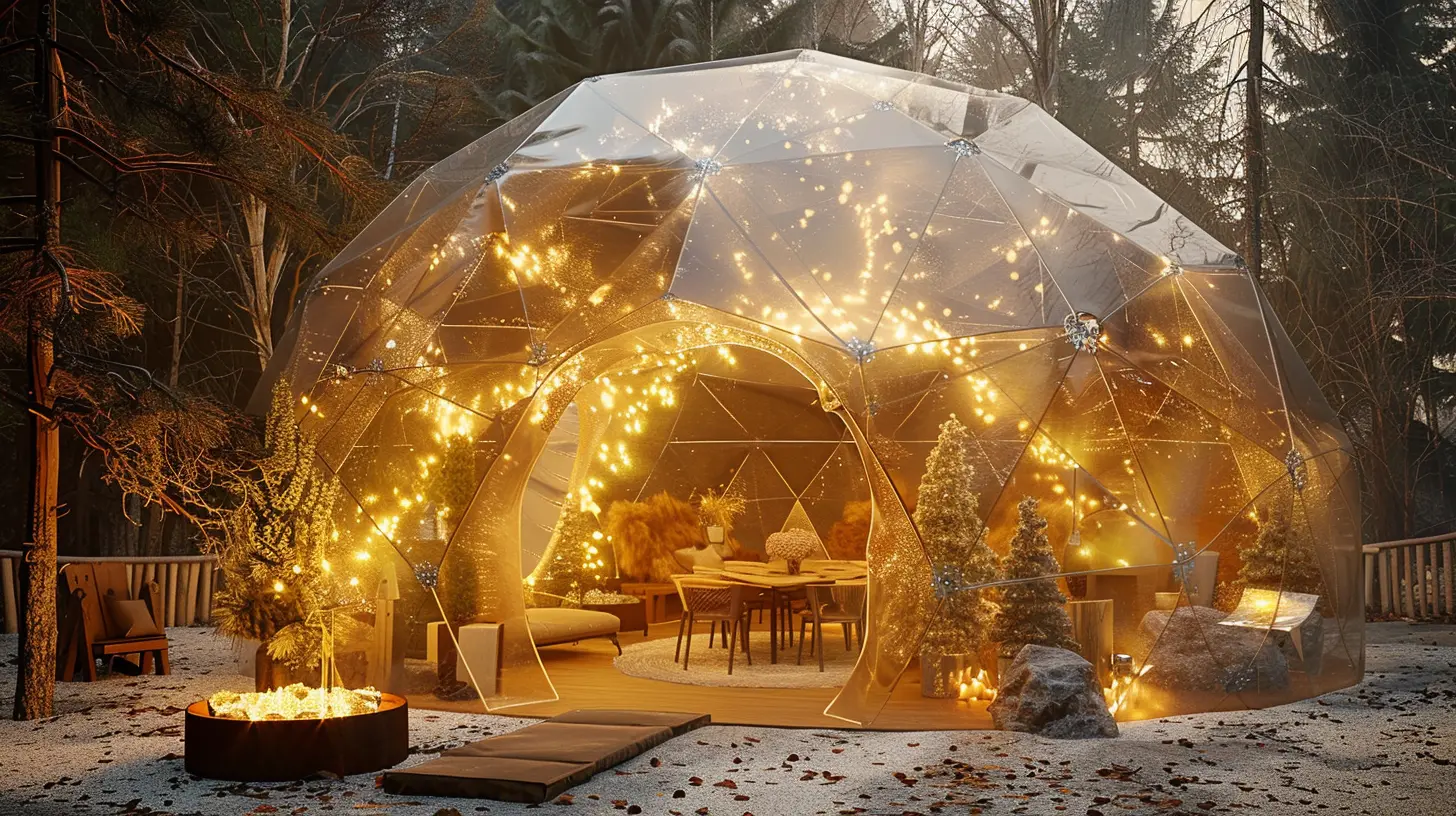
Why Stargazing Is the Best Weekend Escape
Let’s be honest—after a long week of work, school, or just everyday chaos, we all need a breather. What better way to recharge than by turning your eyes skyward? No emails, no screens, no noise—just tranquility and twinkling stars.Stargazing is like nature’s therapy session. You get fresh air, peace, and perspective. Plus, it’s budget-friendly and perfect whether you’re flying solo, bringing your partner, or tagging along with your crew.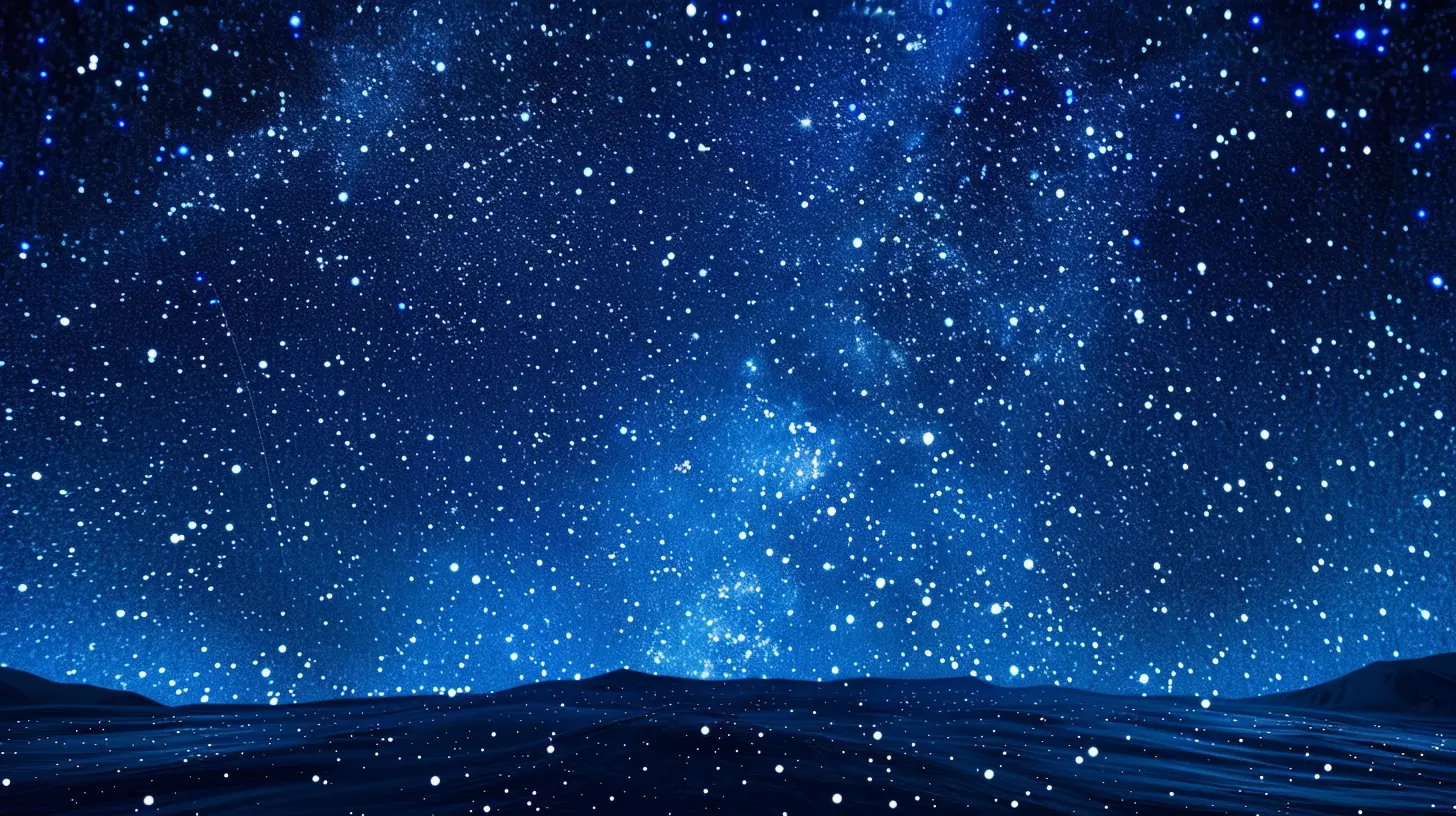
What Makes a Location Perfect for Stargazing?
Before we dive into our list of jaw-dropping locations, let’s talk about what makes a place stargazing-worthy:- Low Light Pollution: City lights drown out the stars. The darker the sky, the better the view.
- High Elevation: The higher you are, the thinner the atmosphere—meaning clearer skies!
- Dry Air: Humidity can fuzz the stars. Dry, clear air is your best friend.
Now, ready to chase some stars?
1. Big Bend National Park, Texas, USA
Ever feel like escaping to the edge of the world? That’s Big Bend for you. Nestled in Southwest Texas, this remote park boasts some of the darkest skies in North America.Why It’s Spectacular:
- It’s an International Dark Sky Park—officially recognized for its stellar stargazing.- You can actually see the Milky Way with the naked eye.
- Nighttime ranger programs bring the cosmos to life.
Insider Tip:
Camp at the Chisos Basin for a panoramic night view, or hike up the Lost Mine Trail just before sunset for the ultimate evening show.
2. Aoraki Mackenzie, New Zealand
Looking to go a little farther? This place is the Southern Hemisphere’s showstopper. The entire Mackenzie region is part of a massive International Dark Sky Reserve.Why It’s Spectacular:
- It's home to the clearest skies down under.- The Southern Cross constellation? Yep, visible here.
- You’ll feel like you’re stargazing in a sci-fi movie.
Bonus Points:
Take a night tour at the Mount John Observatory—it’s like an astronomy masterclass under the stars.3. Mauna Kea, Hawaii, USA
Imagine standing above the clouds, surrounded by dormant volcanoes, gazing at a sky ablaze with stars—it’s not a dream. It’s Mauna Kea.Why It’s Spectacular:
- At 13,796 feet, Mauna Kea is quite literally above the weather.- Some of the world’s most advanced telescopes are here for a reason.
Important Note:
Due to altitude, you need to acclimate before heading up, and it’s best to join a guided tour unless you’re an experienced high-altitude adventurer.4. Jasper National Park, Alberta, Canada
Jasper isn’t just about stunning mountains and lakes. When the sun dips below the Rockies, the magic begins.Why It’s Spectacular:
- It’s one of the largest Dark Sky Preserves in the world.- They host a Dark Sky Festival every October, complete with telescopes, guided sky tours, and astrophotography workshops.
When to Go:
Winter skies are crisp and clear, but fall is festival time. Can’t go wrong either way.5. Atacama Desert, Chile
This one's for the serious stargazers. The Atacama is dry, high, and utterly otherworldly—perfect for cosmic viewing.Why It’s Spectacular:
- Zero light pollution and almost no rainfall.- Home to the ALMA observatory, where scientists study galaxies light-years away.
Best Spot:
San Pedro de Atacama. You can take guided night tours, complete with high-powered telescopes and hot cocoa.6. Brecon Beacons, Wales, UK
Only got a weekend and don’t want to travel far? Our friends across the pond can rejoice—Brecon Beacons is a stargazing gem tucked into the heart of Wales.Why It’s Spectacular:
- It’s an official Dark Sky Reserve.- Gorgeous landscapes by day and sparkly skies by night.
Fun Idea:
Book a cozy cottage or glamping pod. Nothing beats stargazing wrapped in a blanket with a steaming mug of tea.7. NamibRand Nature Reserve, Namibia
Looking for a stargazing experience that’s totally raw and untamed? Set your GPS to Namibia.Why It’s Spectacular:
- Africa’s first International Dark Sky Reserve.- Wild, open landscapes let you see the stars all the way down to the horizon.
Bucket List Moment:
Watch the Milky Way rise over the red sands of the Namib Desert. It’ll give you goosebumps.8. Death Valley National Park, California, USA
Don’t let the name scare you—Death Valley is very much alive with stargazing potential.Why It’s Spectacular:
- It's the largest Dark Sky Park in the U.S.- Miles from civilization, you get darkness like nowhere else.
Best Viewing Spots:
- Mesquite Flat Sand Dunes: Star views + sand dunes = surreal.- Dante’s View: Higher elevation, cooler temps, epic skies.
9. Galloway Forest Park, Scotland
Who’d have thought that a forest in Scotland would be one of the UK’s top stargazing spots? But it is—and it’s glorious.Why It’s Spectacular:
- One of Europe’s first Dark Sky Parks.- You can see over 7,000 stars on a clear night.
What Makes It Fun:
They’ve got night hikes! Step into the forest, headlamp in hand, and be ready for a celestial show.10. Cherry Springs State Park, Pennsylvania, USA
East Coast stargazers, rejoice! You don’t need to drive cross-country to find dark skies.Why It’s Spectacular:
- Arguably the darkest skies east of the Mississippi.- Frequent meteor showers, especially during summertime.
Pro Tip:
Visit during a new moon weekend for the best experience. Bonus: there's a designated "astronomy field" just for night sky lovers.Gear Up: What to Bring for the Best Stargazing Experience
Okay, here’s the fun part: prepping for your starry night.Essentials:
- Blanket or sleeping bag (trust me, the ground gets cold!)
- Binoculars or telescope
- A red flashlight (regular white light messes with your night vision)
- Thermos with something warm
- Star map or stargazing app
- Snacks (because stargazing works up an appetite!)
Set the mood: play soft tunes, light bug-repelling candles, and lean into the magic.
When’s the Best Time to Go Stargazing?
Short answer: during a new moon and when the sky’s clear. Cloudy nights? No thanks.Seasonal Tips:
- Summer: Great for meteor showers and warm nights.
- Fall/Winter: Crisp air = clearer skies.
- Spring: A sweet spot for visibility and comfort.
Check local dark sky calendars or astronomy apps before heading out.
Make It a Weekend to Remember
Stargazing isn’t just about the stars—it’s about the experience. Set up a campfire, tell stories, roast marshmallows, and laugh under the cosmos. Whether you’re whispering to your partner or playing spot-the-constellation with kids, those moments stick.So, where will your next weekend adventure take you?
Final Thoughts
The universe has been putting on a light show every night since forever. All you’ve got to do is show up. So ditch the city lights and head somewhere dark, quiet, and beautiful. These spectacular stargazing locations are waiting for you. Grab your coat, call your favorite people, and let the night sky blow your mind.Trust me, the stars look better in real life than they do in screensavers.
all images in this post were generated using AI tools
Category:
Weekend AdventuresAuthor:

Shane Monroe
Discussion
rate this article
2 comments
Iris Willis
Ready to trade city lights for twinkling stars? Grab your favorite blanket and a hot cocoa, and let the cosmos be your guide! These stargazing spots promise a weekend adventure that's truly out of this world!
February 4, 2026 at 3:31 AM
Shane Monroe
Absolutely! Nothing beats a cozy night under the stars. Enjoy the magic of the cosmos!
Rusty Carter
Get ready for an awe-inspiring weekend! Grab your blanket, find a cozy spot, and let the stars steal your breath away!
January 13, 2026 at 5:41 PM
Shane Monroe
Thank you! I hope readers find the perfect spot to enjoy the stunning night sky! 🌌✨