The Ultimate Guide to Japan's Cherry Blossom Festivals in 2027
8 September 2026
Planning a trip around Japan's cherry blossom season is one of the most rewarding travel decisions you can make, but it is also one of the most logistically demanding. The season is short, the crowds are intense, and the weather is unpredictable. In 2027, you have the advantage of time: you can prepare now, understand how the season actually works, and avoid the mistakes that turn dream trips into stressful sprints. This guide breaks down everything you need to know, from forecasting to festival etiquette, so you can build a realistic itinerary that matches your travel style.
Why 2027 Is Different (and Why It Is Not)
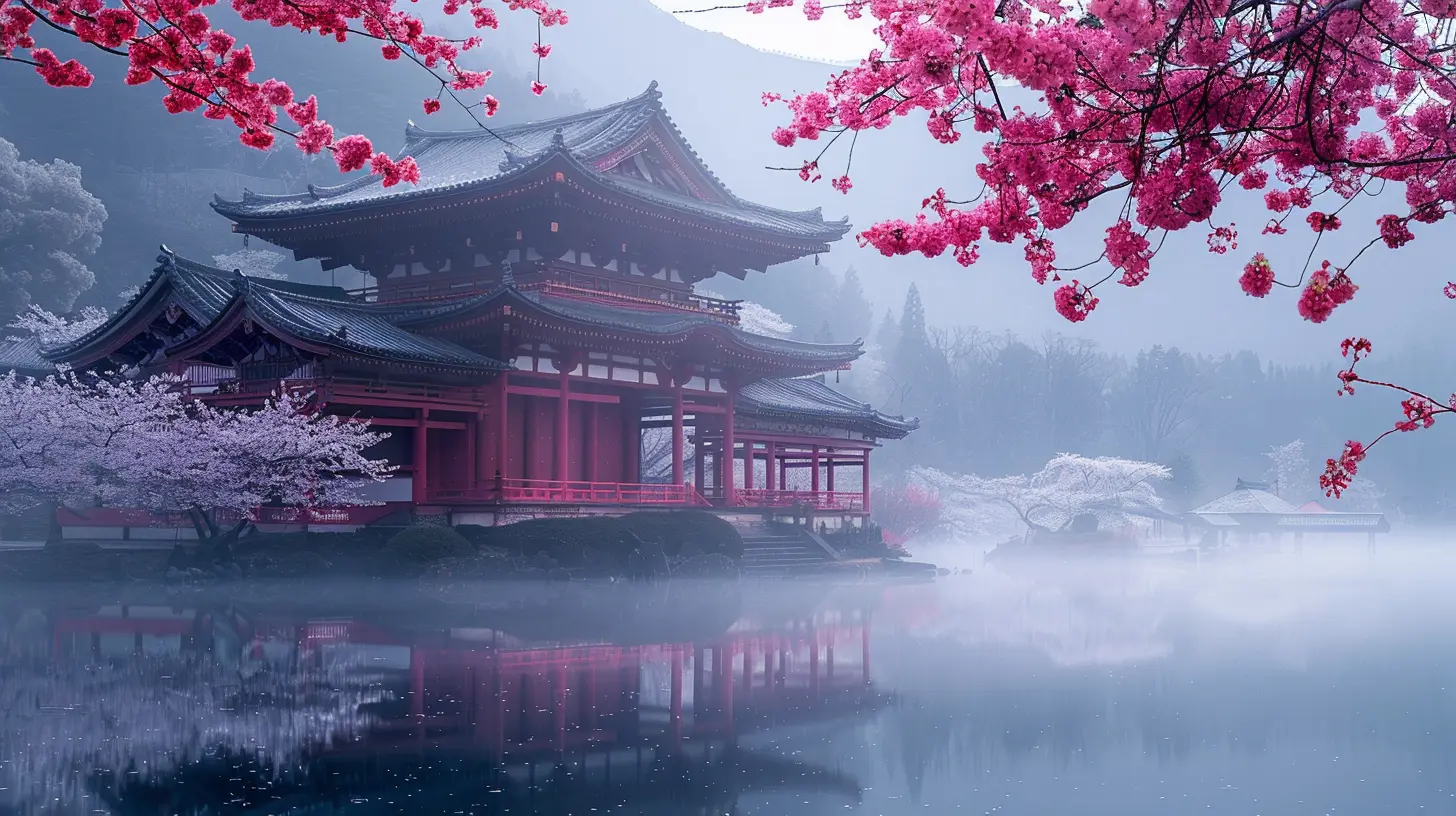
Every year, first-time visitors assume that cherry blossoms bloom on a fixed date, like a national holiday. They do not. The blooming period shifts based on winter temperatures, spring warmth, and regional geography. For 2027, there is no special astronomical event or historical anomaly to predict. The season will follow the same biological rules as always, which means your planning should focus on flexibility, not on locking in exact dates months ahead.The real difference in 2027 is the post-pandemic travel boom. Japan has seen record visitor numbers since borders fully reopened, and that trend shows no sign of reversing. You will be competing for hotels, train seats, and prime viewing spots with travelers from all over the world, plus the entire domestic population, who treat hanami (flower viewing) as a serious cultural ritual. The key is not to avoid crowds entirely, because that is nearly impossible during peak bloom, but to choose your battles wisely.
The Science of the Bloom: How to Read Forecasts Like a Local
Japanese meteorological agencies release cherry blossom forecasts starting in January. They predict two dates for each region: the opening date (kaika) and the full bloom date (mankai). The opening date is when the first flowers on a reference tree, usually a Somei Yoshino variety, show five or six blossoms. Full bloom is when at least 80 percent of the flowers on that tree are open.Do not book your flights based on the opening date. The opening is a trickle. The spectacle you see in photographs, the dense pink clouds that look like cotton candy, happens about seven to ten days after opening. The peak window, where the trees are at their absolute best, lasts only three to five days before petals start falling like snow.
Here is the practical takeaway: when the forecast says Tokyo opens on March 25, you want to be in Tokyo around April 1. When Kyoto opens on March 28, plan for April 3. But forecasts made in January have an error margin of plus or minus five days. Forecasts made ten days before the season are much more accurate. So your strategy should be to keep your itinerary loose until mid-March, then commit based on the updated forecasts.
The Golden Route: Tokyo, Kyoto, and Osaka Without the Panic
The classic Tokyo to Kyoto route is the most popular way to see cherry blossoms, and it works well if you accept its limitations. Tokyo's urban energy mixes with parks and riverbanks, while Kyoto offers temples, gardens, and a more traditional atmosphere. Osaka sits in between as a practical base and has its own solid spots.Tokyo: The Urban Bloom
Tokyo's best asset is sheer variety. You can see blossoms framing skyscrapers, along moats, and in massive parks. The most famous spots are Chidorigafuchi, where you can row a boat under a tunnel of trees, and Ueno Park, which is packed with thousands of people but has a carnival-like energy that some visitors love.For a better experience, skip Ueno's main path and head to the northern end near the museum. Or go to Shinjuku Gyoen, which charges a small entry fee and keeps the crowds manageable. The park has over a thousand cherry trees across different varieties, which means the bloom period stretches longer than at single-species locations.
Meguro River is a different beast. The trees line the canal for several kilometers, and at night the lanterns create a magical reflection. But the walkway is narrow, and on peak days it becomes a slow-moving human river. Go early in the morning, around 7 a.m., to experience it without the crush.
Kyoto: The Temple Framing
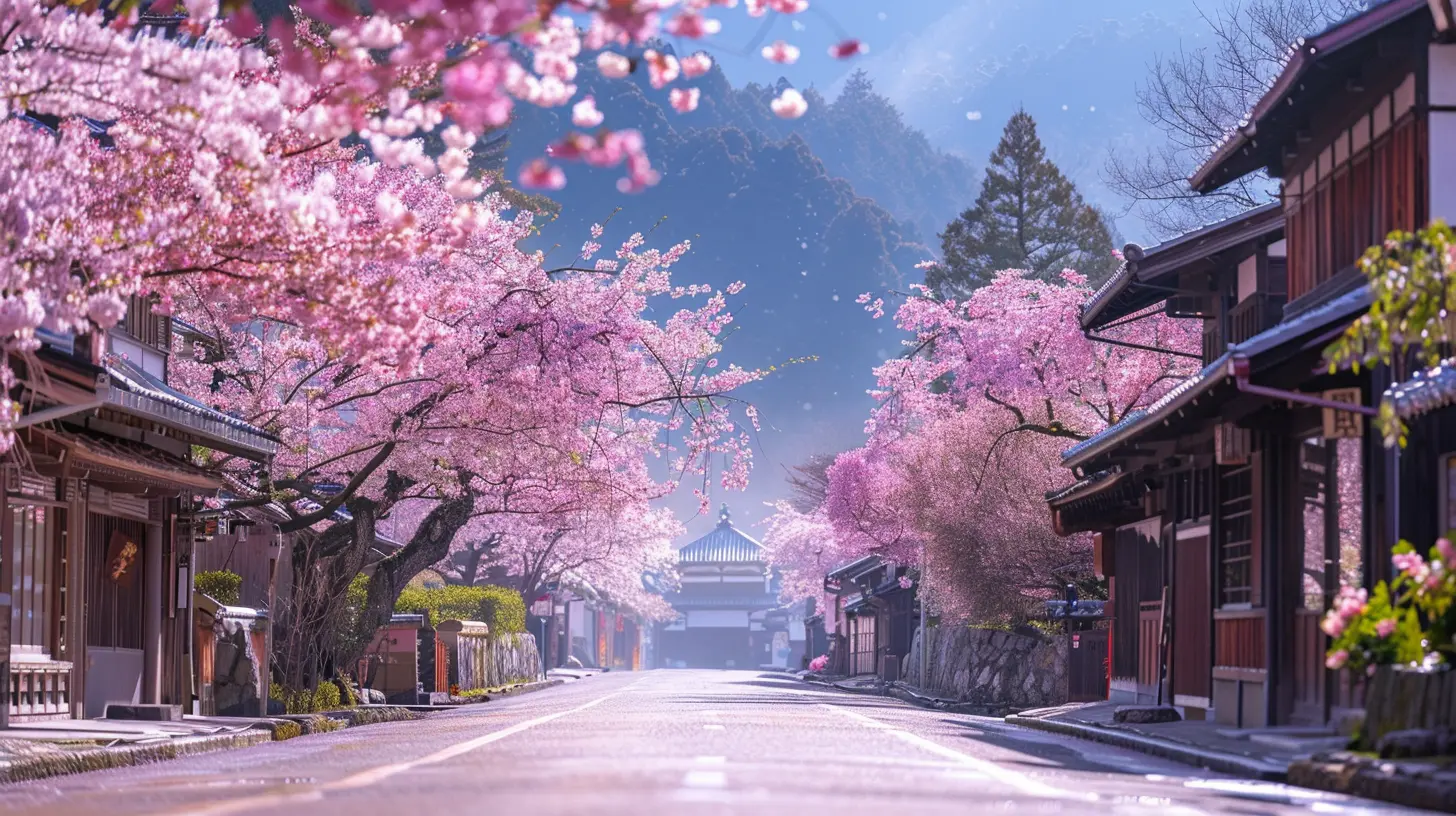
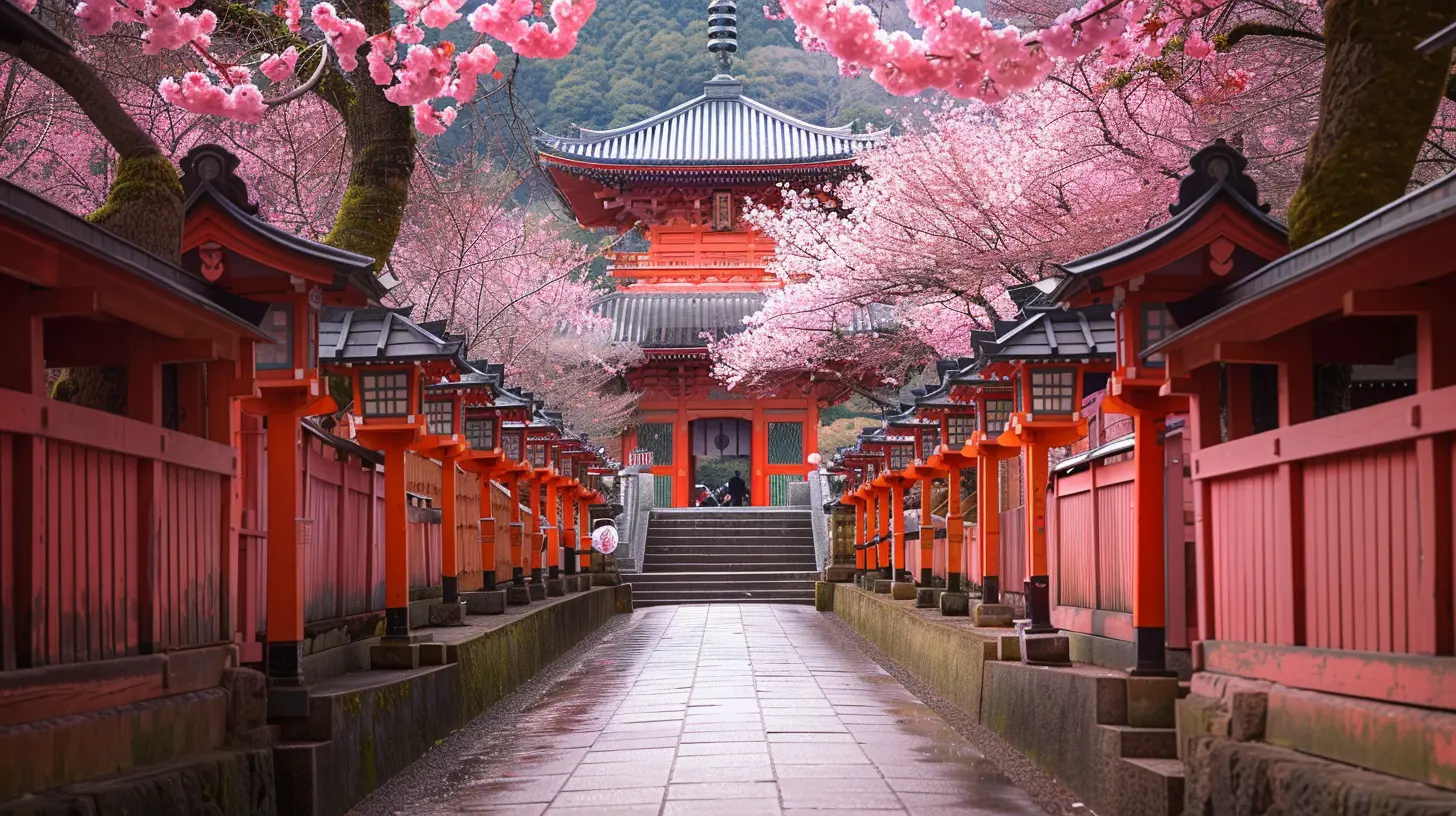
Kyoto is where cherry blossoms meet Japanese aesthetics. The combination of pink flowers with pagodas, stone gardens, and wooden bridges is unmatched. But Kyoto's geography works against you. The city is a basin, and its famous spots are spread out. You will spend significant time on buses or trains.Philosopher's Path is a two-kilometer walk along a canal lined with trees. It connects several temples and is best in the late afternoon when the light turns golden. But it is also narrow and heavily trafficked. Go early or accept the crowds.
Maruyama Park has the famous weeping cherry tree that is illuminated at night. The tree is a showstopper, but the park itself is small. You will find better value at the Imperial Palace gardens, which are free, spacious, and less crowded because they lack the Instagram fame of other sites.
A common mistake is trying to see ten temples in one day during cherry blossom season. Each spot requires walking, queuing, and patience. Pick three or four locations per day and spend real time at each. You will see more by seeing less.
Osaka: The Practical Alternative
Osaka is often treated as a day-trip afterthought, but it has excellent viewing spots with a fraction of Kyoto's crowds. Kema Sakuranomiya Park stretches for kilometers along the Okawa River with over five thousand trees. The path is wide, the atmosphere is relaxed, and locals bring picnic blankets and barbecue grills (though grilling is actually prohibited, so they bring prepared food).Osaka Castle Park offers a mix of history and blossoms. The castle is a reconstruction, which annoys purists, but the surrounding grounds are beautiful. The Nishinomaru Garden inside the park has a lawn area where you can sit directly under the trees, something that is rare in Japan.
The real advantage of Osaka is its food scene. After a day of walking, you can eat at street stalls in Dotonbori without the tourist markup of Kyoto's restaurant district. For budget travelers, Osaka's hotels are also significantly cheaper than Tokyo or Kyoto.
The Hidden Gems: Regional Spots That Beat the Crowds
The Golden Route is great for first-timers, but the cherry blossom season extends across the country. If you have more than ten days, or if you want a deeper experience, consider these alternatives.Kanazawa: The Garden City
Kanazawa is often called little Kyoto, but it has far fewer tourists. Kenrokuen Garden is one of Japan's three great gardens, and its cherry blossoms are spectacular. The garden is well designed, with water features, teahouses, and walking paths that absorb crowds effectively.The city also has the Higashi Chaya district, a preserved geisha area with traditional buildings. The combination of garden and historic streets makes Kanazawa a two-day destination that feels more intimate than Kyoto. The downside is access: it is on the Hokuriku Shinkansen line, which is less frequent than the Tokaido line that serves Tokyo and Kyoto.
Hiroshima and Miyajima: History and Coastal Beauty
Hiroshima Peace Memorial Park has a somber beauty that makes the cherry blossoms feel more meaningful. The trees line the river where the city was rebuilt, symbolizing resilience. Nearby Miyajima Island has deer, a floating torii gate, and cherry trees that bloom slightly later than the mainland.The practical benefit of Hiroshima is that it is far less crowded than the Golden Route. You can find quiet spots, and the local okonomiyaki is a delicious change from sushi and ramen. The city also makes a good base for visiting nearby Onomichi, a hillside town with a famous temple walk.
Matsumoto: The Alpine Castle
Matsumoto Castle is one of Japan's original castles, not a reconstruction, and it is surrounded by cherry trees. The contrast between the black castle walls and pink blossoms is striking. The town itself is small and walkable, and the Japan Alps provide a dramatic backdrop.The trade-off is that Matsumoto is on a different train line, requiring a detour from the main route. But if you are heading to the Japanese Alps for hiking or to see the snow monkeys in Yamanouchi, it fits naturally into a longer itinerary.
Practical Timing: The Northbound Strategy
Here is a professional trick that most guides ignore: you can extend your cherry blossom season by traveling north. The bloom moves from south to north over several weeks. Tokyo peaks in late March, while Aomori peaks in late April, and Hokkaido peaks in early May.If you start in Tokyo and move north by train, you can chase the front of the bloom and see blossoms for two to three weeks instead of one. This requires a flexible itinerary and a willingness to travel, but it is the single best way to maximize your hanami experience.
The Japan Rail Pass makes this strategy affordable, but you need to book it before you arrive because prices increased in recent years and the pass can only be purchased overseas. Alternatively, regional passes for the Tohoku area or Hokkaido offer good value if you are staying in one region.
Festival Etiquette: How to Act Without Offending Anyone
Hanami is not just about looking at flowers. It is a social activity where people gather under the trees, eat, drink, and sometimes stay for hours. If you want to participate, you need to understand the unwritten rules.- Do not reserve a spot under a tree unless you are actually there. People spread tarps and leave one person to guard the spot. If you see an empty tarp with no people, it is reserved. Do not sit on it.
- Do not damage the trees. Do not pull branches down for photos, do not climb trees, and do not shake them to make petals fall. This is both disrespectful and illegal in some parks.
- Take your trash with you. Parks have limited bins, and during peak season they overflow quickly. Carry a small bag for your own waste.
- Drinking alcohol is legal and common, but public intoxication is frowned upon. Keep it moderate.
- If you take photos, be aware of your surroundings. Do not block walkways, do not step on other people's tarps, and do not use selfie sticks in crowded areas.
These rules are simple, but visitors break them constantly, and locals notice. Following them will make your experience smoother and more welcomed.
What to Pack for the Season
Cherry blossom season is colder than most tourists expect. The average temperature in Tokyo in late March is around 13 degrees Celsius (55 degrees Fahrenheit), but it can drop to near freezing at night. Kyoto is similar, and northern regions are colder.Pack layers. A light down jacket, a fleece, and a windbreaker will serve you better than a single heavy coat. Comfortable walking shoes are non-negotiable; you will walk far more than you think. You should also bring:
- A portable phone charger. You will use your phone for maps, photos, and translation constantly.
- A small picnic blanket. Parks are often wet or dirty, and a tarp keeps you comfortable.
- Hand warmers. These are cheap, available at convenience stores, and essential for evening viewings.
- Cash. Many smaller food stalls and temple entrances do not accept credit cards.
- A reusable water bottle. Staying hydrated is easy because Japan has public water fountains and vending machines everywhere.
Leave behind high heels, large suitcases (use coin lockers at stations instead), and anything you would be upset to lose in a crowd.
The Night Illuminations: Worth It or Overrated?
Many major spots offer yozakura, or night viewings, where trees are lit up after dark. The atmosphere is completely different from daytime. The lights create a dramatic, almost theatrical effect, and the crowds are often smaller because families with young children leave early.Illuminations are worth it at places like Chidorigafuchi, where the lights reflect off the water, or at Maruyama Park in Kyoto, where the weeping cherry is bathed in light. But they are not worth it everywhere. Some venues simply string up cheap lights without any design thought, and the result is disappointing.
Check whether the illumination is organized by the city or a temple. Organized events usually have better lighting design and facilities. Also note that many illuminations require a separate entry fee, and some temples close their gardens during setup, so check the schedule in advance.
Common Misconceptions and Mistakes
Misconception: The Forecast Is Accurate Weeks in Advance
The forecast is an estimate, not a guarantee. Weather can change rapidly, and a cold snap can delay blooming by a week. You must build buffer time into your itinerary. If you have only five days in Tokyo, you are gambling. If you have ten days across multiple cities, you have a much better chance of catching peak bloom somewhere.Misconception: You Must See the Somei Yoshino Variety
Somei Yoshino is the most common and iconic variety, but it is not the only one. Other varieties bloom earlier or later, have different colors and shapes, and can extend your viewing window. For example, Kawazu-zakura blooms in February and is deep pink, while Yae-zakura blooms later and has layered petals that look like small roses.If you visit a garden like Shinjuku Gyoen, you can see many varieties. This is a smart choice if your dates are fixed and you cannot adjust to the forecast.
Mistake: Booking a Hotel Far From the Action
During cherry blossom season, you will want to rest between viewings. If your hotel is an hour away, you will waste time and energy commuting. Pay more for a central location. The extra cost is worth it because you can return to your room for a break, drop off layers, and head back out for evening illuminations.Mistake: Trying to Do Too Much
A common itinerary mistake is scheduling Kyoto, Nara, Osaka, and Hiroshima all in one week. This is physically exhausting and counterproductive. You will spend more time on trains than under trees. Instead, choose two bases and take day trips from them. A week split between Tokyo and Kyoto is realistic and rewarding.
Budgeting for 2027
Japan is not a budget destination, and cherry blossom season commands a premium. Accommodation prices can double or triple compared to low season. You should book hotels as early as six to eight months in advance if you want reasonable rates.Transportation costs are significant. A seven-day Japan Rail Pass covers the Shinkansen and most local trains, but it does not cover the fastest Nozomi trains. You can still take Hikari or Kodama trains, which are slightly slower but perfectly comfortable. If you plan to stay in one city, skip the rail pass and buy individual tickets.
Food is surprisingly affordable if you eat at convenience stores, ramen shops, and department store basements. A meal at a mid-range restaurant costs about 2,000 to 3,500 yen (roughly 15 to 25 dollars). High-end kaiseki dinners can easily exceed 15,000 yen per person. Budget for at least one splurge meal, but do not feel obligated to eat expensively every night.
Sample Itineraries for Different Travel Styles
The First-Timer: 7 Days in Tokyo and Kyoto
Day 1: Arrive in Tokyo, settle in, walk around Shinjuku Gyoen.Day 2: Chidorigafuchi boat ride, then Imperial Palace gardens.
Day 3: Day trip to Kamakura for the Great Buddha and smaller crowds.
Day 4: Shinkansen to Kyoto, afternoon at Maruyama Park.
Day 5: Philosopher's Path and Ginkakuji temple.
Day 6: Fushimi Inari Shrine early morning, then Nishiki Market for lunch.
Day 7: Depart from Osaka or Tokyo depending on your flight.
The Blossom Chaser: 14 Days From Tokyo to Aomori
Days 1 to 4: Tokyo as above.Days 5 to 7: Kyoto and Osaka.
Day 8: Shinkansen to Sendai, visit Matsushima Bay.
Days 9 to 11: Base in Aomori, visit Hirosaki Park, which has one of Japan's best blossom displays.
Days 12 to 13: Return to Tokyo for shopping and departure.
Day 14: Fly home.
This itinerary gives you two chances to catch peak bloom: once in the south and once in the north.
The Offbeat Explorer: 10 Days in Kanazawa and Hiroshima
Days 1 to 3: Kanazawa, Kenrokuen Garden, Higashi Chaya.Day 4: Shinkansen to Osaka, transfer to Hiroshima.
Days 5 to 7: Hiroshima Peace Park, Miyajima Island.
Days 8 to 9: Onomichi temple walk, return to Osaka for a night.
Day 10: Depart.
This route avoids the worst crowds and offers a more relaxed pace.
The Final Word on 2027
Cherry blossom season in Japan is a natural phenomenon, not a manufactured event. It rewards patience, flexibility, and preparation. The travelers who have the best experiences are those who understand that the forecast is a guide, not a promise, and who plan their itineraries with enough slack to adapt.Start booking your accommodation now. Set alerts for the January forecast releases. Keep your schedule loose. And when you find yourself standing under a full canopy of pink blossoms, with the sun filtering through the petals and the air smelling faintly sweet, you will understand why people return year after year. That moment is worth every bit of planning.
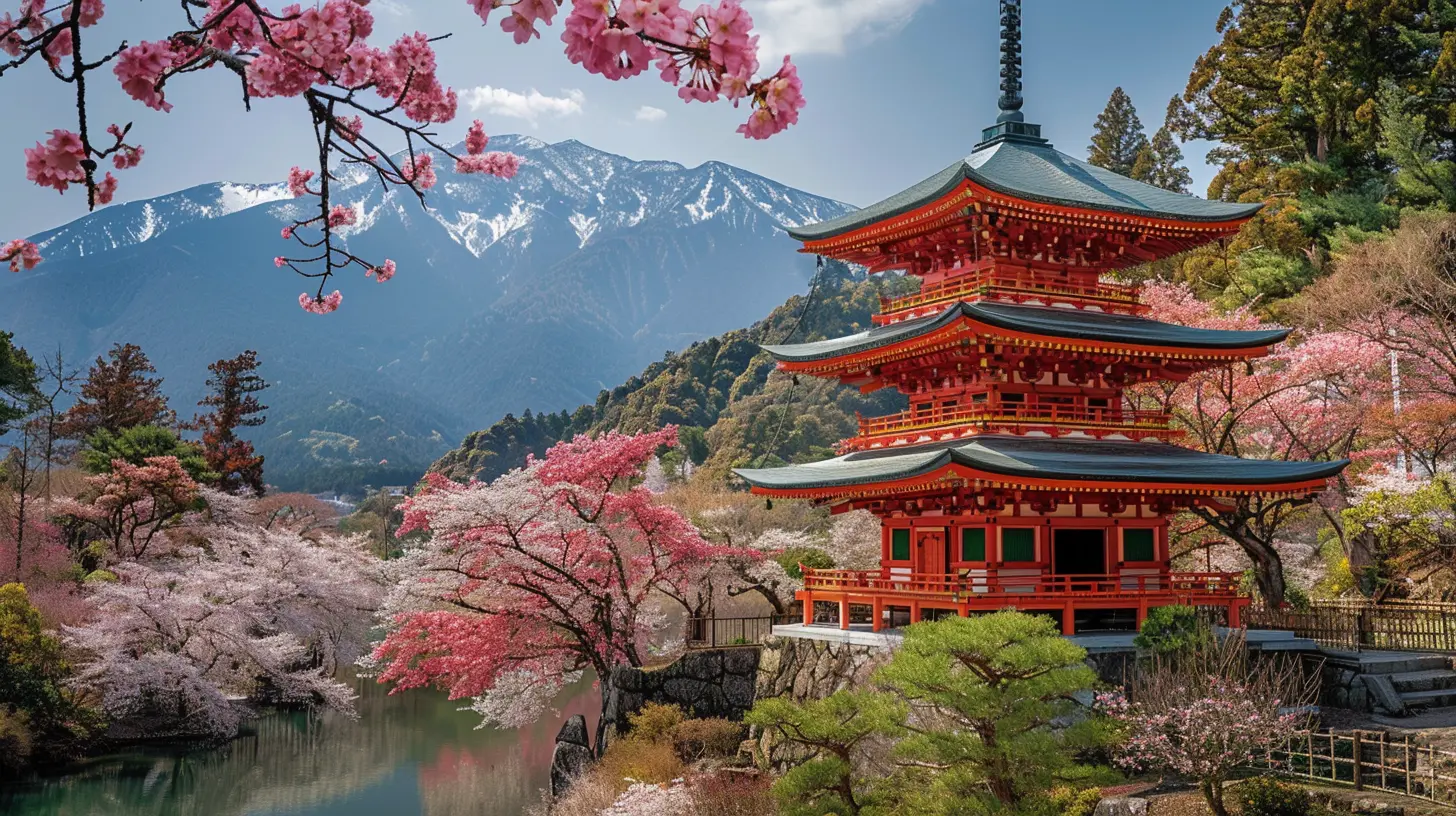
all images in this post were generated using AI tools
Category:
Cultural ToursAuthor:

Shane Monroe
Discussion
rate this article
2 comments
Kristina Heath
Experience the breathtaking beauty of Japan's cherry blossoms in 2027. Embrace the culture, the colors, and unforgettable memories waiting for you!
September 28, 2026 at 9:37 PM
Shane Monroe
I can't wait for everyone to enjoy the stunning cherry blossoms and rich culture that awaits in 2027!
Kane Scott
This guide offers a fantastic overview of Japan's cherry blossom festivals in 2027. It highlights key locations and events, making it a great resource for anyone planning to experience this beautiful season. A must-read for travelers!
September 12, 2026 at 2:25 PM
Shane Monroe
Thank you for the kind words! I'm glad you found the guide helpful for planning. Enjoy the beauty of the cherry blossoms in 2027!