Timing Your Adventure: When to Visit the Australian Outback
6 April 2026
When you picture the Australian Outback, what comes to mind? A place of red dust stretching endlessly under a blazing sun? Kangaroos hopping across scrubland? Maybe a dramatic desert thunderstorm or a starlit sky so clear you could count galaxies? You're not alone. The Outback is one of the most iconic landscapes on Earth. But trust me, it’s not the kind of destination you can visit on a whim.
If you want to make the most of your adventure—and avoid melting into the red sand—you need to get the timing just right. So grab a cuppa, kick back, and let’s chat about the best time to visit the Australian Outback.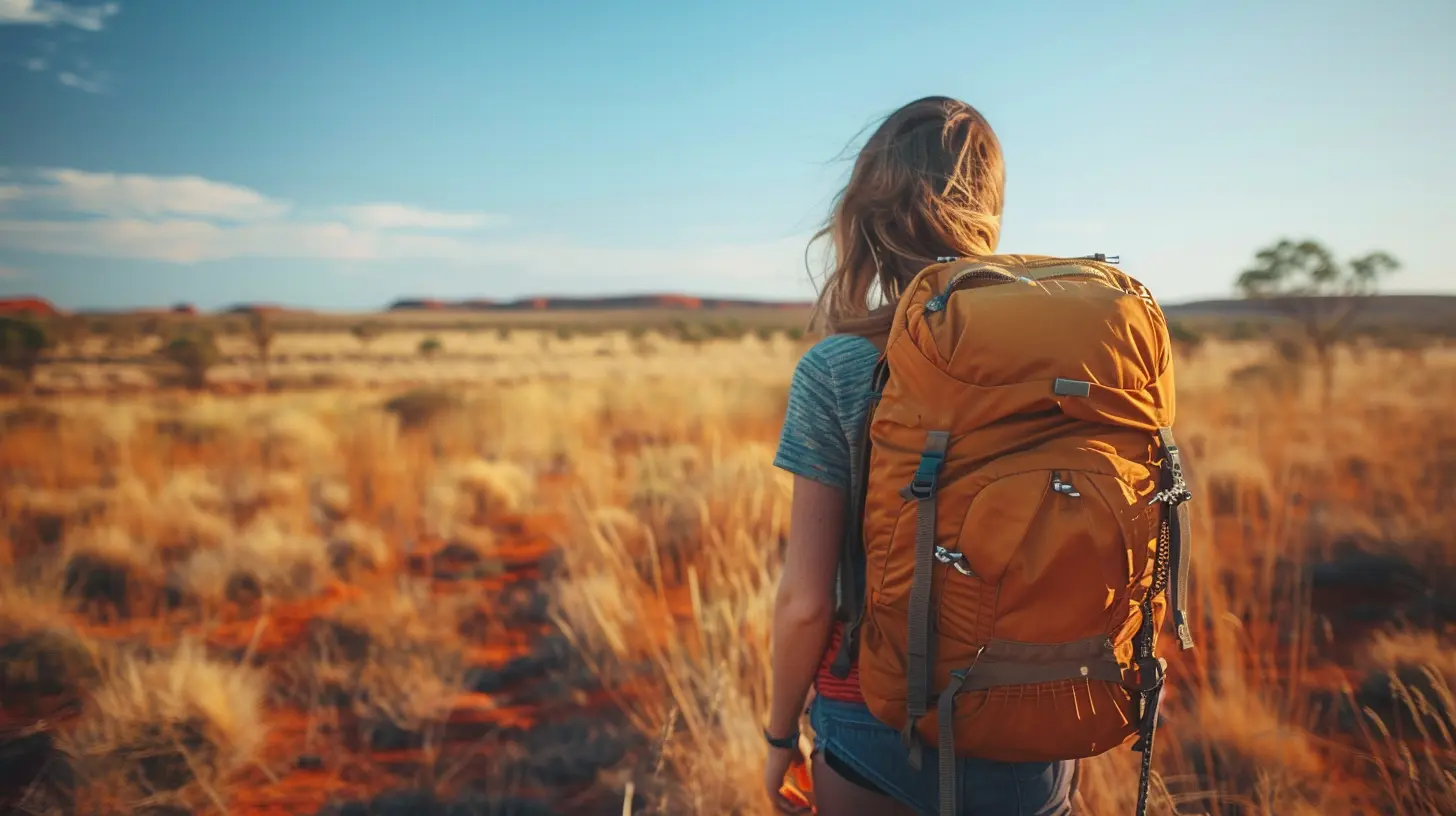
What Exactly Is the Australian Outback?
Before we dive into timing, let's get one thing straight: the Outback isn’t a specific place on the map. It’s more of an idea—a massive, remote, and mostly arid region that covers much of Australia's interior. Think deserts like the Simpson and Great Victoria, iconic landmarks like Uluru and Kata Tjuta, and quirky towns like Coober Pedy and Alice Springs.It’s remote. It’s wild. And it’s not very forgiving if you’re unprepared.
The Climate Puzzle: Understanding the Outback's Weather
Here’s the deal—the Outback doesn’t do “four seasons” like other parts of the world. It’s more like two moods:🔥 Scorching Hot
🌧️ Unpredictably Wet
And then there are the in-betweens, which I like to call the golden windows. These transition seasons—spring and autumn—are arguably the Outback’s best-kept secrets.
Let’s Break It Down: Season by Season
Summer (December to February) – Not for the Faint-Hearted
Have you ever stepped into an oven? That's summer in the Outback.Temperatures regularly soar above 40°C (104°F), and the sun? It does not play around. Even the locals tend to stay indoors during the peak heat.
Pros:
- Fewer tourists (if you’re into that whole solitude thing)
- Some epic lightning storms for photography buffs
Cons:
- Heat is intense and potentially dangerous
- Limited accessibility; some roads may be closed due to flash flooding
- Wildlife tends to hide out in the shade—as you should, too
Verdict: Unless you’ve got a solid heat tolerance and a serious survival kit, skip it.
Autumn (March to May) – A Breath of Fresh Air
Now we’re talking.Autumn smooths the edges off summer’s harsh heat. You’ll get warm days and cooler nights, which is downright perfect for camping, hiking, and exploring gorges without sweating through your boots.
Pros:
- More comfortable daytime temps (~25–35°C)
- Great visibility for star-gazing
- Waterholes still filled from the wet season
Cons:
- Some remote roads may still be muddy or closed
- Insects can still be a bit annoying (hello, flies!)
Verdict: A sweet spot for adventures. Autumn offers balance and beauty.
Winter (June to August) – Chill Vibes and Campfires
Think the Outback is always hot? Guess again. Winter brings a surprising chill, especially at night—temperatures can drop close to freezing!During the day, though, you’re looking at mild temps (around 20–25°C), which means you can walk, hike, and explore without breaking a sweat.
Pros:
- Ideal for hiking and outdoor activities
- Fewer bugs and less wildlife-related irritation
- Great for stargazing—clear skies and cool air
Cons:
- Cold nights (pack a warm jacket and thermal sleeping bag)
- Can get busy with travelers taking advantage of the cooler weather
Verdict: Winter is prime time for Outback exploration. If you don’t mind layering up at night, this is arguably the best time to go.
Spring (September to November) – Bursting Back to Life
Spring in the Outback is like watching the desert take a deep breath and come alive again. Wildflowers dot the landscape, animals become more active, and the temperature starts to climb—but not yet to summer extremes.Pros:
- Colorful landscapes with desert wildflowers
- Warm (but not unbearable) daytime temps
- Active wildlife spotting galore
Cons:
- Can get windy
- Flies start to make their grand return
Verdict: Another golden window. If you want a sensory overload—in a good way—spring is your season.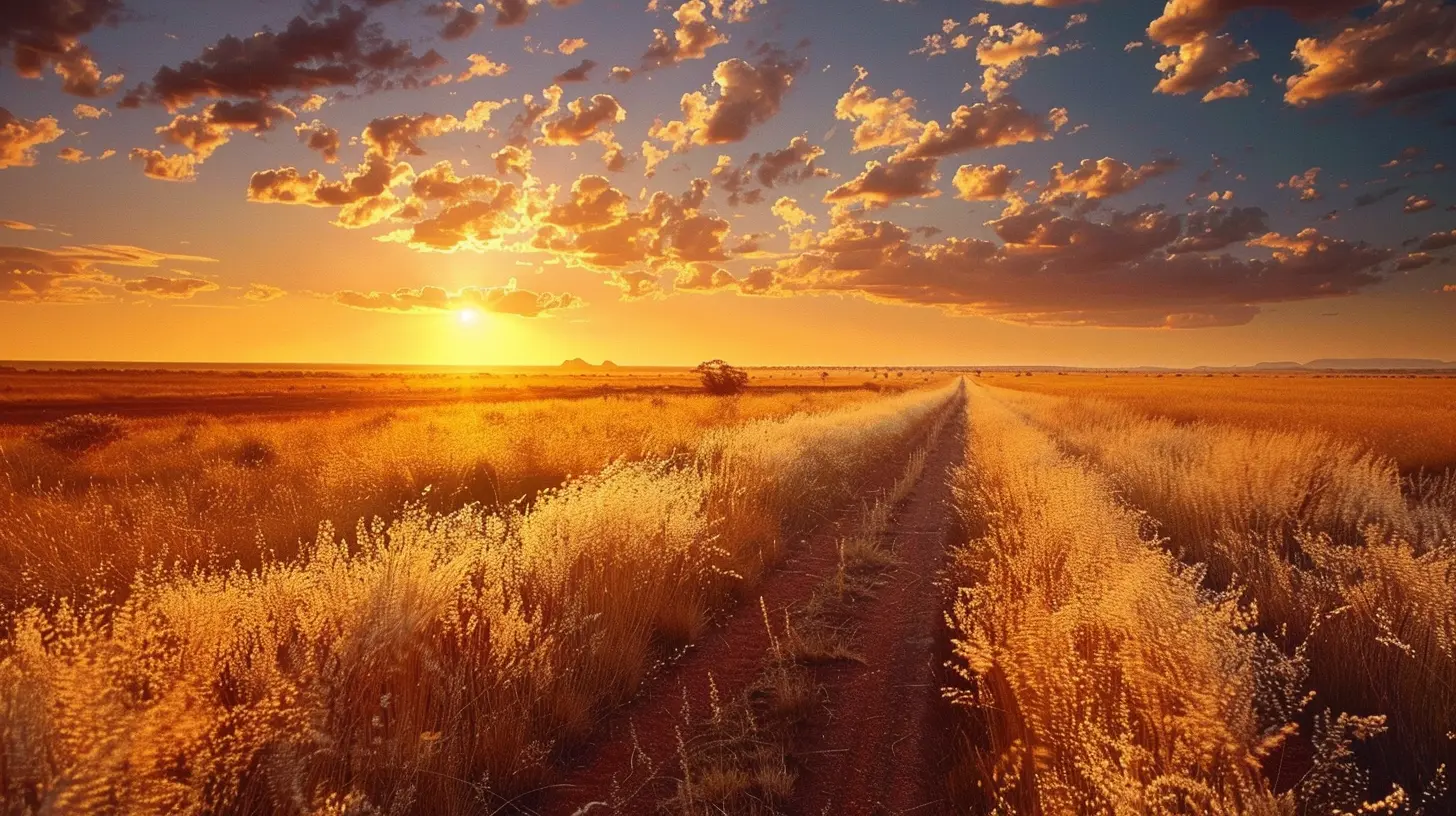
Special Events Worth Timing Your Trip For
Camel Cup – Alice Springs (July)
A quirky, hilarious camel race that’s part rodeo, part backyard BBQ. You haven’t really experienced the Outback until you’ve watched a camel sprint with zero coordination.Henley-on-Todd Regatta (August)
Imagine a boat race... without water. That’s right. People carry makeshift boats and run through dry sand. It’s weird, it’s wonderful—it’s the Outback in a nutshell.Desert Festival – Alice Springs (September)
Celebrating creativity and culture right in the heart of the Red Centre. From music to Aboriginal storytelling, this colorful festival gives you a deeper insight into Outback life.Choosing the Right Region for the Right Season
The Outback isn’t just one place—it’s a patchwork of different regions. Knowing when to visit each can make or break your trip.Northern Outback (e.g., Kakadu, Arnhem Land)
- Best Time: May to September (Dry Season)- Why: Roads are open, waterfalls are accessible, and you won’t melt in the heat.
Central Australia (e.g., Uluru, Kings Canyon)
- Best Time: April to October- Why: Milder weather makes it ideal for long hikes and cultural tours.
Southern Outback (e.g., Flinders Ranges, Coober Pedy)
- Best Time: March to May, September to November- Why: Spring and autumn offer cooler days and stunning sunsets over the ranges.
What About the Rainy Season?
Let’s be honest—rain in the desert sounds kind of magical, right? And it is... when you’re not caught in the middle of nowhere on a flooded dirt road.The wet season runs November to April, especially up north. Roads close, creeks flood, and travel can get tricky. But there’s a silver lining: waterfalls overflow, wildlife thrives, and the landscape turns surprisingly lush.
If you're an experienced bush traveler with the right gear and an appetite for unpredictability, this season has its rewards. For most folks, though, it’s better admired from afar.
Local Wisdom: What the Locals Say
Ask any Outback local, and they’ll probably give you the same advice: “Aim for the shoulder seasons—either side of winter.” And they’d be right. These months offer the best compromise between comfort and adventure.Outback veterans will also tell you that flies can be more of a problem than snakes. Bring a fly net, wear light longs, and you’ll thank yourself later.
One more tip? Always check the road conditions before setting out. The weather out here can change faster than you can say “Did we just overheat again?”
Packing Tips Based on Season
No matter when you go, you’ll be glad you packed smart. Here’s a quick cheat sheet:- Summer: Ultra-light clothing, sunblock (SPF 50+), fly net, electrolyte tabs, and gallons of water.
- Autumn/Spring: Layered clothing, a wide-brimmed hat, sturdy hiking boots, and insect repellent.
- Winter: Thermal layers, warm sleeping gear, gloves, and beanies (yes, really!).
And don’t forget to bring a good old-fashioned map. GPS is great... until it isn’t.
Final Thoughts – Timing Is Everything
You know that saying, "Timing is everything"? Nowhere is that truer than in the Australian Outback. Whether you're chasing sunrises over Uluru, camping beside a desert gorge, or catching a thunderstorm roll across the plains, the right season makes all the difference.So do yourself a favor—plan ahead, pick your season wisely, and the Outback will reward you with an experience you’ll talk about for years.
If you go in summer, prepare to roast. In winter, wrap up warm. If you hit that sweet spot in autumn or spring, well... let's just say your Instagram feed will thank you.
Ready to time your adventure right?
all images in this post were generated using AI tools
Category:
Best Time To VisitAuthor:

Shane Monroe
Discussion
rate this article
2 comments
Sablethorn Webster
Great article! Understanding the best times to explore the Australian Outback is essential for a memorable adventure. Your insights will surely help many plan their incredible journeys. Thank you!
April 9, 2026 at 2:57 PM
Shane Monroe
Thank you for your kind words! I'm glad you found the insights helpful for planning an unforgettable adventure in the Outback. Safe travels!
Sandra Warren
Exploring the Australian Outback is a journey of a lifetime! Timing is everything, and when you choose the right season, you unlock breathtaking landscapes and vibrant cultures. Embrace the adventure and let the spirit of the Outback inspire your wanderlust. Get ready for unforgettable memories under the vast, starry skies!
April 7, 2026 at 2:47 PM
Shane Monroe
Absolutely! The right timing makes all the difference. The Outback truly offers unforgettable experiences and stunning beauty. Get ready for an adventure!