Travel Gear Essentials for Hiking and Trekking Adventures
3 September 2026
Ready to hit the trail? Whether you're planning a weekend mountain escape or a weeks-long trek through the wild, one thing’s for sure: your gear can make or break the experience. It’s kind of like cooking—have the right tools, and you’re a gourmet chef. Without them? Well, you’re just stirring noodles with a fork in a coffee cup.
So, let's dive into the travel gear essentials for hiking and trekking adventures, and make sure your next outdoor trip is epic for all the right reasons.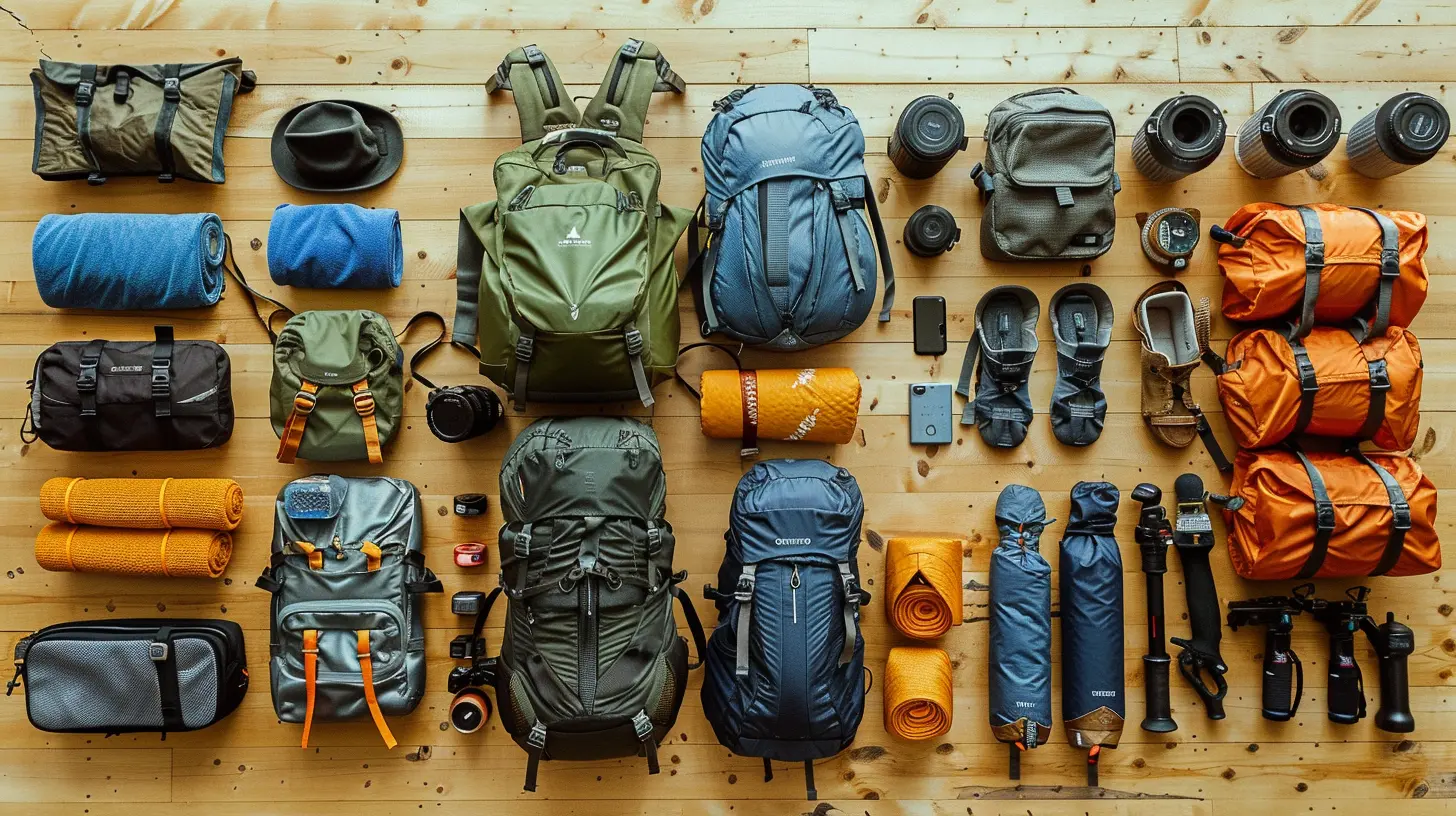
Why Good Gear Matters More Than You Think
Think about this: You're halfway through a hike, your feet are screaming, your back's aching, and you're soaked because your jacket gave up on you. Yeah… not exactly the soul-refreshing nature escape you dreamed of, right?Having the right gear isn't just about comfort (though that's a big deal)—it's about safety, efficiency, and even morale. When you're well-equipped, you're unstoppable. When you're not, every step can feel like a mile.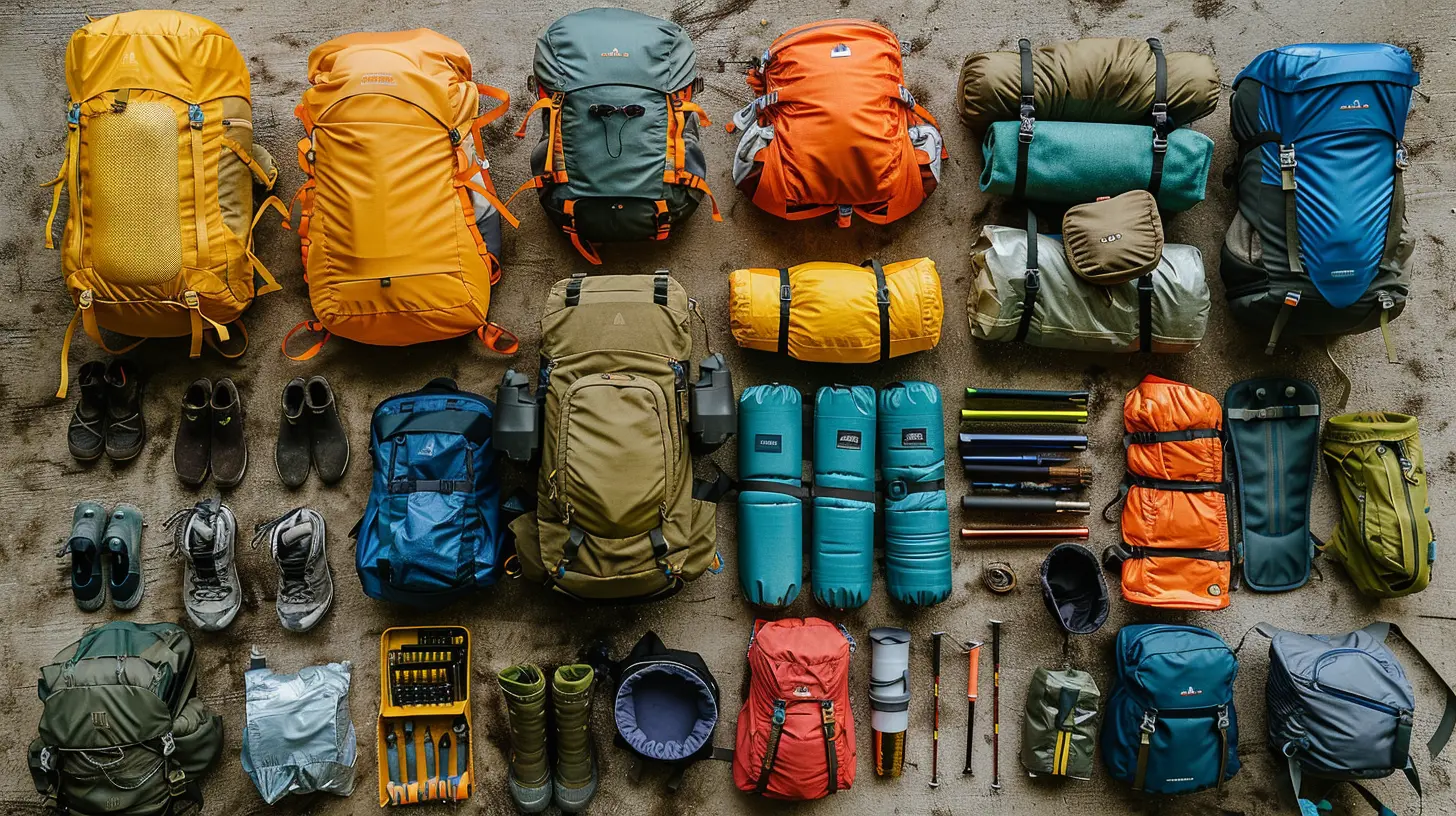
The Backpack – Your Mobile Home in Nature
Let's start with the big one: your backpack. It’s not just a bag—it’s your portable home, kitchen, and closet rolled into one.What to Look For:
- Size Matters: For day hikes, 20-30L should do the trick. Multi-day treks? You’re looking at 50-70L.- Fit Is Everything: Make sure the backpack fits your torso length and hip size. A poor fit leads to sore shoulders and a grumpy mood.
- Support System: Padded hip belts and adjustable straps are non-negotiable. Your back will thank you.
- Hydration Compatibility: Look for a design that accommodates a hydration bladder or water bottles.
Personal tip: Try on backpacks with weight in them before buying. It’s like test-driving a car—you want to know if you two vibe.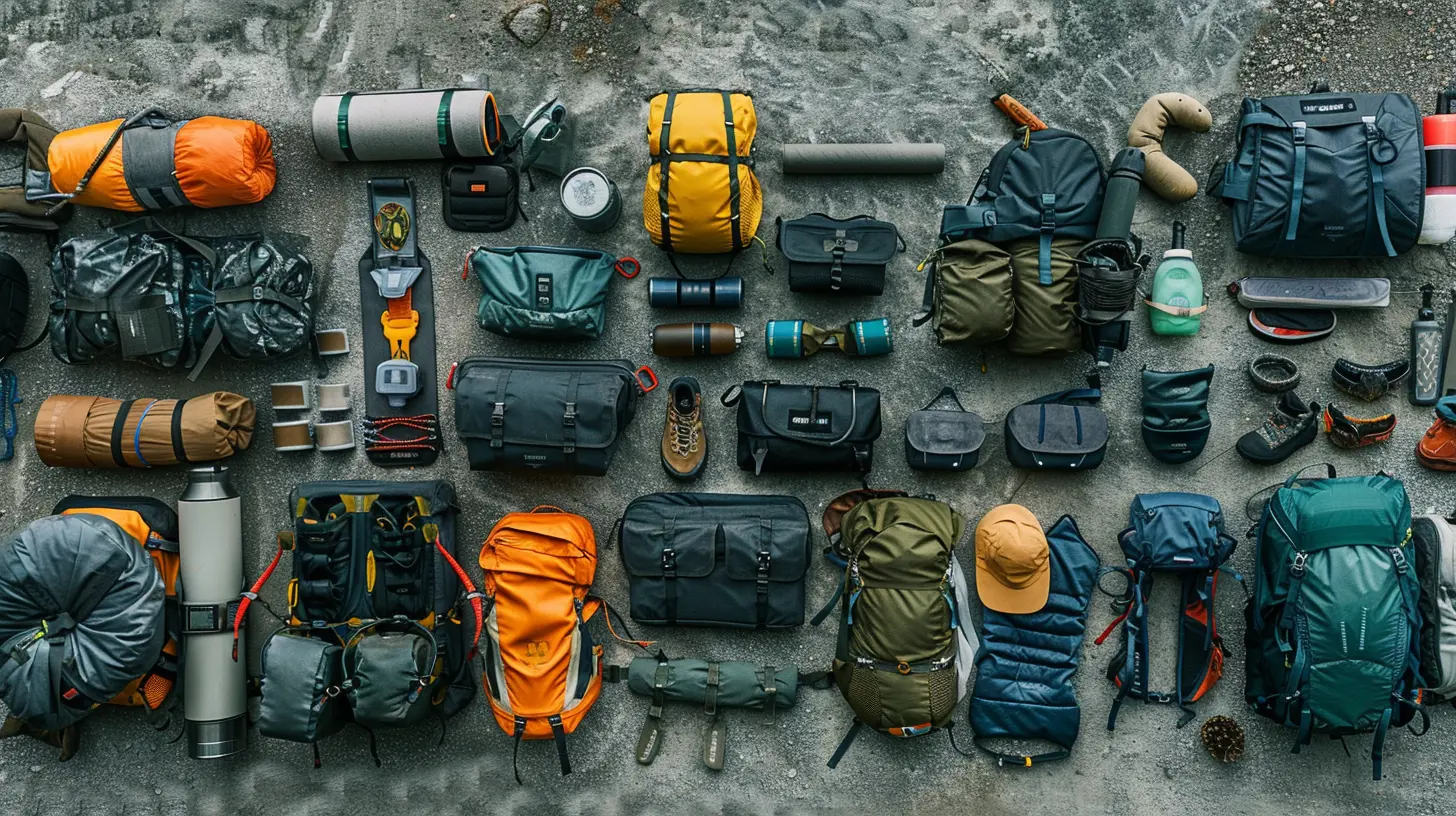
Footwear – Your True Ride or Die
This is NOT where you want to skimp. Your feet are doing all the work, so treat them like royalty.Hiking Boots vs. Trail Runners:
- Hiking Boots: More ankle support, better for tough terrain and heavy loads.- Trail Runners: Lighter, more breathable, ideal for shorter or faster treks.
Must-Haves:
- Good grip: Look for soles with deep lugs.- Water-resistant but breathable: Gore-Tex is a great choice.
- Broken-in: Never, ever wear brand-new boots for a big hike—unless blisters are your thing.
Clothing – Layer Up Like a Pro
The weather in the wild has mood swings. One minute it’s sunny, the next—it’s hailing. Your best defense? Layers.Base Layer:
- Moisture-wicking fabrics like merino wool or synthetic blends.- Keeps sweat off your skin and you from freezing.
Mid Layer:
- Think insulating—fleece or down jackets work well.- Keeps you warm without bulking you up.
Outer Layer:
- A waterproof, windproof shell.- Go for breathable materials, so you don’t turn into a walking sauna.
Pro tip: Avoid cotton—it soaks sweat and takes forever to dry. Ain’t nobody got time for that.
Trekking Poles – Your Extra Legs
You might think trekking poles are just for serious hikers or older folks—but your knees would beg to differ. They're lifesavers on steep climbs and descents.Why They Rock:
- Support and balance on uneven terrain.- Reduce impact on knees—especially when carrying a heavy pack.
- Great for testing river depth or sketchy snow patches.
Look for adjustable, collapsible poles with a comfy grip. And if they’re lightweight too? Chef’s kiss.
Navigation Tools – Don’t Rely Solely on Your Phone
Yes, smartphones are smart… until you’re out of range or out of juice. Always have backup navigation.Essentials:
- Map and Compass: Learn to use them. Seriously—it’s not just scout stuff.- GPS Device or App: Handy, but don’t rely on them alone.
- Guidebook or Trail Notes: Especially for longer treks—these can give you tips, water sources, and campsites.
Remember: Even the best GPS apps won’t save you if you don’t know how to read a topographical map.
Sleeping Gear – Snooze Like a Baby
After a long day of hiking, you’ll want to crash somewhere comfy and warm. That’s where good sleep gear comes into play.Tent or Shelter:
- Lightweight and sturdy tents are key.- For solo trekkers, bivy sacks or hammocks (with rain fly and bug net) are good lightweight options.
Sleeping Bag:
- Match the temperature rating to your trip (always err colder—you can unzip if too warm).- Down is lighter and packs smaller, but synthetic insulates even when wet.
Sleeping Pad:
- Don’t skip it! Keeps you warm and cushions your tired bones.- Inflatable pads are light and comfy. Closed foam pads are cheap and indestructible.
Cooking Gear – Don't Survive on Power Bars Alone
Even basic meals taste better in the great outdoors. Trust me—hot noodles by a campfire? Pure bliss.Cooking Essentials:
- Portable Stove: Lightweight models like Jetboil or MSR PocketRocket work wonders.- Fuel: Make sure it's compatible with your stove.
- Cookware: A single pot and spork can go a long way.
- Food: Dehydrated meals, instant oats, nut butters, trail mix—pack what you love eating.
Also, pack a lighter AND waterproof matches. Because fire + food = happiness.
Water – The True MVP
You can skip a meal, but not hydration. Make water planning your #1 priority.Gear for Staying Hydrated:
- Hydration Bladder: Easy sips while moving.- Water Bottles: Always good as backup.
- Purification System: Filters, UV purifiers, or purification tabs—whatever floats your boat, just make sure you’ve got something.
Pro-tip: Know your water sources ahead of time. Nothing’s worse than realizing you’re dry and the next stream is eight miles away.
First Aid Kit – Your Pocket-Sized Lifesaver
Even a small scrape or bug bite can get dramatic when you’re miles from the nearest help center.What to Pack:
- Bandages, antiseptic wipes, blister treatment.- Painkillers, antihistamines, and anti-diarrheal meds.
- Tweezers, scissors, emergency whistle, and duct tape (yes, duct tape—it fixes everything).
Customize your kit for your needs and the terrain you're heading into. Better to carry it and not need it than vice versa.
Bonus Gear That’s Totally Worth It
Got the basics? Here’s the cherry on top—a few 'nice-to-haves' that seasoned hikers swear by:- Headlamp: Hands-free light source = freedom.
- Multi-tool: It’s like a Swiss Army knife for life.
- Dry Bags: Keeps your gear safe from rain, spills, and accidental dips in the river.
- Power Bank: Keep your phone or GPS charged.
- Sunscreen & Lip Balm (with SPF!): Burnt lips? Not the look we're going for.
- Bug Spray or Head Net: Trust me, the mosquitoes don’t care how tough you are.
Final Thoughts
There’s something incredibly freeing about walking into the wild with everything you need on your back. It’s like stepping into your own adventure movie—but without the CGI dragons.But freedom doesn’t mean being unprepared. The right gear lightens your load, literally and metaphorically. It takes the "what ifs" out of the equation and lets you focus on the good stuff—like reaching that summit, watching the sunset without a soul around, or just breathing in the silence of the forest.
So pack smart, hike hard, and savor every step of your journey.
Happy trails, friend.
all images in this post were generated using AI tools
Category:
Travel GearAuthor:

Shane Monroe
Discussion
rate this article
2 comments
Runeveil McCaffrey
Investing in the right gear can make or break your hiking experience. Look for essentials that balance weight and functionality. Lightweight, breathable fabrics, sturdy footwear, and reliable navigation tools enhance comfort and safety. Prioritize your needs based on the terrain and duration to ensure a fulfilling adventure. Happy trails!
October 11, 2026 at 3:24 PM
Ruby McDermott
Whether you're scaling mountains or strolling through forests, pack your snacks, wear comfy shoes, and don't forget your sense of adventure... because every trail has a story!
September 13, 2026 at 3:29 AM
Shane Monroe
Absolutely! Every journey deserves the right gear and a spirit of exploration. Happy trails!