Where to Celebrate Harvest and Agricultural Festivals in 2027
3 October 2026
Harvest festivals are among the oldest forms of collective human celebration. Long before tourism boards packaged them for visitors, communities gathered to mark the end of a growing season, give thanks for what the land produced, and prepare for the leaner months ahead. That history matters when you are planning a trip around one. You are not just booking a date on a calendar. You are stepping into a ritual that predates modern travel entirely.
2027 offers a strong window for this kind of travel. The lunar calendars that determine many Asian harvest celebrations fall in favorable positions, several European wine and grain regions are staging their larger regional events, and the growing interest in agritourism means more farms are opening their doors to visitors in ways that were uncommon a decade ago. This guide is built to help you choose wisely, not just collect a list of dates.
Why Harvest Festivals Deserve a Place on Your 2027 Travel Calendar
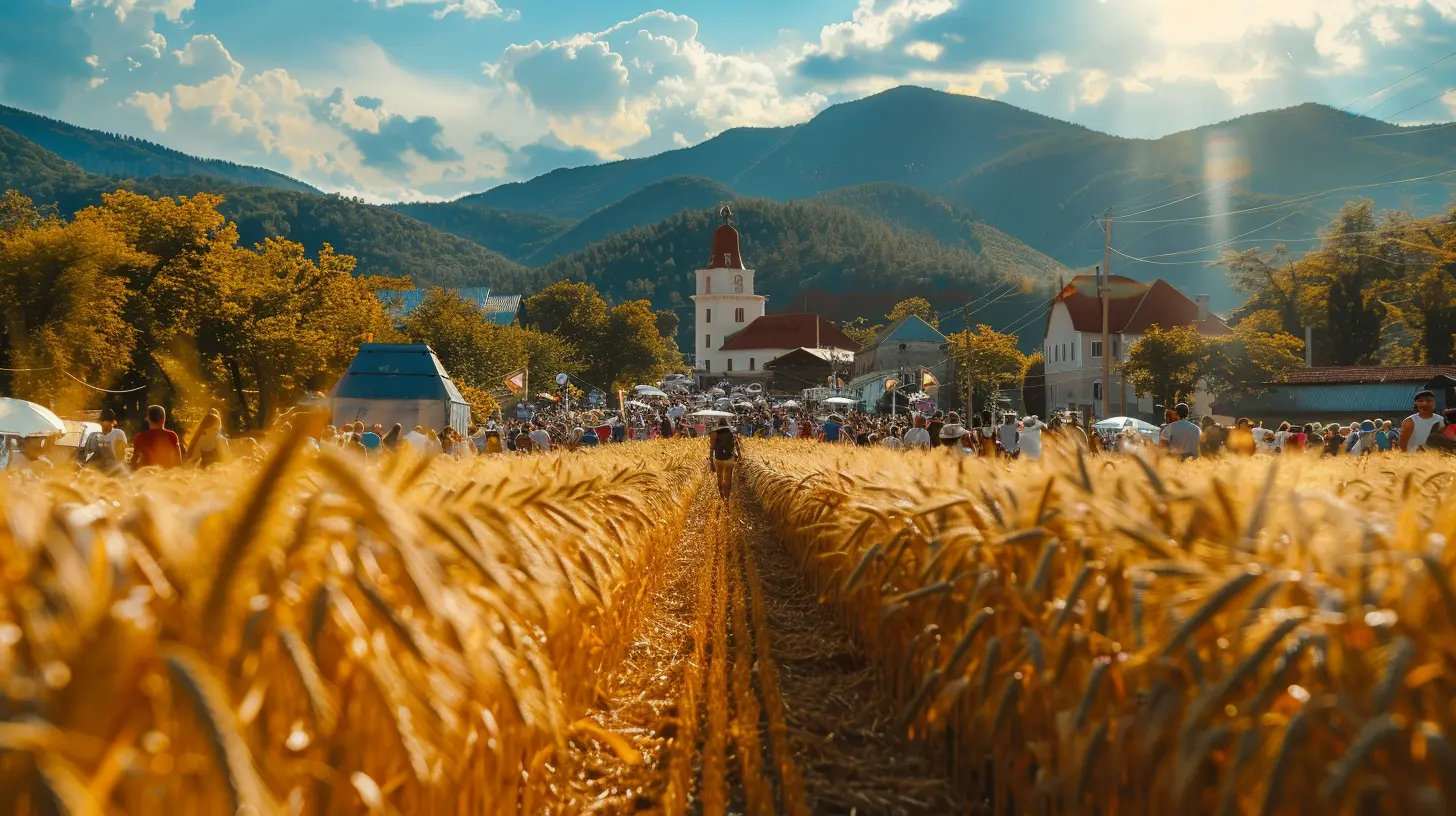
Most travelers plan around weather or school holidays. Harvest festivals add a third dimension: they anchor your trip to a specific cultural moment that only exists once a year. Miss it and you wait twelve months.There is also a practical advantage. Harvest season, broadly late summer through autumn in the northern hemisphere and February through April in much of the southern hemisphere, overlaps with shoulder season in many destinations. You get the energy of a major cultural event without the peak-summer crowds and inflated prices that come with them. In wine regions especially, September and October offer cooler working conditions, smaller tour groups, and access to cellars that are simply too busy to accommodate visitors during the summer rush.
The trade-off is unpredictability. Harvest dates shift with the weather. A festival tied to grape picking can move by a week or more depending on heat and rain. If you build a trip around one specific day, you are accepting a degree of risk. The travelers who get the most out of these events build in flexibility and treat the festival as the centerpiece of a longer stay rather than a single fixed appointment.
How to Choose the Right Harvest Festival for You
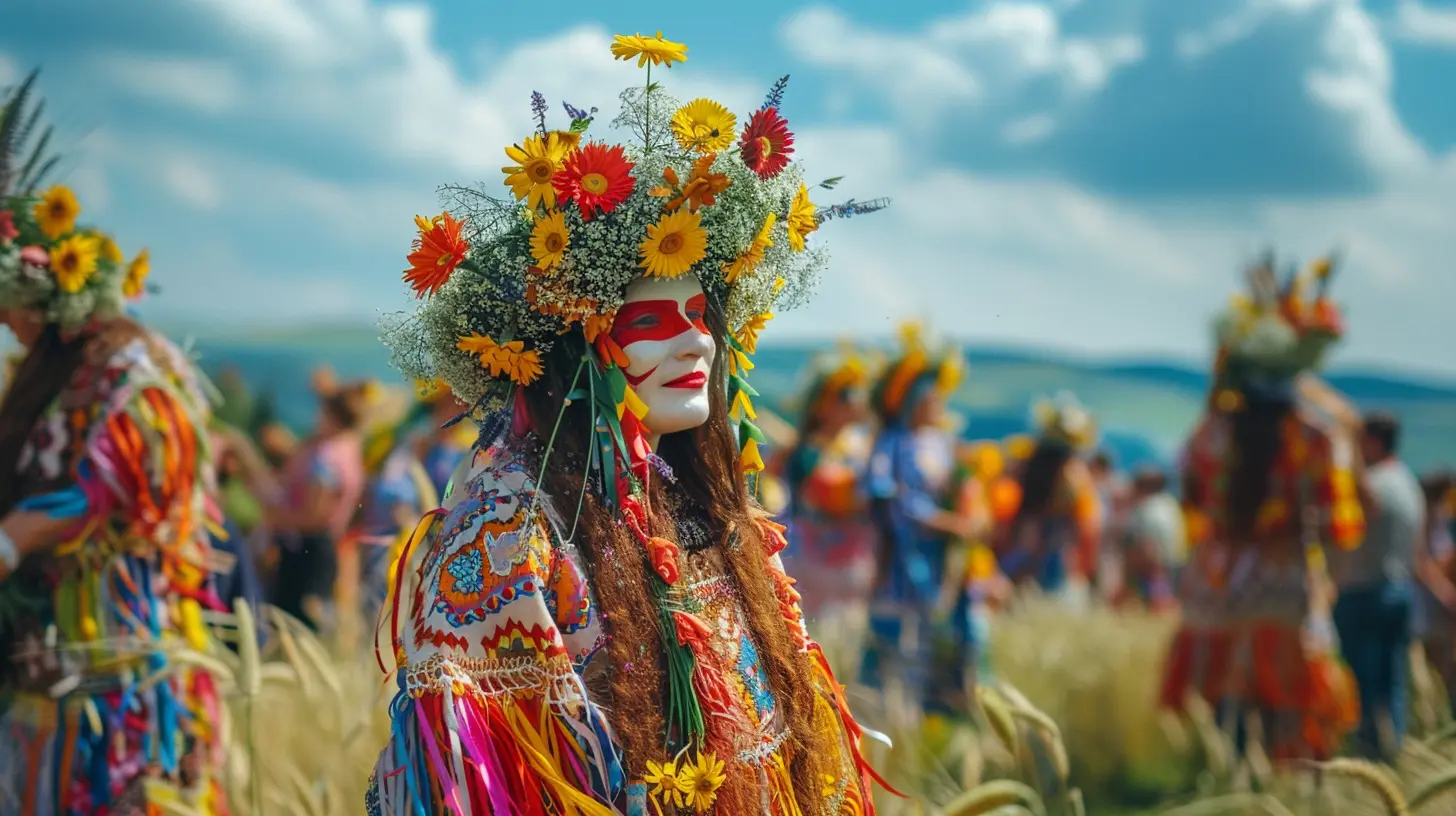
Before you look at specific destinations, be honest about what you actually want. Harvest festivals fall into a few broad categories, and they attract very different crowds.Religious and thanksgiving festivals tend to be large, family-oriented, and rooted in gratitude rituals. Think of the many harvest masses, processions, and communal meals across Europe and Latin America. These are often free, deeply traditional, and less commercial.
Food and drink festivals center on a specific product: wine, cider, olive oil, cheese, grain, or fruit. They suit travelers who want tasting, education, and direct contact with producers.
Agricultural fairs are broader. You get livestock shows, equipment displays, baking competitions, and carnival rides. These are excellent for families and for anyone curious about rural life beyond the postcard version.
Community harvest gatherings are the smallest and often the most rewarding. A village apple press, a rice-planting cooperative's end-of-season meal, a neighborhood chestnut roast. These rarely appear in guidebooks and require local connections or luck to find.
Ask yourself three questions before booking anything. Do you want spectacle or intimacy? Do you want to observe or participate? And how much tolerance do you have for crowds, language barriers, and logistical friction? Your answers will narrow the field faster than any list of dates.
Europe: Wine, Grain, and Ancient Traditions
Wine Harvest Festivals in France, Italy, and Spain
The grape harvest, or vendange in France, remains one of the most accessible entry points for harvest tourism. Regions across France, Italy, and Spain host celebrations from late August through October, with the exact timing depending on latitude and grape variety.In France, the Burgundy and Bordeaux regions are the obvious choices, but they are also the most expensive and the most crowded. For better value and a more relaxed experience, look toward Alsace, the Loire Valley, or the Languedoc. Smaller appellations in these areas often host village-level fêtes that combine tastings with traditional music and food stalls run by local families.
Italy's grape harvest, the vendemmia, varies dramatically by region. Sicily and Puglia start earliest, sometimes in August. Piedmont and Tuscany follow in September and October. The advantage of Italy is the density of options. You can base yourself in one town and reach several festivals within an hour's drive.
Spain offers a different rhythm. The Rioja region's San Mateo festival in late September is one of the country's best-known wine celebrations, featuring grape stomping, parades, and a ceremonial first must. It is genuinely festive, but it is also heavily touristed. For something quieter, consider the smaller wine towns of Ribera del Duero or Priorat.
A practical note: many European wine festivals are organized by local councils and change format slightly each year. Do not assume last year's schedule will repeat exactly. Check the municipal website or tourism office in the spring of 2027 before committing to flights.
Olive Harvest in the Mediterranean
The olive harvest runs later than grapes, typically from late October through January, depending on the region. This is a less crowded, more contemplative form of harvest tourism. You are more likely to find yourself in a grove with a farmer than in a town square with a brass band.Andalusia in southern Spain, Crete in Greece, and Puglia in Italy all offer olive harvest experiences. Some farms run multi-day programs where visitors help with picking and then watch the pressing. These are working operations, not staged attractions, so the experience depends heavily on weather and the condition of the trees.
The main caution here is physical. Olive harvesting involves standing on ladders, handling nets, and working in uneven terrain. If you have mobility limitations, look for programs that focus on the pressing and tasting stages instead of the picking itself.
Grain and Thanksgiving Festivals in Central and Eastern Europe
Central and Eastern Europe preserve some of the most authentic harvest traditions in the continent. In Poland, the dożynki is a harvest festival with pagan roots that was later absorbed into Christian practice. It features decorated wreaths made from the last sheaf of grain, processions, and communal feasting. Rural communities hold these events in August and September, and they remain largely local rather than commercial.The Czech Republic, Slovakia, and Hungary have similar traditions, often tied to the end of the wheat harvest. These festivals are inexpensive, genuinely community-run, and offer a window into rural life that mainstream tourism rarely touches. The trade-off is language. English is less common in these settings, so a translation app or a basic grasp of the local language goes a long way.
Asia: Moon Festivals and Rice Harvests
Mid-Autumn Festival Across East and Southeast Asia
The Mid-Autumn Festival, also called the Moon Festival or Mooncake Festival, falls on the fifteenth day of the eighth lunar month. In 2027, this lands in late September. It is celebrated across China, Taiwan, Vietnam, Singapore, Malaysia, and within Chinese communities worldwide.The festival centers on the full moon, family reunion, and mooncakes, the dense pastries filled with lotus seed paste, red bean, or salted egg yolk. In Vietnam, it is called Tết Trung Thu and is especially child-focused, with lantern parades and lion dances.
For travelers, the appeal is the atmosphere rather than a single event. Cities like Hanoi, Hong Kong, and Penang transform their streets and waterfronts. The downside is that this is a major family holiday, so domestic travel surges, hotel prices rise, and some businesses close. If you want to experience it, book accommodation months in advance and expect crowds at the most famous viewing spots.
Rice Harvest Festivals in Japan and Southeast Asia
Japan's rice harvest is marked by local matsuri across the country, though the most famous harvest-related festival is arguably the autumn celebrations at shrines and the niinamesai, a private imperial ritual. For visitors, the more accessible events are regional food festivals that showcase new rice, sake, and rice-based dishes.In Bali, the rice harvest is woven into the island's broader religious calendar. Subak, the traditional irrigation system, is a UNESCO-recognized cultural landscape, and harvest time brings offerings and ceremonies at rice temples. Visitors are generally welcome to observe, but you must dress and behave respectfully. This is not a performance.
In Thailand and Laos, the rice harvest in November and December often coincides with the end of the Buddhist Lent, producing a cluster of festivals that combine religious merit-making with celebration. The famous Naga fireball phenomenon on the Mekong in Thailand's Nong Khai province, while scientifically debated, draws large crowds each year around this time.
India: Pongal, Onam, and Baisakhi
India's harvest festivals are regional and tied to different crops and calendars. Pongal in Tamil Nadu, celebrated in mid-January, is a four-day thanksgiving to the sun god and to the farm animals that make the harvest possible. Onam in Kerala, in August or September, commemorates the mythical return of King Mahabali and features elaborate flower carpets, boat races, and feasts.Baisakhi in Punjab, in mid-April, marks both the wheat harvest and the founding of the Khalsa. It is a time of bhangra dancing, processions, and community meals at gurdwaras.
Each of these is a major cultural event, and each comes with its own etiquette. At gurdwaras, for example, you must cover your head and remove your shoes. At Onam celebrations, the sadya, a vegetarian feast served on a banana leaf, is eaten with the right hand. These details are not optional courtesies. They are part of participating respectfully.
The Americas: From Thanksgiving to Grape Harvests
Thanksgiving and Its Regional Variations
The American Thanksgiving is the most familiar harvest festival in the Western world, but it is also the most domesticated. The communal, agricultural roots have largely been replaced by football and retail. If you want something closer to the original spirit, look for regional harvest celebrations in New England, the Amish country of Pennsylvania and Ohio, and rural communities across the Midwest.Canada's Thanksgiving, held in early October, is a quieter affair and often coincides with the fall harvest in Ontario and Quebec. It pairs well with apple picking, cider pressing, and the fall fairs that dot the countryside.
Grape Harvest in California, Chile, and Argentina
California's wine country hosts harvest celebrations from August through October. Napa and Sonoma are the famous names, but they are also the most expensive. The Central Coast, Paso Robles, and the Sierra Foothills offer comparable experiences at lower cost and with less traffic.In South America, the harvest runs on an opposite calendar. Chile and Argentina celebrate their grape harvest, the vendimia, in February and March. Mendoza's Vendimia festival in Argentina is one of the largest in the world, with parades, a queen selection, and a major wine tasting. It is spectacular, but it is also a magnet for domestic tourists, so book early.
Corn, Maple, and Apple Harvests in North America
Beyond grapes, North America has a deep tradition of corn mazes, apple orchards, and maple syrup production. Maple harvest happens in late winter and early spring, which is a less obvious travel window but a rewarding one. Sugar shacks in Quebec and Vermont open their doors for tours and meals, and the timing coincides with some of the cheapest travel of the year.Apple harvest in the northeastern United States and eastern Canada runs from September through October. Many orchards offer pick-your-own programs, cider pressing, and hayrides. These are family-friendly and low-cost, but they are also highly seasonal and weather-dependent.
Africa and Oceania: Less-Known but Worth the Effort
Harvest Festivals in West and Southern Africa
Africa's harvest traditions are diverse and often tied to agricultural cycles and spiritual practice. In Ghana, the yam festival, such as the Homowo of the Ga people, marks the end of the hunger season and the beginning of the new yam harvest. In Nigeria, the New Yam Festival, or Iri Ji, is celebrated by the Igbo people with masquerades, dances, and feasts.In southern Africa, the grape harvest in South Africa's Western Cape runs from January through March. Stellenbosch and Franschhoek host wine festivals that are well-organized and welcoming to international visitors. The Cape Winelands are also a strong option for travelers who want a harvest experience combined with a broader safari or coastal trip.
The key consideration in these regions is timing and infrastructure. Some festivals are announced only weeks in advance, and travel between rural areas can be slow. Build in buffer days and work with a local operator who understands the calendar.
Pacific Harvest Traditions
In the Pacific, harvest festivals are often tied to specific crops and island calendars. Fiji's yam harvest, for example, is marked by ceremonies and feasts in some villages. These are not tourist attractions in the conventional sense, and access usually depends on invitation or community permission. If you are interested, the right approach is to ask through a local guide or cultural center rather than showing up unannounced.Practical Advice for Planning a 2027 Harvest Trip
Verify dates close to travel. Lunar and agricultural calendars shift. What was true in 2026 may not hold in 2027.Book accommodation early, but keep flights flexible. Festival dates are firmer than harvest dates, but both can move. Refundable or changeable tickets are worth the premium.
Learn the local etiquette. Harvest festivals often involve religious or communal elements. Dress modestly, ask before photographing people, and accept food when it is offered.
Do not over-schedule. The best harvest experiences are slow. Pick one or two anchor events and leave room for the unexpected.
Support local producers directly. Buy from farm stalls, eat at family-run restaurants, and choose tours run by people who live in the region. This keeps the festival economy in the community.
Consider the shoulder season advantage. Many harvest festivals fall just outside peak travel, which means better prices and smaller crowds. Use that to your benefit.
Common Mistakes to Avoid
The biggest mistake travelers make is treating a harvest festival as a photo opportunity rather than a cultural event. These celebrations have meaning for the people who host them. Show up curious and respectful, not entitled.The second mistake is ignoring logistics. Rural festivals often have limited transport, few hotels, and no English signage. Plan how you will get there, where you will sleep, and how you will communicate.
The third is assuming all harvest festivals are the same. A wine festival in Tuscany and a yam festival in Ghana share a theme but almost nothing else. Research the specific event, not just the category.
Final Thoughts
Harvest festivals in 2027 offer a rare combination: cultural depth, seasonal beauty, and a chance to connect with the people who grow what we eat. The best trips are built on curiosity and preparation, not on chasing a checklist. Choose one region, commit to understanding its traditions, and let the harvest set your pace.
all images in this post were generated using AI tools
Category:
Festivals And EventsAuthor:

Shane Monroe